

This Serval Wildlife Sanctuary travel guide explores location, wildlife, conservation efforts, and visitor experience in Tanzania, helping travelers plan a responsible and unforgettable visit.
1. Introduction to Serval Wildlife Sanctuary: An Essential Travel Guide
https://nativesonexpeditions.com/tanzania-safari/
The Serval Wildlife Sanctuary travel guide is essential reading for travelers seeking a unique wildlife experience in northern Tanzania that blends conservation, luxury, and ethical tourism. Located in the scenic landscapes of the Kilimanjaro region, Serval Wildlife Sanctuary has rapidly gained recognition as one of Tanzania’s most distinctive wildlife destinations. Unlike traditional national parks, Serval offers a controlled, conservation-focused environment where visitors can learn about rescued wildlife while enjoying a premium travel experience.
Serval Wildlife Sanctuary is situated near Siha District, between Mount Kilimanjaro and Mount Meru, making it easily accessible from Arusha and Kilimanjaro International Airport. This strategic location places it within Tanzania’s famous northern safari circuit while offering something entirely different from conventional game drives. Any well-researched Serval Wildlife Sanctuary travel guide highlights this accessibility as one of the sanctuary’s strongest advantages, especially for travelers with limited time.
What sets Serval apart is its mission. The sanctuary was established with a strong emphasis on wildlife rescue, rehabilitation, and education. Many of the animals housed at Serval have been rescued from illegal wildlife trade, human-wildlife conflict, or unsuitable captive conditions. This ethical foundation is a key reason why the Serval Wildlife Sanctuary travel guide appeals to responsible travelers who prioritize conservation and animal welfare.
The sanctuary is home to a variety of wildlife species, including lions, giraffes, zebras, elands, ostriches, servals, and other rescued animals. Unlike national parks where wildlife sightings depend on chance, Serval offers a more structured viewing experience while maintaining strict animal welfare standards. A quality Serval Wildlife Sanctuary travel guide explains that interactions are carefully regulated to avoid stress on the animals and to ensure visitor safety.
Another defining feature highlighted in every authoritative Serval Wildlife Sanctuary travel guide is the sanctuary’s luxurious setting. The property is designed to combine nature with comfort, featuring high-end accommodations, landscaped grounds, and panoramic views of Tanzania’s highlands. This combination attracts travelers looking for a refined experience that still aligns with conservation values.
Serval Wildlife Sanctuary also plays an important educational role. Guided tours provide visitors with detailed insights into wildlife behavior, conservation challenges in Tanzania, and the sanctuary’s long-term goals. These educational elements distinguish Serval from entertainment-focused wildlife facilities. Any credible Serval Wildlife Sanctuary travel guide emphasizes this learning aspect as central to the visitor experience.
From a tourism perspective, Serval fits perfectly into short stays, honeymoon itineraries, and luxury stopovers before or after traditional safaris in Serengeti, Ngorongoro, or Tarangire. Its flexibility makes it appealing to both first-time visitors and seasoned travelers. This versatility is another reason the Serval Wildlife Sanctuary travel guide continues to gain popularity in global travel searches.
The sanctuary operates under Tanzanian wildlife regulations and collaborates with conservation authorities to ensure compliance and ethical standards. Visitors are expected to follow strict guidelines regarding photography, movement, and interaction with animals. A reliable Serval Wildlife Sanctuary travel guide always stresses the importance of respecting these rules to preserve the sanctuary’s mission and reputation.
For official tourism and conservation information, travelers are encouraged to consult trusted sources such as the Tanzania Tourism Board and conservation-focused travel platforms like Responsible Travel. These external references provide accurate context and reinforce the credibility of this Serval Wildlife Sanctuary travel guide.
In conclusion, Serval Wildlife Sanctuary represents a modern approach to wildlife tourism in Tanzania—one that prioritizes ethics, education, and exclusivity. As outlined in this Serval Wildlife Sanctuary travel guide, the destination is ideal for travelers seeking meaningful wildlife encounters without the logistical demands of remote national parks. This introduction sets the foundation for deeper exploration of access, activities, accommodation, costs, and travel tips in the sections that follow.
2. Location, Accessibility, and How to Get There: Serval Wildlife Sanctuary Travel Guide
Understanding the location and accessibility is a crucial part of any comprehensive Serval Wildlife Sanctuary travel guide, especially for travelers planning a smooth and efficient trip in northern Tanzania. Serval Wildlife Sanctuary is strategically located in the Siha District of the Kilimanjaro Region, nestled between two iconic mountains—Mount Kilimanjaro and Mount Meru. This positioning places the sanctuary within Tanzania’s renowned northern tourism circuit while offering a quieter, more exclusive alternative to traditional national parks.
One of the biggest advantages highlighted in every reliable Serval Wildlife Sanctuary travel guide is its proximity to major transport hubs. The sanctuary is approximately 60 kilometers from Arusha and about 45 minutes to one hour from Kilimanjaro International Airport (JRO). This makes Serval Wildlife Sanctuary one of the most accessible wildlife destinations in Tanzania, particularly for travelers who may not have time for long overland journeys to remote parks like Serengeti or Ruaha.
For international travelers, the most common entry point is Kilimanjaro International Airport, which receives direct and connecting flights from major global cities. From the airport, visitors can reach the sanctuary by private transfer, hotel-arranged vehicle, or tour operator transport. A well-planned Serval Wildlife Sanctuary travel guide always recommends pre-arranged transfers, as public transportation options are limited and less reliable in rural areas.
Travelers already in Arusha, Tanzania’s safari capital, will find the journey to Serval Wildlife Sanctuary straightforward and scenic. The drive passes through rural villages, open landscapes, and agricultural areas that provide insight into local Tanzanian life. This short road transfer is often cited in the Serval Wildlife Sanctuary travel guide as ideal for day trips, overnight stays, or short luxury stopovers.
Road conditions to the sanctuary are generally good, especially during the dry season. Most of the route is on tarmac roads, with only short stretches of well-maintained gravel roads near the sanctuary itself. During the rainy season, access remains possible, although travelers are advised to use 4×4 vehicles for added comfort and reliability. This level of year-round accessibility further strengthens the appeal highlighted in the Serval Wildlife Sanctuary travel guide.
Unlike national parks that require extensive travel logistics, Serval Wildlife Sanctuary does not require domestic flights or long-distance boat transfers. This simplicity reduces travel fatigue and allows visitors to spend more time enjoying wildlife experiences rather than commuting. For travelers with limited time in Tanzania, this convenience is a key selling point emphasized in the Serval Wildlife Sanctuary travel guide.
The sanctuary’s location also makes it easy to combine with other nearby attractions. Many travelers pair a visit to Serval Wildlife Sanctuary with Arusha National Park, Materuni Waterfalls, coffee tours, or cultural experiences with local communities around Mount Kilimanjaro. This flexibility allows Serval to fit seamlessly into both short itineraries and longer safari routes. A well-structured Serval Wildlife Sanctuary travel guide often recommends these combinations to maximize travel value.
Signage to the sanctuary is clear once travelers approach the Siha area, and most GPS navigation systems correctly identify the location. However, due to occasional network limitations in rural Tanzania, it is advisable to download offline maps or rely on local drivers familiar with the area. This practical advice is commonly included in a detailed Serval Wildlife Sanctuary travel guide to ensure stress-free navigation.
For travelers who prioritize sustainability, Serval’s location also reduces the carbon footprint associated with long-distance travel. Shorter transfers mean fewer emissions compared to flying or driving across vast distances. This aligns with the sanctuary’s conservation philosophy and reinforces its appeal to eco-conscious visitors, a point frequently emphasized in modern Serval Wildlife Sanctuary travel guide content.
Official tourism authorities recognize Serval Wildlife Sanctuary as part of Tanzania’s growing conservation tourism sector. For accurate directions, regional travel updates, and official guidance, travelers are encouraged to consult the Tanzania Tourism Board and regional travel resources provided by the Kilimanjaro Regional Administration. These sources ensure visitors have up-to-date and reliable travel information.
In conclusion, accessibility is one of Serval Wildlife Sanctuary’s strongest advantages. As outlined in this Serval Wildlife Sanctuary travel guide, its prime location near Arusha and Kilimanjaro International Airport makes it one of the easiest wildlife destinations to reach in Tanzania. Whether visited as a standalone experience or combined with other northern attractions, Serval’s convenient access enhances its appeal for luxury travelers, conservation enthusiasts, and first-time visitors alike.
3. Wildlife Species and Conservation Programs: Serval Wildlife Sanctuary Travel Guide

A defining strength of any authoritative Serval Wildlife Sanctuary travel guide is a clear explanation of the wildlife species found at the sanctuary and the conservation philosophy that underpins its operations. Serval Wildlife Sanctuary is not a conventional national park where animals roam freely across vast landscapes; instead, it is a carefully managed conservation facility dedicated to the rescue, rehabilitation, and lifelong care of wildlife that cannot safely return to the wild. This ethical foundation is central to understanding the sanctuary’s purpose and appeal.
The sanctuary is home to a diverse range of wildlife species, many of which were rescued from illegal wildlife trade, human–wildlife conflict, or unsuitable captive environments. Among the most notable animals are lions, giraffes, zebras, eland antelopes, ostriches, and serval cats, from which the sanctuary takes its name. A high-quality Serval Wildlife Sanctuary travel guide emphasizes that these animals are not kept for entertainment but are ambassadors for conservation education and awareness.
One of the most iconic species at the sanctuary is the African lion. At Serval, lions are kept in spacious, naturalistic enclosures designed to support their physical and psychological well-being. Visitors learn about lion behavior, threats to wild populations, and the role sanctuaries play in protecting individuals that cannot survive in the wild. This educational approach distinguishes Serval from exploitative wildlife attractions and is a key highlight in the Serval Wildlife Sanctuary travel guide.
Giraffes are another major attraction, often captivating visitors with their size, elegance, and gentle behavior. At Serval Wildlife Sanctuary, giraffes roam large enclosures that mimic their natural habitat. Guides explain the ecological role of giraffes, the challenges they face in the wild—such as habitat loss and poaching—and ongoing conservation efforts in Tanzania. These guided explanations are an integral part of the experience described in every reliable Serval Wildlife Sanctuary travel guide.
The sanctuary also hosts zebras and antelope species, which play an important role in demonstrating ecosystem balance. These herbivores contribute to educational discussions about grazing patterns, predator-prey relationships, and biodiversity conservation. By showcasing multiple species together, Serval helps visitors understand how interconnected Tanzania’s wildlife ecosystems truly are, a concept strongly emphasized throughout the Serval Wildlife Sanctuary travel guide.
A particularly unique feature of the sanctuary is its focus on serval cats and other smaller carnivores. Serval cats are elusive in the wild and rarely seen during traditional safaris. At Serval Wildlife Sanctuary, visitors have the rare opportunity to learn about their behavior, hunting techniques, and conservation status in a controlled and respectful environment. This makes the sanctuary especially appealing to wildlife enthusiasts seeking educational depth beyond typical safari sightings, a point often highlighted in the Serval Wildlife Sanctuary travel guide.
Conservation programs at Serval Wildlife Sanctuary are built around animal welfare, education, and long-term care. Unlike rehabilitation centers that focus on releasing animals back into the wild, Serval provides permanent sanctuary for animals that cannot be reintroduced safely. This model ensures that animals live in stable, stress-minimized environments while contributing to conservation awareness. A responsible Serval Wildlife Sanctuary travel guide always clarifies this distinction to manage visitor expectations.
Education is a cornerstone of Serval’s conservation mission. Guided tours are led by trained staff who provide detailed explanations about each species, their origin stories, and broader conservation challenges facing wildlife in Tanzania. These tours aim to inspire visitors to support conservation initiatives beyond their visit. Educational storytelling is one of the strongest value points emphasized in the Serval Wildlife Sanctuary travel guide.
The sanctuary also supports conservation indirectly through community engagement and employment. By providing jobs and educational opportunities to local communities, Serval helps reduce pressure on wildlife habitats and promotes coexistence between people and animals. This community-based approach aligns with Tanzania’s national conservation strategies and strengthens the sanctuary’s credibility, an aspect that reputable Serval Wildlife Sanctuary travel guide content always underscores.
Ethical tourism practices are strictly enforced at Serval Wildlife Sanctuary. Visitor interactions with animals are carefully controlled, photography guidelines are enforced, and animal handling is restricted to trained professionals only. These policies ensure that animal welfare remains the top priority. A trustworthy Serval Wildlife Sanctuary travel guide makes it clear that Serval does not support exploitative practices such as forced performances or uncontrolled animal contact.
Serval Wildlife Sanctuary operates in alignment with Tanzania’s wildlife regulations and conservation frameworks. For official policies, wildlife protection laws, and conservation initiatives, travelers are encouraged to consult the Tanzania Wildlife Authority (TAWA) and the Tanzania Tourism Board. These authoritative sources reinforce the legitimacy and conservation role of facilities like Serval and provide valuable background information for readers of this Serval Wildlife Sanctuary travel guide.
In conclusion, wildlife species and conservation programs form the ethical backbone of the sanctuary. As detailed in this Serval Wildlife Sanctuary travel guide, Serval offers visitors a rare opportunity to engage with rescued wildlife in a responsible, educational, and conservation-driven setting. Rather than replacing traditional safaris, the sanctuary complements them by offering insight into wildlife protection, rehabilitation, and the realities of conservation in modern Tanzania.
4. Activities, Guided Tours, and Visitor Experience: Serval Wildlife Sanctuary Travel Guide
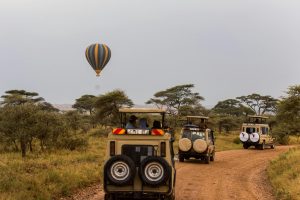
One of the most important elements of a comprehensive Serval Wildlife Sanctuary travel guide is a detailed explanation of the activities, guided tours, and overall visitor experience. Unlike traditional safari destinations where wildlife encounters are largely unpredictable, Serval Wildlife Sanctuary offers a curated and educational experience designed to balance visitor enjoyment with strict animal welfare standards. This approach makes the sanctuary especially appealing to travelers seeking meaningful, informative, and ethically responsible wildlife encounters in Tanzania.
The primary activity at Serval Wildlife Sanctuary is the guided wildlife tour, which is mandatory for all visitors. These tours are led by knowledgeable guides who have received specialized training in wildlife behavior, conservation ethics, and visitor safety. During the tour, visitors are taken through designated areas of the sanctuary to observe animals in spacious, naturalistic enclosures. A high-quality Serval Wildlife Sanctuary travel guide highlights that guided tours are designed to educate rather than entertain, focusing on conservation stories and animal welfare.
Guided tours typically last between one and two hours, depending on visitor interest and group size. Throughout the experience, guides provide detailed explanations about each species, including their background, rescue history, dietary needs, and behavior. This storytelling approach helps visitors develop a deeper appreciation for wildlife conservation challenges in Tanzania. Educational depth is a key strength emphasized in every authoritative Serval Wildlife Sanctuary travel guide.
Photography is another popular activity at Serval Wildlife Sanctuary. The sanctuary’s open landscapes, scenic highland backdrop, and well-positioned viewing areas provide excellent opportunities for wildlife and landscape photography. However, photography rules are strictly enforced to ensure animal comfort. Flash photography and disruptive behavior are prohibited. A responsible Serval Wildlife Sanctuary travel guide always reminds visitors to prioritize animal welfare over capturing the perfect image.
In addition to wildlife viewing, the sanctuary offers opportunities for nature walks and scenic exploration within designated visitor areas. These walks allow guests to appreciate the surrounding environment, which includes rolling grasslands, indigenous vegetation, and panoramic views of Mount Meru and Mount Kilimanjaro on clear days. This scenic aspect enhances the overall visitor experience and is frequently mentioned as a highlight in the Serval Wildlife Sanctuary travel guide.
For travelers seeking a more exclusive experience, Serval Wildlife Sanctuary offers private guided tours. These tours provide personalized attention, flexible pacing, and deeper engagement with guides. Private tours are ideal for photographers, families, honeymooners, and travelers with specific interests in wildlife conservation. The availability of private experiences is one of the reasons Serval is often described in the Serval Wildlife Sanctuary travel guide as a premium wildlife destination.
Educational interaction is central to the sanctuary’s visitor experience. Rather than passive observation, visitors are encouraged to ask questions and engage in discussions about conservation, ethical tourism, and wildlife protection laws in Tanzania. This interactive learning environment distinguishes Serval from mass tourism attractions. Any well-written Serval Wildlife Sanctuary travel guide emphasizes that visitors leave not only with memories but also with knowledge and awareness.
The sanctuary is also suitable for family-friendly visits, provided children are supervised and able to follow guidelines. Educational explanations are adapted to different age groups, making the experience accessible to both adults and young learners. This inclusivity broadens the sanctuary’s appeal and is often highlighted in the Serval Wildlife Sanctuary travel guide for families traveling in northern Tanzania.
Visitor comfort and safety are carefully managed throughout all activities. Clearly marked pathways, viewing platforms, and staff supervision ensure a smooth and secure experience. Visitors are advised to wear comfortable walking shoes, sun protection, and appropriate clothing for outdoor conditions. These practical recommendations are standard inclusions in a detailed Serval Wildlife Sanctuary travel guide.
Ethical standards govern all visitor activities at Serval Wildlife Sanctuary. There are no uncontrolled animal interactions, performances, or feeding activities designed purely for entertainment. Every experience is structured to minimize stress on animals and reinforce conservation principles. This ethical consistency is one of the sanctuary’s strongest selling points and a recurring theme in the Serval Wildlife Sanctuary travel guide.
For official visitor guidelines, activity regulations, and ethical tourism standards in Tanzania, travelers are encouraged to consult the Tanzania Tourism Board and conservation-focused platforms such as Responsible Travel. These external sources support the credibility and responsible messaging of this Serval Wildlife Sanctuary travel guide.
In conclusion, activities and guided tours at Serval Wildlife Sanctuary are carefully designed to deliver a high-quality, educational, and ethical visitor experience. As outlined in this Serval Wildlife Sanctuary travel guide, the sanctuary offers far more than wildlife viewing—it provides meaningful engagement, conservation awareness, and a refined travel experience. This balance of learning and enjoyment makes Serval a standout destination within Tanzania’s growing conservation tourism landscape.
5. Accommodation, Costs, and Best Time to Visit: Serval Wildlife Sanctuary Travel Guide
Accommodation options, travel costs, and timing are critical elements in any in-depth Serval Wildlife Sanctuary travel guide, as they directly influence trip planning, comfort levels, and overall visitor satisfaction. Serval Wildlife Sanctuary stands out in Tanzania for offering a luxury-oriented conservation experience that can be tailored to short visits or combined with longer safari itineraries in the northern circuit.
One of the unique aspects highlighted in a reliable Serval Wildlife Sanctuary travel guide is that accommodation is typically integrated into the sanctuary experience or arranged nearby through partner lodges and luxury properties. On-site and affiliated accommodations emphasize privacy, comfort, and scenic surroundings, often featuring spacious rooms, elegant décor inspired by African landscapes, and panoramic views of Mount Meru and Mount Kilimanjaro on clear days. This high standard of comfort distinguishes Serval from many traditional wildlife destinations in Tanzania.
Accommodation pricing at or near Serval Wildlife Sanctuary reflects its premium positioning. Rates usually include accommodation, meals, guided sanctuary tours, and access to facilities. While prices are higher than budget lodges found near national parks, they are competitive within Tanzania’s luxury and conservation tourism segment. A well-structured Serval Wildlife Sanctuary travel guide explains that visitors are paying not only for comfort but also for ethical wildlife care, conservation programs, and personalized service.
Day visits are also possible for travelers staying in Arusha or surrounding areas. Day tour packages typically include entrance fees, guided tours, and sometimes meals. These options make Serval accessible to a broader range of travelers, from luxury tourists to those seeking a short educational wildlife experience. This flexibility is frequently emphasized in the Serval Wildlife Sanctuary travel guide as a key advantage.
When it comes to best time to visit, Serval Wildlife Sanctuary can be visited year-round, thanks to its location in northern Tanzania and its controlled environment. However, seasonal differences can affect weather conditions, scenery, and overall comfort. The dry season, from June to October, is generally considered the most comfortable time to visit. During these months, temperatures are moderate, skies are clear, and road access is excellent. This period is often recommended in the Serval Wildlife Sanctuary travel guide for travelers prioritizing comfort and photography.
The short dry season from January to February is another excellent time to visit. Landscapes remain green from earlier rains, and wildlife viewing conditions are still favorable. This season is popular among travelers seeking fewer crowds while maintaining good weather conditions, a detail frequently highlighted in the Serval Wildlife Sanctuary travel guide.
The rainy seasons, from March to May and November, bring lush vegetation and dramatic scenery. While heavy rains can occasionally affect road conditions, access to the sanctuary generally remains reliable. Some travelers prefer this time for its tranquility and reduced visitor numbers. A balanced Serval Wildlife Sanctuary travel guide notes that rainy seasons can still offer rewarding experiences, particularly for travelers focused on learning and relaxation rather than peak-season activity.
Costs can vary slightly depending on the season, with higher rates often applying during peak travel months. Booking in advance is strongly recommended, especially during the dry season and holiday periods. Because Serval Wildlife Sanctuary limits visitor numbers to maintain quality and animal welfare standards, availability can be restricted. This booking advice is a standard inclusion in any professional Serval Wildlife Sanctuary travel guide.
In terms of value, Serval offers a different return on investment compared to national parks. Instead of multiple game drives, visitors gain access to close-range wildlife observation, in-depth conservation education, and a refined environment. For travelers interested in ethical tourism and high-quality interpretation, the costs outlined in the Serval Wildlife Sanctuary travel guide are often considered justified.
Travelers planning their visit should also factor in additional expenses such as private transfers from Kilimanjaro International Airport or Arusha, optional private tours, and gratuities. These costs are typically transparent and can be arranged in advance through lodges or tour operators. A thorough Serval Wildlife Sanctuary travel guide encourages travelers to confirm inclusions to avoid surprises.
For official travel advice, seasonal updates, and tourism regulations in Tanzania, visitors are encouraged to consult the Tanzania Tourism Board and regional travel information from the Kilimanjaro Regional Administration. These authoritative sources support accurate planning and complement the guidance provided in this Serval Wildlife Sanctuary travel guide.
In conclusion, accommodation quality, pricing, and seasonal timing all contribute significantly to the Serval experience. As detailed in this Serval Wildlife Sanctuary travel guide, the destination offers flexible visit options, premium comfort, and year-round accessibility. Whether visited as a day trip or a luxury overnight stay, careful planning ensures visitors gain maximum value from one of Tanzania’s most distinctive conservation-focused wildlife destinations.
