
February 3, 2026

Discover the magic of a photography safari in Tanzania, where breathtaking landscapes, wildlife, and cultural experiences await every traveler. Learn essential tips, best destinations, and expert advice for capturing stunning photos on your next African adventure.
https://nativesonexpeditions.com/tanzania-safari/
Embarking on a photography safari in Tanzania is an extraordinary adventure that blends the thrill of wildlife exploration with the art of photography. Tanzania is home to some of Africa’s most iconic landscapes, from the golden savannas of the Serengeti to the snow-capped peaks of Mount Kilimanjaro. For travelers and photography enthusiasts, it offers a chance to capture breathtaking moments that are rarely seen elsewhere in the world. A photography safari in Tanzania is not merely a journey; it’s an opportunity to immerse oneself in a natural canvas where light, wildlife, and culture converge in a harmonious spectacle.
For photographers, both amateur and professional, Tanzania presents unique challenges and rewards. The diversity of wildlife—from lions and elephants to lesser-known species like the gerenuk—provides endless subjects for capturing compelling images. Early morning and late afternoon light offer perfect conditions for landscape and wildlife photography, giving images a dynamic range of colors and contrasts. A photography safari in Tanzania requires more than just a camera; it requires planning, patience, and an understanding of the ecosystems you are photographing.
Tanzania’s national parks and conservation areas are designed to support sustainable tourism while preserving wildlife habitats. Some of the most popular destinations for photography safaris include Serengeti National Park, Ngorongoro Crater, Tarangire National Park, and Selous Game Reserve. Each location offers unique photographic opportunities: the Serengeti is famous for its vast plains and the annual wildebeest migration, while Ngorongoro Crater provides breathtaking panoramic shots of a caldera teeming with wildlife. These destinations are not only visually stunning but also culturally rich, giving photographers the chance to document Maasai villages, local wildlife conservation efforts, and the interaction between humans and nature.
To plan a successful photography safari in Tanzania, it is essential to consider several factors. Choosing the right season is critical, as wildlife movement, vegetation, and light conditions vary throughout the year. The dry season, from June to October, is ideal for spotting wildlife in open landscapes, whereas the wet season offers lush green scenery and dramatic skies, perfect for creative photography. Photographers should also equip themselves with appropriate gear, including telephoto lenses, tripods, and high-capacity memory cards, to ensure they can capture every moment without compromise. For more detailed advice on preparing for African safaris, the Tanzania Tourism Board provides comprehensive resources.
In conclusion, an introduction to a photography safari in Tanzania reveals that this is more than a travel experience—it is a journey into a photographer’s dreamland. From planning and preparation to understanding the nuances of light and wildlife behavior, each element contributes to a fulfilling adventure. Whether you are aiming for iconic wildlife shots or capturing the essence of Tanzanian landscapes, a photography safari in Tanzania promises memories and images that last a lifetime.
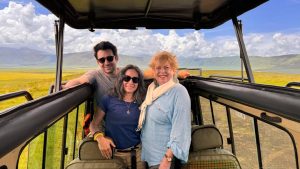
When planning a photography safari in Tanzania, selecting the right destinations is crucial to maximize photographic opportunities. Tanzania’s parks and conservation areas offer a wealth of landscapes, wildlife, and cultural experiences that appeal to travelers and photographers alike. Among the top destinations, Serengeti National Park stands out as a must-visit. Known worldwide for its vast plains and the Great Migration, the Serengeti provides unparalleled chances to photograph lions, cheetahs, elephants, and wildebeest in their natural habitat. The timing of your visit can greatly impact your photographic results, with early mornings and late afternoons offering soft, golden light that enhances the natural beauty of the landscapes and wildlife.
Another iconic location is the Ngorongoro Crater, often described as a photographer’s paradise. This UNESCO World Heritage Site offers a unique combination of dramatic landscapes and dense wildlife populations within a single caldera. Photographers can capture breathtaking aerial perspectives, panoramic vistas, and intimate close-ups of animals drinking at crater lakes. The Ngorongoro Conservation Area also allows visitors to engage with local Maasai communities, providing opportunities for cultural photography that complements wildlife images. A photography safari in Tanzania should always include Ngorongoro to ensure a diverse portfolio of shots.
For photographers seeking less crowded environments, Tarangire National Park and Lake Manyara National Park offer exceptional alternatives. Tarangire is famous for its large elephant herds and iconic baobab trees, creating striking compositions for both wildlife and landscape photography. Lake Manyara, with its tree-climbing lions and abundant birdlife, offers unique challenges that reward patient photographers with truly distinctive images. Each park’s ecological diversity ensures that every day brings new photographic opportunities, making the planning of a photography safari in Tanzania an exciting and dynamic process.
Selous Game Reserve, one of Africa’s largest protected areas, provides a different perspective with its riverine landscapes and remote wilderness. Here, photographers can capture elephants bathing in rivers, hippos lounging along the banks, and crocodiles in action. Selous offers a chance to photograph wildlife in a less commercialized, more natural setting, which is perfect for travelers seeking authenticity. Combining these destinations ensures that a photography safari in Tanzania covers diverse ecosystems, from savannas to wetlands, maximizing the potential for compelling images.
To make the most of these destinations, travelers should work with experienced safari guides and professional tour operators. Expert guidance ensures safety, access to optimal photographic locations, and insights into animal behavior. For authoritative guidance and permits, the Tanzania National Parks Authority is an essential resource, providing detailed information on park regulations, best times to visit, and photography rules. Ultimately, choosing the right destinations is a cornerstone of a successful photography safari in Tanzania, enabling travelers to capture both the grandeur and subtleties of East African wildlife and landscapes.
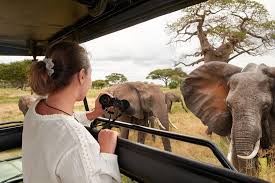
Wildlife photography is the heart of any photography safari in Tanzania, offering unparalleled opportunities to capture the raw beauty and behavior of animals in their natural environment. Tanzania’s parks and reserves host a staggering diversity of species, from the Big Five—lion, leopard, elephant, buffalo, and rhino—to rare and elusive animals like wild dogs and cheetahs. Mastering wildlife photography on safari requires knowledge of animal behavior, patience, and technical skills to capture moments that tell a story.
One of the most iconic experiences for photographers is observing predators in action. The Serengeti, during the Great Migration, provides extraordinary scenes of lions hunting wildebeest or cheetahs sprinting across open plains. These dynamic moments demand fast shutter speeds, accurate focus, and the ability to anticipate movement. A photography safari in Tanzania offers repeated chances to refine these skills in diverse settings, from dense thickets to open grasslands, each requiring unique approaches to composition, exposure, and framing.
Bird photography is another rewarding aspect of a Tanzanian safari. Parks like Lake Manyara and the northern wetlands are home to flamingos, pelicans, and other migratory species. Capturing birds in flight, at nesting sites, or interacting with their environment challenges photographers to balance speed and precision. For those interested in macro photography, Tanzania’s flora and smaller wildlife—reptiles, insects, and amphibians—offer equally compelling subjects, demonstrating that a photography safari in Tanzania extends beyond the Big Five to an intricate web of life waiting to be documented.
Ethical considerations are crucial for wildlife photography. Respecting animal space, avoiding disturbance, and following park regulations are non-negotiable principles. Working with local guides not only ensures safety but also increases the likelihood of encountering rare species in their natural habitats. High-quality wildlife images often result from hours of observation, patience, and understanding animal behavior patterns, which a photography safari in Tanzania provides in abundance.
To enhance your experience, photographers should invest in versatile equipment, including telephoto lenses, drones (where permitted), and stabilizing gear. Learning to use natural light creatively and adjusting camera settings for motion or low-light scenarios ensures professional-quality results. Authoritative resources, such as the National Geographic Travel guide to African wildlife, offer additional tips and case studies to inspire and educate travelers. With careful preparation and a keen eye, wildlife photography on a photography safari in Tanzania becomes an unforgettable journey that combines adventure, artistry, and conservation awareness.
https://www.tanzaniatourism.go.tz/
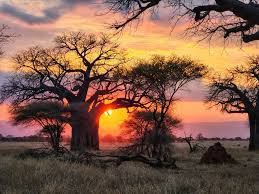
While wildlife photography draws much of the attention, landscape photography on a photography safari in Tanzania is equally captivating. Tanzania’s varied topography—ranging from rolling savannas and volcanic highlands to expansive lakes and river systems—offers photographers an almost endless canvas for creativity. Capturing landscapes during golden hours, when light transforms ordinary vistas into scenes of extraordinary beauty, is a hallmark of a professional photography safari in Tanzania.
The Serengeti plains are iconic for wide-angle shots that convey scale and movement, particularly during sunrise and sunset. Photographers can experiment with silhouettes of acacia trees against a vibrant sky or frame herds of wildebeest as they traverse open landscapes. Mount Kilimanjaro, Africa’s tallest peak, offers dramatic backdrops, where snow-capped summits contrast with arid lowlands and Maasai villages, creating dynamic compositions rich in depth and texture.
Photographing landscapes also involves storytelling. Tanzania’s geographical diversity—from the crater lakes of Ngorongoro to the riverine forests of Selous—allows photographers to capture scenes that tell a narrative of natural beauty, ecological diversity, and human interaction with the environment. Techniques like panoramic stitching, long exposure photography for waterfalls, or HDR for capturing intricate light variations enhance the final image quality. A photography safari in Tanzania challenges photographers to balance technical skill with creative vision, producing images that resonate both aesthetically and emotionally.
Seasonality further influences landscape photography. The wet season transforms the scenery, filling rivers, creating lush vegetation, and intensifying the vibrancy of the sky. In contrast, the dry season offers clear skies, golden light, and open landscapes that highlight wildlife and terrain features. For travelers, understanding these nuances is key to planning the timing of their photography safari in Tanzania, ensuring they capture landscapes at their most photogenic.
For additional guidance and inspiration, authoritative photography resources such as Lonely Planet provide practical tips on navigating terrain, choosing vantage points, and blending cultural elements into landscape compositions. By combining technical skill, preparation, and creativity, landscape photography on a photography safari in Tanzania becomes a deeply rewarding experience, capturing not just the visual splendor of Africa, but also the emotion and story embedded in its land.
Planning a successful photography safari in Tanzania requires careful consideration of logistics, timing, and objectives. Unlike standard tours, photography safaris are designed around maximizing opportunities for capturing high-quality images, which demands strategic planning and collaboration with experienced operators. The first step is selecting the season and regions to visit. The dry season, between June and October, is ideal for wildlife spotting, while the wet season enhances landscape vibrancy and offers unique photographic angles. Aligning your itinerary with seasonal wildlife patterns ensures that each day is filled with rewarding photography moments.
Travelers should choose accommodations that provide easy access to photographic hotspots, often including lodges or mobile camps within or near park boundaries. Early morning game drives and late afternoon excursions are standard, providing optimal lighting and animal activity for photography. It is essential to allocate sufficient time at each location, avoiding rushed schedules that compromise photographic opportunities. A photography safari in Tanzania is about quality over quantity, prioritizing immersive experiences that allow photographers to anticipate, observe, and capture fleeting moments in nature.
Equipment preparation is equally important. Photographers should bring versatile lenses, backup batteries, high-capacity memory cards, and weather-resistant gear. Understanding camera settings for various conditions—low light, fast motion, and high-contrast landscapes—ensures professional-quality results. Additionally, safety precautions, including vaccinations, travel insurance, and knowledge of local regulations, are critical for a seamless and enjoyable safari experience. The Tanzania Tourism Board offers comprehensive resources for permits, park rules, and essential travel tips to support both beginners and seasoned photographers.
Collaborating with experienced guides enhances both safety and photographic success. Guides have intimate knowledge of animal behavior, park geography, and local cultures, allowing travelers to access unique photo opportunities. Ethical considerations, such as maintaining a safe distance from wildlife and respecting protected areas, are paramount to ensure that photography activities do not disrupt natural habitats. Planning, preparation, and mindfulness combine to create a photography safari in Tanzania that is both rewarding and sustainable.
Finally, a successful photography safari in Tanzania requires balancing technical photography goals with the joy of exploration and adventure. The richness of wildlife, landscapes, and cultural experiences makes Tanzania a premier destination for photographers and travelers seeking unforgettable memories. By carefully planning logistics, equipment, and itineraries, travelers can ensure that every moment captured reflects the essence of this extraordinary country.