

Discover the top mistakes climbers make on Mount Kilimanjaro, including altitude errors, poor preparation, packing mistakes, and trekking advice from Nativesons Expeditions.
Why Many Climbers Fail on Kilimanjaro
Every year, thousands of travelers visit Tanzania to climb Mount Kilimanjaro, but many underestimate the mountain and make avoidable errors that reduce summit success. Understanding the Top mistakes climbers make on Mount Kilimanjaro is essential for anyone planning a safe and successful expedition.
Kilimanjaro is not a technical mountain, meaning climbers do not need ropes or advanced mountaineering skills. However, altitude, weather changes, physical exhaustion, poor preparation, and mental fatigue create serious challenges. Many trekkers fail not because they are weak, but because they make common mistakes before or during the climb.
With expert support from Nativesons Expeditions, climbers receive professional guidance that helps reduce these risks and improve their overall mountain experience. This article explores the Top mistakes climbers make on Mount Kilimanjaro, including acclimatization problems, training failures, packing errors, hydration mistakes, route selection issues, and safety misunderstandings.
Why Understanding Common Mistakes Matters
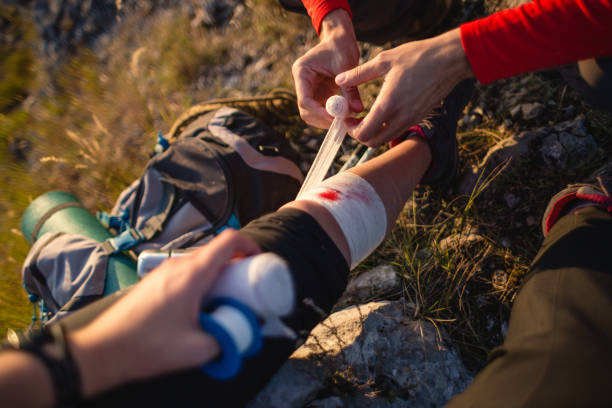
Many first-time trekkers believe Kilimanjaro is simply a long hike. However, the reality is very different.
The Top mistakes climbers make on Mount Kilimanjaro often involve:
- underestimating altitude
- choosing poor routes
- ignoring hydration
- packing incorrect gear
- climbing too fast
Learning from these mistakes greatly improves summit success and safety.
Mistake 1: Underestimating Altitude
One of the biggest entries in the Top mistakes climbers make on Mount Kilimanjaro is ignoring altitude adaptation.
Why Altitude Is Dangerous
As climbers ascend:
- oxygen levels decrease
- breathing becomes harder
- energy levels drop
Even strong athletes experience altitude effects.
Common Altitude Symptoms
- headaches
- nausea
- dizziness
- fatigue
Ignoring symptoms increases danger significantly.
Mistake 2: Choosing Very Short Routes
Many trekkers choose shorter routes to save time or money.
However, this is one of the most serious items in the Top mistakes climbers make on Mount Kilimanjaro.
Why Short Routes Are Risky
Short itineraries:
- reduce acclimatization time
- increase altitude stress
- lower summit success rates
Longer routes provide safer altitude adaptation.
Mistake 3: Poor Physical Preparation
Many climbers assume normal fitness is enough.
While Kilimanjaro does not require technical climbing, trekkers still face:
- long hiking days
- steep sections
- freezing summit temperatures
Training improves endurance and recovery.
Mistake 4: Walking Too Fast
On Kilimanjaro, guides often repeat:
“Pole Pole” (slowly slowly)
Walking too quickly is one of the classic Top mistakes climbers make on Mount Kilimanjaro.
Why Slow Pace Matters
Slow trekking:
- conserves energy
- improves acclimatization
- reduces oxygen stress
Fast pace increases exhaustion and sickness risk.
Mistake 5: Inadequate Hydration
Hydration strongly affects altitude adaptation.
Why Water Matters
Proper hydration:
- improves oxygen circulation
- reduces headaches
- supports recovery
Recommended Intake
3–5 liters daily during the climb.
Mistake 6: Bringing Poor Equipment
Packing mistakes are common among first-time climbers.
Common Gear Problems
- weak hiking boots
- poor waterproof clothing
- inadequate cold-weather layers
- low-quality sleeping bags
Improper gear increases weather-related risks.
Role of Nativesons Expeditions

A major solution to the Top mistakes climbers make on Mount Kilimanjaro is choosing a professional trekking company.
Nativesons Expeditions helps climbers by providing:
- acclimatization-focused itineraries
- professional guides
- daily health monitoring
- packing guidance
- emergency support systems
This greatly improves safety and summit performance.
Importance of Mental Preparation
Many climbers prepare physically but ignore mental challenges.
Kilimanjaro requires:
- patience
- emotional control
- determination during summit night
Mental preparation improves overall trekking performance.
Weather Misunderstandings
Another common issue in the Top mistakes climbers make on Mount Kilimanjaro is misunderstanding mountain weather.
Kilimanjaro includes:
- rainforest climate
- alpine desert
- freezing summit conditions
Weather changes quickly across elevations.
External Authority Reference
For general mountain safety and altitude education, climbers can review resources from International Climbing and Mountaineering Federation regarding high-altitude trekking safety.
Common Misconceptions About Kilimanjaro
Misconception 1
“Kilimanjaro is easy.”
Reality:
Altitude makes it physically demanding.
Misconception 2
“Fitness alone guarantees success.”
Reality:
Acclimatization matters more.
Misconception 3
“Cheaper operators are equally safe.”
Reality:
Professional safety systems matter greatly.
Quick Summary
- Altitude mistakes are the biggest cause of failure
- Short routes reduce acclimatization quality
- Slow pace improves summit success
- Proper gear and hydration are essential
- Nativesons Expeditions helps climbers avoid common errors
Why Most Kilimanjaro Failures Are Preventable

One of the most important realities about climbing Mount Kilimanjaro is that most summit failures happen because of avoidable decisions. Understanding the Top mistakes climbers make on Mount Kilimanjaro helps trekkers prepare properly and avoid the problems that commonly stop climbers before reaching Uhuru Peak.
Located in Tanzania, Kilimanjaro is considered one of the most accessible high-altitude mountains in the world. However, altitude, poor route choices, weak acclimatization strategies, and hydration failures create major challenges. Many climbers underestimate these factors and focus only on physical fitness.
With expert guidance from Nativesons Expeditions, climbers receive structured altitude management, route planning, health monitoring, and trekking support designed to reduce risks and improve summit success. This section provides a deep explanation of altitude mistakes, acclimatization failures, health management errors, and route selection problems connected to the Top mistakes climbers make on Mount Kilimanjaro.
Mistake 1: Ignoring Acclimatization
The biggest issue in the Top mistakes climbers make on Mount Kilimanjaro is poor acclimatization.
What Is Acclimatization?
Acclimatization is the body’s process of adapting to lower oxygen levels at high altitude.
As climbers ascend:
- oxygen becomes thinner
- breathing becomes harder
- energy production decreases
The body needs time to adjust.
Why Poor Acclimatization Is Dangerous
Without proper adaptation:
- headaches increase
- nausea develops
- fatigue becomes severe
- summit success decreases
In extreme cases, severe altitude sickness becomes dangerous.
How Climbers Make This Mistake
Many trekkers:
- choose short routes
- climb too quickly
- ignore early symptoms
- underestimate altitude pressure
This dramatically increases risk.
Mistake 2: Choosing the Wrong Route
Route selection strongly affects safety and summit success.
The Top mistakes climbers make on Mount Kilimanjaro often begin before the climb even starts.
Why Routes Matter
Different routes provide different:
- acclimatization profiles
- daily elevation gains
- weather exposure
- trekking durations
Short Routes Increase Risk
Shorter itineraries:
- reduce body adaptation time
- increase altitude stress
- lower summit success rates
This is why professional operators recommend longer climbs.
Route Comparison Table
| Route | Acclimatization Quality | Difficulty | Summit Success |
|---|---|---|---|
| Marangu | Moderate | Moderate–High | Medium |
| Machame | Good | Moderate | High |
| Lemosho | Excellent | Moderate | Very High |
| Rongai | Good | Moderate | High |
| Northern Circuit | Excellent | Low–Moderate | Very High |
This comparison is essential when studying the Top mistakes climbers make on Mount Kilimanjaro.
Mistake 3: Walking Too Fast
One of the classic Top mistakes climbers make on Mount Kilimanjaro is hiking too aggressively during the early days.
Why Fast Pace Causes Problems
Walking quickly:
- increases heart rate
- raises oxygen demand
- accelerates fatigue
This makes acclimatization harder.
The “Pole Pole” Philosophy
On Kilimanjaro, guides repeat:
“Pole Pole” (slowly slowly)
Slow movement:
- improves oxygen efficiency
- conserves energy
- supports altitude adaptation
Professional pacing greatly improves success rates.
Mistake 4: Poor Hydration Management
Hydration is one of the most underestimated factors in mountain safety.
Why Hydration Matters
Water supports:
- blood circulation
- oxygen transport
- temperature regulation
Common Hydration Mistakes
Many climbers:
- drink too little water
- avoid hydration in cold weather
- confuse dehydration with fatigue
This worsens altitude symptoms significantly.
Recommended Hydration Strategy
According to Nativesons Expeditions:
- climbers should drink 3–5 liters daily
- hydration should begin before thirst appears
- electrolytes can improve recovery
Mistake 5: Ignoring Early Altitude Symptoms
Some climbers hide symptoms because they fear being stopped from summiting.
This is one of the most dangerous entries in the Top mistakes climbers make on Mount Kilimanjaro.
Symptoms That Should Never Be Ignored
- severe headache
- vomiting
- dizziness
- confusion
- chest pressure
Early reporting improves safety.
How Professional Guides Reduce Risks
Professional mountain guides are critical on Kilimanjaro.
Nativesons Expeditions provides:
- oxygen monitoring
- pulse checks
- emergency response systems
- experienced altitude guides
These systems improve climber safety significantly.
Mistake 6: Poor Nutrition During the Climb
At high altitude, appetite decreases naturally.
Why This Is Dangerous
Without enough calories:
- energy drops rapidly
- recovery becomes slower
- body struggles with altitude adaptation
Best Foods for High Altitude
- soups
- carbohydrates
- fruits
- warm meals
These foods support climbing performance.
Mistake 7: Underestimating Summit Night
Summit night is the hardest stage of the climb.
Why Summit Night Is Difficult
- freezing temperatures
- darkness
- low oxygen
- exhaustion
Many climbers mentally collapse during this stage.
How Preparation Helps
Good preparation includes:
- proper layering
- mental readiness
- controlled pacing
- hydration before departure
This reduces summit stress significantly.
Mental Mistakes Climbers Make
The Top mistakes climbers make on Mount Kilimanjaro are not only physical.
Common Psychological Errors
- comparing pace with others
- becoming discouraged early
- focusing only on the summit
Successful climbers focus on steady daily progress.
Expert Insight from Nativesons Expeditions
According to Nativesons Expeditions, climbers improve success rates most when they:
- choose longer routes
- communicate symptoms honestly
- prioritize acclimatization
- maintain hydration
- trust guide pacing strategies
Their safety-first approach reduces common mountain mistakes.
External Authority Reference
For additional altitude illness education, travelers can review health resources from Centers for Disease Control and Prevention regarding altitude sickness prevention and mountain safety.
Quick Summary
- Poor acclimatization is the biggest climbing mistake
- Short routes increase altitude risks
- Fast walking reduces summit success
- Hydration and nutrition strongly affect performance
- Professional guides improve mountain safety significantly
