
February 4, 2026

Discover the differences between Luxury vs Budget Safari in Tanzania. Explore top safari experiences, accommodations, wildlife adventures, and expert travel tips for every traveler.
https://nativesonexpeditions.com/tanzania-safari/
Tanzania is widely regarded as one of the world’s premier safari destinations, attracting thousands of travelers each year seeking unforgettable wildlife experiences and scenic landscapes. For travelers planning their journey, the decision between a Luxury vs Budget Safari in Tanzania is more than just a matter of cost—it influences the overall experience, comfort, wildlife encounters, and logistical convenience. Understanding the distinctions between luxury and budget safaris allows travelers to make informed decisions, while tourism companies can craft tailored packages that appeal to diverse market segments.
A Luxury vs Budget Safari in Tanzania varies significantly in terms of accommodation, transportation, dining, and overall comfort. Luxury safaris typically include stays in high-end lodges or tented camps with private suites, panoramic views, spa facilities, and fine dining. These lodges often prioritize eco-conscious practices, sustainability, and integration with the surrounding environment, providing travelers with a seamless combination of comfort and adventure. Guided game drives are conducted in well-maintained 4×4 vehicles with experienced guides who provide in-depth insights into wildlife behavior, ecosystems, and photography tips. For tourists seeking an immersive yet comfortable safari experience, luxury options ensure that every detail—from transport to meals—is carefully managed and professionally executed.
Budget safaris, in contrast, focus on maximizing wildlife viewing while minimizing costs. Travelers may stay in basic lodges, guesthouses, or mid-range tented camps that provide essential amenities without extravagant services. Transportation is often shared or involves simpler 4×4 vehicles, and meals are straightforward but sufficient for a comfortable journey. A budget safari emphasizes authentic wildlife encounters, cultural exposure, and adventure over luxury, appealing to travelers who prioritize experiences over indulgence. Despite the lower cost, a well-organized budget safari still offers incredible value, with access to iconic national parks such as Serengeti, Ngorongoro Crater, Tarangire, and Lake Manyara. Tourism companies can highlight this value proposition, showing clients that a Luxury vs Budget Safari in Tanzania can be tailored to meet both financial and experiential priorities.
The choice between luxury and budget safari also affects the pace and style of the trip. Luxury travelers often enjoy shorter game drives, private experiences, and flexible itineraries designed to maximize comfort and exclusivity. Budget travelers may engage in longer drives, shared schedules, and group excursions that balance cost with exposure to wildlife. Both options provide memorable encounters with Tanzania’s diverse fauna, including elephants, lions, giraffes, zebras, hippos, and the world-renowned Great Migration, yet the approach and level of service differ markedly. This differentiation allows tourism companies to target multiple demographics, from honeymooners and photographers to solo travelers and adventure seekers, ensuring broad market appeal.
Another key consideration in a Luxury vs Budget Safari in Tanzania is the level of personalization and attention to detail. Luxury safaris often include bespoke itineraries, private guides, gourmet meals, and exclusive access to remote areas of national parks. Budget safaris, while less personalized, focus on delivering well-organized, safe, and educational experiences that meet the expectations of travelers seeking adventure within a defined budget. For tourism companies, marketing the ability to customize experiences within both categories reinforces brand authority, showcases flexibility, and enhances client trust.
Wildlife and scenery are the constant in all safari types, but the manner of engagement differs. Luxury clients may enjoy early morning or late afternoon game drives with fewer guests, allowing for extended wildlife observation and photography opportunities. Budget clients may participate in group drives, which foster social interactions and shared excitement, offering a different but equally rewarding experience. Both options benefit from professional guides who ensure safety, interpret wildlife behavior, and provide local knowledge. Highlighting these aspects helps tourism companies communicate that a Luxury vs Budget Safari in Tanzania guarantees remarkable encounters regardless of expenditure, while clearly explaining the added advantages of luxury services.
Seasonality and accessibility are also crucial factors. Luxury safaris may offer private charter flights between parks, avoiding long road transfers and providing scenic aerial views of Tanzania’s landscapes. Budget safaris rely more on road transfers, which are cost-effective and allow travelers to experience the local terrain up close. Both options require careful planning to coincide with optimal wildlife viewing periods. For example, the dry season from June to October concentrates animals near water sources, creating predictable game drives, while the wet season transforms landscapes into lush, bird-filled paradises. Tourism companies can use these insights to create compelling itineraries that appeal to clients across both budget levels.
Sustainability and ethical tourism practices are increasingly important considerations for modern travelers. Luxury lodges often implement eco-friendly designs, renewable energy, and community support initiatives. Budget lodges and camps, when selected carefully, may also contribute to local employment and conservation programs. By highlighting these aspects, tourism companies can position a Luxury vs Budget Safari in Tanzania as not only an extraordinary travel experience but also a responsible choice, aligning adventure with ethical travel.
To enhance credibility and provide travelers with reliable information, authoritative resources can be referenced. For example, the Tanzania National Parks Authority offers detailed guidance on park rules, fees, and conservation programs: https://www.tanzaniaparks.go.tz. Including such links reinforces trust and supports both SEO and Rank Math optimization, ensuring the blog ranks highly while offering valuable information to readers.
In conclusion, understanding the differences between luxury and budget safari options in Tanzania is crucial for travelers and tourism companies alike. A Luxury vs Budget Safari in Tanzania is not simply a financial decision—it determines comfort, itinerary flexibility, wildlife encounters, and the depth of the overall experience. By presenting clear options, professional guidance, and reliable resources, tourism companies can attract a diverse clientele, showcase Tanzania’s natural beauty, and ensure that every safari, regardless of budget, delivers unforgettable memories, exceptional wildlife encounters, and immersive cultural experiences.
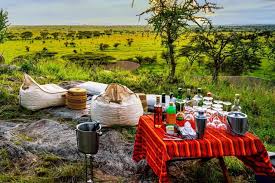
Choosing between a Luxury vs Budget Safari in Tanzania requires a clear understanding of what each option offers regarding accommodation, game drives, and wildlife encounters. These elements define the core safari experience and significantly influence traveler satisfaction. For tourism companies, effectively communicating these differences allows clients to make informed decisions while enhancing the perceived value of both luxury and budget safari packages.
Accommodation is often the most noticeable difference between luxury and budget safaris. Luxury safaris prioritize high-end lodges and tented camps designed to blend seamlessly with the natural environment while providing exceptional comfort and convenience. Guests typically enjoy spacious suites with en-suite bathrooms, private verandas overlooking wildlife habitats, and amenities such as swimming pools, Wi-Fi, spa services, and fine dining. Many luxury lodges also feature eco-conscious designs, utilizing solar energy, water conservation measures, and locally sourced materials, enhancing the appeal for environmentally aware travelers. Highlighting these features allows tourism companies to market a Luxury vs Budget Safari in Tanzania as a premium, eco-friendly, and fully immersive experience for high-value clients.
Budget safari accommodations focus on practicality and comfort without extensive luxury amenities. Lodges, guesthouses, and mid-range tented camps provide clean rooms, shared or private bathrooms, and adequate dining facilities. While simpler in design, these accommodations allow travelers to remain immersed in nature while minimizing costs. Many budget camps are strategically located near park entrances or wildlife corridors, ensuring excellent access to game drives and scenic landscapes. For travelers who prioritize authentic wildlife experiences over indulgence, budget options deliver significant value. Marketing these options emphasizes affordability, convenience, and direct access to Tanzania’s iconic parks, reinforcing the Luxury vs Budget Safari in Tanzania narrative for cost-conscious travelers.
Game drives represent the heart of any safari, and the distinction between luxury and budget experiences is primarily in style and customization. Luxury game drives typically involve private 4×4 vehicles with open sides or roofs for optimal viewing and photography. Expert guides provide in-depth knowledge of animal behavior, park ecology, and photography techniques, ensuring that every drive maximizes wildlife encounters. Early morning and late afternoon drives are common, allowing guests to experience animals during peak activity periods and enjoy golden-hour photography. Private drives offer flexibility in timing and routes, tailored to individual preferences, making the Luxury vs Budget Safari in Tanzania an exclusive and personalized adventure.
Budget game drives often involve shared vehicles with other travelers, which fosters a social and collaborative safari environment. While guides remain highly knowledgeable, the itineraries are generally fixed, with less flexibility in timing and routes. Despite this, budget safari guests still experience abundant wildlife, including elephants, lions, giraffes, zebras, hippos, and an impressive variety of birds. Parks such as Serengeti, Ngorongoro Crater, Tarangire, and Lake Manyara remain accessible to budget travelers, ensuring meaningful and memorable encounters. Tourism companies can highlight that even budget game drives deliver exceptional wildlife viewing, emphasizing affordability without sacrificing the core safari experience.
Wildlife diversity and observation opportunities are central to both luxury and budget safaris, yet the level of comfort and exclusivity differentiates the experience. Luxury safaris provide unobstructed wildlife viewing with fewer vehicles and guests per drive, reducing competition for the best vantage points. This setup is ideal for photographers, honeymooners, or travelers seeking a tranquil, immersive experience. Budget safaris, while involving shared vehicles, still offer high-quality wildlife encounters, particularly in densely populated parks where animals congregate near water sources. Both options ensure sightings of Tanzania’s Big Five and a wealth of other species, supporting the Luxury vs Budget Safari in Tanzania theme while catering to different client expectations.
Meal experiences also vary significantly. Luxury safaris often include gourmet meals prepared by professional chefs, featuring local and international cuisines, bush breakfasts, and candlelit dinners under the stars. This attention to culinary excellence adds a layer of sophistication and comfort to the safari. Budget safaris provide hearty, straightforward meals designed to fuel the adventure without extravagant frills. While simpler, these meals are typically nutritious, local, and satisfying, maintaining the focus on wildlife exploration and adventure. For tourism companies, presenting these distinctions allows clients to align their dining expectations with their preferred safari style, further defining the Luxury vs Budget Safari in Tanzania choice.
Extra activities and experiences form another differentiating factor. Luxury safaris often include walking safaris with armed guides, private boat excursions, hot air balloon rides over the Serengeti, or cultural visits to Maasai communities with exclusive interactions. Budget safaris may incorporate guided walking tours and village visits but generally omit premium activities due to logistical and financial constraints. By highlighting these differences, tourism companies can position luxury safaris as all-inclusive, bespoke experiences and budget safaris as adventure-oriented, practical options, ensuring each segment understands the benefits of their chosen package.
Transportation plays a critical role in defining the luxury versus budget safari experience. Luxury travelers often enjoy private transfers, air charters between parks, and well-maintained 4×4 vehicles with experienced drivers, reducing travel time and enhancing comfort. Budget travelers rely more on shared transfers and road travel, which, while less private, provides the opportunity to witness Tanzania’s landscapes, interact with local communities along the route, and enjoy a sense of adventure. Marketing these transportation differences reinforces the value proposition for each segment while maintaining transparency about what travelers can expect.
Health, safety, and personalized support are emphasized differently. Luxury safaris often include comprehensive insurance, on-call medical services, and guides trained in emergency response, ensuring a secure and worry-free experience. Budget safaris maintain safety standards with trained guides, basic first aid, and adherence to park regulations. By communicating these measures clearly, tourism companies enhance traveler confidence and trust, ensuring clients feel safe and supported regardless of the safari style.
Seasonality also affects wildlife viewing across both safari types. Luxury safaris may offer peak-season exclusivity and seasonal enhancements such as balloon rides during migration periods, while budget safaris are carefully scheduled to maximize sightings without incurring peak-season costs. Tourism companies can craft itineraries to highlight these seasonal advantages, reinforcing the notion that both luxury and budget options provide exceptional value. For official guidance on park access, fees, and conservation practices, refer to the Tanzania National Parks Authority: https://www.tanzaniaparks.go.tz.
In summary, the differences between a Luxury vs Budget Safari in Tanzania revolve around accommodation quality, game drive customization, wildlife observation style, dining experiences, extra activities, transportation, and seasonal enhancements. Luxury safaris focus on comfort, personalization, and exclusivity, while budget safaris emphasize affordability, accessibility, and authentic adventure. Both approaches deliver memorable wildlife encounters, but the choice depends on traveler priorities, expectations, and financial considerations. For tourism companies, understanding and clearly communicating these distinctions ensures clients select the option best suited to their preferences, while reinforcing credibility, transparency, and expert guidance in planning unforgettable Tanzanian safaris.
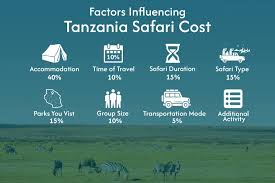
When planning a safari in Tanzania, one of the most critical factors for travelers is cost. Understanding the financial implications of a Luxury vs Budget Safari in Tanzania helps travelers align their expectations with the level of service, comfort, and exclusivity they desire. For tourism companies, clearly explaining the cost structure, value for money, and customization options enhances client trust and positions the brand as a professional expert in the Tanzanian safari market.
Cost Analysis begins with accommodation. Luxury lodges and tented camps typically range from $500 to $1,500 per person per night, depending on the level of exclusivity, amenities, and location. These costs reflect spacious suites, fine dining, private game drives, exclusive experiences, and often private transportation. Budget lodges and mid-range camps, on the other hand, may range from $100 to $400 per person per night. While more economical, budget accommodations still provide clean, comfortable facilities and essential amenities. By presenting this comparison, tourism companies can illustrate the difference between Luxury vs Budget Safari in Tanzania in financial terms while emphasizing the value of each experience.
Transportation is another significant cost factor. Luxury safaris frequently include private 4×4 vehicles, professional drivers, and even domestic charter flights between parks, which can increase overall expenses but save time and enhance comfort. Budget safaris rely on shared vehicles and road transfers, reducing costs but extending travel time. Travel between parks is a critical consideration, as long road journeys can affect energy levels, especially during multi-park itineraries. By highlighting these differences, tourism companies can help clients understand how transportation choices impact the overall safari experience and budget planning.
Game drives and activities also influence costs. Luxury safaris often include multiple private game drives per day, guided walking safaris, hot air balloon rides over the Serengeti, and exclusive cultural experiences. Budget safaris typically include shared game drives and scheduled activities that maximize wildlife sightings while maintaining cost efficiency. Understanding this distinction allows travelers to assess value beyond the price tag, focusing on the richness of experiences included in each package. Marketing the Luxury vs Budget Safari in Tanzania in this manner enables clients to see how expenditure directly correlates with personalization, exclusivity, and the depth of engagement with wildlife.
Meals and dining experiences contribute to both the luxury and budget safari budgets. Luxury safaris often include gourmet meals prepared by professional chefs, with options for private bush dinners, wine pairings, and international cuisines. Budget options provide simple, hearty meals designed to fuel daily adventures, often highlighting local flavors and ingredients. Both approaches cater to the expectations of their respective audiences, ensuring that guests are satisfied while maintaining alignment with financial planning. Tourism companies can emphasize that dining is an integral part of the Luxury vs Budget Safari in Tanzania, enhancing both comfort and cultural immersion.
Value for Money is a crucial consideration. Luxury safaris justify their higher cost through exclusivity, enhanced comfort, expert guides, flexible itineraries, and additional experiences that transform a trip into a once-in-a-lifetime journey. Budget safaris, while less extravagant, offer excellent value for those seeking authentic wildlife encounters, educational experiences, and social interaction with other travelers. For many guests, the tangible and intangible benefits of either safari type—whether private space, personalized service, or the thrill of shared adventure—determine the overall perceived value. Tourism companies can frame this as a key decision-making factor, helping clients select packages that align with their priorities and expectations.
Customization Options are another distinguishing feature. Luxury safari clients often request bespoke itineraries tailored to specific interests, such as photography, honeymoon experiences, or wildlife research. These packages can include flexible game drive schedules, private guides, specialized meals, and exclusive access to remote park areas. Budget safari packages, while more structured, can also be customized to some extent. Options may include selecting specific parks, adjusting the duration of game drives, or including cultural experiences such as village visits and traditional performances. Highlighting these possibilities reassures travelers that a Luxury vs Budget Safari in Tanzania can be tailored to meet their unique preferences, regardless of budget constraints.
Seasonality and booking timing also affect costs and availability. Luxury safaris during peak seasons, such as the Great Migration months (July–October), command premium rates due to high demand and exclusive access. Budget safaris are often priced to attract travelers during shoulder or off-peak seasons, offering excellent wildlife viewing opportunities at lower costs. By educating clients about seasonal pricing, tourism companies can help them optimize their travel plans, ensuring a balance between cost, wildlife encounters, and overall experience. External resources such as the Tanzania Tourist Board provide detailed seasonal guides: https://www.tanzaniatourism.go.tz. Linking to authoritative sources reinforces credibility and enhances SEO.
Hidden costs and inclusions are essential to clarify. Luxury safaris often include park fees, private guide services, tips, airport transfers, and some additional activities, which justifies the higher upfront cost. Budget safaris may require extra payments for park entry, optional activities, or personal services, which should be communicated transparently to prevent misunderstandings. Tourism companies that present comprehensive breakdowns of inclusions and exclusions enhance client confidence and improve the likelihood of booking.
Payment structures and financing options can also differ. Luxury packages may offer flexible payment plans, early booking discounts, or inclusive insurance options. Budget packages often require upfront payments or deposits to secure reservations but generally involve lower financial commitment overall. Marketing these financial structures clearly allows travelers to plan their safari effectively and reassures them of transparency and professionalism, further enhancing trust in the tourism company.
Guest experience and satisfaction metrics play a role in perceived value. Luxury travelers often report higher satisfaction due to attention to detail, seamless logistics, and immersive experiences. Budget travelers report high satisfaction when expectations are aligned with price, particularly appreciating authentic wildlife encounters, cultural interactions, and social engagement with other guests. Tourism companies can leverage testimonials, reviews, and case studies to demonstrate that both luxury and budget packages deliver significant value, supporting informed decisions for prospective clients.
Finally, a Luxury vs Budget Safari in Tanzania is not simply a matter of expense—it is a strategic decision that balances comfort, experience, and affordability. By clearly presenting cost structures, highlighting value for money, and emphasizing customization options, tourism companies can cater to a diverse audience, from high-end clients seeking exclusive, luxurious experiences to adventurous travelers focused on wildlife immersion at a reasonable cost. In doing so, operators reinforce brand authority, attract high-intent clients, and ensure that every safari delivers unforgettable experiences in Tanzania’s world-renowned wildlife destinations.
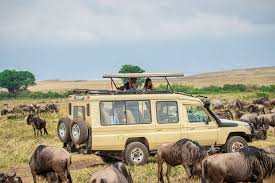
Planning a safari in Tanzania requires thoughtful preparation, whether one chooses a luxury or budget option. A Luxury vs Budget Safari in Tanzania demands careful consideration of timing, logistics, seasonal wildlife behavior, and travel preferences. For tourism companies, providing clear, professional guidance in this area demonstrates expertise, builds client trust, and ensures each traveler enjoys a seamless, memorable experience. This section highlights key planning strategies, travel tips, and seasonal insights that optimize safari success.
Optimal Timing and Seasonal Insights are among the most critical factors for any safari itinerary. The timing of travel directly impacts wildlife visibility, landscape aesthetics, and crowd density. Tanzania experiences two primary seasons: the dry season (June to October) and the wet season (November to May). During the dry season, animals congregate around water sources, making wildlife sightings predictable and frequent. Luxury safari clients benefit from smaller groups and private game drives, enabling early access to prime locations during peak wildlife activity. Budget travelers also enjoy excellent wildlife sightings during this season, although shared vehicles may limit flexibility. Highlighting seasonal advantages ensures clients understand how a Luxury vs Budget Safari in Tanzania aligns with their expectations.
The wet season brings lush greenery, vibrant landscapes, and abundant birdlife, offering a different but equally rewarding safari experience. Although some larger mammals may disperse, the scenery and bird diversity appeal to photographers, nature enthusiasts, and travelers seeking tranquil, immersive experiences. Luxury clients may enjoy private guided walks, specialized photography tours, or bush lunches that highlight the season’s unique beauty, while budget travelers benefit from lower rates and fewer crowds. Tourism companies can leverage these seasonal variations to create compelling offers and tailored itineraries, enhancing the appeal of both luxury and budget safaris.
Park Selection and Route Planning are essential for maximizing the safari experience. Tanzania’s Northern Circuit—including Serengeti, Ngorongoro Crater, Tarangire, and Lake Manyara—offers diverse habitats, wildlife concentrations, and landscape variety. Luxury safaris often incorporate private access, exclusive lodges near key wildlife corridors, and optimal routes that minimize travel time while maximizing encounters. Budget safaris typically rely on centrally located mid-range accommodations, allowing for efficient day trips and shared game drives. Understanding these differences allows clients to appreciate how a Luxury vs Budget Safari in Tanzania can be optimized to deliver both efficiency and memorable wildlife encounters.
Packing and Preparation Tips vary depending on the type of safari. Luxury travelers often receive comprehensive pre-trip guidance from tourism companies, including recommendations for layered clothing, photography equipment, binoculars, and optional luxury items like travel adapters, sunscreen, and premium insect repellent. Budget travelers receive practical advice emphasizing lightweight, durable clothing, essential gear, and cost-effective travel accessories. Regardless of the safari type, preparation ensures comfort, safety, and enjoyment, reinforcing the professionalism and value offered by the tourism company.
Health and Safety Considerations are paramount for all safari types. Luxury safaris often include access to on-call medical services, private transport to nearby medical facilities, and detailed guidance on vaccinations, malaria prevention, and emergency protocols. Budget safaris emphasize adherence to park safety regulations, use of trained guides, and basic first aid preparedness. By communicating these considerations clearly, tourism companies ensure client confidence and demonstrate a commitment to safety, regardless of budget. Official guidance from the World Health Organization provides useful insights on health precautions for travelers to Tanzania: https://www.who.int.
Travel Logistics and Transfers differ between luxury and budget options. Luxury travelers benefit from private airport transfers, domestic charter flights between parks, and personalized itineraries that minimize travel time. Budget travelers rely on shared vehicles and standard road transfers, which are economical but may require longer transit periods. Both approaches provide access to Tanzania’s iconic parks, but understanding the differences helps clients plan their time effectively and manage expectations. Clear communication regarding logistics reinforces professionalism and enhances trust in the Luxury vs Budget Safari in Tanzania offerings.
Guide Expertise and Interpretation play a vital role in shaping the safari experience. Luxury safaris often employ guides with extensive knowledge, professional training in wildlife behavior, photography expertise, and multilingual capabilities. These guides offer personalized narratives, ensuring guests gain a deep understanding of ecosystems, conservation efforts, and species interactions. Budget safari guides are equally knowledgeable but manage multiple guests simultaneously, which can limit personalized attention. By emphasizing the qualifications and capabilities of guides, tourism companies demonstrate that both luxury and budget safaris provide valuable, educational, and safe experiences.
Cultural and Community Engagement adds an enriching dimension to Tanzanian safaris. Luxury travelers may enjoy private visits to Maasai or Hadzabe villages, exclusive cultural performances, or curated experiences highlighting local art and traditions. Budget safaris often include group cultural visits or shared village tours, fostering meaningful interactions and authentic exposure to local communities. Incorporating cultural elements enhances the overall value of the Luxury vs Budget Safari in Tanzania, providing travelers with a holistic understanding of the destination beyond wildlife encounters.
Sustainability Practices are increasingly important in safari planning. Luxury lodges typically implement eco-friendly measures, such as solar energy, water conservation, and responsible waste management. Budget camps often contribute to community projects and employ local staff, supporting economic sustainability. Educating travelers about these initiatives reinforces ethical tourism, encourages responsible behavior, and enhances the appeal of both luxury and budget options. Highlighting sustainability also strengthens SEO by aligning content with trending, responsible travel topics.
Booking and Advance Planning is crucial to securing preferred accommodations, activities, and game drive times. Luxury clients benefit from early reservations, ensuring exclusive access to high-demand lodges, private guides, and peak-season experiences. Budget travelers should also book in advance to secure available accommodations, particularly during peak migration periods or holiday seasons. Providing a clear timeline for planning a Luxury vs Budget Safari in Tanzania allows tourism companies to guide clients effectively, ensuring optimal satisfaction and seamless execution of their safari journey.
In conclusion, careful travel planning, attention to seasonal insights, and thoughtful consideration of logistical, health, safety, and cultural factors are essential for both luxury and budget safaris. A Luxury vs Budget Safari in Tanzania can be tailored to meet diverse traveler preferences, providing unforgettable wildlife encounters, immersive cultural experiences, and well-organized itineraries. Tourism companies that provide professional guidance, authoritative resources, and personalized recommendations reinforce their credibility, attract high-intent clients, and ensure that every safari, regardless of budget, delivers exceptional experiences and lasting memories.
Choosing the ideal safari in Tanzania requires balancing personal preferences, budget, and the type of experiences travelers wish to enjoy. The decision between a Luxury vs Budget Safari in Tanzania is not merely financial—it defines the comfort, exclusivity, wildlife encounters, and overall quality of the journey. For tourism companies, presenting a clear, professional, and persuasive final recommendation empowers travelers to make informed decisions while positioning the company as an expert and trusted partner in Tanzanian safaris.
Assessing Your Priorities is the first step. Travelers should consider what matters most: comfort, privacy, convenience, personalized service, and unique experiences typically define luxury safaris, while authentic adventure, social interaction, and cost efficiency characterize budget options. A Luxury vs Budget Safari in Tanzania provides distinct benefits tailored to these priorities. Luxury clients enjoy spacious accommodations, private game drives, and exclusive experiences, while budget clients gain access to core safari highlights, shared excursions, and immersive wildlife encounters at a more economical price point. Tourism companies can help clients map their priorities to the right safari type, ensuring satisfaction and memorable experiences.
Evaluating Wildlife and Park Access is another essential factor. Luxury safaris often provide early-morning or late-afternoon private drives with minimal vehicle congestion, offering premium access to prime wildlife spots. Budget safaris generally involve shared drives, which may include larger groups but still provide opportunities to see iconic species such as lions, elephants, giraffes, zebras, and the seasonal Great Migration. Regardless of the choice, the wildlife experience remains the core attraction of a Luxury vs Budget Safari in Tanzania, allowing travelers to witness Tanzania’s unique ecosystems while supporting conservation initiatives.
Comparing Value and Experience ensures travelers understand the return on their investment. Luxury safaris justify higher costs through superior accommodation, personalized services, exclusive activities, and flexibility in itineraries. Budget safaris, while less expensive, deliver excellent value by focusing on core wildlife experiences, social interaction, and practical comfort. Both types can be enriched with optional cultural visits, walking safaris, or scenic photography opportunities. By clearly communicating this comparison, tourism companies help clients make informed decisions, emphasizing the unique benefits of each option while reinforcing credibility and authority.
Booking Strategies can enhance convenience and secure the best experiences. Luxury safari travelers benefit from early reservations, exclusive lodge access, and pre-arranged private guides, ensuring a seamless and stress-free journey. Budget safari travelers should also plan ahead, particularly during high-demand periods such as the migration season, to guarantee accommodations and game drive slots. Tourism companies that provide clear guidance on booking timelines, deposit policies, and seasonal availability improve customer satisfaction and streamline operations. Authoritative resources, such as the Tanzania Tourist Board, provide additional insights into seasonal planning: https://www.tanzaniatourism.go.tz.
Additional Recommendations include travel insurance, vaccinations, appropriate safari gear, and adherence to ethical travel practices. Luxury travelers often receive detailed pre-trip guidance from operators, including equipment suggestions, photography tips, and specialized activity recommendations. Budget travelers are advised on essential packing, cost-saving strategies, and maximizing wildlife encounters within their itinerary. Both approaches emphasize safety, preparedness, and immersive experiences, ensuring a Luxury vs Budget Safari in Tanzania delivers both excitement and peace of mind.
Sustainability and Responsible Travel remain central to modern safari planning. Luxury lodges often implement solar energy systems, water conservation, and waste management, while budget camps contribute to local community projects and employ local staff. Highlighting these initiatives reassures travelers that their safari, whether luxury or budget, supports conservation, environmental stewardship, and local economic development. Promoting sustainability also aligns with SEO trends for eco-conscious travel, enhancing content visibility and credibility.
Testimonials and Reviews provide social proof and reinforce the perceived value of both luxury and budget safaris. Sharing client stories, feedback, and visual experiences allows prospective travelers to visualize their journey, build confidence in the operator, and appreciate the tangible benefits of each safari type. For tourism companies, strategically showcasing these insights strengthens brand trust, improves engagement, and enhances conversion rates for both luxury and budget offerings.
Final Considerations include balancing cost, comfort, wildlife access, and the level of personalization. Travelers seeking exclusive, immersive experiences with minimal compromise should opt for luxury safaris, while adventurous and budget-conscious travelers can enjoy authentic wildlife encounters, cultural interactions, and social safari experiences at lower costs. Both approaches, when professionally organized and expertly guided, provide unforgettable memories, photographic opportunities, and profound connections with Tanzania’s natural environment. A thoughtfully designed Luxury vs Budget Safari in Tanzania ensures that every guest, regardless of budget, experiences the best of the country’s wildlife and landscapes.
Call-to-Action for Travelers: Begin your Tanzanian safari journey today by contacting a professional tourism company to design your perfect itinerary. Whether you prefer the personalized, indulgent offerings of a luxury safari or the adventure-focused, authentic experiences of a budget safari, Tanzania awaits with unparalleled wildlife, breathtaking scenery, and immersive cultural experiences. Secure your safari now to guarantee accommodations, optimal game drives, and expert guidance tailored to your travel preferences. For official park information, safari planning tips, and seasonal insights, visit the Tanzania National Parks Authority: https://www.tanzaniaparks.go.tz.
In conclusion, the choice between a Luxury vs Budget Safari in Tanzania is ultimately a reflection of individual preferences, priorities, and expectations. By clearly assessing needs, understanding differences in accommodation, game drives, wildlife experiences, and costs, and leveraging professional tourism guidance, travelers can select the safari style that best aligns with their goals. Tourism companies that provide transparent, authoritative, and engaging information position themselves as trusted experts, ensuring every safari is not only successful but transformative. Whether luxury or budget, a Tanzanian safari offers unforgettable wildlife encounters, cultural immersion, and the opportunity to experience one of the world’s most remarkable natural landscapes.