

Discover the breathtaking beauty of Tanzania with a Lake Manyara Safari Experience. Witness tree-climbing lions, flamingos, and rich wildlife on this unforgettable journey.
1: Discover the Ultimate Lake Manyara Safari Experience
https://nativesonexpeditions.com/tanzania-safari/
Tanzania is renowned worldwide for its exceptional wildlife destinations, but few places combine accessibility, scenic beauty, and biodiversity as uniquely as Lake Manyara National Park. For travelers seeking an immersive and luxurious African adventure, a Lake Manyara Safari Experience offers a perfect balance of convenience, wildlife encounters, and breathtaking landscapes. Situated in the northern circuit, Lake Manyara provides both first-time safari-goers and seasoned travelers with an intimate yet unforgettable glimpse into Tanzania’s natural wonders.
One of the park’s most remarkable features is its diverse ecosystem, which ranges from alkaline lakes teeming with flamingos to lush groundwater forests sheltering elusive wildlife. This ecological variety makes every safari experience distinct, ensuring that each visit reveals new sights and surprises. From majestic elephants grazing along the park’s fringes to lions perched in the iconic acacia trees, the wildlife encounters here are both abundant and varied, creating lasting impressions for travelers. A Lake Manyara Safari Experience is not just about seeing animals—it’s about connecting with nature, understanding its rhythms, and capturing memories that last a lifetime.
Accessibility is a major advantage of Lake Manyara National Park, especially for tourism companies designing itineraries for diverse client profiles. Located just a short drive from Arusha, the park allows travelers to maximize wildlife viewing without enduring long transfers. Its proximity to Kilimanjaro International Airport and other northern safari destinations such as the Serengeti and Ngorongoro Crater makes it an ideal inclusion in multi-park tours. For tourism operators, this means the ability to craft flexible packages that appeal to luxury travelers, honeymooners, and families alike. Efficient logistics combined with high-quality experiences ensures that every Lake Manyara Safari Experience is smooth, professional, and memorable.
The park is famous for its tree-climbing lions, a phenomenon rarely observed in the African wilderness. Unlike most lions that remain on the ground, these unique individuals use the park’s extensive acacia forests to rest and survey their territory from above. Observing these lions from a safari vehicle or lodge viewpoint provides a once-in-a-lifetime photo opportunity and an exhilarating highlight for any itinerary. When paired with sightings of elephants, buffaloes, giraffes, and hippos, visitors are treated to a comprehensive wildlife showcase within a compact, easily navigable area. This concentration of iconic species makes Lake Manyara an exceptionally high-value destination for tourism companies crafting compelling safari packages.
Birdlife is another highlight that elevates the Lake Manyara Safari Experience. The alkaline lake attracts thousands of flamingos, creating surreal pink reflections against the backdrop of rolling hills and clear skies. Beyond flamingos, the park hosts over 400 recorded bird species, including pelicans, storks, herons, kingfishers, and raptors. Birdwatchers, photographers, and casual travelers alike find the avian diversity captivating, providing both educational and aesthetic value. Luxury lodges and tented camps often provide bird hides and observation decks, allowing guests to enjoy these natural spectacles with comfort and style, further enhancing the overall tourism experience.
Lake Manyara’s landscapes also contribute significantly to its appeal. Visitors are treated to a stunning juxtaposition of soda lake, forest, grassland, and escarpment habitats. Each environment supports different wildlife and offers unique photographic opportunities, from expansive panoramic shots of the Rift Valley to intimate close-ups of giraffes browsing along the lake shore. This visual diversity, combined with abundant wildlife, allows tourism companies to market the park as both a convenient and photogenic destination, ideal for marketing campaigns and high-end safari brochures.
For travelers seeking cultural depth alongside natural beauty, Lake Manyara National Park is ideally situated near traditional Maasai communities. Tourism operators often integrate short cultural visits or village experiences into safari itineraries, allowing clients to engage respectfully with local traditions, crafts, and lifestyles. These interactions enrich the safari narrative, creating stories and experiences that appeal to travelers looking for more than just wildlife viewing. By connecting nature with culture, a Lake Manyara Safari Experience provides a holistic offering that differentiates it from other parks in Tanzania’s northern circuit.
Seasonality plays an important role in planning the ultimate Lake Manyara safari. The dry season, typically from June to October, concentrates animals near water sources, offering predictable and abundant sightings. The wet season, from November to May, transforms the park into a lush green paradise, with fewer tourists and a unique opportunity to observe breeding behaviors and newborn wildlife. Understanding these seasonal dynamics allows tourism companies to design tailored experiences that meet the expectations of different client segments, whether they prioritize game viewing, photography, or immersive natural experiences.
Lodging options are integral to a premium Lake Manyara Safari Experience. The park and its surroundings host a variety of accommodations ranging from luxury lodges with panoramic views and private plunge pools to high-end tented camps offering authentic, immersive experiences. Many properties emphasize sustainable practices, including solar energy, waste management, and support for local communities, aligning luxury travel with responsible tourism. The ability to combine comfort, eco-consciousness, and access to prime wildlife viewing creates a compelling package for discerning travelers and a strong selling point for tourism operators.
Finally, integrating authoritative resources into travel planning strengthens credibility and enhances guest confidence. For accurate park information, conservation updates, and official visitor guidelines, tourism companies can refer to the Tanzania National Parks Authority: https://www.tanzaniaparks.go.tz. Linking clients to reliable sources not only supports transparency but also reinforces trust in a tourism company’s offerings. Guests are reassured that their Lake Manyara Safari Experience is professionally organized, safe, and environmentally responsible.
In summary, a Lake Manyara Safari Experience combines the best of wildlife abundance, scenic beauty, accessibility, and cultural richness. Its strategic location, unique wildlife features, and diverse accommodation options make it an ideal destination for professional safari operators seeking to deliver high-value, memorable experiences. By emphasizing quality, safety, and immersive engagement, tourism companies can ensure clients leave with not only stunning photographs and sightings but also a deep appreciation for Tanzania’s natural heritage and a desire to return.
2: Wildlife Diversity, Habitats, and Migration Patterns of a Lake Manyara Safari Experience
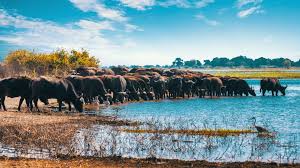
Lake Manyara National Park is globally renowned for its extraordinary wildlife diversity, making it an indispensable destination for any serious safari traveler. A Lake Manyara Safari Experience is uniquely characterized by its ability to provide high-density wildlife encounters within a relatively compact and easily navigable area. Unlike other parks where vast distances can limit sightings, Lake Manyara’s ecological design allows tourists to enjoy concentrated wildlife viewing, creating unmatched value for travelers and marketing potential for tourism companies.
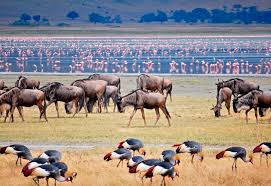
The park’s most iconic feature is its extensive alkaline lake, which supports one of the largest flamingo populations in Africa during the wet season. The shallow, nutrient-rich waters attract thousands of these vibrant pink birds, producing a surreal landscape that has become symbolic of Tanzania’s northern circuit safaris. Tourism companies can highlight this spectacle as a hallmark of the Lake Manyara Safari Experience, emphasizing the park’s photogenic quality and the rare opportunity to witness natural phenomena that few destinations can rival. Beyond flamingos, the lake attracts pelicans, storks, herons, and other waterbirds, creating an ornithologist’s paradise and a compelling selling point for birdwatchers seeking specialized safari packages.
The park’s vegetation is another defining factor in its wildlife richness. Lake Manyara boasts an impressive combination of habitats, including acacia woodlands, dense ground-water forests, open grasslands, and marshy floodplains. Each habitat supports specific species and contributes to the park’s overall biodiversity. For example, the acacia woodlands serve as perches for the park’s famed tree-climbing lions, an extraordinary phenomenon rarely observed elsewhere. Visitors can often witness these lions resting or surveying prey from elevated positions, providing dramatic photographic opportunities and unforgettable experiences. The forested zones, meanwhile, are home to smaller mammals such as bushbucks, monkeys, and colobus monkeys, offering guests a chance to observe elusive species in their natural environment.
Elephants, a key highlight of the Lake Manyara Safari Experience, roam both the woodland and open grassland areas. These animals often display dynamic social behavior, such as coordinated group movements and nurturing of calves, which provide rich storytelling moments for safari operators to include in marketing materials. Observing elephants along the lakeshore at sunrise or sunset, when lighting enhances the dramatic scenery, allows visitors to capture images that rival those from more famous parks. Buffalo herds, giraffes, impalas, and zebras further enrich wildlife diversity, ensuring that every safari drive delivers memorable encounters for travelers.
Predator dynamics are equally compelling. Lions, leopards, and occasionally cheetahs inhabit the park, creating an authentic predator-prey ecosystem that is visible during well-timed game drives. Tourism companies can capitalize on this by offering guided drives led by highly knowledgeable safari guides, who provide insights into animal behavior, social hierarchy, and ecological relationships. The ability to observe natural behaviors without overcrowding—thanks to Lake Manyara’s manageable visitor numbers—enhances the perceived value of the safari and supports premium pricing strategies for tourism operators.
Seasonal migration patterns further contribute to the park’s unique appeal. While Lake Manyara does not host the Great Migration in the Serengeti, it receives animals migrating from the Ngorongoro Highlands and surrounding areas during the dry season. This seasonal influx of wildlife, including wildebeest, zebras, and various antelope species, increases the density of sightings and enriches the safari experience. Tourism companies can highlight these seasonal peaks to attract travelers during optimal viewing periods, emphasizing both reliability and diversity. Understanding these patterns also allows operators to design itineraries that maximize encounters with high-value species, ensuring that clients experience the park’s full ecological richness.
Bird diversity remains a central feature of the Lake Manyara ecosystem. Over 400 species of birds have been recorded, including flamingos, pelicans, storks, kingfishers, and raptors, which thrive in the park’s varied habitats. During the wet season, migratory birds from Europe and Asia arrive, temporarily expanding species diversity and attracting dedicated birdwatchers. Lodges and safari camps often include bird hides and guided birdwatching excursions, enhancing the overall visitor experience and creating additional marketing angles for tourism operators seeking to differentiate their offerings. Highlighting these opportunities in brochures and online content reinforces the perception of Lake Manyara as a premium, multifaceted destination.
Conservation plays a critical role in maintaining Lake Manyara’s wildlife abundance and habitat integrity. The Tanzania National Parks Authority (TANAPA) implements measures to manage habitats, mitigate human-wildlife conflict, and ensure sustainable tourism practices. These conservation efforts are integral to marketing a Lake Manyara Safari Experience as responsible and ethically managed. Tourism companies can leverage this aspect to appeal to increasingly eco-conscious travelers, who prioritize destinations that contribute positively to wildlife preservation and community welfare. For more information on Tanzania’s conservation initiatives, see: https://www.tanzaniaparks.go.tz.
Hydrology is another factor contributing to wildlife behavior in Lake Manyara. The park’s alkaline lake and network of rivers and swamps provide reliable water sources throughout the year, attracting both resident and migratory species. Water-dependent species, including hippos and various bird species, congregate along the lakeshore, offering spectacular viewing opportunities during morning and evening drives. The interplay between water availability, vegetation density, and animal movement patterns ensures that visitors experience dynamic and engaging wildlife encounters, reinforcing the park’s reputation as a high-value safari destination.
Lake Manyara’s compact size—approximately 330 square kilometers—enhances accessibility without sacrificing ecological richness. Tourism companies can design game drives, walking safaris, and photography excursions that cover multiple habitats within a single day. This efficiency is particularly attractive for travelers with limited time, such as those on short Northern Circuit tours. By highlighting the diversity and convenience of wildlife encounters, operators can market the Lake Manyara Safari Experience as both highly rewarding and logistically accessible, an ideal proposition for clients seeking maximum value in a limited timeframe.
Finally, the park’s combination of iconic species, bird diversity, and visually striking habitats creates an opportunity for storytelling and marketing content that resonates with potential travelers. From the surreal pink reflections of flamingo flocks to tree-climbing lions surveying their territory, Lake Manyara offers unparalleled photo opportunities and experiential moments. This narrative potential can be leveraged in digital marketing campaigns, social media content, and promotional brochures, helping tourism companies attract high-intent travelers and convert them into bookings. Integrating authoritative references, like TANAPA and global wildlife conservation resources, further enhances credibility and reinforces the park’s appeal.
In conclusion, a Lake Manyara Safari Experience is defined by concentrated wildlife encounters, exceptional bird diversity, unique predator behaviors, and stunning habitats. Its combination of ecological richness, seasonal dynamics, and conservation credibility makes it an indispensable destination for any Northern Tanzania safari itinerary. For tourism companies, the park represents both a premium product offering and a powerful marketing narrative, capable of delivering unforgettable experiences to travelers while promoting sustainable and responsible tourism.
3: Safari Activities, Accommodation Options, and Experiential Depth of a Lake Manyara Safari Experience
A truly unforgettable African journey is defined not only by the wildlife but by the richness of activities, the quality of accommodation, and the depth of immersive experiences. A Lake Manyara Safari Experience is designed to provide travelers with a seamless combination of all these elements, ensuring that each guest leaves with memories that last a lifetime. For tourism companies, this combination becomes a compelling product offering, enabling them to market a safari that is both luxurious and authentic, and appealing to high-value clients seeking exceptional adventure.
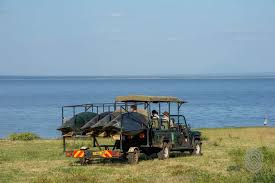
Game drives remain the cornerstone of the Lake Manyara safari experience. Conducted in 4×4 vehicles with open sides for optimal viewing, game drives allow visitors to traverse the park’s diverse habitats, from the acacia woodlands and grassy floodplains to the lakeshore and marshy areas. Early morning drives often capture wildlife at its most active, offering opportunities to observe elephants feeding, lions patrolling their territory, and herds of impala grazing under the soft dawn light. Afternoon drives focus on water sources, where hippos, buffaloes, and countless bird species congregate, creating photo opportunities that are both dynamic and dramatic. Including multiple game drives in a Lake Manyara Safari Experience ensures that travelers gain a comprehensive understanding of the park’s wildlife behavior across different times of the day.
For guests seeking intimacy and a more personal connection with nature, walking safaris are available in designated areas near the park or in adjacent conservation zones. Led by professional armed guides, walking safaris allow travelers to experience the ecosystem up close, from examining tracks of predators and herbivores to learning about indigenous plant species and insect life. This activity provides a heightened sense of awareness, where travelers can engage all their senses and gain a deep appreciation of ecological interconnections. Tourism companies can emphasize walking safaris as a differentiating feature of the Lake Manyara Safari Experience, offering clients a hands-on adventure that goes beyond traditional vehicle-based excursions.
Night drives, permitted in selected areas around Lake Manyara, reveal a different spectrum of wildlife activity. Nocturnal species such as genets, bush babies, civets, and porcupines emerge, while predators like leopards and lions adjust their hunting strategies after sunset. Guided night drives offer a unique perspective on the park’s 24-hour ecosystem and provide thrilling encounters for adventurous travelers. Including a night drive in a Lake Manyara Safari Experience can elevate the itinerary from standard daytime observations to a full-spectrum wildlife adventure.
Cultural experiences add an enriching layer to the Lake Manyara journey. The park lies in proximity to Maasai communities, and responsible visits to these villages allow travelers to learn about pastoral traditions, cultural practices, and local crafts. Tourism companies often integrate brief village tours into safari itineraries, combining wildlife viewing with meaningful human interactions. Such cultural immersion enhances the depth of the safari experience and appeals to travelers seeking educational and socially responsible journeys.
Accommodation options in and around Lake Manyara cater to every type of traveler, from luxury seekers to budget-conscious adventurers. Luxury lodges within the park or in nearby private concessions offer spacious suites, infinity pools, fine dining, and panoramic views of the lake and escarpment. Many emphasize eco-friendly designs, such as solar power, water conservation, and integration into the natural environment, appealing to environmentally conscious guests. For high-end travelers, these lodges provide comfort without sacrificing authenticity, creating a premium Lake Manyara Safari Experience.
Tented camps offer a closer-to-nature option. Upscale tented camps with en-suite facilities allow travelers to fall asleep to the sounds of wildlife while enjoying modern amenities. The strategic location of these camps along wildlife corridors or near watering holes ensures that game viewing begins as soon as guests step outside their tents. Mobile camps, which move to follow seasonal animal patterns, provide an adventurous and highly flexible safari experience. Marketing these options highlights the diversity of accommodation and the bespoke nature of the safari.
For budget travelers or families seeking practical options, public campsites and mid-range lodges maintain essential comfort while allowing access to the park’s wildlife. These options democratize the safari experience, demonstrating that a Lake Manyara Safari Experience is achievable for a broad audience without compromising the quality of wildlife encounters. By offering tiered accommodation, tourism companies can appeal to multiple market segments and maximize occupancy and profitability.
Dining experiences complement wildlife activities, especially in lodges and camps overlooking the park or lake. Guests often enjoy locally sourced meals, bush breakfasts, and candlelit dinners under the stars, combining luxury and immersion. These moments of relaxation and reflection are crucial for creating memorable travel experiences and are frequently highlighted in marketing campaigns to convey the emotional and sensory richness of the safari.
Sustainability and responsible tourism are central to accommodation and activity planning. Many lodges employ local staff, support community projects, and implement energy-efficient systems, minimizing ecological impact. Tourism companies can market these efforts as part of the Lake Manyara Safari Experience, appealing to eco-conscious travelers who wish to align their leisure with ethical and conservation-minded practices. Responsible tourism not only enhances brand reputation but also contributes to long-term ecological and social sustainability in the region.
Itinerary design is critical for optimizing the safari experience. Depending on client preferences, operators may offer short two-night packages focused on key wildlife highlights or longer three-to-five-night journeys that combine Lake Manyara with Serengeti, Ngorongoro Crater, or Tarangire National Park. Longer itineraries allow for relaxed exploration, multi-time-of-day game drives, cultural visits, and photography-focused sessions. For families, romantic couples, and wildlife photographers alike, customized packages ensure that each Lake Manyara Safari Experience meets specific expectations while maximizing satisfaction.
Accessibility enhances the appeal of Lake Manyara for tourism companies designing high-value itineraries. The park is just two to three hours from Arusha by road, with optional domestic flights to nearby airstrips for travelers seeking convenience. High-quality vehicles, professional guides, and established park regulations guarantee safe and seamless travel experiences. For operators, these factors reduce logistical complexity and allow attention to focus on enhancing guest satisfaction.
Authoritative resources strengthen the credibility of marketing materials and support travelers in planning responsibly. For instance, the Tanzania Tourist Board provides comprehensive guidance on wildlife, conservation, and responsible tourism practices: https://www.tanzaniatourism.go.tz. Linking to official sources reassures travelers and adds SEO value, helping to position the safari experience as both professional and trustworthy.
Ultimately, a Lake Manyara Safari Experience is a combination of wildlife adventure, comfort, cultural immersion, and sustainable travel practices. From observing elephants at sunrise to engaging with Maasai communities and relaxing in thoughtfully designed lodges, visitors are treated to a holistic journey that is both immersive and memorable. For tourism companies, promoting this multi-faceted experience allows them to differentiate their offerings, attract discerning travelers, and deliver unforgettable African safaris that inspire repeat visits and long-term loyalty.
4: Travel Planning, Optimal Timing, and Integrating a Lake Manyara Safari Experience into the Northern Safari Circuit
A successful safari is not simply about choosing a destination; it requires meticulous planning, thoughtful scheduling, and strategic integration into broader itineraries. A Lake Manyara Safari Experience can be tailored to meet the diverse expectations of travelers, ranging from first-time visitors to seasoned safari enthusiasts. Understanding the best time to visit, accessibility, and how Lake Manyara fits into the Northern Safari Circuit is crucial for maximizing both wildlife encounters and traveler satisfaction.
Timing plays a pivotal role in determining the quality of wildlife observation. The dry season, spanning from June to October, is generally considered the prime period for wildlife viewing. During these months, rainfall is minimal, vegetation thins, and animals tend to congregate near permanent water sources such as the lake and surrounding rivers. For visitors, this translates into predictable and frequent sightings of key species, including elephants, lions, giraffes, and the park’s iconic tree-climbing lions. Tourism companies can leverage this predictable wildlife concentration to design highly appealing Lake Manyara Safari Experience packages that highlight the most dramatic and photogenic encounters.
The wet season, occurring from November to May, transforms Lake Manyara into a verdant paradise. Rainfall rejuvenates the landscape, filling rivers and marshes while encouraging the growth of lush grasses and wildflowers. This period attracts migratory birds and provides exceptional opportunities for birdwatching, nature photography, and observing reproductive behaviors among wildlife. While some larger mammals may disperse across the surrounding regions during this time, the park’s resident species remain active, ensuring guests still enjoy meaningful wildlife encounters. For tourism companies, marketing the wet season emphasizes tranquility, greenery, and a more intimate safari experience, appealing to travelers seeking off-peak adventures.
Accessibility is a significant advantage for Lake Manyara, making it a highly convenient option for both short and extended safari itineraries. The park lies approximately two to three hours’ drive from Arusha, Tanzania’s northern safari hub. This proximity allows visitors to combine Lake Manyara with other iconic destinations, such as the Ngorongoro Crater, Serengeti National Park, and Tarangire National Park, without long, exhausting transfers. For operators designing high-value itineraries, Lake Manyara serves as either a starting point, midpoint, or conclusion of the Northern Safari Circuit, providing flexibility to craft bespoke experiences that meet client needs.
Air travel further enhances convenience. Several nearby airstrips accommodate scheduled and charter flights, allowing travelers to bypass lengthy road transfers and enjoy aerial views of Tanzania’s dramatic landscapes. This option is particularly appealing for luxury clients or those combining safari travel with leisure in Zanzibar or other coastal destinations. Whether by road or air, ease of access ensures that a Lake Manyara Safari Experience remains attractive to time-sensitive travelers seeking a seamless adventure.
Integrating Lake Manyara into multi-park safari circuits maximizes the diversity of wildlife and landscapes experienced. Pairing it with Ngorongoro Crater allows visitors to transition from lush woodland and alkaline lake environments to one of the densest wildlife ecosystems on the planet. Combining Lake Manyara with Tarangire National Park emphasizes contrasting landscapes, from acacia forests to vast savannahs, while adding Serengeti creates opportunities to witness iconic migration events and endless plains. For tourism companies, these integrated packages allow clients to enjoy a wide spectrum of Tanzanian biodiversity within a single, professionally curated itinerary, increasing perceived value and client satisfaction.
The duration of the stay at Lake Manyara can significantly influence the depth of the safari experience. A short one- or two-night visit provides sufficient time for guided game drives, photography, and a glimpse of the park’s unique features. Extended stays, of three to five nights or more, allow travelers to explore multiple habitats, participate in walking or night safaris, enjoy cultural experiences, and capture wildlife behavior across different times of day. Tourism companies can use these extended packages to promote an enriched Lake Manyara Safari Experience, emphasizing both relaxation and exploration, and ensuring guests gain the full spectrum of experiences the park offers.
Practical considerations such as park regulations, vehicle requirements, and safety protocols are essential for planning an optimal safari. Entry fees, guided tour rules, and seasonal guidelines are clearly outlined by the Tanzania National Parks Authority (TANAPA). Staying informed about these details ensures compliance, safety, and high-quality experiences. Visitors should also prepare with appropriate clothing, sun protection, binoculars, and other essential gear, ensuring comfort during morning, afternoon, and evening excursions. For tourism companies, providing pre-trip guidance on these practical aspects enhances client confidence and satisfaction.
The park’s climate also plays a crucial role in scheduling activities. Daytime temperatures during the dry season can be high, necessitating hydration and sun protection, while early mornings and evenings are ideal for wildlife observation due to cooler temperatures and animal activity. Rainy season visits may require waterproof gear and flexible itineraries, but they reward travelers with lush landscapes and abundant birdlife. Professional guides adjust game drive timing and routes to maximize wildlife encounters under prevailing conditions, ensuring each Lake Manyara Safari Experience is optimized for comfort, safety, and enjoyment.
Selecting reputable safari operators is fundamental to delivering a superior experience. Experienced guides, well-maintained vehicles, and thoughtfully designed itineraries guarantee that travelers enjoy meaningful encounters with minimal stress. Operators who prioritize sustainability, community engagement, and ethical wildlife practices not only enhance guest satisfaction but also support conservation efforts and local economies. Highlighting these credentials strengthens marketing campaigns and positions the Lake Manyara Safari Experience as a responsible and premium offering.
Official and authoritative resources support travel planning and enhance guest confidence. For instance, TANAPA provides up-to-date information on park access, conservation policies, and seasonal recommendations: https://www.tanzaniaparks.go.tz. Consulting such sources ensures travelers make informed decisions and aligns their expectations with realistic experiences. Tourism companies benefit from referencing official authorities in marketing content, boosting credibility and search engine optimization.
From a strategic perspective, Lake Manyara’s location and ecological features allow for flexible and adaptive safari itineraries. The park can serve as a highlight in short Northern Circuit tours or as a central hub for multi-day explorations across northern Tanzania. This flexibility ensures that tourism operators can craft products for diverse market segments, from honeymooners and photographers to families and adventure travelers. A well-integrated Lake Manyara Safari Experience thus enhances the overall Northern Safari Circuit, balancing convenience, wildlife variety, and scenic beauty in a single, coherent travel narrative.
In conclusion, thoughtful travel planning, careful timing, and strategic itinerary integration are essential to delivering a world-class Lake Manyara Safari Experience. Understanding seasonal patterns, accessibility, and optimal park combinations ensures that travelers receive a seamless, immersive, and memorable safari. For tourism companies, this knowledge enables the creation of premium packages that maximize guest satisfaction, support responsible tourism, and reinforce Lake Manyara’s position as a premier destination within Tanzania’s Northern Safari Circuit.
5: Maximizing Value, Trust, and Impact with a Lake Manyara Safari Experience
A truly exceptional safari transcends ordinary wildlife observation; it represents a combination of careful planning, authentic experiences, and sustainable practices. The Lake Manyara Safari Experience stands as a model of how a well-designed itinerary can deliver unforgettable memories while supporting conservation and benefiting local communities. For tourism companies, promoting Lake Manyara is not merely about showcasing wildlife—it’s about offering a high-value, credible, and responsible product that appeals to discerning travelers worldwide.
One of the key advantages of Lake Manyara is its ability to provide concentrated, high-quality wildlife encounters in a compact and accessible park. Unlike sprawling ecosystems where animals may be dispersed across hundreds of kilometers, Lake Manyara offers dense populations of iconic species within a manageable area. Elephants, lions, giraffes, hippos, and tree-climbing lions are all observable within a single game drive, making the Lake Manyara Safari Experience highly appealing to time-conscious travelers and ideal for inclusion in multi-destination itineraries. For tourism companies, this accessibility reduces logistical complexity while increasing client satisfaction, allowing operators to position their products as premium and highly convenient safari experiences.
Trust and credibility are critical components of a successful safari offering. Modern travelers demand transparency regarding itineraries, accommodation standards, wildlife viewing guarantees, and ethical practices. A professional tourism company that emphasizes responsible travel, expert guides, and well-organized logistics builds confidence and encourages bookings. By aligning with recognized authorities such as the Tanzania National Parks Authority (TANAPA), companies reinforce the authenticity of the Lake Manyara Safari Experience and demonstrate adherence to internationally recognized conservation standards. More details on official park policies can be found here: https://www.tanzaniaparks.go.tz.
Sustainability is another crucial dimension of a high-value safari. Lake Manyara’s ecosystem is supported through careful park management, conservation programs, and community initiatives that allow local populations to benefit economically from tourism. Lodges and camps frequently engage in eco-friendly practices, such as solar energy, water conservation, and waste management, providing visitors with an environmentally responsible travel option. Tourism companies that integrate these ethical and sustainable elements into their marketing can effectively differentiate their Lake Manyara Safari Experience, appealing to eco-conscious travelers and enhancing brand reputation.
The emotional and experiential depth of Lake Manyara is unmatched. Witnessing elephants moving gracefully along the lakeshore at dawn, photographing flamingos reflecting in pink-hued waters, or observing lions lounging in acacia trees provides travelers with profound, memorable moments. These sensory and emotional experiences foster loyalty, encourage word-of-mouth promotion, and support repeat travel. For tourism companies, emphasizing the emotional value of the Lake Manyara Safari Experience transforms marketing messages from mere product descriptions into compelling narratives that resonate deeply with potential clients.
Customization and personalization are central to maximizing value. Travelers today seek tailored experiences that align with their preferences, whether they are luxury clients, wildlife photographers, or families. Offering tiered accommodation—from high-end lodges to mid-range tented camps—ensures accessibility for multiple segments without compromising quality. Personalized itineraries, optional cultural visits to Maasai communities, and flexible game drive schedules allow clients to craft their ideal experience while tourism companies benefit from higher perceived value and premium pricing opportunities.
Digital visibility and authority reinforce the commercial and marketing effectiveness of the Lake Manyara offering. High-quality content, clear headings, keyword-rich copy, and authoritative references enhance search engine rankings, ensuring the Lake Manyara Safari Experience appears prominently in Google searches. Integrating external links to credible resources, such as the United Nations World Tourism Organization for sustainable tourism guidance (https://www.unwto.org), strengthens both SEO and brand trust. This combination of technical optimization and engaging content ensures the blog reaches high-intent travelers actively seeking safari experiences.
Storytelling is another powerful tool in promoting Lake Manyara. Rich narratives about wildlife, ecosystems, cultural interactions, and memorable sunset vistas allow tourism companies to transform ordinary itineraries into captivating experiences. Highlighting seasonal phenomena—such as flamingo gatherings, migratory patterns, or newborn wildlife—adds depth to the marketing story, allowing travelers to visualize and emotionally connect with their upcoming journey. The ability to craft these narratives enhances both the Lake Manyara Safari Experience and the perceived expertise of the operator.
Long-term impact is a critical consideration for both travelers and operators. A responsible safari supports conservation initiatives, strengthens local economies, and provides educational insights into wildlife and cultural heritage. Travelers engaged in ethical tourism contribute directly to the preservation of natural resources, ensuring that future generations can experience the same awe-inspiring landscapes. Tourism companies that emphasize these outcomes not only improve client satisfaction but also position their brands as leaders in sustainable safari experiences.
The cumulative value of a Lake Manyara safari extends beyond individual wildlife encounters. It combines scenic beauty, ecological diversity, cultural immersion, luxury and comfort, sustainability, and emotional fulfillment into a coherent product. Tourism companies leveraging this comprehensive offering can confidently position their Lake Manyara Safari Experience as a top-tier safari option, commanding premium pricing while delivering exceptional guest satisfaction.
Finally, a strong call-to-action ensures maximum engagement and conversion. Encouraging travelers to book early, plan around seasonal highlights, or request personalized itineraries increases the likelihood of securing bookings. Highlighting limited availability, guided expert services, and exclusive experiences reinforces urgency and desirability. With a carefully crafted marketing strategy, Lake Manyara transforms from a destination into an aspirational journey, compelling travelers to experience the magic firsthand.
In conclusion, the Lake Manyara Safari Experience represents the pinnacle of professional, high-value safari offerings. By combining concentrated wildlife viewing, immersive activities, quality accommodations, cultural interaction, sustainability, and storytelling, it delivers an unforgettable journey for every traveler. Tourism companies that effectively communicate these benefits, integrate authoritative references, and optimize for SEO position themselves to attract high-intent clients, enhance brand trust, and contribute positively to conservation and community development. Investing in a Lake Manyara safari is not just a travel decision—it is a journey that inspires, educates, and transforms.
