

Is Mount Kilimanjaro safe for tourists? Discover climbing safety, altitude risks, trekking support, security measures, and expert travel advice with Nativesons Expeditions.
Understanding Kilimanjaro Safety for Travelers
One of the most common questions international travelers ask before booking a trek is: Is Mount Kilimanjaro safe for tourists? This is an important concern because climbing Mount Kilimanjaro involves altitude, changing weather conditions, physical endurance, and remote mountain environments.
Located in Tanzania, Mount Kilimanjaro attracts thousands of climbers every year from around the world. Despite its extreme elevation of 5,895 meters, Kilimanjaro is generally considered safe for tourists when climbed with proper preparation, experienced guides, and responsible trekking companies.
With professional support from Nativesons Expeditions, climbers receive structured safety systems, experienced mountain crews, and expert altitude management strategies that greatly improve safety and summit success rates.
This guide explores the full reality behind the question: Is Mount Kilimanjaro safe for tourists?
Why Kilimanjaro Is Considered Safer Than Many Mountains

Climbers reaching Uhuru Peak (5,895m) on Mount Kilimanjaro with certified guides from Native Son Expeditions.
One reason many people ask Is Mount Kilimanjaro safe for tourists? is because they compare it to dangerous technical mountains.
However, Kilimanjaro differs in important ways:
- No technical climbing required
- No ropes or advanced mountaineering skills needed
- Established trekking routes
- Professional guide systems available
- Rescue protocols exist across the mountain
This makes Kilimanjaro safer than many high-altitude peaks worldwide.
Main Safety Risks on Mount Kilimanjaro
Although Kilimanjaro is relatively safe, there are still risks involved. Understanding these risks is central to answering Is Mount Kilimanjaro safe for tourists?
1. Altitude Sickness
Altitude sickness is the biggest challenge on Kilimanjaro.
Why It Happens
As climbers ascend:
- Oxygen levels decrease
- Body struggles to adapt
Common Symptoms
- Headaches
- Dizziness
- Nausea
- Fatigue
How Safety Is Improved
- Slow climbing pace
- Proper acclimatization
- Health monitoring
With experienced operators like Nativesons Expeditions, altitude risks are carefully managed.
2. Extreme Weather Conditions
Weather changes rapidly on Kilimanjaro.
Possible Conditions
- Heavy rain
- Freezing summit temperatures
- Strong winds
- Fog and low visibility
Proper gear and preparation are essential for safety.
3. Physical Exhaustion
Climbing Kilimanjaro requires endurance.
Challenges
- Long trekking hours
- Steep sections
- Cold summit night conditions
Fitness preparation improves safety significantly.
How Guides Improve Tourist Safety
Professional guides are one of the biggest reasons Kilimanjaro is safe for tourists.
Nativesons Expeditions provides:
- Certified mountain guides
- Daily health checks
- Oxygen monitoring
- Emergency evacuation procedures
- Experienced porter teams
These systems greatly reduce climbing risks.
Importance of Acclimatization
One of the most important answers to Is Mount Kilimanjaro safe for tourists? is proper acclimatization.
What Is Acclimatization?
It is the process of helping the body adapt to lower oxygen levels.
How It Improves Safety
- Reduces altitude sickness risk
- Improves energy levels
- Increases summit success rates
Longer trekking routes improve acclimatization effectiveness.
Security Safety Beyond the Mountain
Tourists also ask whether Tanzania itself is safe.
The Kilimanjaro region is generally tourist-friendly and heavily supported by the tourism industry.
Tourism Infrastructure Includes
- National park security
- Professional trekking companies
- Registered mountain crews
- Emergency response systems
This contributes to overall tourist safety.
Role of Proper Equipment in Safety
Climbing equipment directly affects safety.
Essential gear includes:
- Warm layered clothing
- Waterproof jackets
- High-quality hiking boots
- Sleeping bags rated for cold weather
- Trekking poles
Good equipment reduces injury and weather-related risks.
External Authority Reference
For travel health and altitude information, travelers can refer to Centers for Disease Control and Prevention for official trekking and travel safety guidance.
Common Misconceptions About Kilimanjaro Safety
Many people misunderstand the risks.
Misconception 1
“Kilimanjaro is easy.”
Reality:
Altitude makes it physically demanding.
Misconception 2
“Only athletes can climb.”
Reality:
Many ordinary travelers succeed with preparation.
Misconception 3
“Kilimanjaro is extremely dangerous.”
Reality:
With professional guidance, it is considered relatively safe.
Why Nativesons Expeditions Improves Climbing Safety
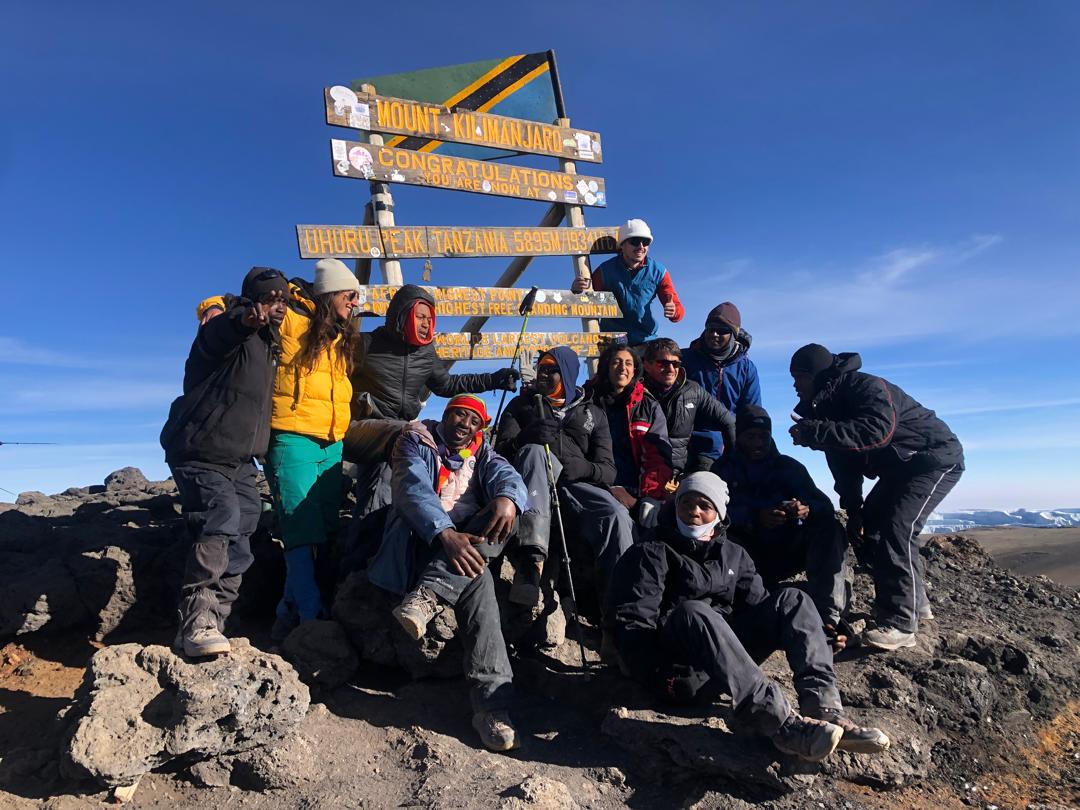
Native Son Expeditions porters and international climbers celebrating a successful summit at Uhuru Peak on Mount Kilimanjaro.
Choosing a professional company is one of the biggest factors influencing whether Mount Kilimanjaro is safe for tourists.
Nativesons Expeditions focuses on:
- Safety-first trekking strategies
- Experienced mountain teams
- Ethical porter treatment
- Emergency preparedness
- Personalized trekking support
This creates a safer and more comfortable climbing experience.
Quick Summary
- Kilimanjaro is generally safe for tourists with proper preparation
- Altitude sickness is the main challenge
- Professional guides greatly improve safety
- Proper acclimatization reduces risks
- Weather and equipment preparation are essential
Understanding the Real Safety Challenges on Kilimanjaro
To properly answer the question Is Mount Kilimanjaro safe for tourists, it is important to move beyond general travel opinions and examine the real health and environmental risks climbers face on the mountain. While Mount Kilimanjaro is considered one of the safest high-altitude trekking mountains in the world, safety still depends heavily on preparation, acclimatization, route selection, and professional support.
Most problems on Kilimanjaro are preventable when climbers understand how altitude, weather, hydration, and physical stress affect the body. With expert guidance from Nativesons Expeditions, climbers receive structured safety systems that greatly improve trekking success and reduce health risks.
This section provides a deep analysis of altitude sickness, emergency systems, health preparation, route safety comparisons, and professional mountain safety strategies connected to the question: Is Mount Kilimanjaro safe for tourists?
Altitude Sickness: The Biggest Safety Concern
The most important factor when discussing Is Mount Kilimanjaro safe for tourists is altitude sickness.
What Causes Altitude Sickness?
As climbers ascend:
- Air pressure decreases
- Oxygen becomes thinner
- The body receives less oxygen
This creates stress on the body, especially above 3,000 meters.
Common Symptoms of Altitude Sickness
Mild Symptoms
- Headache
- Fatigue
- Dizziness
- Difficulty sleeping
Moderate Symptoms
- Nausea
- Vomiting
- Loss of appetite
- Difficulty walking
Severe Symptoms
- Confusion
- Chest tightness
- Severe breathing problems
Understanding these symptoms is critical when evaluating Is Mount Kilimanjaro safe for tourists.
How Acclimatization Improves Safety

Acclimatization is the process of helping the body adapt gradually to altitude.
According to mountain experts at Nativesons Expeditions, acclimatization is the single most important safety strategy on Kilimanjaro.
Best Acclimatization Methods
1. Choose Longer Routes
Longer routes improve adaptation time.
2. Walk Slowly (“Pole Pole”)
Slow movement conserves energy and helps oxygen adjustment.
3. Stay Hydrated
Proper hydration improves oxygen circulation.
4. Sleep at Lower Elevations When Possible
This helps the body recover more effectively.
Good acclimatization directly improves whether Mount Kilimanjaro is safe for tourists.
Emergency Response Systems on Kilimanjaro
Many travelers worry about emergency situations when asking Is Mount Kilimanjaro safe for tourists.
Fortunately, Kilimanjaro has established emergency support systems.
Mountain Rescue Procedures
Professional operators like Nativesons Expeditions provide:
- Emergency evacuation plans
- Radio communication systems
- Trained mountain rescue guides
- Oxygen cylinders for altitude emergencies
Rescue Transport
In severe cases:
- Stretcher evacuations are used
- Emergency descent protocols are activated
Fast descent is the most effective treatment for severe altitude sickness.
Daily Health Monitoring During the Climb
Professional safety monitoring is one reason Kilimanjaro is considered relatively safe for tourists.
Daily Checks Include
- Oxygen saturation monitoring
- Heart rate checks
- Symptom observation
- Energy level assessment
This helps guides detect altitude problems early.
Weather Safety Risks on Kilimanjaro
Weather is another major factor in determining Is Mount Kilimanjaro safe for tourists.
Rainforest Zone Risks
- Heavy rain
- Muddy trails
- Slippery terrain
High Altitude Risks
- Freezing temperatures
- Wind chill exposure
- Snow and ice near summit
Proper clothing and preparation reduce these risks significantly.
Route Safety Comparison
Different routes have different safety profiles. This is a major factor in understanding Is Mount Kilimanjaro safe for tourists.
Marangu Route
Advantages
- Hut accommodation
- Easier trail infrastructure
Disadvantages
- Faster ascent increases altitude risk
Machame Route
Advantages
- Better acclimatization profile
- Higher summit success rates
Disadvantages
- Steeper terrain
Lemosho Route
Advantages
- Excellent acclimatization
- Lower crowd pressure
Disadvantages
- Longer trekking duration
Northern Circuit Route
Advantages
- Highest acclimatization success
- Lower altitude stress
Disadvantages
- Longer expedition time
Comparison Table: Route Safety Analysis
| Route | Acclimatization Quality | Altitude Risk | Weather Exposure | Overall Safety |
|---|---|---|---|---|
| Marangu | Moderate | Higher | Moderate | Good |
| Machame | Good | Moderate | Moderate | Very Good |
| Lemosho | Excellent | Lower | Moderate | Excellent |
| Rongai | Good | Moderate | Lower rain exposure | Very Good |
| Northern Circuit | Excellent | Lowest | Moderate | Excellent |
This comparison helps answer the question: Is Mount Kilimanjaro safe for tourists?
Hydration and Nutrition Safety
Hydration is essential for safe trekking.
Why Hydration Matters
- Helps oxygen circulation
- Reduces altitude symptoms
- Maintains energy levels
Nutrition Importance
Climbers need:
- Carbohydrates for energy
- Warm meals for recovery
- Consistent calorie intake
Professional trekking teams provide structured meal systems during the climb.
Mental Safety and Psychological Strength
Mental preparation also affects safety.
Common Psychological Challenges
- Fear of altitude
- Summit anxiety
- Exhaustion during summit night
How Guides Help
- Motivation and encouragement
- Pace control
- Emotional support
This is another reason professional operators improve safety.
Expert Insight from Nativesons Expeditions
According to Nativesons Expeditions, the most common safety mistakes include:
- Climbing too fast
- Ignoring symptoms
- Underestimating cold temperatures
- Choosing very short routes
Their safety-first approach helps climbers avoid these problems.
Essential Safety Tips for Tourists
To improve trekking safety:
- Train before the climb
- Use layered clothing
- Drink plenty of water
- Choose longer routes
- Listen to guides carefully
These practices greatly improve safety outcomes.
Quick Summary
- Altitude sickness is the main safety challenge
- Acclimatization is essential for safe climbing
- Emergency rescue systems exist on Kilimanjaro
- Route selection affects safety levels
- Professional guides significantly improve trekking safety
Preparation Determines Safety on Kilimanjaro
When travelers ask Is Mount Kilimanjaro safe for tourists, the answer depends heavily on preparation. Even though Mount Kilimanjaro is considered a non-technical trekking mountain, climbers still face altitude pressure, unpredictable weather, physical exhaustion, and mental fatigue.
Many accidents and failed summit attempts happen because climbers underestimate the importance of preparation. Proper training, smart packing, and understanding weather conditions greatly improve safety and overall climbing success.
With support from Nativesons Expeditions, climbers receive structured preparation guidance that helps reduce risks before the trek even begins. This section explores physical fitness requirements, packing systems, summit night preparation, hydration strategies, and weather protection—all critical for understanding Is Mount Kilimanjaro safe for tourists.
Physical Fitness Requirements for Kilimanjaro
One of the biggest misconceptions about Kilimanjaro is that extreme athletic ability is required.
In reality, when evaluating Is Mount Kilimanjaro safe for tourists, moderate physical fitness combined with proper pacing is more important than athletic performance.
What Type of Fitness Is Needed?
Cardiovascular Endurance
Climbers should comfortably handle:
- Long walking hours
- Steady uphill movement
- Reduced oxygen conditions
Leg Strength
Strong legs help manage:
- Steep terrain
- Rocky descents
- Long trekking days
Mental Endurance
Mental strength is essential during:
- Cold summit night
- Fatigue periods
- Difficult altitude adjustments
Best Training Plan Before the Climb
Preparation improves whether Mount Kilimanjaro is safe for tourists.
1. Hiking Practice
The best preparation is regular hiking.
Recommended
- 2–3 hikes weekly
- Gradual elevation gain
- Long walking sessions with backpack
2. Cardio Training
Useful exercises include:
- Running
- Cycling
- Swimming
- Stair climbing
These activities improve oxygen efficiency.
3. Strength Training
Focus on:
- Legs
- Core muscles
- Back support muscles
Strength improves stability and reduces injury risk.
Importance of Proper Packing
Packing mistakes create serious safety problems.
According to Nativesons Expeditions, correct equipment is one of the biggest factors influencing whether Mount Kilimanjaro is safe for tourists.
Essential Clothing System
Kilimanjaro weather changes dramatically with altitude.
Base Layer
- Moisture-wicking clothing
- Keeps skin dry
Insulation Layer
- Fleece or down jackets
- Maintains body warmth
Outer Waterproof Layer
- Rainproof jacket and pants
- Protects against wind and rain
Layering is essential because temperatures vary greatly across the mountain.
Footwear Safety
Poor footwear increases injury risk.
Recommended Hiking Boots
- Waterproof
- Strong ankle support
- Comfortable for long trekking days
Why It Matters
Good boots reduce:
- Slipping
- Blisters
- Foot fatigue
This improves overall trekking safety.
Summit Night: The Most Dangerous Stage
One of the most critical parts of answering Is Mount Kilimanjaro safe for tourists is understanding summit night.
Why Summit Night Is Difficult
- Temperatures drop below freezing
- Oxygen levels are extremely low
- Climbers trek in darkness
- Fatigue is highest
Common Summit Night Challenges
- Mental exhaustion
- Breathing difficulty
- Slow movement
- Cold exposure
This is the stage where preparation matters most.
How Guides Improve Summit Safety
Professional mountain guides play a major role in making Kilimanjaro safe for tourists.
Nativesons Expeditions guides:
- Monitor climber health
- Set safe walking pace
- Encourage hydration
- Identify altitude symptoms early
Their experience helps climbers navigate summit night safely.
Hydration and Nutrition Strategy
Hydration is essential at high altitude.
Why Hydration Matters
- Supports oxygen circulation
- Reduces altitude symptoms
- Maintains energy levels
Recommended Intake
3–5 liters of water daily during the trek.
Nutrition Safety
Climbers require:
- High-energy meals
- Carbohydrates for endurance
- Warm foods for recovery
Professional trekking crews provide balanced meals throughout the expedition.
Weather Safety Preparation
Weather changes quickly on Kilimanjaro.
Understanding weather preparation is essential when asking Is Mount Kilimanjaro safe for tourists.
Rain Protection
Lower rainforest zones often experience:
- Heavy rainfall
- Muddy trails
- Wet conditions
Waterproof gear is essential.
Cold Protection
Higher elevations bring:
- Freezing temperatures
- Strong winds
- Snow near summit
Insulated clothing is critical for survival and comfort.
Importance of Sleep and Recovery
Recovery affects both safety and summit performance.
Why Rest Matters
- Reduces fatigue
- Improves acclimatization
- Supports mental focus
Good sleeping bags and proper rest schedules improve climbing safety.
Common Packing Mistakes
According to Nativesons Expeditions, common errors include:
- Bringing insufficient warm clothing
- Using new hiking boots without testing them
- Underestimating summit cold
- Carrying excessive luggage
Avoiding these mistakes improves trekking safety significantly.
Comparison Table: Essential Safety Gear
| Gear Item | Purpose | Safety Importance |
|---|---|---|
| Waterproof Jacket | Rain protection | Very High |
| Insulated Jacket | Cold protection | Very High |
| Hiking Boots | Terrain stability | Essential |
| Trekking Poles | Balance support | High |
| Warm Sleeping Bag | Night recovery | Essential |
| Headlamp | Summit night visibility | Critical |
This equipment directly affects whether Mount Kilimanjaro is safe for tourists.
Mental Preparation for Safety
Mental preparation is often ignored.
Important Mindset Strategies
- Stay patient during slow climbs
- Accept physical discomfort
- Focus on gradual progress
Positive mental attitude improves overall safety and summit performance.
Expert Insight from Nativesons Expeditions
According to Nativesons Expeditions, climbers who prepare correctly:
- Adapt better to altitude
- Experience fewer health problems
- Maintain higher energy levels
- Have better summit success rates
Their structured preparation system helps climbers safely handle Kilimanjaro conditions.
Quick Summary of Section 3
- Preparation strongly affects climbing safety
- Fitness and mental endurance are essential
- Proper gear reduces weather-related risks
- Summit night is the hardest stage
- Professional guides improve overall safety
