

Discover the ultimate Gombe National Park Packing List for trekking, wildlife viewing, and eco-tourism. Learn what to pack for comfort, safety, and ethical travel while exploring Gombe’s chimpanzees, forests, and scenic trails.
1: Introduction – Preparing for Your Adventure to Gombe National Park
https://nativesonexpeditions.com/tanzania-safari/
Visiting Gombe National Park is a once-in-a-lifetime experience for wildlife enthusiasts, nature lovers, and adventure travelers alike. Located along the shores of Lake Tanganyika in Tanzania, Gombe is world-renowned for its chimpanzee populations, lush tropical forests, and the groundbreaking research of Jane Goodall. However, a successful and enjoyable visit to this remote and pristine environment requires careful preparation. That is where the Gombe National Park Packing List comes in. A thoughtfully curated packing list ensures that travelers are ready for forest trekking, variable weather conditions, and wildlife observation, while also respecting ethical and environmental guidelines established by the Jane Goodall Institute and Tanzanian authorities.
One of the most important considerations when preparing for Gombe is the type of trekking you will be doing. Unlike typical safaris on flat plains, Gombe treks involve hiking through dense forest trails, steep valleys, and sometimes muddy terrain. Footwear is critical: sturdy, closed-toe hiking boots with strong grip provide safety and comfort, while lightweight trail shoes can be useful for less rugged paths. Trekking poles may also be beneficial for stability, especially for first-time visitors or those trekking with longer guides. The Gombe National Park Packing List emphasizes these essentials because proper gear prevents injuries and ensures that you can navigate the forest trails without difficulty, allowing you to focus on observing chimpanzees, birds, and other wildlife in their natural habitat.
Clothing choices are equally crucial. The park’s tropical climate can vary from hot, humid conditions during the day to cooler temperatures in the early morning or evening. Breathable, moisture-wicking fabrics are recommended for comfort, along with long-sleeve shirts and long pants to protect against insects, scratches, and sun exposure. Neutral colors such as greens, browns, and khakis are preferred to avoid startling wildlife. Additionally, packing a lightweight, waterproof jacket is essential, as sudden tropical rain showers are common. The Gombe National Park Packing List also advises including a hat, sunglasses, and quick-dry socks, ensuring that visitors remain comfortable and protected throughout their treks. Proper clothing not only improves your experience but also demonstrates respect for the natural environment and local conservation guidelines.
Essential accessories are also highlighted in a comprehensive packing list. A durable backpack with multiple compartments allows for easy organization of trekking essentials such as water bottles, snacks, cameras, and field guides. High-quality binoculars enhance wildlife observation, providing close-up views of chimpanzees, birds, and other forest creatures without disturbing them. In addition, travelers should bring insect repellent, sunscreen, and basic first aid supplies, as the park is remote and access to medical facilities can be limited. The Gombe National Park Packing List ensures that every item contributes to safety, comfort, and the ethical observation of wildlife, enhancing both enjoyment and learning during your visit.
Documentation and planning items are often overlooked but are critical for a seamless visit. Visitors should carry a valid passport, park permits, vaccination certificates, and emergency contact information. It is also advisable to have a small notebook or field journal for recording observations, a pen, and even a guidebook on local flora and fauna. These items allow travelers to document their experiences, participate in educational activities, and ensure compliance with park regulations. Including documentation essentials in the Gombe National Park Packing List guarantees that visitors are not only prepared for logistical challenges but also ready to engage meaningfully with the park’s scientific and ecological significance.
Photography and electronic equipment also require careful consideration. Cameras with zoom lenses, extra batteries, memory cards, and protective cases are essential for capturing wildlife encounters without disturbing animals. Mobile phones can be useful for communication and navigation, but service is limited in Gombe, so offline maps and emergency devices are recommended. Travel adapters, power banks, and solar chargers ensure that electronics remain functional during extended treks. The Gombe National Park Packing List incorporates these items, recognizing that high-quality documentation enhances visitor experience while supporting the broader goals of eco-tourism, research awareness, and global conservation advocacy.
Health and personal care items are critical for a safe and comfortable trip. Travelers should bring medications, hand sanitizer, wet wipes, and personal hygiene products suited for minimal-impact camping or lodge stays. Mosquito nets and anti-malarial precautions are strongly recommended due to the prevalence of mosquitoes in tropical forests. Proper preparation ensures that visitors maintain their health, reduce the risk of insect-borne illnesses, and can fully enjoy the immersive experience of observing chimpanzees and exploring the forest trails. The Gombe National Park Packing List emphasizes these measures, underscoring the importance of responsible travel that prioritizes both personal well-being and environmental safety.
Food and hydration planning are also integral. While lodges and camps provide meals, carrying lightweight snacks, energy bars, and reusable water bottles is advisable for long trekking days. Staying well-hydrated and nourished enhances stamina, focus, and enjoyment, enabling visitors to fully appreciate the richness of the forest ecosystem. This practical preparation is a cornerstone of the Gombe National Park Packing List, ensuring that travelers are self-sufficient, respectful of local resources, and able to maintain the high energy required for trekking and observation.
Finally, ethical considerations are embedded in a complete packing list. Items that could disturb wildlife, such as bright clothing, loud gadgets, or non-essential tools, should be avoided. Reusable and eco-friendly products minimize waste, while proper disposal of trash prevents environmental degradation. By following the Gombe National Park Packing List, travelers demonstrate respect for the natural environment, support conservation initiatives, and contribute positively to the sustainable tourism model pioneered by the Jane Goodall Institute. This approach ensures that visitors leave the park with not only memories of incredible wildlife encounters but also an understanding of the ethical responsibilities that come with visiting such a unique and sensitive ecosystem.
External References (Authoritative Sources):
-
Jane Goodall Institute – Visiting Gombe: https://www.janegoodall.org/visit-gombe/
-
Tanzania National Parks – Visitor Information: https://www.tanzaniaparks.go.tz
-
Lonely Planet – Tanzania Travel Guide: https://www.lonelyplanet.com/tanzania
2: Clothing and Gear Essentials for Gombe National Park
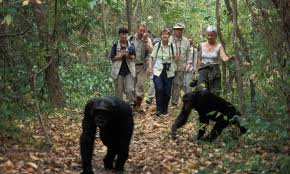
When preparing for a trip to Gombe National Park, having the right clothing and gear is critical for both comfort and safety. The park’s tropical climate, combined with dense forests, steep valleys, and muddy trails, demands thoughtful preparation. A well-organized Gombe National Park Packing List ensures visitors are equipped for trekking, wildlife observation, and unpredictable weather conditions. From appropriate footwear to specialized accessories, every item on your list contributes to a smooth, enjoyable, and responsible adventure. In this section, we’ll break down the essential clothing and gear, providing detailed guidance for travelers seeking an unforgettable experience in Gombe.
Footwear and Hiking Gear
Proper footwear is arguably the most important component of a successful visit. Trekking through Gombe’s forest trails requires shoes that provide strong grip, ankle support, and durability. Closed-toe hiking boots are highly recommended for navigating steep slopes, slippery paths, and uneven terrain. Lightweight trail shoes or hiking sandals may be useful for shorter excursions near camps or lodges, but boots remain essential for main chimpanzee trekking. Trekking poles are highly recommended, particularly for first-time visitors or those with limited hiking experience, as they provide extra stability and reduce fatigue on long or challenging trails. Including these items in your Gombe National Park Packing List ensures your safety while enhancing your ability to explore the park with confidence.
Clothing for Tropical Forest Conditions
The climate in Gombe is warm and humid, with occasional rain showers, so layering is key. Breathable, moisture-wicking fabrics help keep you dry and comfortable during intense trekking, while long-sleeve shirts and long pants protect against insect bites, scratches from vegetation, and sunburn. Neutral colors such as khaki, olive, or brown are preferred to minimize disturbance to wildlife and improve your chances of observing chimpanzees in their natural environment. A lightweight, waterproof jacket is essential, as sudden tropical rain is common, and quick-dry clothing makes drying easier after wet conditions. The Gombe National Park Packing List emphasizes the importance of clothing that balances comfort, safety, and ethical wildlife observation.
Accessories and Protection Essentials
To fully enjoy your trekking experience, certain accessories are indispensable. A wide-brimmed hat provides shade, sunglasses protect your eyes from glare, and a high-quality pair of socks helps prevent blisters during long hikes. Insect repellent and sunscreen are critical to maintain health and comfort while trekking through tropical forests. Gloves can also be useful for clearing foliage or handling trekking equipment safely. Including these items in your Gombe National Park Packing List ensures that you remain protected, comfortable, and able to focus on the unique wildlife encounters that make Gombe an exceptional destination.
Backpacks and Storage Solutions
A durable, lightweight backpack is necessary for organizing trekking essentials, including water bottles, snacks, field guides, binoculars, and personal items. Multiple compartments help keep gear accessible, while padded straps provide comfort during long hikes. Waterproof covers or dry bags are advisable to protect electronic devices and documents from sudden rain. Well-organized storage ensures that visitors can carry their belongings safely without hindering movement or disturbing the environment, a key consideration emphasized in every Gombe National Park Packing List.
Observation Tools and Technology
Binoculars are essential for wildlife observation, allowing visitors to view chimpanzees and birds without getting too close. Cameras with zoom lenses, extra batteries, and memory cards enable tourists to capture memorable moments without disturbing the animals. Mobile phones are useful for emergency communication, but due to limited network coverage in Gombe, offline maps, GPS devices, and solar chargers are highly recommended. Including these tools in your Gombe National Park Packing List ensures both safety and the ability to document your experiences responsibly, contributing to ethical eco-tourism and education.
Health, Hygiene, and Personal Care Items
Maintaining health during your visit is crucial. Travelers should carry personal medications, first aid kits, hand sanitizer, wet wipes, and other hygiene products. Anti-malarial precautions and mosquito nets are strongly advised due to the tropical forest environment. Personal care items such as biodegradable soap, toothpaste, and reusable towels align with eco-tourism practices by reducing environmental impact. A comprehensive Gombe National Park Packing List prioritizes these essentials to ensure visitor well-being while supporting the park’s conservation principles.
Navigation and Documentation Essentials
Although guided treks are standard, carrying a notebook, pen, and wildlife guidebooks enriches the educational aspect of your trip. Travel documents, park permits, and identification should always be readily accessible. Emergency contact information and local maps are recommended to enhance safety and preparedness. Including these items in your Gombe National Park Packing List ensures that visitors are not only equipped for trekking but also prepared to engage meaningfully with the park’s ecological and cultural offerings.
Ethical and Eco-Friendly Considerations
Sustainability is a cornerstone of responsible tourism in Gombe. Packing reusable water bottles, eco-friendly toiletries, and minimizing single-use plastics demonstrates respect for the environment. Clothing and gear should be durable to reduce waste, and visitors should avoid items that could disturb wildlife, such as loud gadgets or bright clothing. Following the ethical guidelines embedded in the Gombe National Park Packing List ensures that every item contributes to conservation efforts and preserves the park’s pristine conditions for future generations.
External References (Authoritative Sources):
-
Jane Goodall Institute – Visiting Gombe Essentials: https://www.janegoodall.org/visit-gombe/
-
Tanzania National Parks – Visitor Guidelines: https://www.tanzaniaparks.go.tz
-
Lonely Planet – Tanzania Travel Packing Tips: https://www.lonelyplanet.com/tanzania
3: Health, Safety, and Travel Essentials for Gombe National Park
A safe and enjoyable visit to Gombe National Park requires thorough preparation beyond clothing and trekking gear. Health precautions, safety considerations, and travel essentials play a critical role in ensuring a smooth experience. Gombe’s remote location, tropical climate, and unique ecological environment mean that visitors must be proactive in addressing potential health risks, staying safe in forested terrain, and ensuring that travel arrangements are secure and well-planned. Incorporating these items into your Gombe National Park Packing List ensures that your visit is not only memorable but also safe and responsible, adhering to the ethical standards of eco-tourism and conservation promoted by the Jane Goodall Institute.
Health and Medical Preparations
Before embarking on your journey, visitors should ensure they are up-to-date on necessary vaccinations, such as yellow fever, hepatitis A and B, typhoid, and tetanus. Consulting a travel clinic or medical professional is recommended to assess personal health risks and obtain advice on malaria prophylaxis, as Gombe is located in a region where mosquitoes are prevalent. Travelers should carry a comprehensive first aid kit that includes bandages, antiseptics, pain relievers, antihistamines, and any prescription medications. Packing these items in the Gombe National Park Packing List ensures that visitors are prepared to address minor injuries or health issues in a remote environment where medical facilities are limited.
Hydration and nutrition are also essential for maintaining health during forest treks. Bringing reusable water bottles, electrolyte powders, and light snacks such as energy bars or nuts can prevent dehydration and fatigue during long hikes. Gombe’s dense forests and steep trails demand physical stamina, making proper nutrition and hydration non-negotiable. Including these items in your Gombe National Park Packing List supports physical well-being and enhances the overall trekking experience.
Safety Considerations During Treks
Navigating Gombe’s forest trails requires attention to safety at all times. Sturdy hiking boots, trekking poles, and protective clothing not only provide comfort but also prevent injuries from slips, falls, or scratches. Visitors should always stay on designated trails and follow the instructions of trained guides to minimize risk. Avoiding loud noises, sudden movements, or attempts to touch wildlife is critical for personal safety and the well-being of chimpanzees and other animals. The Gombe National Park Packing List includes safety-focused items such as headlamps, whistles, and small first aid kits, emphasizing preparedness in a natural environment where assistance may not be immediately available.
Travel Documents and Legal Essentials
Proper documentation is vital for seamless entry into Tanzania and access to Gombe National Park. Visitors must carry valid passports, visas if required, park permits, and identification documents. Keeping copies of these documents in a waterproof folder or digital backup enhances security in case of loss or theft. Emergency contacts and local embassy information are also recommended. Including these items in the Gombe National Park Packing List ensures that visitors are prepared for administrative and legal requirements, reducing stress and preventing unnecessary complications during travel.
Navigational and Communication Tools
Given the limited mobile network coverage in Gombe, offline maps, compasses, and GPS devices are recommended to maintain orientation and enhance safety. Satellite phones or emergency communication devices are advisable for remote trekking groups. Guides are trained in navigation and emergency procedures, but personal preparedness enhances confidence and allows visitors to respond effectively in unexpected situations. These items, emphasized in the Gombe National Park Packing List, contribute to a secure and well-managed trekking experience.
Emergency and Contingency Planning
Planning for contingencies is crucial in a remote area like Gombe. Travelers should be aware of the location of ranger stations, emergency evacuation routes, and park regulations regarding wildlife encounters and natural hazards. Carrying small emergency kits with items such as multipurpose tools, compact blankets, and waterproof matches can be lifesaving in unforeseen circumstances. Including these provisions in your Gombe National Park Packing List ensures preparedness for a variety of scenarios, from sudden rainstorms to minor injuries or unexpected trail delays.
Sustainable and Ethical Travel Items
Maintaining ethical and eco-friendly practices is also a safety consideration for the environment and wildlife. Carrying reusable water bottles, eco-friendly toiletries, and biodegradable waste bags prevents pollution and protects the park’s delicate ecosystem. Avoiding harmful chemicals, plastics, or items that could be ingested by wildlife minimizes risk to both animals and the environment. The Gombe National Park Packing List emphasizes sustainability as an integral part of safe and responsible travel, aligning visitor behavior with conservation goals and ethical guidelines.
Mental and Physical Preparation
Visitors should also prepare mentally and physically for the rigors of trekking in a tropical forest. Adequate rest, stretching, and light training before the trip improve stamina, reduce fatigue, and enhance enjoyment. Mental preparation, including understanding the park’s ecological and cultural significance, promotes respect for wildlife, adherence to park rules, and engagement in educational opportunities. Including preparation tips in the Gombe National Park Packing List ensures that visitors arrive ready to maximize their experience while minimizing risks and disruptions.
External References (Authoritative Sources):
-
Jane Goodall Institute – Health & Safety Tips: https://www.janegoodall.org/visit-gombe/
-
Centers for Disease Control – Tanzania Travel Health: https://wwwnc.cdc.gov/travel/destinations/traveler/none/tanzania
-
Tanzania National Parks – Visitor Safety Guidelines: https://www.tanzaniaparks.go.tz
4: Food, Hydration, and Camping Essentials for Gombe National Park
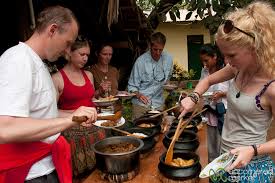
A key element of a successful visit to Gombe National Park involves careful planning for food, hydration, and camping needs. Many visitors choose to stay at lodges or camps within or near the park, but the remote location, long trekking days, and limited facilities make it essential to pack thoughtfully. A well-prepared Gombe National Park Packing List ensures that travelers are adequately fueled, hydrated, and comfortable, while also adhering to environmental and ethical guidelines established by the Jane Goodall Institute and Tanzanian authorities.
Hydration Essentials
Hydration is critical during forest trekking and outdoor activities. The humid tropical climate of Gombe increases the risk of dehydration, especially during long hikes to observe chimpanzees. Travelers should carry reusable water bottles, hydration bladders, or collapsible water containers. Electrolyte powders or tablets are highly recommended to maintain energy levels and prevent fatigue. The Gombe National Park Packing List highlights the importance of adequate hydration not only for health but also to ensure that visitors can fully enjoy the forest environment and wildlife observation opportunities without physical strain.
Nutrition and Food Planning
While lodges typically provide meals, having lightweight, non-perishable snacks is essential for long trekking days. Energy bars, trail mix, dried fruits, nuts, and protein snacks help maintain stamina and provide quick nourishment. Packing reusable containers or snack bags reduces waste, aligning with ethical eco-tourism practices. Including these items in your Gombe National Park Packing List ensures visitors are self-sufficient, energized, and ready to participate fully in extended treks or research-focused excursions.
Camping Gear Essentials
For travelers choosing to camp or stay in remote forest areas, specialized gear is indispensable. High-quality tents, sleeping bags suited for tropical climates, and sleeping pads provide comfort and protection from humidity, insects, and uneven ground. Lightweight, portable cooking equipment such as compact stoves, fuel canisters, and reusable utensils enable safe meal preparation. Headlamps, lanterns, and extra batteries provide visibility at night, while compact chairs or mats enhance comfort around the campsite. Including camping items in your Gombe National Park Packing List ensures that visitors have a secure, comfortable, and sustainable camping experience without impacting the park’s fragile ecosystem.
Food Safety and Hygiene
Maintaining food hygiene is vital to prevent illness in a remote environment. Travelers should carry hand sanitizer, wet wipes, and biodegradable soap for cleaning hands and utensils. Food should be stored securely to prevent contamination and avoid attracting wildlife. The Gombe National Park Packing List emphasizes hygiene as a core principle, ensuring that visitors protect both their health and the park’s wildlife. Additionally, all waste should be packed out or disposed of according to park guidelines, reinforcing responsible eco-tourism practices.
Portable Cooking and Meal Preparation
For camping or self-catering experiences, portable cooking equipment can make a significant difference. Lightweight stoves, fuel, pots, and utensils allow visitors to prepare hot meals safely. Using eco-friendly cooking methods, such as solar ovens or small gas stoves, minimizes the environmental impact. Travelers should avoid open fires unless specifically authorized, as this protects the forest ecosystem and prevents accidental damage. Including these items in your Gombe National Park Packing List ensures that visitors can enjoy nutritious meals while upholding conservation principles.
Reusable and Eco-Friendly Essentials
Sustainability is a major component of responsible travel in Gombe. Packing reusable water bottles, utensils, and food containers reduces waste and limits pollution. Biodegradable soap, compostable bags, and eco-friendly packaging support ethical tourism and help preserve the park’s pristine conditions. The Gombe National Park Packing List emphasizes reusable, lightweight, and environmentally conscious items, encouraging visitors to leave no trace and respect the natural habitat of chimpanzees and other wildlife.
Snacks and Energy Management During Treks
Long treks can be physically demanding, and having the right snacks is vital to maintain energy. Trail mix, granola bars, energy gels, and dried fruits provide quick, easy-to-carry nutrition that supports endurance during observation walks and climbing trails. Having snacks readily accessible ensures that visitors remain alert and comfortable, enhancing both the quality of the wildlife experience and the ability to participate safely in educational or research activities. The Gombe National Park Packing List advises including small, lightweight, nutrient-rich items to meet the unique demands of trekking in a tropical forest environment.
Emergency Food Supplies
Unexpected delays, sudden weather changes, or longer-than-anticipated treks may require backup food supplies. Packing small, non-perishable emergency rations ensures that visitors are prepared for unforeseen circumstances. These items should be easy to carry, lightweight, and durable to withstand tropical conditions. Including emergency food in the Gombe National Park Packing List supports visitor safety, reduces stress, and allows travelers to focus on enjoying the natural beauty and wildlife of Gombe without concern for nourishment.
External References (Authoritative Sources):
-
Jane Goodall Institute – Visiting Gombe Essentials: https://www.janegoodall.org/visit-gombe/
-
Tanzania National Parks – Visitor Guidelines & Camping Info: https://www.tanzaniaparks.go.tz
-
Lonely Planet – Tanzania Travel Tips: https://www.lonelyplanet.com/tanzania
5: Additional Tips, Gadgets, and Miscellaneous Essentials for Gombe National Park
While clothing, gear, health, safety, and food essentials are central to preparing for a visit to Gombe National Park, there are additional tips, gadgets, and miscellaneous items that can greatly enhance your trekking and wildlife experience. These items are often overlooked but play a crucial role in convenience, documentation, and comfort during extended stays in the remote forest environment. A comprehensive Gombe National Park Packing List incorporates these miscellaneous essentials to ensure a smooth, enjoyable, and responsible trip.
Photography and Recording Equipment
Capturing the incredible wildlife and landscapes of Gombe requires careful consideration of photography and recording tools. Cameras with zoom lenses allow for close-up shots of chimpanzees without disturbing them, while extra batteries and memory cards ensure that you never miss a moment. Tripods or monopods can stabilize shots in dense forests, and waterproof or padded camera bags protect equipment from sudden rain or humidity. Mobile phones can also be used for photography, but offline photo storage and power banks are essential due to limited charging opportunities. Including photography gear in your Gombe National Park Packing List enables visitors to document memories, participate in research, and share experiences responsibly.
Binoculars and Wildlife Observation Tools
A quality pair of binoculars is indispensable for observing chimpanzees, birds, and other wildlife without intrusion. Field guides or identification apps complement binoculars, enhancing understanding of the park’s diverse flora and fauna. A notebook and pen allow travelers to record sightings, behaviors, and observations during guided treks, contributing to citizen science efforts and personal learning. Including observation tools in your Gombe National Park Packing List enriches the overall experience and deepens appreciation for the ecological complexity of Gombe.
Gadgets for Navigation and Safety
Even with expert guides, visitors benefit from personal navigation tools. Offline maps, GPS devices, compasses, and satellite communication devices can provide security and confidence in remote areas with limited mobile network coverage. Headlamps, flashlights, and extra batteries ensure safety during night-time activities or in poorly lit areas. Small multi-tools or knives can assist in campsite tasks or emergency situations. Including these gadgets in the Gombe National Park Packing List ensures preparedness for unforeseen challenges while trekking or camping, enhancing both safety and independence.
Travel Comfort and Miscellaneous Items
Long treks and extended stays in Gombe demand attention to personal comfort. Lightweight travel pillows, compact blankets, reusable water bottles, and insect-repellent clothing enhance the visitor experience. Sunglasses, sun hats, and UV-protection clothing help prevent sunburn during forest walks or lake-side excursions. Rain ponchos, waterproof bags, and quick-dry towels protect belongings and ensure comfort during sudden tropical rain showers. These miscellaneous items, included in your Gombe National Park Packing List, allow travelers to focus on wildlife observation without distraction or discomfort.
Documentation and Communication Essentials
Carrying copies of travel documents, permits, and identification in waterproof folders adds an extra layer of security. Emergency contacts, park ranger phone numbers, and embassy information should also be accessible. Offline language guides or phrasebooks may assist in communication with local staff or guides, enhancing cultural engagement. Including documentation and communication essentials in your Gombe National Park Packing List ensures readiness for administrative, safety, and social interactions, contributing to a seamless travel experience.
Eco-Friendly and Responsible Travel Tools
Sustainable travel practices are essential in Gombe. Reusable utensils, biodegradable toiletries, eco-friendly bags, and minimal-impact camping gear reduce environmental footprint. Avoiding disposable plastics, toxic chemicals, or items that could disturb wildlife supports conservation goals and ethical tourism standards. By including these items in the Gombe National Park Packing List, visitors actively participate in preserving the park’s pristine ecosystem for future generations.
Final Practical Tips
-
Always label personal items to prevent loss.
-
Pack items in waterproof bags or ziplock pouches to protect against humidity and rain.
-
Keep essential items accessible in daypacks for treks.
-
Familiarize yourself with local weather patterns to adjust clothing and gear.
-
Respect park rules, wildlife boundaries, and local customs at all times.
By considering these additional tips, gadgets, and miscellaneous essentials, travelers can fully enjoy their visit to Gombe National Park. The Gombe National Park Packing List becomes a comprehensive tool that goes beyond basic necessities, supporting safety, comfort, ethical travel, and an enriched experience of one of the world’s most unique wildlife destinations.
External References (Authoritative Sources):
-
Jane Goodall Institute – Visiting Gombe Essentials: https://www.janegoodall.org/visit-gombe/
-
Tanzania National Parks – Visitor Guidelines & Safety Tips: https://www.tanzaniaparks.go.tz
-
Lonely Planet – Tanzania Travel Equipment Tips: https://www.lonelyplanet.com/tanzania
