

Discover the complete guide on the Cost of Traveling Tanzania. Learn about flights, accommodation, meals, safaris, and daily expenses to plan your perfect budget or luxury Tanzanian adventure.
1: OVERVIEW OF TRAVELING COSTS IN TANZANIA
https://nativesonexpeditions.com/visa-information/
Introduction to Traveling Costs in Tanzania
Tanzania is one of Africa’s most sought-after travel destinations, famous for its breathtaking safaris, pristine beaches, and majestic mountains. Understanding the Cost of Traveling Tanzania is essential for planning a memorable yet budget-conscious trip. Travel expenses vary depending on the style of travel, season, choice of accommodation, and activities. Whether a luxury traveler seeking high-end safari lodges or a budget backpacker exploring local culture, Tanzania offers options for every type of visitor.
The main components affecting the Cost of Traveling Tanzania include international flights, domestic transportation, accommodations, meals, park fees, tour guides, and additional experiences such as cultural visits or adventure sports. A typical two-week safari combined with beach relaxation can range from mid-range budgets to luxury experiences. For comprehensive planning, the following resources provide updated travel and cost data:
👉 Tanzania Tourism Board
👉 SafariBookings – Tanzania Safaris
Flights and Entry Costs
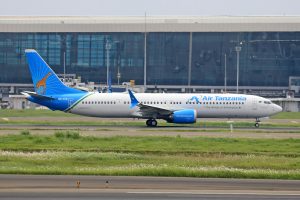
Airfare is one of the primary expenses when traveling to Tanzania. International flights vary based on the departure country, time of year, and airline. For instance, flights from Europe or the United States can range from $700 to $1,500 USD depending on peak seasons. Domestic flights to key destinations like Serengeti, Zanzibar, or Kilimanjaro add an additional cost but save significant travel time compared to road travel.
Visa fees are another consideration. Most visitors require a visa to enter Tanzania, which can be obtained online or upon arrival. The visa cost for most nationalities is around $50 USD for a single-entry tourist visa, but it is important to check current requirements before traveling. Therefore, understanding the Cost of Traveling Tanzania includes both international and domestic transportation, along with entry requirements. For detailed visa information:
👉 Tanzania Immigration Services
Accommodation Costs in Tanzania
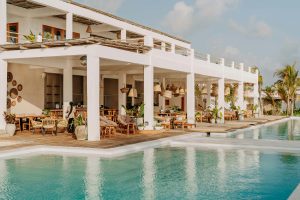
Tanzania offers a broad spectrum of accommodations, from luxury lodges inside national parks to budget hostels and local guesthouses. Luxury lodges such as those in the Serengeti or Ngorongoro Crater can range from $500 to over $1,500 per night, often including meals, guided safari drives, and park fees. Mid-range hotels and lodges typically cost between $100 and $300 per night, providing comfort and organized safari experiences. Budget accommodations, including hostels and guesthouses, may cost $20 to $50 per night, suitable for backpackers and travelers seeking a more immersive cultural experience.
Selecting accommodation directly impacts the Cost of Traveling Tanzania since it also determines the level of included services, transport arrangements, and meal options. For visitors seeking reliable booking and reviews, platforms like:
👉 Booking.com – Tanzania Hotels
👉 Airbnb Tanzania
provide current pricing and traveler insights.
Meals and Daily Expenses
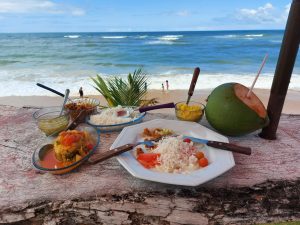
Food costs in Tanzania depend on dining style. Street food and local eateries can cost as little as $2–$5 per meal, while mid-range restaurants may charge $10–$25 per meal. Upscale lodges and hotels often include meals in the room package, adding convenience but higher costs. Snacks, bottled water, and soft drinks should also be factored into daily expenses.
Travelers planning a full safari experience should include park entry fees, guide tips, and activity charges in the overall Cost of Traveling Tanzania. Daily expenses for a budget traveler might average $30–$50 per day, whereas mid-range tourists could spend $100–$200 daily, and luxury travelers $400+ daily. For insights on Tanzanian cuisine and budget-friendly options:
👉 Lonely Planet – Tanzania Food Guide
Park Fees and Safari Costs
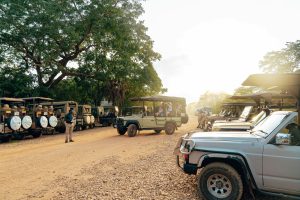
National park fees are a significant component of the Cost of Traveling Tanzania. Parks such as Serengeti, Ngorongoro Crater, Tarangire, and Selous have daily entry fees ranging from $40 to $70 per adult for non-residents. Guided safaris, game drives, and vehicle hire are additional costs. Safari operators offer packages including accommodations, meals, and transportation, providing convenience but affecting overall expenses.
For travelers keen on a comprehensive wildlife experience, booking through certified tour operators ensures safety, local expertise, and conservation support. Recommended resources include:
👉 Serengeti Safari Tours
👉 Tanzania National Parks Authority – TANAPA
2: TRANSPORTATION AND GETTING AROUND TANZANIA
Introduction to Transportation Costs
One of the key factors that affect the Cost of Traveling Tanzania is how travelers move within the country. Transportation options vary widely, from domestic flights, long-distance buses, trains, to private car hires. Selecting the most suitable transport method depends on budget, itinerary, comfort preference, and travel time. For example, a traveler aiming to visit Serengeti National Park, Ngorongoro Crater, and Zanzibar will need a combination of domestic flights, road transfers, and possibly ferries.
Transportation costs significantly influence the overall Cost of Traveling Tanzania, sometimes exceeding accommodation expenses for long multi-destination trips. Travelers need to understand the price range, convenience, and safety of each transport option. For official updates on Tanzania’s transport infrastructure and tips:
👉 Tanzania National Roads Agency – TANROADS
Domestic Flights: Time-Saving but Pricier
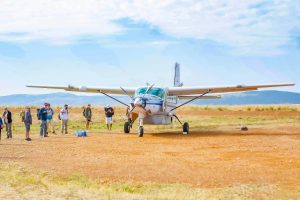
Domestic flights are the fastest way to cover long distances in Tanzania, connecting major tourist destinations such as Kilimanjaro, Arusha, Serengeti, and Zanzibar. Airlines like Air Tanzania, Precision Air, and Coastal Aviation operate frequent domestic routes. Ticket prices range from $80 to $250 per flight depending on distance, season, and availability.
Using domestic flights reduces travel time but adds to the Cost of Traveling Tanzania. For instance, a two-week itinerary covering northern safari parks can be significantly more efficient with internal flights than by road, especially if visiting Zanzibar. Travelers should book flights in advance and compare prices across airlines to secure the best deals. For flight schedules and bookings:
👉 Air Tanzania
👉 Precision Air
Road Travel: Buses, Shuttles, and Car Hires
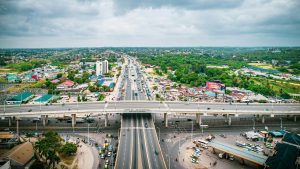
Road travel in Tanzania is popular for budget-conscious travelers or those seeking flexibility. Long-distance buses and shuttle services connect major cities and tourist hubs, with fares ranging from $10 to $40 depending on distance and bus class. Local minibuses, known as daladalas, are extremely cheap, usually under $1 for short urban rides, but can be crowded and less comfortable for long trips.
For a more convenient experience, car hires with or without drivers are widely available. Rental prices for a standard 4×4 vehicle start from $70 per day, excluding fuel, insurance, and park entry permits. Using a private vehicle gives flexibility in visiting multiple parks, remote villages, and hidden attractions. Including car hire or bus tickets in the Cost of Traveling Tanzania helps travelers estimate total expenses realistically. For rental options:
👉 Avis Tanzania
👉 SafariCarHire
Trains and Scenic Routes
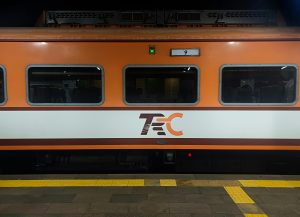
Tanzania’s railway system, while limited, offers unique travel experiences connecting Dar es Salaam to northern regions, Mwanza, and central Tanzania. Trains are generally affordable, with sleeper and standard class options ranging from $15 to $60 depending on the distance and class. Train travel is slower than flying but provides scenic views and a cultural immersion that buses cannot match.
Incorporating train journeys into a trip can affect the Cost of Traveling Tanzania slightly less than flights but offers a unique experience for travelers seeking adventure and scenic landscapes. For train schedules and ticket bookings:
👉 Tanzania Railways Corporation
Ferries and Coastal Transport
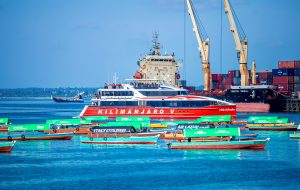
For visits to Zanzibar, Pemba, or Mafia Island, ferries provide an essential link between mainland Tanzania and its islands. Ferry prices vary based on class, speedboat vs. conventional ferry, and route. For example, a high-speed ferry from Dar es Salaam to Zanzibar costs around $35–$50 per person, while slower ferries are cheaper but take longer.
Considering ferry fares is important when calculating the Cost of Traveling Tanzania, particularly for multi-destination trips that include the coastal islands. Travelers should also budget for airport transfers and taxis on arrival at islands for smooth transport. For official ferry schedules and ticketing:
👉 Zanzibar Ferry Services
Local Transport in Cities and Towns
Within urban areas like Dar es Salaam, Arusha, or Moshi, travelers can rely on taxis, ride-hailing apps (Bolt, Uber), or public transport. Taxi rides generally cost $3–$10 for short distances, while ride-hailing apps may provide slightly cheaper and more reliable service. Daladalas remain the cheapest option for short trips but require familiarity with routes and a tolerance for crowded conditions.
Including local transport in your budget is critical to determine the total Cost of Traveling Tanzania. Efficient planning ensures that daily expenses do not exceed expectations while allowing safe and comfortable movement in towns and cities. For more on local transport tips:
👉 Lonely Planet – Getting Around Tanzania
Tips for Cost-Effective Travel Planning
To manage transportation costs effectively:
-
Book flights and ferries in advance to secure lower prices
-
Use shuttle buses for short routes to save on car hire
-
Share vehicles with other travelers for safari trips
-
Compare ride-hailing vs. taxis in cities for convenience and cost
-
Check official schedules for trains and ferries to avoid surprises
Strategically planning transportation helps control the Cost of Traveling Tanzania while ensuring an efficient, comfortable, and safe journey. Combining flights, road transport, and ferries according to itinerary optimizes both time and budget. For detailed travel planning resources:
👉 Tanzania Travel Guide – Rough Guides
3: ACCOMMODATION AND LODGING COSTS IN TANZANIA
Introduction to Accommodation Expenses
Accommodation is one of the most significant factors influencing the Cost of Traveling Tanzania. With a wide range of options, travelers can choose between luxury lodges, mid-range hotels, budget guesthouses, and unique safari camps. The choice of lodging not only affects the overall budget but also the comfort, convenience, and access to key attractions such as national parks, mountains, and coastal areas.
Luxury safari lodges in the Serengeti, Ngorongoro Crater, and Selous Game Reserve offer high-end amenities including guided safari drives, all-inclusive meals, private pools, and cultural activities. Prices for such accommodations typically range from $500 to over $1,500 per night. Mid-range lodges and hotels provide comfortable rooms, standard meals, and organized tours at $100–$300 per night. Budget travelers can find guesthouses, hostels, and small hotels for $20–$50 per night, giving a more immersive experience at lower cost. Understanding these options is crucial for calculating the Cost of Traveling Tanzania.
For travelers seeking trusted booking platforms and reviews:
👉 Booking.com – Tanzania
👉 Airbnb Tanzania
Luxury Lodges and Safari Camps
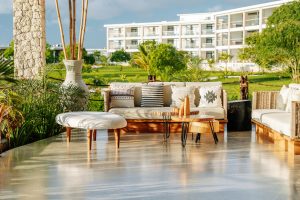
Tanzania is renowned for its luxury safari lodges, particularly in northern circuit parks like Serengeti, Ngorongoro Crater, and Tarangire. These lodges offer exclusive accommodations, often including safari vehicles, expert guides, gourmet meals, and cultural experiences. Choosing luxury lodges dramatically increases the Cost of Traveling Tanzania but delivers unmatched convenience, comfort, and immersive wildlife experiences.
Luxury options often provide personalized services such as private game drives, balloon safaris, and spa treatments, allowing travelers to enjoy wildlife and nature in style. Booking through certified operators ensures safety, sustainability, and contribution to local communities. For detailed lodge listings and packages:
👉 Serengeti Luxury Lodges
👉 Ngorongoro Luxury Safari Camps
Mid-Range Hotels and Lodges
Mid-range accommodations are ideal for travelers seeking comfort without paying premium prices. These hotels and lodges offer clean rooms, private bathrooms, Wi-Fi, meals, and guided tours at moderate rates. They often provide access to parks, mountains, and cultural sites while maintaining a balance between affordability and convenience.
Mid-range lodging options in cities such as Arusha, Moshi, and Dar es Salaam allow travelers to manage daily budgets effectively while enjoying essential amenities. Including mid-range stays in your itinerary helps control the Cost of Traveling Tanzania without compromising experience quality. For mid-range accommodation booking:
👉 TripAdvisor Tanzania Hotels
Budget Guesthouses, Hostels, and Campsites
For budget-conscious travelers, Tanzania offers guesthouses, hostels, and campsites. Guesthouses provide basic rooms with local charm and personalized attention, while hostels cater to backpackers with shared facilities. Campsites near national parks allow for authentic outdoor experiences and significantly reduce lodging expenses.
Daily lodging costs for budget travelers can range from $10–$50 per night, depending on location, season, and facilities. Staying in budget accommodations allows for reallocating funds to safaris, guided tours, or cultural experiences, optimizing the Cost of Traveling Tanzania. For budget-friendly bookings:
👉 Hostelworld – Tanzania
👉 Camping in Tanzania
Seasonal Variations and Peak Pricing
Tanzania experiences peak travel seasons, particularly during the dry months of June to October and the short dry season of late December to February. During these periods, accommodation prices increase due to high demand. Conversely, the rainy season (March to May) offers lower rates and fewer crowds but may present accessibility challenges in certain parks.
Travelers planning in advance and considering off-peak travel can significantly reduce the Cost of Traveling Tanzania. Comparing prices online, securing early bookings, and choosing alternative locations can make a substantial difference. For updated seasonal pricing and tips:
👉 Tanzania Tourism Board
Tips for Reducing Accommodation Costs
-
Book well in advance, especially during peak safari seasons
-
Combine accommodations with tour packages for better deals
-
Consider staying in towns outside parks and commuting daily
-
Use trusted booking platforms to compare prices and reviews
-
Opt for shared accommodations or group lodges for budget-friendly rates
Incorporating these strategies allows travelers to manage the Cost of Traveling Tanzania efficiently while enjoying safe, comfortable, and memorable lodging experiences. For practical guides and traveler advice:
👉 Lonely Planet – Tanzania Accommodation
4: FOOD, DINING, AND DAILY EXPENSES IN TANZANIA
Introduction to Food and Daily Expenses
When calculating the Cost of Traveling Tanzania, daily expenses, particularly for food and dining, are a significant component. Tanzania offers a variety of culinary experiences, from street food stalls to high-end restaurants and luxury lodge dining. Travelers can enjoy local dishes, international cuisine, and unique safari meal packages depending on their budget and taste preferences. Understanding daily costs for meals, snacks, beverages, and miscellaneous items is essential for planning a comfortable and affordable trip.
Daily expenses also encompass transportation within cities, minor entrance fees to local attractions, tipping, and incidental purchases such as bottled water or souvenirs. Combining these costs with accommodation, transport, and safari expenses allows travelers to estimate the overall Cost of Traveling Tanzania accurately. For detailed budget planning:
👉 Lonely Planet – Tanzania Travel Costs
Street Food and Local Eateries
Street food and small local restaurants, known as “mama lishe” or informal food stalls, offer the most affordable meals in Tanzania. Popular dishes include chapati, ugali with vegetables or meat, mishkaki (grilled meat skewers), samosas, and fresh fruit. Prices range from $1 to $5 per meal depending on portion size and ingredients.
For budget-conscious travelers, eating at local eateries can significantly reduce the Cost of Traveling Tanzania. It also provides an authentic cultural experience, allowing visitors to immerse themselves in Tanzanian daily life. Street food is especially common in cities like Dar es Salaam, Arusha, and Moshi. For hygiene and safety tips:
👉 TravelHealthPro – Tanzania Food Safety
Mid-Range Restaurants and Cafés
Mid-range restaurants in urban centers and tourist towns offer a variety of local and international dishes at moderate prices, generally ranging from $10 to $25 per meal. These restaurants often provide a comfortable dining atmosphere, reliable service, and access to familiar dishes for travelers not accustomed to local cuisine.
Incorporating mid-range dining into your itinerary helps balance the Cost of Traveling Tanzania with convenience and comfort. Many mid-range restaurants also serve traditional Tanzanian meals such as pilau (spiced rice), nyama choma (grilled meat), and seafood along the coastal regions. For restaurant recommendations:
👉 TripAdvisor – Tanzania Restaurants
Luxury Dining and Lodge Meals
Luxury lodges and hotels provide all-inclusive dining options, which may include multiple courses, gourmet meals, and specialty drinks. Prices are typically integrated into accommodation packages but can range from $50 to $150 per person per day if booked separately. Dining at these establishments not only delivers high-quality food but also complements safari experiences with themed dinners and cultural performances.
High-end meals influence the Cost of Traveling Tanzania, especially for travelers on luxury safari packages. Including these costs ensures that the budget reflects both accommodation and dining standards for a complete planning perspective. For insights on lodge dining:
👉 Serengeti Luxury Lodges – Dining
Beverages, Snacks, and Miscellaneous Expenses
Beyond main meals, travelers must budget for beverages such as bottled water, soft drinks, coffee, and local juices. Bottled water is essential due to health considerations and costs approximately $0.50–$1.50 per bottle. Snacks, fruits, and light meals purchased from markets or roadside stalls can range from $1 to $3 each.
These minor expenses, often overlooked, contribute meaningfully to the overall Cost of Traveling Tanzania. Travelers should plan for daily miscellaneous costs, especially when on safaris or remote excursions where convenience items may be priced higher. For beverage and snack safety tips:
👉 CDC – Tanzania Travel Health
Daily Budget Planning and Tips
To manage food and daily expenses efficiently:
-
Mix local street food, mid-range dining, and lodge meals according to budget
-
Carry bottled water and reusable containers to reduce costs and environmental impact
-
Take advantage of meal plans offered by lodges or hotels
-
Budget approximately $30–$50/day for budget travelers, $70–$150/day for mid-range, and $200+/day for luxury travelers
-
Always include minor expenses like tips, snacks, and drinks
Proper planning of daily expenses is essential for controlling the Cost of Traveling Tanzania while ensuring comfort, convenience, and cultural immersion. For comprehensive travel budgeting tips:
👉 Rough Guides – Tanzania Travel Costs
5: SAFARI AND PARK FEES IN TANZANIA
Introduction to Safari Costs
A major component of the Cost of Traveling Tanzania is safari expenses. Tanzania is renowned for its world-class national parks and wildlife reserves, including Serengeti, Ngorongoro Crater, Tarangire, Selous, and Ruaha. Safari costs vary widely depending on the duration, accommodation, number of game drives, park entry fees, and the type of vehicle or guide chosen. Understanding these costs is essential to plan a realistic budget while enjoying a comprehensive wildlife experience.
The total Cost of Traveling Tanzania for safaris depends on park selection, travel season, and the level of comfort desired. Luxury lodges with guided safaris are more expensive but include most fees, meals, and activities, whereas budget travelers may arrange self-drive tours or join group safaris for lower costs. For official park information and updates:
👉 Tanzania National Parks – TANAPA
National Park Entrance Fees
Entry fees for Tanzania’s national parks are charged per day and vary between residents and non-residents. For example:
-
Serengeti National Park: $60–$70/day per adult for non-residents
-
Ngorongoro Conservation Area: $70/day per adult
-
Tarangire National Park: $45/day per adult
-
Selous Game Reserve: $50–$60/day per adult
Including these fees in your itinerary is crucial when calculating the Cost of Traveling Tanzania. National park fees often cover access to wildlife viewing areas but exclude private guides, vehicle hire, or additional activities like walking safaris or balloon rides. For fee updates:
👉 Serengeti National Park Fees
Guided Safari Costs
Guided safaris enhance the experience by providing expert knowledge of wildlife, conservation, and park navigation. Guides can be hired individually or as part of a lodge package. Daily rates for professional safari guides range from $50 to $150 per day, often including a 4×4 vehicle and fuel.
For budget-conscious travelers, joining a group safari can significantly reduce the Cost of Traveling Tanzania while still benefiting from expert guidance. Group safaris provide a social and educational experience, with shared transportation and pooled resources. For reputable safari operators:
👉 SafariBookings Tanzania
Vehicle Hire and 4×4 Costs
A 4×4 vehicle is essential for most safari trips due to the rough terrain in parks and remote areas. Rental prices range from $70–$150 per day, depending on the vehicle type, insurance, and fuel costs. Including vehicle hire is a critical component of the Cost of Traveling Tanzania, particularly for self-drive safaris or private tours.
Hiring a vehicle with a driver-guide adds convenience and expertise, while self-drive tours allow flexibility for adventurous travelers. Many safari lodges and operators also offer bundled packages that include transportation, park entry, and meals, simplifying budgeting. For rental options:
👉 Safari Car Hire – Tanzania
👉 Avis Tanzania
Additional Safari Activities
Beyond standard game drives, additional safari activities include:
-
Hot air balloon rides over Serengeti ($450–$550 per person)
-
Walking safaris in protected areas ($50–$100 per person)
-
Cultural visits to Maasai villages ($20–$50 per person)
These activities add unique experiences but also increase the Cost of Traveling Tanzania. Travelers should prioritize activities based on interest, time, and budget. Advanced booking often secures better rates and availability, especially for hot air balloon rides. For safari experience planning:
👉 Serengeti Balloon Safaris
Tips to Optimize Safari Spending
-
Book early to take advantage of seasonal discounts
-
Combine park visits in a circuit to minimize travel and accommodation costs
-
Join shared tours to reduce per-person cost for guides and vehicles
-
Confirm inclusions (meals, park fees, game drives) before booking packages
-
Consider mid-range lodges or tented camps for affordable luxury experiences
These strategies help manage the Cost of Traveling Tanzania effectively while ensuring a memorable safari experience. Proper planning allows travelers to enjoy the country’s world-famous wildlife without overspending. For budgeting guides and safari itineraries:
👉 Rough Guides – Tanzania Safaris
