

November 10, 2026
Kilimanjaro Climbing Guide
Best Month to Climb Mt. Kilimanjaro: A Complete Month-by-Month Guide
Choosing the best month to climb Mt. Kilimanjaro is one of the most important decisions when planning your Tanzania adventure. The month you select can influence the weather you experience, the condition of the mountain trails, the number of other trekkers on the routes, and the views you enjoy along the way to Uhuru Peak.
Standing at 5,895 metres above sea level, Mount Kilimanjaro is Africa's highest mountain and one of the world's most remarkable trekking destinations. Climbers travel through rainforest, heathland, alpine desert and the high-altitude summit environment before reaching the famous Uhuru Peak. Each zone has its own climate, and conditions can change considerably during a single day.
The good news is that Kilimanjaro can be climbed throughout the year. However, some months generally offer more favourable trekking conditions than others. The two main climbing windows are January to early or mid-March and June to October. These periods usually provide better opportunities for clearer skies and more manageable trail conditions than the main rainy seasons.
In this guide, Nativesons Expeditions explains the best month to climb Mt. Kilimanjaro, what to expect throughout the year, and how to select a climbing date that matches your travel plans, experience and expectations.
Destination: Mount Kilimanjaro, Northern Tanzania | Travel guide by Nativesons Expeditions
What Is the Best Month to Climb Mt. Kilimanjaro?
For most travellers, September is one of the best months to climb Mt. Kilimanjaro because it generally falls within the main dry season. It often offers a good balance of relatively dry trails, clearer mountain views and slightly reduced crowds compared with the busiest July and August period.
January and February are also excellent choices for climbers who prefer the shorter dry season. These months can bring pleasant trekking conditions, good visibility on many days and a different atmosphere on the mountain.
Main dry season
June to October
A popular climbing period, generally associated with drier trails and good opportunities for mountain views. July and August are particularly busy.
Short dry season
January to mid-March
Another favourable climbing window, often attractive to travellers looking for good conditions outside the busiest middle-of-the-year period.
Our recommendation: Consider September for a balance of weather and crowd levels, or January and February if you prefer the earlier dry-season window. No month guarantees clear skies or a successful summit. Proper acclimatisation, a suitable itinerary and experienced mountain support remain essential.

Understanding Mount Kilimanjaro's Weather and Climbing Seasons
Before selecting the best month to climb Mt. Kilimanjaro, it helps to understand how the mountain's weather works. Kilimanjaro is located close to the equator, but its height creates several distinct climate zones. The weather at the mountain base can be warm and humid while the summit experiences freezing temperatures, strong winds and occasional snowfall.
Rainfall is also not evenly distributed across the mountain. The forest and lower slopes receive considerably more moisture than the upper alpine desert. In addition, conditions can differ between the northern, southern and western sides of the mountain. This is one reason why choosing a climbing month should go hand in hand with choosing the right route.
The two main dry climbing seasons
The first favourable period usually runs from January to early or mid-March. January and February are commonly chosen by climbers looking for a quieter alternative to the main mid-year season. March becomes increasingly uncertain as the long rains approach, particularly towards the second half of the month.
The second major window generally runs from June to October. This is the main climbing season for many international visitors. July, August and September attract significant numbers of trekkers, while June and October can offer useful alternatives depending on the weather pattern in a particular year.
The rainy seasons
Tanzania experiences a longer rainy period around March to May, commonly known as the long rains. April and May are generally the wettest and least predictable months for a conventional Kilimanjaro trekking holiday. Trails can become muddy, cloud cover may reduce visibility, and prolonged wet conditions can make the journey more demanding.
A shorter rainy period usually occurs around November, although its timing and intensity vary. Rain showers can affect the lower forest sections and some exposed camps, but the mountain may still be climbed with suitable preparation and a flexible itinerary.
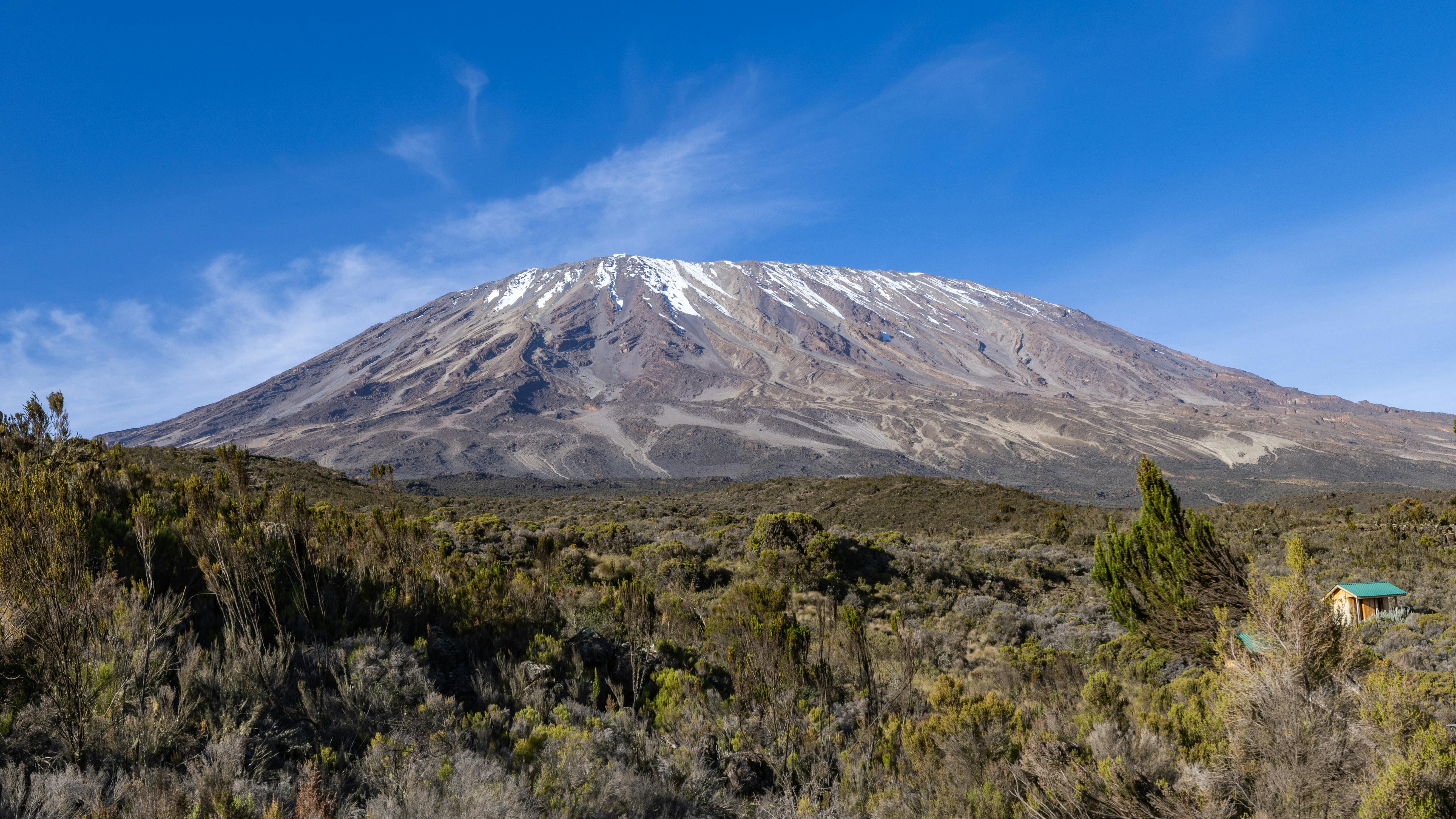
Important: Kilimanjaro weather is unpredictable. Even during the dry season, climbers should be prepared for rain, cold temperatures, wind and changing visibility. Always pack proper waterproof and insulated clothing.
Best Month to Climb Mt. Kilimanjaro: Month-by-Month Guide
Each month offers a slightly different experience on Kilimanjaro. Some are popular because of their generally favourable weather, while others appeal to travellers who prefer quieter trails or have limited travel dates. The following overview can help you decide when to plan your climb.
January – A Great Month for Kilimanjaro Trekking
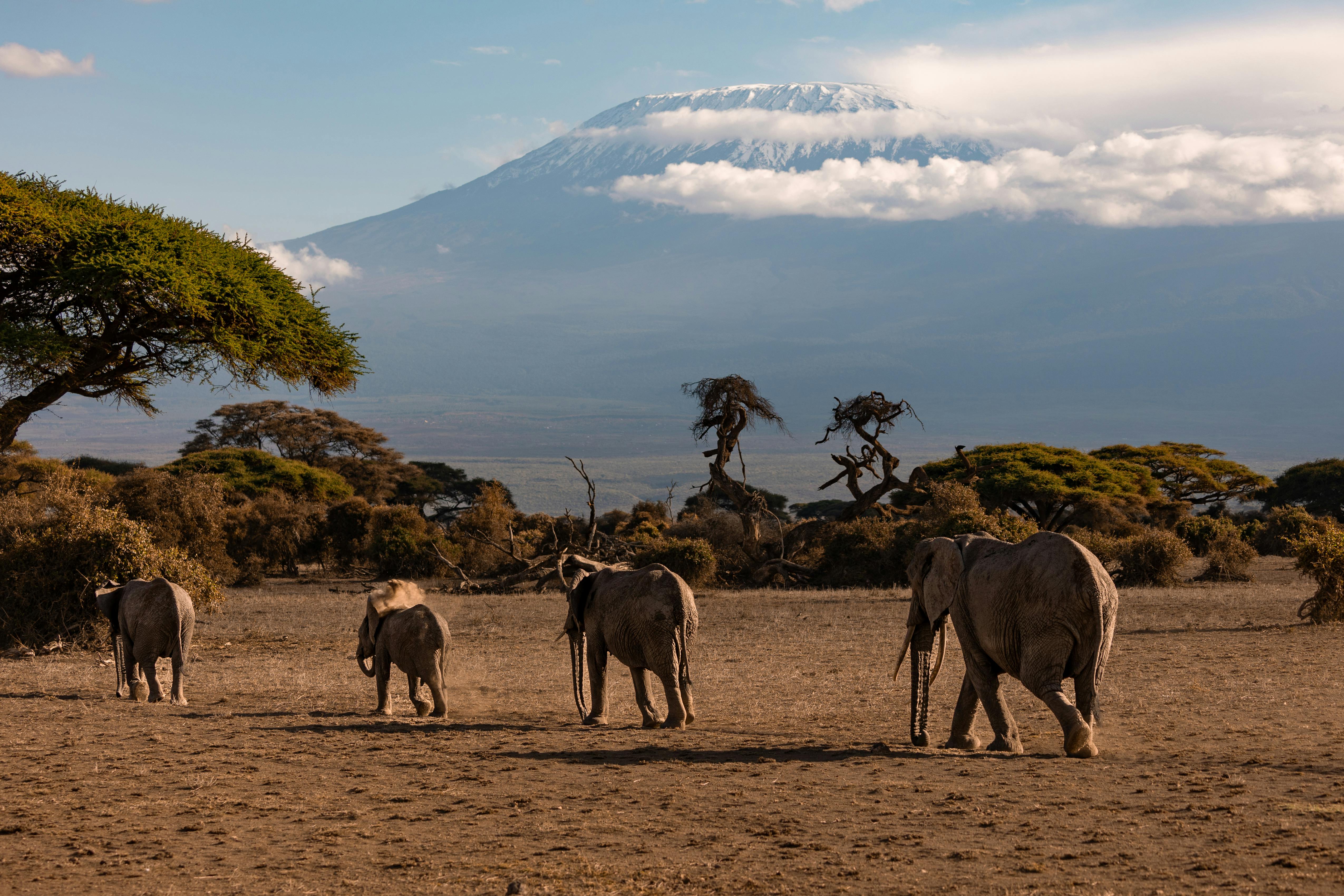
January is one of the most attractive months for climbing Mount Kilimanjaro. It falls within the shorter dry-season window, when trekking conditions are often favourable and the mountain can offer impressive views. The weather is generally warmer than during the middle of the year, although temperatures at higher camps remain cold.
Many travellers choose January because it offers an opportunity to experience Kilimanjaro outside the busiest July and August period. Clear mornings can provide beautiful views of the surrounding landscape, while the higher slopes may still have snow and ice.
January is particularly suitable for travellers who want to combine their mountain adventure with a Tanzania wildlife safari. After descending, visitors can continue to destinations such as Tarangire, Serengeti or Ngorongoro, depending on their available time.
Best for: Climbers looking for a favourable early-year trekking window and opportunities to combine climbing with a safari.
February – Excellent Conditions and Beautiful Summit Scenery

February is another excellent month to consider for a Kilimanjaro expedition. It is generally part of the short dry season, and many climbers appreciate the possibility of relatively stable conditions. The days can be pleasant in the lower zones, while the summit environment remains extremely cold.
Snow may be visible around the upper mountain during this period, adding a dramatic appearance to the summit landscape. However, snow and ice conditions can change, so climbers should follow their guides' advice and use suitable equipment.
If you are searching for the best month to climb Mt. Kilimanjaro with a combination of good trekking opportunities and a potentially less crowded experience than the mid-year peak, February deserves serious consideration.
Best for: Travellers who prefer the early-year climbing season and do not mind cold summit conditions.
March – A Month of Changing Weather
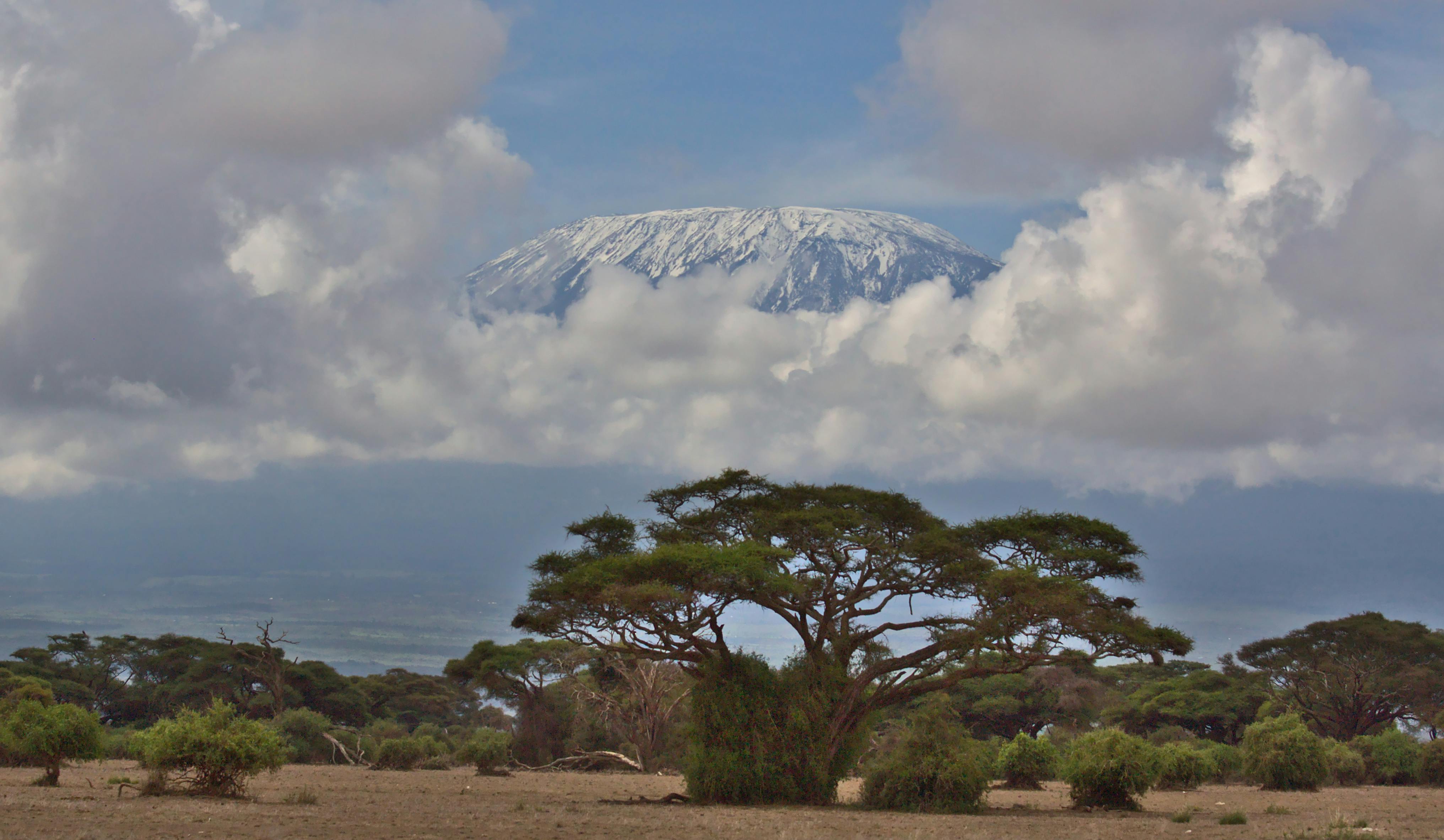
March is a transition month. The first part of the month may still offer favourable trekking opportunities, but rainfall becomes increasingly likely as the long rainy season approaches. Conditions can vary significantly from one year to another.
Climbers considering March should pay close attention to the intended departure date rather than treating the entire month as one consistent weather period. Early March and late March can provide quite different experiences.
If your travel dates are flexible, January or February may be more predictable choices within the early-year window. If March is your only option, discuss current conditions, route selection and equipment with your local operator.
Best for: Flexible travellers considering an early-March departure with an experienced guide and realistic expectations.
April – The Main Long-Rain Season
April is generally one of the wettest months around Mount Kilimanjaro. Rainfall can be frequent on the lower slopes, particularly in the rainforest zone. Wet trails, cloud cover and reduced visibility may make the trekking experience more challenging.
Although it is possible to climb during this period, April is not usually the first choice for travellers planning their first Kilimanjaro expedition. The mountain environment can be beautiful in the rain, but the additional discomfort and changing conditions require good waterproof equipment and careful preparation.
Best for: Experienced and flexible travellers who understand the challenges of wet-season trekking. It is generally not our first recommendation for a first-time climber.
May – Wet Conditions and Quieter Trails

May is also associated with the long rains. The mountain can experience persistent moisture, slippery paths and limited views, particularly in the forest and lower camps. The weather is not necessarily identical every day, but the overall conditions are less predictable than during the dry seasons.
One advantage of this period is that fewer climbers may be on the mountain compared with the main peak season. However, fewer people on the trail does not automatically make a climb easier or safer. Weather, visibility, cold and trail conditions still need to be considered carefully.
Best for: Travellers with flexible schedules who are comfortable with wet-weather trekking. Many first-time visitors may prefer another month.
June – The Beginning of the Main Dry Season
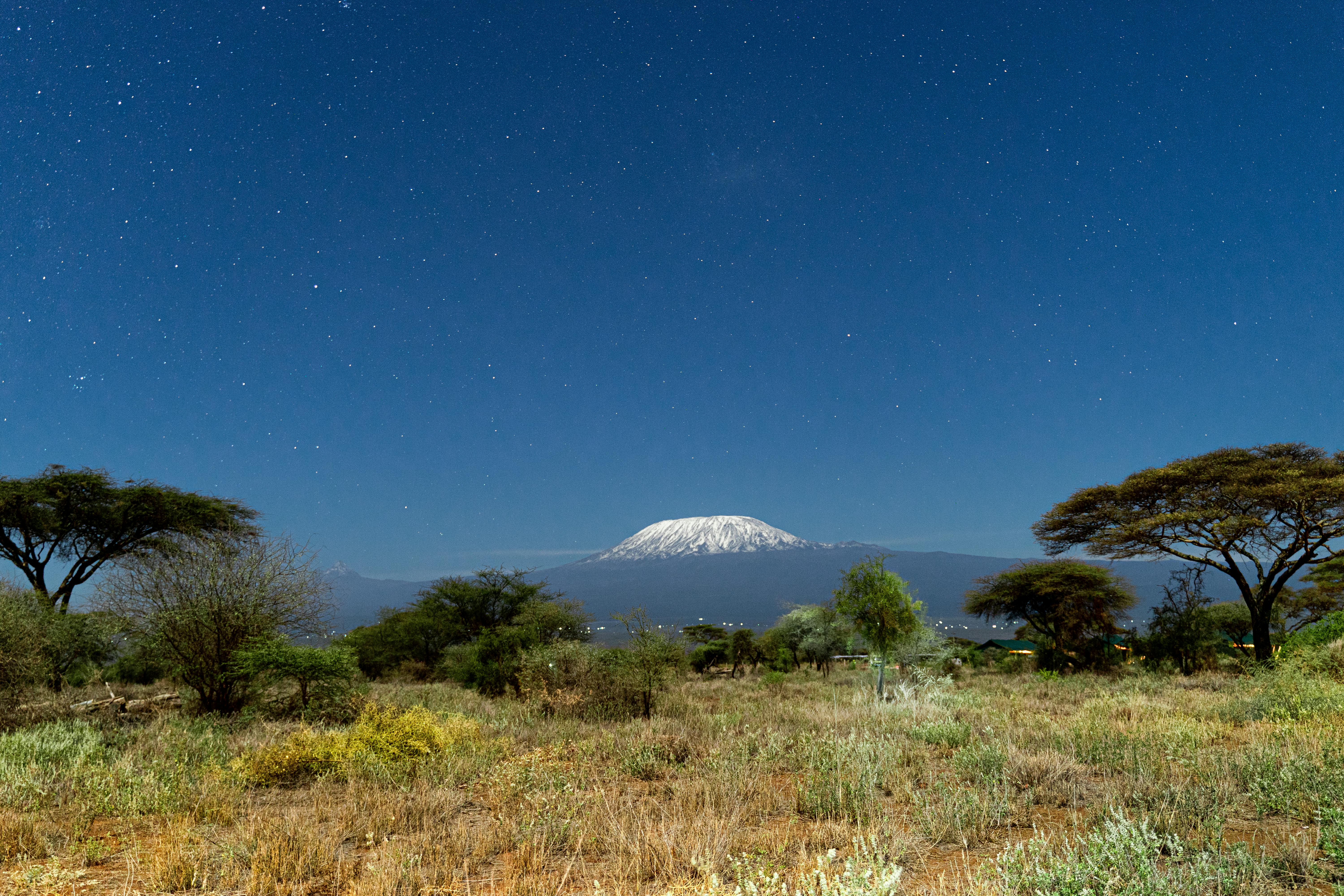
June marks the beginning of the main dry-season climbing window. Conditions generally become more favourable after the long rains, although early June can still have some lingering cloud or moisture in certain areas.
Temperatures can feel cold, especially at night and at higher camps. Climbers should bring insulated clothing and a reliable sleeping system. As the month progresses, trekking conditions often become more settled.
June is a good option for travellers who want to climb before the busiest part of the mid-year season. It can also work well for visitors planning a longer Tanzania holiday that includes a safari after their mountain trek.
Best for: Travellers seeking the start of the main dry season and potentially fewer crowds than July and August.
July – A Popular Month for Climbing Kilimanjaro
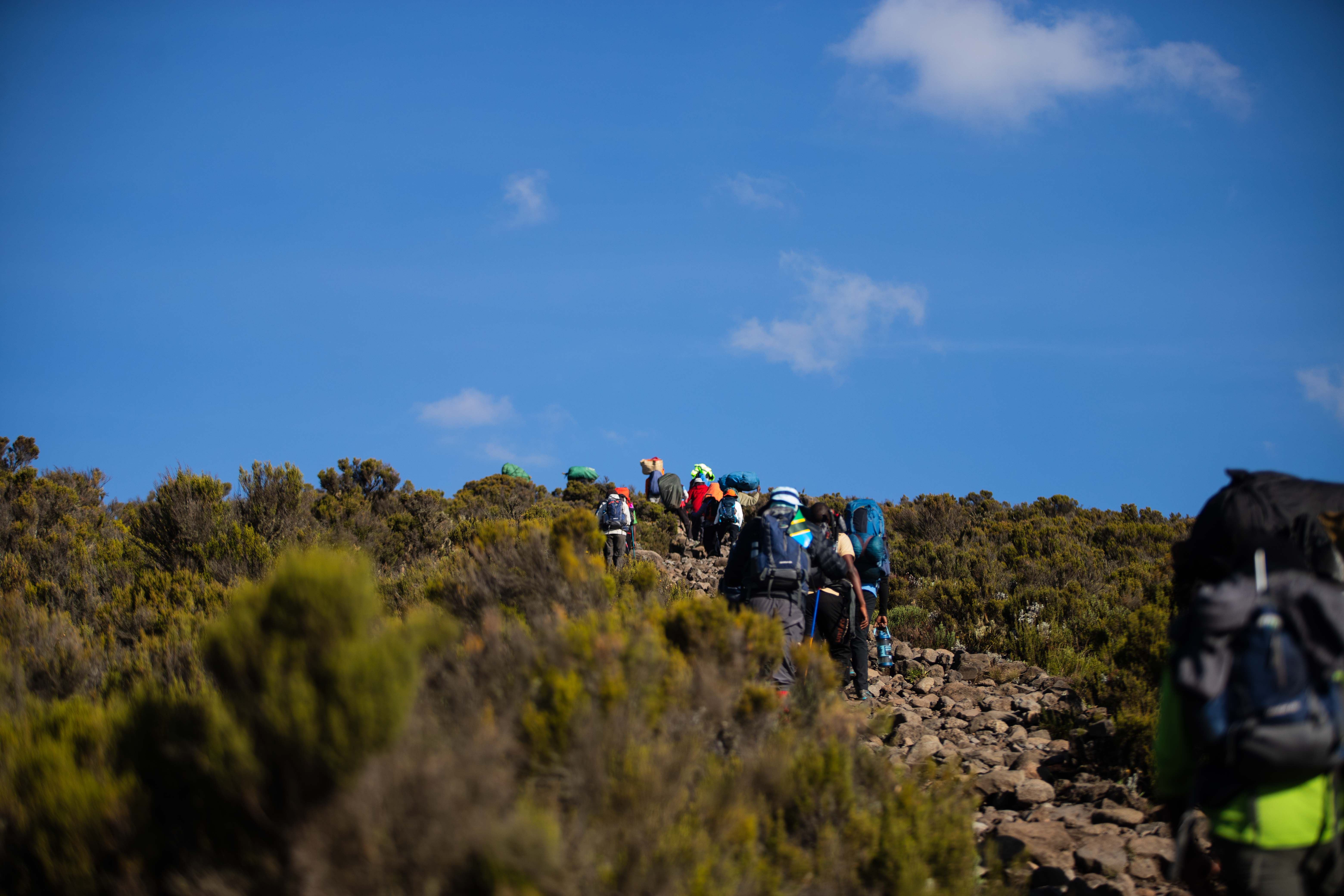
July is one of the busiest months for climbing Mount Kilimanjaro. It falls within the main dry season, and many international travellers choose this period because of its generally favourable trekking conditions.
The trails are often drier than during the rainy seasons, and visibility can be excellent. However, the popularity of July means that some camps and frequently used routes can feel busy. Booking early is advisable if you have fixed travel dates.
Do not confuse favourable weather with warm summit temperatures. The higher mountain can be extremely cold, particularly during the final ascent to Uhuru Peak, which commonly begins around midnight.
Best for: Climbers who prioritise the main dry season and are comfortable sharing popular trails with other trekkers.
August – Dry Season and High Demand
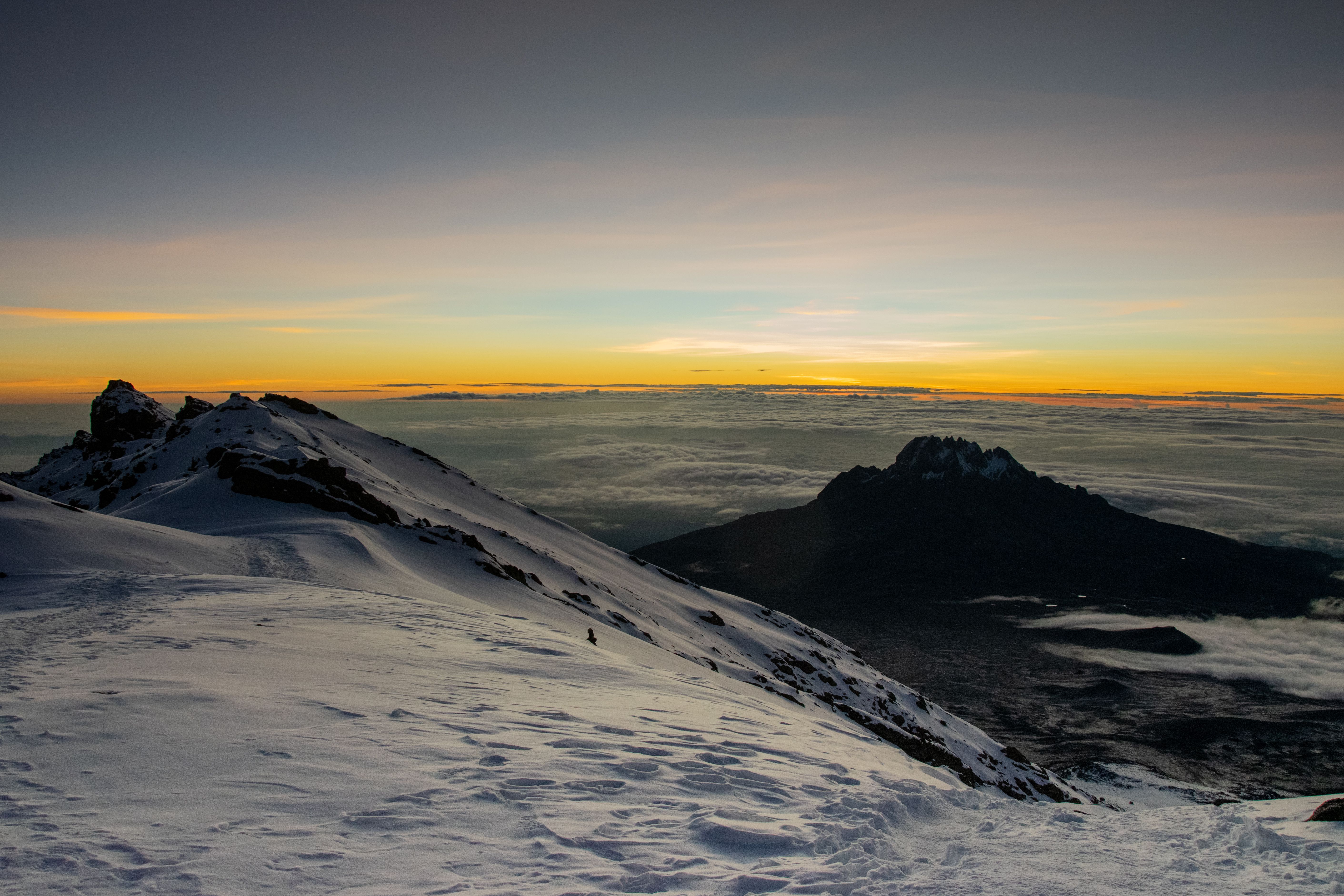
August is another very popular month for Kilimanjaro trekking. It usually offers dry-season conditions, making it attractive to travellers who want to plan their climb during the northern hemisphere summer holiday period.
The mountain can provide excellent views, although cloud and wind remain possible. Because demand is high, it is sensible to arrange your itinerary, accommodation and mountain crew well in advance.
Climbers should also prepare for cold nights and the possibility of strong winds at exposed camps. A quality layering system is essential, particularly for the summit night.
Best for: Travellers with fixed summer holiday dates who want to climb during the established dry season.
September – One of the Best All-Round Months
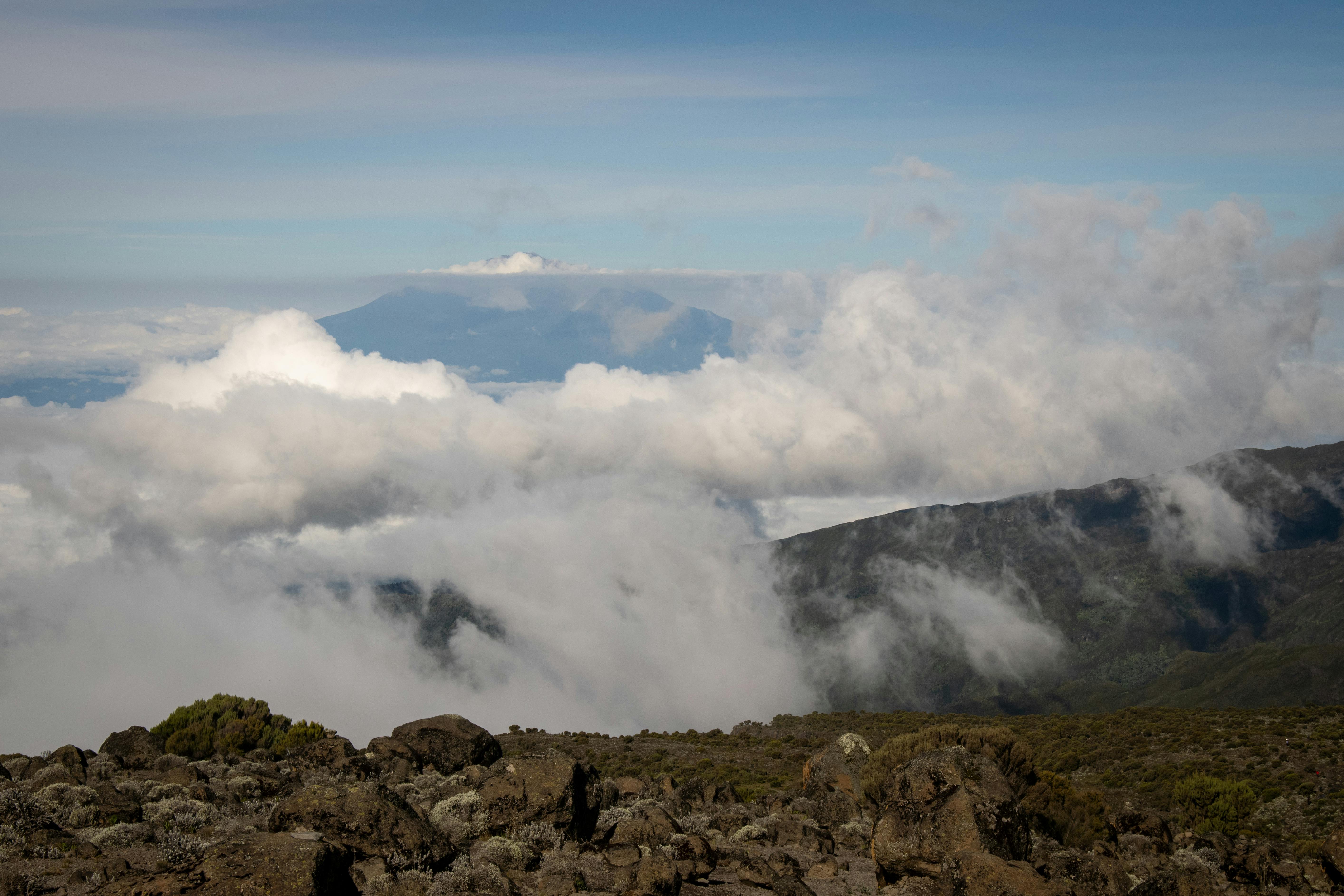
September is often considered one of the best months to climb Mt. Kilimanjaro. It remains within the main dry season and can offer a strong combination of favourable trekking conditions and slightly reduced crowds compared with the busiest weeks of July and August.
The mountain's landscapes can be particularly rewarding during this period. On clear days, climbers may enjoy expansive views across the surrounding plains and the different ecological zones along their route.
September is also a useful month for travellers who want to combine a Kilimanjaro climb with a Tanzania safari. Depending on your itinerary, you may continue to Serengeti National Park, Ngorongoro Conservation Area or Tarangire National Park after descending.
Best for: Travellers looking for a balance of dry-season conditions, mountain scenery and a popular but potentially less crowded alternative to peak July and August dates.
October – A Good Late Dry-Season Option

October is generally part of the later dry-season window. It can be a rewarding month for climbing, particularly for travellers who want to avoid some of the busiest mid-year weeks.
Conditions can still be favourable, although the possibility of short rains tends to increase towards the end of the month in some years. Climbers should therefore remain prepared for changing weather rather than assuming that every October departure will be completely dry.
Best for: Travellers looking for a late-season climb and some flexibility around departure dates.
November – The Short Rainy Season

November is commonly associated with Tanzania's short rains. Rain showers may affect the lower slopes, while cloud cover can influence mountain views. The intensity and timing of rainfall vary from year to year.
Some climbers choose November because the mountain can be quieter than during the main dry-season peak. The northern side of Kilimanjaro is generally drier than the southern slopes, which may influence route discussions with your operator.
However, route selection should never be based on rainfall alone. The itinerary, acclimatisation schedule, guide experience and current mountain conditions are equally important.
Best for: Flexible travellers who prefer quieter trekking conditions and are prepared for possible rain.
December – A Variable Month with Good Climbing Opportunities
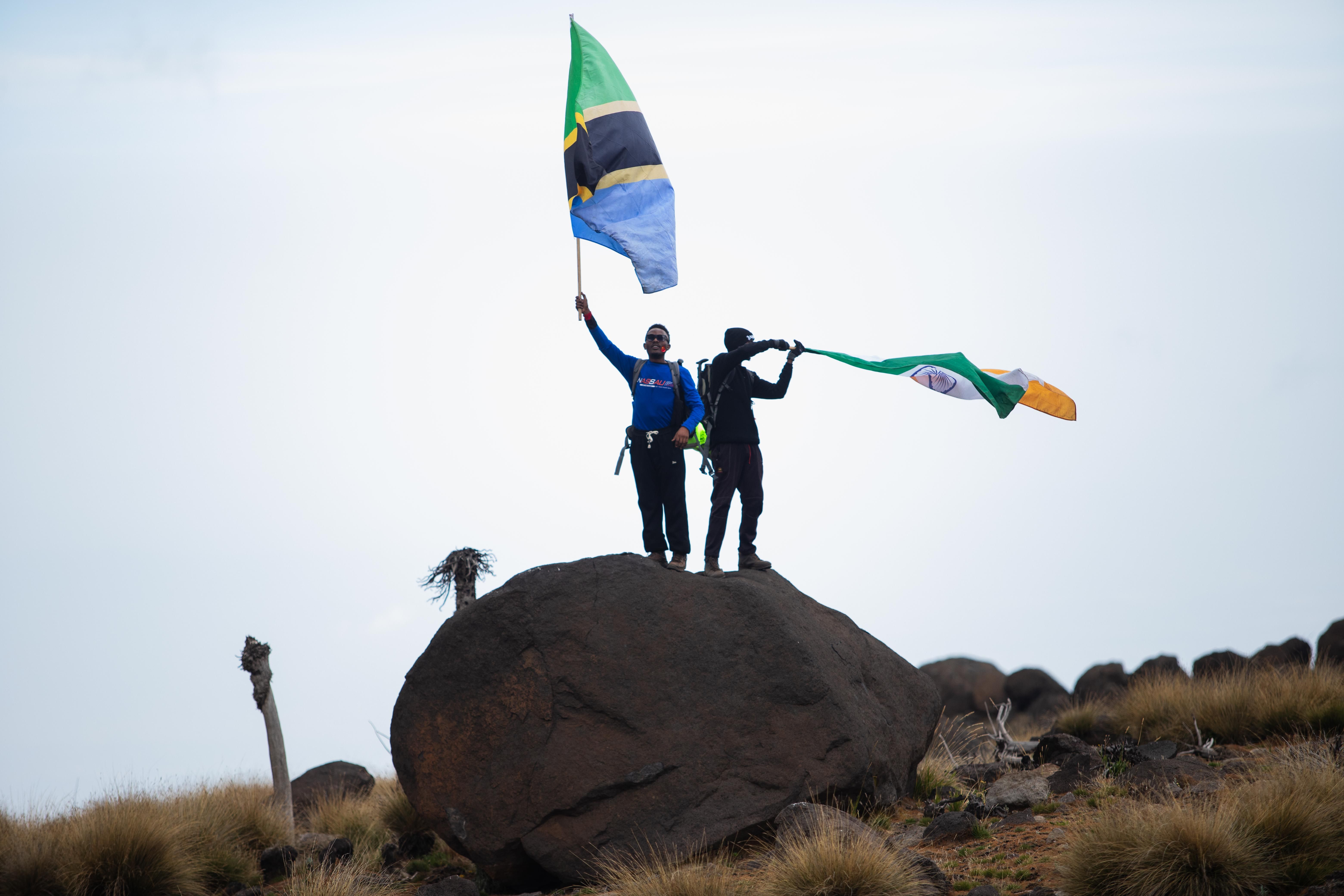
December is a transitional month. The short rains may continue during part of the month, but conditions can become more favourable as the year progresses. The second half of December is popular with travellers taking advantage of Christmas and New Year holidays.
Weather can vary considerably, so it is important to discuss the exact departure date with your climbing operator. A December climb can be a wonderful way to finish the year, provided you prepare for changing temperatures and possible rainfall.
Best for: Holiday travellers with flexible dates who want to experience Kilimanjaro before or during the festive season.
Mount Kilimanjaro Climbing Months Compared
The table below provides a practical overview of the main climbing periods. These are general seasonal patterns, not a daily weather forecast or a guarantee of conditions on a particular departure.
| Month | General conditions | Crowd tendency | Overall consideration |
|---|---|---|---|
| January | Generally dry-season conditions | Moderate to busy | Very good option |
| February | Generally favourable, cold summit | Moderate | Very good option |
| March | Increasing rainfall risk | Variable | Early month is preferable |
| April | Long rainy season | Generally quieter | Usually not preferred |
| May | Long rainy season | Generally quieter | Usually not preferred |
| June | Dry season begins | Increasing | Good option |
| July | Generally dry and cold | High | Excellent but busy |
| August | Generally dry and cold | High | Excellent but busy |
| September | Generally dry | Moderate to high | Excellent all-round option |
| October | Late dry season; rain risk increases | Moderate | Good option |
| November | Short rains | Generally quieter | Possible with preparation |
| December | Variable; seasonal transition | Variable | Good potential, especially later dates |
Seasonal descriptions are broad planning guidance. Conditions differ by altitude, route, year and individual departure date.
Which Month Should You Choose for Your Kilimanjaro Climb?
The best month to climb Mt. Kilimanjaro is not necessarily the same for every traveller. Your ideal departure depends on what matters most to you: weather, crowd levels, holiday dates, photography opportunities or combining the climb with other destinations in Tanzania.
For generally favourable weather
Consider January, February, July, August or September. These months fall within the two main dry-season windows, although local conditions can still change.
For a potentially quieter climb
Consider January, February or the shoulder periods, depending on your dates and route. Quieter conditions should not replace proper weather and safety planning.
For a summer holiday climb
July, August and September are popular choices for international travellers planning their Tanzania holiday around the middle of the year.
For combining climbing and safari
January, February, July, August and September can all work well. Allow enough days for the mountain and recovery before starting a demanding safari itinerary.
Does Your Kilimanjaro Route Affect the Best Month to Climb?
Yes. While the two main dry seasons are useful for planning, the route you choose also influences your experience. Different approaches to Kilimanjaro pass through different landscapes and can encounter different weather patterns.
A good climbing operator should consider your travel dates, available days, experience and acclimatisation needs before recommending a route. The shortest itinerary is not automatically the best choice, especially when the goal is to reach Uhuru Peak safely.
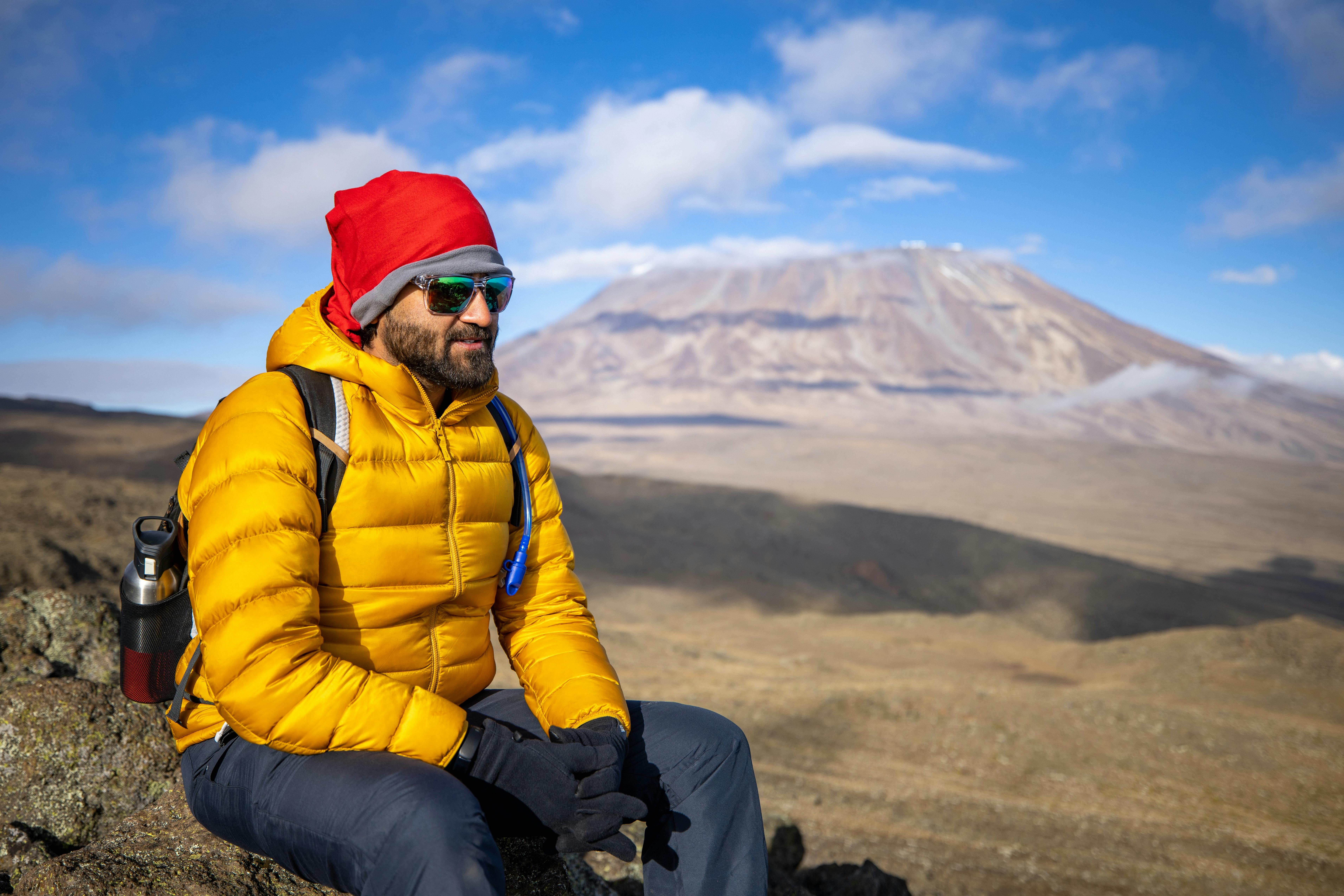
Machame Route
The Machame Route is known for its varied scenery and camping experience. It is a popular option for climbers who want a scenic approach and an itinerary that can include useful acclimatisation opportunities. A seven-day itinerary is generally preferable to rushing the route over fewer days.
Lemosho Route
Lemosho is valued for its scenic western approach and longer itinerary options. It offers a gradual journey across several mountain environments. An eight-day plan is commonly considered by travellers seeking more time for acclimatisation.
Rongai Route
Rongai approaches Kilimanjaro from the northern side, close to the Kenya border. This side generally receives less rainfall than the southern slopes, which can make it worth discussing during periods of less predictable weather. However, no route is guaranteed to remain dry.
Marangu Route
Marangu is the only standard Kilimanjaro route with mountain hut accommodation. It follows a different ascent and descent arrangement from most camping routes. Travellers should select an itinerary with enough days for acclimatisation rather than choosing it solely because of the hut facilities.
Northern Circuit
The Northern Circuit is a longer route that travels around the northern side of the mountain. Its extended itinerary gives climbers more time on the mountain and can support gradual acclimatisation. It is a strong option for visitors who have enough time for a longer expedition.
Route planning tip: Ask your operator about the full itinerary, daily elevation gain, sleeping altitude, acclimatisation schedule and descent plan. The number of days spent climbing is a major planning consideration, not just the month you travel.
Explore our Kilimanjaro climbing packages to compare available routes and itinerary options.
Why Acclimatisation Matters More Than Choosing a Perfect Month

Choosing the best month to climb Mt. Kilimanjaro is important, but good weather alone does not guarantee a successful summit. Kilimanjaro reaches 5,895 metres, where the air pressure is much lower than at sea level. Your body needs time to adjust to the reduced availability of oxygen as you gain altitude.
Altitude illness can affect climbers regardless of age, fitness or previous hiking experience. A physically fit traveller can still develop altitude-related symptoms, which is why a responsible itinerary must include an appropriate acclimatisation schedule.
Many experienced operators recommend choosing a longer route itinerary where possible. Walking slowly, following your guide's instructions, drinking regularly and reporting symptoms early are important parts of responsible high-altitude trekking.
Practical ways to prepare for altitude
- Choose an itinerary that allows adequate time for acclimatisation.
- Walk at a comfortable pace and avoid unnecessary rushing.
- Follow your mountain guide's instructions throughout the climb.
- Eat regularly and maintain appropriate hydration.
- Tell your guide immediately if you develop a headache, nausea, dizziness or unusual fatigue.
- Never continue ascending when you have serious or worsening altitude symptoms.
Severe altitude illness can become life-threatening. A climber with serious symptoms needs immediate assessment and descent, not encouragement to continue towards the summit. Discuss altitude risks and any relevant medical concerns with a qualified healthcare professional before travelling.
The US Centers for Disease Control and Prevention provides further information in its African Safaris and Climbing Expeditions travel health guidance.
What to Pack for Kilimanjaro in Different Months
Regardless of whether you choose January, September or another climbing month, your equipment must be suitable for several climate zones. You may start the trek in warm conditions and reach a freezing summit environment within a few days.

Essential clothing and equipment
- Moisture-wicking base layers.
- Warm fleece or mid-layer clothing.
- Insulated down or synthetic jacket.
- Waterproof jacket and trousers.
- Warm gloves and an additional summit glove layer.
- Thermal hat, neck warmer and warm socks.
- Broken-in waterproof hiking boots.
- Comfortable trekking trousers and suitable walking shirts.
- Headlamp with spare batteries.
- Sleeping bag suitable for cold mountain nights.
- Daypack, water bottles and trekking poles.
- Sunglasses, sun protection and personal medication.
During the rainy months, waterproof protection becomes particularly important. During colder periods, insulated clothing and good sleeping equipment are essential. Your operator should provide a detailed packing list based on the selected route, season and expected conditions.
Combine Your Kilimanjaro Climb with a Tanzania Safari

One of the advantages of climbing Mount Kilimanjaro is its location in northern Tanzania, an area that also provides access to some of Africa's most famous wildlife destinations. For international travellers, combining a mountain expedition with a safari can create a memorable holiday that includes both adventure and wildlife.
After completing your climb, you may choose to explore Tarangire National Park, known for its elephants and baobab landscapes, or travel to the Serengeti for its expansive plains and wildlife viewing opportunities. The Ngorongoro Conservation Area is another popular addition to a northern Tanzania itinerary.
A safari can be arranged before or after the mountain trek, depending on your arrival dates, available time and physical recovery needs. Many travellers prefer to allow time to rest after descending before beginning a multi-day safari.
Explore Tanzania safari experiences
Visit our Tanzania safari packages page to explore possible combinations and discuss an itinerary that fits your travel schedule.
Planning Your Kilimanjaro Adventure?
Choosing the right month is the first step. The next step is selecting a suitable route, planning enough days for acclimatisation and arranging reliable mountain support. At Nativesons Expeditions, we help travellers plan guided Kilimanjaro adventures in Tanzania with attention to their travel dates, preferences and climbing goals.
Whether you are considering January, February, September or another departure period, our team can help you discuss the available itinerary options and prepare for your journey to Uhuru Peak.
Plan My Kilimanjaro Climb on WhatsAppFrequently Asked Questions About the Best Month to Climb Mt. Kilimanjaro
1. What is the best month to climb Mt. Kilimanjaro?
September is an excellent all-round choice because it falls within the main dry season and can offer a good balance of weather and crowd levels. January and February are also favourable months. The best choice depends on your preferred travel dates and the conditions expected for that year.
2. Can you climb Mount Kilimanjaro throughout the year?
Yes. Kilimanjaro is climbed throughout the year, including during the rainy seasons. However, rainfall can make some trails muddy and slippery, and cloud cover can reduce visibility. The main dry-season windows are generally preferred by many travellers.
3. Is January a good month to climb Kilimanjaro?
Yes. January is generally part of the short dry-season window and is a popular option for travellers seeking favourable trekking conditions early in the year. Summit temperatures can still be extremely cold.
4. Is February better than September for climbing Kilimanjaro?
Both can be excellent. February belongs to the early-year dry-season window, while September is within the longer mid-year dry season. September may appeal to travellers seeking a main-season climb, whereas February is an attractive alternative for those preferring an early-year departure.
5. Can beginners climb Mount Kilimanjaro?
Yes. Beginners can climb Kilimanjaro with appropriate preparation, a suitable route, adequate acclimatisation time and professional mountain support. Technical mountaineering skills are not normally required on the standard trekking routes, but the altitude makes the journey physically demanding.
6. Is April a good month to climb Mount Kilimanjaro?
April is generally part of the long rainy season and is not usually the first choice for a conventional Kilimanjaro climb. Wet trails, cloud cover and changing conditions can make the experience more challenging.
7. Which month is least crowded on Mount Kilimanjaro?
Crowd levels vary by route and departure date. January and February can be less crowded than the peak July and August period. Rainy-season months may also have fewer climbers, but quieter trails come with more challenging weather considerations.
8. How many days should I spend climbing Kilimanjaro?
Many climbers choose itineraries lasting around seven to nine days, depending on the route. Longer itineraries generally allow more time for acclimatisation. Your operator should recommend a plan based on your experience, health and route choice.
9. Does it snow on Mount Kilimanjaro?
Yes. Snow and ice can occur near the summit throughout the year. Conditions vary with weather patterns, so climbers should prepare for freezing temperatures even when trekking during a generally dry month.
10. Can I combine a Kilimanjaro climb with a Tanzania safari?
Yes. Many visitors combine a Kilimanjaro expedition with a northern Tanzania safari to places such as Serengeti, Tarangire and Ngorongoro. Allow enough time for recovery after the climb when planning your complete holiday.
11. Is September better than July for climbing Kilimanjaro?
Both months are within the main dry season. July is typically busier, while September may offer a more balanced experience for travellers who want generally favourable conditions with potentially fewer crowds than the busiest mid-year weeks.
12. What is the coldest month to climb Kilimanjaro?
Temperatures at the summit are influenced by altitude, wind and daily weather rather than a simple monthly pattern. June, July and August can feel particularly cold during the main dry season, but freezing summit conditions are possible in every month.
Final Thoughts: Choosing the Best Month for Your Kilimanjaro Adventure
Finding the best month to climb Mt. Kilimanjaro starts with understanding the mountain's two main dry-season windows. January and February are excellent early-year options, while June to October provides the longer and more popular mid-year climbing period. September is particularly attractive for travellers looking for a balance of generally favourable weather and potentially more manageable crowds than the busiest weeks.
However, there is more to a successful Kilimanjaro expedition than choosing a month. Your route, itinerary length, physical preparation, equipment, guide support and acclimatisation plan all play important roles. A responsible climb should always prioritise health and safety over rushing to the summit.
With thoughtful planning and the right mountain team, your journey to Uhuru Peak can become one of the most rewarding experiences of your visit to Tanzania.
Useful Kilimanjaro Travel Resources
For additional destination and travel-health information, readers can consult the following organisations:
- Tanzania National Parks (TANAPA) – official national parks information and visitor resources.
- TANAPA General Visitor Brochure – includes general information about Kilimanjaro and its climbing seasons.
- CDC Yellow Book: African Safaris and Climbing Expeditions – altitude illness and acclimatisation guidance.
- CDC: High-Altitude Travel and Altitude Illness – further information about high-altitude health risks.
Weather and seasonal information in this article is general travel-planning guidance. Actual mountain conditions can change. Confirm current conditions and park information before departure.