

Discover the best day trips in Serengeti, including wildlife safaris, game drives, travel tips, costs, and expert planning with Nativesons Expeditions in Tanzania.
Why Day Trips in Serengeti Are Special
The world-famous Serengeti National Park is one of the most iconic safari destinations on Earth, attracting millions of travelers who want to experience African wildlife in its natural habitat. Understanding day trips in Serengeti is essential for travelers who have limited time but still want to enjoy an unforgettable safari experience.
Located in Tanzania, the Serengeti ecosystem offers one of the richest wildlife concentrations in the world. Even a single-day safari can deliver powerful experiences such as lion sightings, elephant herds, giraffes grazing, and wildebeest movements across the plains.
This guide on day trips in Serengeti by Nativesons Expeditions is designed to help travelers understand how to plan short safaris, what to expect, what animals to see, and how to maximize every hour spent in the park.
Why Choose Day Trips in Serengeti?
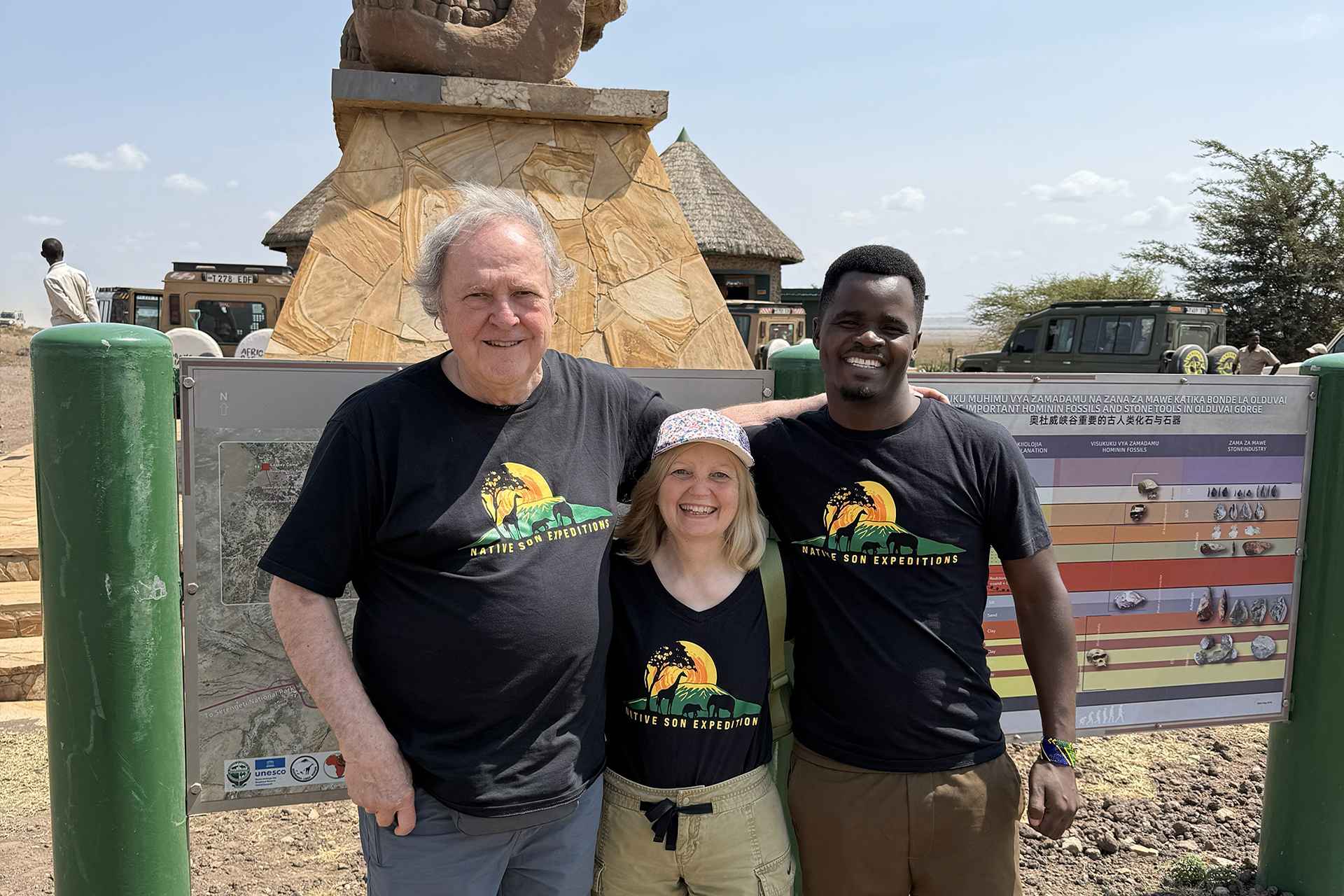
The founder of Native Son Expeditions hosting international safari guests in Tanzania’s wilderness.
Many travelers cannot spend multiple days on safari. This is where day trips in Serengeti become valuable.
1. Limited Time Travelers
Day trips are ideal for:
- business travelers
- short holiday visitors
- travelers combining multiple destinations
2. Budget-Friendly Safari Option
Compared to multi-day safaris:
- lower accommodation costs
- reduced park fees (in some packages)
- simplified planning
3. Quick Wildlife Experience
Even in a short time, visitors can see:
- lions
- elephants
- zebras
- giraffes
- wildebeests
What Makes Serengeti Perfect for Day Trips
The success of day trips in Serengeti is due to its dense wildlife population.
High Animal Density
The Serengeti has:
- large predator populations
- massive herbivore herds
- predictable wildlife zones
Open Landscapes
Wide savannahs allow:
- easy animal spotting
- clear photography opportunities
- long-distance visibility
Accessibility
Certain regions of the park are accessible for short safaris without long travel delays.
Types of Day Trips in Serengeti
Understanding safari types is key to planning day trips in Serengeti.
1. Full-Day Game Drive
- early morning departure
- full exploration of wildlife zones
- return in evening
2. Half-Day Safari
- shorter time in the park
- focused wildlife viewing
- ideal for nearby lodges
3. Combined Cultural + Safari Trips
- Maasai village visit
- wildlife drive combination
- cultural interaction experience
Role of Safari Guides
Professional guides are essential for successful day trips in Serengeti.
Nativesons Expeditions provides:
- experienced wildlife trackers
- optimized route planning
- real-time animal location updates
- safety supervision
Best Time for Day Trips in Serengeti
Timing determines success.
Morning Hours (Best Time)
- predator activity
- cooler temperatures
- active wildlife movement
Afternoon Hours
- relaxed animal behavior
- good photography lighting
External Authority Reference
For global wildlife tourism and conservation guidance, travelers can explore resources from UNESCO World Heritage Centre which supports protected natural ecosystems and responsible tourism practices.
What You Can Expect on a Day Trip
During day trips in Serengeti, travelers can expect:
- wildlife game drives
- photography stops
- picnic lunch in the bush
- guided animal tracking
Quick Summary
- Serengeti is ideal for short safari experiences
- Day trips are budget-friendly and time-efficient
- Wildlife density allows fast sightings
- Morning game drives are most productive
- Professional guides improve experience quality
How a Successful Day Trip Is Structured
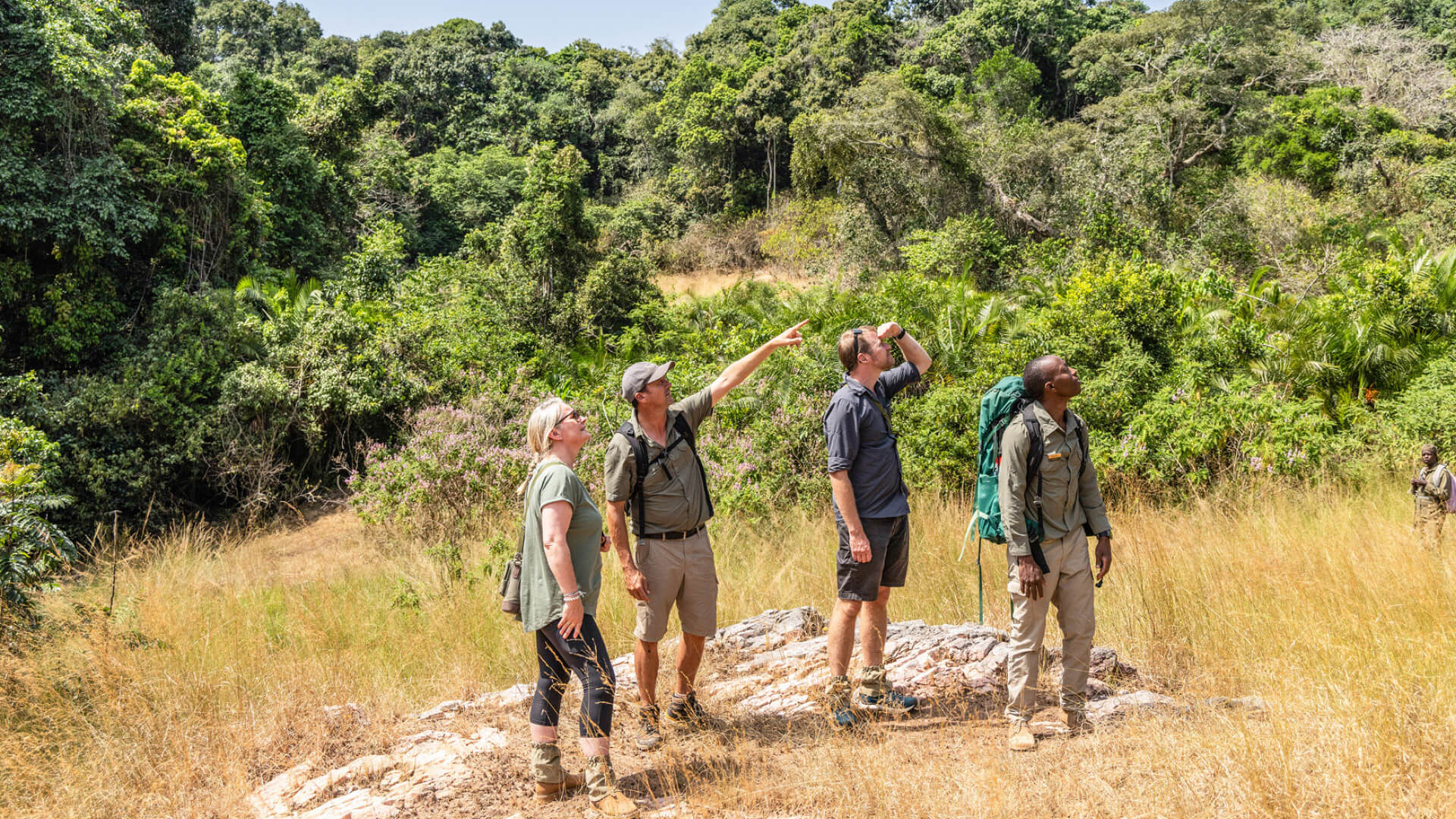
A well-planned day trips in Serengeti experience inside Serengeti National Park is not random—it follows a carefully designed itinerary that maximizes wildlife sightings, travel efficiency, and safety. Because the park is vast and located in Tanzania, every hour of a day trip must be strategically used.
This section of day trips in Serengeti focuses on how a full-day safari is structured, how wildlife is located quickly, which transport systems are used, and how travelers can maximize sightings even within a limited timeframe.
With Nativesons Expeditions, itineraries are optimized based on seasonal animal movement, ensuring that even short safaris feel rich and rewarding.
1. Full-Day Safari Itinerary Breakdown
A standard day trips in Serengeti itinerary follows a structured wildlife flow.
Early Morning Departure (05:30 – 07:00 AM)
The safari begins early to capture peak wildlife activity.
Why early start matters:
- predators are most active
- temperatures are cooler
- animals are easier to spot
This is a critical rule in day trips in Serengeti planning.
Morning Game Drive (07:00 – 11:00 AM)
This is the most productive wildlife period.
What you may see:
- lions hunting or resting
- elephants moving in herds
- giraffes feeding
- zebras crossing plains
Midday Break (11:00 AM – 01:00 PM)
Wildlife becomes less active.
Activities:
- picnic lunch in designated areas
- photography review
- rest and hydration
Afternoon Game Drive (01:00 – 05:30 PM)
Animals become active again as temperatures drop.
Expected sightings:
- predator movement
- herd interactions
- migration activity
Return to Lodge (Evening)
End of day trips in Serengeti with sunset views.
2. Wildlife Spotting Strategies

Efficient wildlife tracking is essential in day trips in Serengeti.
Using Animal Behavior Patterns
Guides look for:
- bird alarm calls
- movement trails in grass
- predator resting areas
Water Source Tracking
Animals gather near:
- rivers
- waterholes
- seasonal pools
This increases sighting success.
Migration Tracking
During migration season:
- wildebeest herds guide predator movement
- zebra groups indicate direction changes
3. Transport Options for Day Trips
Transport quality determines safari success.
4×4 Safari Land Cruisers
Most common in day trips in Serengeti.
Features:
- pop-up roof
- high ground clearance
- strong off-road capability
Luxury Safari Jeeps
Used by premium operators like Nativesons Expeditions.
Features:
- enhanced seating comfort
- charging ports
- fridge for drinks
Open Safari Vehicles
Best for photography-focused travelers.
Advantages:
- unobstructed views
- wide-angle photography
- immersive experience
4. Role of Professional Safari Drivers
Drivers are critical to day trips in Serengeti success.
Expert Tracking Skills
They can:
- identify animal movement signs
- predict predator locations
- adjust routes dynamically
Communication Systems
Drivers use:
- radio updates
- ranger alerts
- network coordination
Safety Control
Ensures:
- safe distance from wildlife
- controlled vehicle positioning
- emergency readiness
5. Best Wildlife Zones for Day Trips
Not all areas are equal during day trips in Serengeti.
Central Serengeti
- high predator density
- year-round wildlife
Southern Plains
- best during calving season
- large herbivore herds
River Corridors
- crocodile activity
- migration crossings
6. Photography Strategy During Day Trips
Even short safaris can produce excellent images.
Golden Hour Usage
Best times:
- sunrise
- sunset
Fast Action Settings
Recommended:
- high shutter speed
- burst mode shooting
Composition Focus
- rule of thirds
- natural framing
- clean backgrounds
7. Role of Nativesons Expeditions in Optimization
Nativesons Expeditions improves day trips in Serengeti by:
- selecting optimal routes
- assigning expert guides
- tracking wildlife movement in real time
- adjusting itinerary dynamically
External Authority Reference
For global wildlife tourism management standards, refer to World Wildlife Fund which supports sustainable wildlife tourism practices.
Quick Summary
- Day trips follow structured safari timing
- Wildlife activity peaks in morning and evening
- Skilled guides improve sightings significantly
- 4×4 vehicles are essential for terrain
- Strategic zones increase success rate
