

Learn how to avoid Mount Kilimanjaro sickness with expert altitude tips, acclimatization strategies, hydration advice, and trekking preparation from Nativesons Expeditions.
Understanding Altitude Sickness on Kilimanjaro
One of the most important concerns for climbers planning to trek Mount Kilimanjaro is understanding how to avoid Mount Kilimanjaro sickness. Every year, thousands of travelers visit Tanzania to attempt the summit, but many underestimate how strongly altitude affects the human body.
Mount Kilimanjaro rises to 5,895 meters above sea level, where oxygen levels are significantly lower than at sea level. As climbers ascend higher, the body struggles to adapt to reduced oxygen pressure. This can lead to altitude sickness, which is the primary reason many trekkers fail to reach the summit.
Understanding how to avoid Mount Kilimanjaro sickness is essential not only for summit success but also for personal safety, comfort, and overall trekking enjoyment.
With expert support from Nativesons Expeditions, climbers receive structured acclimatization schedules, health monitoring, hydration strategies, and professional guidance that greatly reduce altitude-related risks.
What Is Mount Kilimanjaro Sickness?
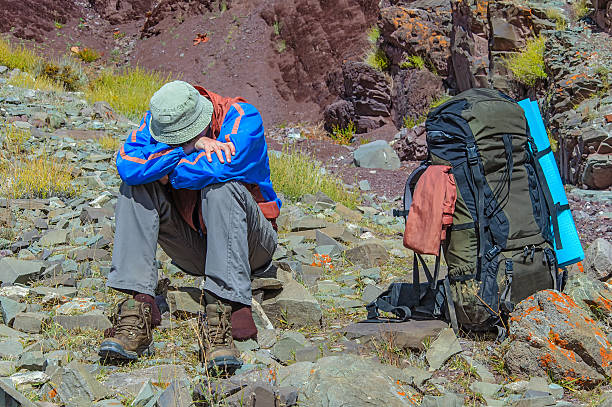
The term “Mount Kilimanjaro sickness” commonly refers to altitude sickness, also known as Acute Mountain Sickness (AMS).
The how to avoid Mount Kilimanjaro sickness guide begins with understanding why altitude sickness happens.
Why Altitude Causes Problems
As elevation increases:
- Oxygen levels decrease
- Air pressure becomes lower
- The body receives less oxygen with each breath
This creates stress on:
- lungs
- brain
- muscles
- cardiovascular system
Common Symptoms of Altitude Sickness
Recognizing symptoms early is critical in learning how to avoid Mount Kilimanjaro sickness.
Mild Symptoms
- Headache
- Fatigue
- Dizziness
- Difficulty sleeping
Moderate Symptoms
- Nausea
- Vomiting
- Loss of appetite
- Increased weakness
Severe Symptoms
- Confusion
- Difficulty breathing
- Loss of coordination
- Chest pressure
Severe altitude sickness requires immediate descent.
Why Altitude Sickness Is the Biggest Kilimanjaro Challenge
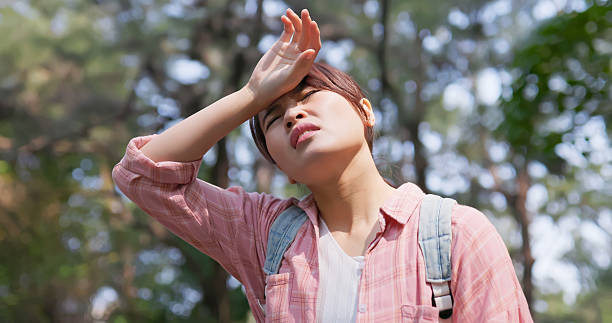
Many climbers assume physical fitness is the main obstacle. However, the biggest challenge in the how to avoid Mount Kilimanjaro sickness guide is altitude adaptation.
Even:
- athletes
- marathon runners
- experienced hikers
can experience altitude sickness.
This is because altitude affects everyone differently.
How Fast Ascent Increases Risk
Climbing too quickly is one of the biggest mistakes climbers make.
Why Fast Ascent Is Dangerous
The body needs time to:
- adjust breathing patterns
- increase oxygen efficiency
- adapt blood circulation
Without acclimatization time, sickness risk increases dramatically.
Importance of Acclimatization
Acclimatization is the most important concept in understanding how to avoid Mount Kilimanjaro sickness.
What Is Acclimatization?
It is the process of gradually adapting to reduced oxygen levels.
Benefits
- Reduces headache frequency
- Improves breathing efficiency
- Supports better sleep
- Increases summit success rates
Longer routes improve acclimatization significantly.
Role of Nativesons Expeditions
Professional trekking support greatly improves altitude management.
Nativesons Expeditions provides:
- Slow-paced trekking schedules
- Daily health monitoring
- Oxygen saturation checks
- Emergency altitude response systems
- Experienced mountain guides
Their safety-first strategy helps climbers safely adapt to high altitude.
Best Routes for Reducing Altitude Sickness
Some routes are better for acclimatization.
Highly Recommended Routes
- Lemosho Route
- Northern Circuit Route
- Machame Route
These routes provide:
- gradual altitude gain
- longer trekking duration
- better body adaptation
Why Hydration Matters
Hydration is essential in learning how to avoid Mount Kilimanjaro sickness.
Benefits of Proper Hydration
- Improves oxygen circulation
- Helps regulate body function
- Reduces fatigue
Recommended Water Intake
3–5 liters daily during the climb.
Importance of Slow Walking Pace
On Kilimanjaro, climbers often hear the phrase:
“Pole Pole” (slowly slowly)
This philosophy is central to how to avoid Mount Kilimanjaro sickness.
Walking slowly:
- conserves energy
- improves oxygen efficiency
- supports acclimatization
Fast climbing increases sickness risk.
External Authority Reference
For official altitude and travel health information, climbers can review guidance from Centers for Disease Control and Prevention regarding altitude illness prevention and trekking safety.
Common Misconceptions About Altitude Sickness
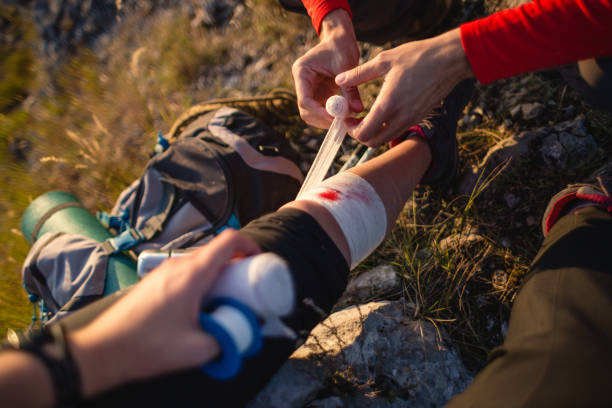
Misconception 1
“Only unfit people get altitude sickness.”
Reality:
Even elite athletes can experience AMS.
Misconception 2
“You can ignore mild symptoms.”
Reality:
Symptoms can worsen rapidly.
Misconception 3
“Short routes are easier.”
Reality:
Short routes increase altitude risk.
Quick Summary
- Altitude sickness is the main Kilimanjaro challenge
- Reduced oxygen causes AMS symptoms
- Acclimatization is essential for prevention
- Hydration and slow pacing improve adaptation
- Nativesons Expeditions supports climber safety
Why Acclimatization Determines Summit Success
The most important factor in understanding how to avoid Mount Kilimanjaro sickness is acclimatization. Many climbers focus only on physical fitness, but altitude adaptation is the real key to safely reaching the summit of Mount Kilimanjaro in Tanzania.
Every year, many trekkers fail to reach Uhuru Peak not because they are weak, but because their bodies cannot adapt fast enough to reduced oxygen levels. The body needs time to adjust to altitude, and climbers who ascend too quickly place themselves at greater risk of Acute Mountain Sickness (AMS).
This section provides a deep explanation of acclimatization science, altitude adaptation strategies, hydration management, nutrition support, route comparison, and emergency response systems. With support from Nativesons Expeditions, climbers receive professional altitude management that greatly improves trekking safety and summit success.
Understanding these strategies is central to learning how to avoid Mount Kilimanjaro sickness.
The Science Behind Altitude Sickness
To fully understand how to avoid Mount Kilimanjaro sickness, climbers must first understand what happens inside the body at high altitude.
How Oxygen Changes at Altitude
At sea level:
- oxygen pressure is strong
- breathing feels easy
- muscles receive enough oxygen
At higher elevations:
- air pressure decreases
- oxygen becomes thinner
- the body struggles to function efficiently
This creates physical stress during trekking.
How the Body Reacts to High Altitude
The body attempts to compensate by:
- increasing breathing rate
- raising heart rate
- producing more red blood cells
These adjustments require time. Without enough adaptation time, altitude sickness develops.
This explains why gradual ascent is essential in how to avoid Mount Kilimanjaro sickness.
The Most Effective Acclimatization Strategies
1. Choose Longer Routes
Longer trekking itineraries provide more adaptation time.
Why Longer Routes Work Better
- slower altitude gain
- more recovery time
- better oxygen adjustment
Recommended Routes
- Lemosho Route
- Northern Circuit Route
- Machame 7-Day Route
These are strongly recommended by Nativesons Expeditions.
2. Follow the “Pole Pole” Philosophy
“Pole Pole” means slowly slowly in Swahili.
Walking slowly:
- conserves energy
- improves oxygen efficiency
- reduces physical stress
One of the biggest mistakes climbers make is walking too fast early in the trek.
This is one of the most important principles in how to avoid Mount Kilimanjaro sickness.
3. Stay Properly Hydrated
Hydration directly affects altitude adaptation.
Why Water Helps
- improves blood circulation
- supports oxygen delivery
- reduces headaches
Recommended Intake
3–5 liters daily.
Professional trekking teams encourage regular hydration throughout the climb.
Nutrition and Altitude Adaptation
Proper nutrition improves acclimatization.
Best Foods for High Altitude
- carbohydrates
- soups
- warm meals
- fruits
These foods provide sustainable energy during trekking.
Why Appetite Decreases
At high altitude:
- digestion slows
- nausea may increase
- appetite decreases naturally
Even when appetite drops, climbers must continue eating.
This is critical in learning how to avoid Mount Kilimanjaro sickness.
Importance of Sleep During Acclimatization
Sleep quality affects altitude adaptation.
Common Sleep Problems
- interrupted breathing
- frequent waking
- difficulty falling asleep
How Guides Help
Professional teams create:
- balanced trekking schedules
- proper recovery timing
- controlled daily pacing
This improves sleep and acclimatization.
Route Comparison for Altitude Safety
Different routes have different acclimatization profiles.
Marangu Route
Advantages
- hut accommodation
- simpler logistics
Disadvantages
- rapid ascent
- lower acclimatization quality
Machame Route
Advantages
- excellent acclimatization profile
- gradual climbing pattern
Disadvantages
- steeper terrain
Lemosho Route
Advantages
- best balance of acclimatization and scenery
- high summit success rates
Disadvantages
- longer duration
Northern Circuit Route
Advantages
- maximum acclimatization time
- highest success rates
Disadvantages
- highest expedition cost
Comparison Table: Best Routes to Avoid Altitude Sickness
| Route | Acclimatization Quality | Altitude Risk | Summit Success |
|---|---|---|---|
| Marangu | Moderate | Higher | Medium |
| Machame | Good | Moderate | High |
| Lemosho | Excellent | Lower | Very High |
| Rongai | Good | Moderate | High |
| Northern Circuit | Excellent | Lowest | Very High |
This table is essential in understanding how to avoid Mount Kilimanjaro sickness.
Daily Health Monitoring on Kilimanjaro
Professional health monitoring significantly improves trekking safety.
What Guides Monitor
- oxygen saturation
- pulse rate
- breathing condition
- headache severity
- energy levels
This helps detect altitude problems early.
Emergency Response Systems
Many climbers worry about emergencies while researching how to avoid Mount Kilimanjaro sickness.
Emergency Support Includes
- oxygen cylinders
- emergency descent procedures
- radio communication
- evacuation protocols
Professional operators like Nativesons Expeditions maintain structured emergency systems.
Warning Signs That Should Never Be Ignored
Climbers should immediately inform guides if they experience:
- severe headache
- vomiting
- confusion
- chest tightness
- inability to walk normally
Early intervention prevents severe altitude complications.
Mental Strength and Altitude Adaptation
Mental attitude affects physical performance.
Helpful Mental Strategies
- stay patient
- focus on steady progress
- avoid comparing pace with others
Positive mindset improves acclimatization success.
Expert Advice from Nativesons Expeditions
According to Nativesons Expeditions, climbers reduce altitude sickness risk most effectively when they:
- choose longer routes
- hydrate consistently
- walk slowly
- sleep properly
- communicate symptoms honestly
Their altitude management systems are designed to improve climber safety and summit success.
External Authority Reference
For medical information about altitude illness prevention, travelers can explore resources from World Health Organization regarding high-altitude health safety.
Quick Summary
- Acclimatization is the key to avoiding altitude sickness
- Longer routes improve adaptation significantly
- Hydration and nutrition support oxygen efficiency
- Daily health monitoring improves safety
- Professional guides reduce altitude-related risks
