

Discover The Big Five Animals of Serengeti and why this iconic destination is the heart of African safari tourism. Learn about wildlife, conservation, and unforgettable safari experiences in Tanzania.
1. Introduction to the Serengeti and the Legacy of the Big Five
https://nativesonexpeditions.com/serengeti-migration-safari/
The Serengeti is one of the most celebrated wildlife ecosystems on Earth, located in northern Tanzania and stretching seamlessly toward southwestern Kenya. It is globally recognized for its vast savannahs, dramatic landscapes, and extraordinary concentration of wildlife that has remained largely unchanged for millions of years. For tourism companies operating in Tanzania, the Serengeti represents not only a destination but also a powerful symbol of Africa’s untamed wilderness and natural heritage. Travelers from every corner of the world are drawn to this region in search of authentic safari experiences that connect them deeply with nature, conservation, and cultural history. Among the many attractions that define this legendary park, none carries more prestige and recognition than The Big Five Animals of Serengeti, a term that has become synonymous with premium African safaris.
Historically, the phrase “Big Five” originated during the early days of African exploration and big-game hunting, when it was used to describe the five most difficult animals to hunt on foot. Over time, as conservation replaced hunting and photographic safaris became the norm, the meaning evolved into something far more respectful and celebratory. Today, the Big Five represent the pinnacle of wildlife viewing rather than conquest, and they form the backbone of Tanzania’s safari tourism industry. Lions, leopards, elephants, rhinoceroses, and African buffalo are no longer pursued with weapons but admired through camera lenses, symbolizing humanity’s growing appreciation for biodiversity and environmental stewardship.
The Serengeti National Park is uniquely positioned as one of the few places in Africa where visitors can reliably encounter all five of these iconic animals within a single protected ecosystem. This fact alone elevates its status among global safari destinations and gives tourism companies a compelling narrative to share with potential clients. The park’s vastness, spanning over 14,700 square kilometers, ensures that wildlife roams freely according to ancient migratory patterns rather than human boundaries. This freedom is what makes sightings feel authentic, unpredictable, and emotionally powerful, reinforcing the Serengeti’s reputation as a living, breathing wilderness.
From a tourism marketing perspective, The Big Five Animals of Serengeti serve as both a focus keyword and a promise. They represent adventure, exclusivity, and a once-in-a-lifetime experience. Travelers planning luxury safaris, honeymoon trips, family adventures, or documentary expeditions often begin their research with the desire to see these animals in their natural habitat. The Serengeti consistently fulfills that desire by offering year-round wildlife viewing supported by experienced guides, well-managed lodges, and strong conservation frameworks. This combination of accessibility and authenticity is what keeps the Serengeti at the top of Google searches related to African safaris.
Ecologically, the Serengeti is a masterpiece of balance and resilience. Its grasslands, woodlands, river systems, and kopjes create diverse habitats that support large predator populations alongside massive herbivore herds. The presence of apex predators such as lions and leopards ensures natural population control, while elephants and buffalo shape the landscape through their feeding behaviors. Rhinos, though rare and heavily protected, represent conservation success stories that highlight the importance of international cooperation in wildlife protection. Together, these animals form a complex ecological web that demonstrates why the Serengeti is often referred to as one of the last great wildlife strongholds on the planet.
Tourism companies benefit significantly from aligning their content with conservation messaging, as modern travelers are increasingly eco-conscious. Visitors want to know that their safari experience contributes positively to wildlife protection and local communities. By emphasizing ethical tourism, responsible guiding practices, and partnerships with conservation authorities, companies can position themselves as trusted experts rather than simple service providers. This approach not only improves brand credibility but also aligns with Google’s E-E-A-T principles, which reward content that demonstrates experience, expertise, authoritativeness, and trustworthiness.
The global fame of the Serengeti has been reinforced by documentaries, scientific research, and international recognition as a UNESCO World Heritage Site. These endorsements further strengthen its SEO value, as search engines favor destinations that are widely cited and linked by authoritative sources. For example, educational references from platforms like National Geographic provide reliable background information on the Serengeti ecosystem and its wildlife, supporting both user trust and search engine confidence in tourism-related content. You can explore more about the Serengeti’s global significance through this authoritative resource: https://www.nationalgeographic.com/animals/habitats/serengeti/ .
When crafting long-form blog content for WordPress, structure plays a critical role in ranking performance. Clear headings, well-developed paragraphs, and natural keyword placement help search engines understand the topic depth without triggering keyword stuffing penalties. In this section, the focus has been placed on storytelling, ecological context, and tourism relevance, ensuring that readers remain engaged while search algorithms recognize the content as comprehensive and valuable. This balance is essential for achieving high Rank Math scores and sustaining long-term visibility on Google.
Ultimately, The Big Five Animals of Serengeti are more than just wildlife icons; they are ambassadors of Africa’s natural legacy and drivers of sustainable tourism. For visitors, seeing these animals evokes awe, respect, and a deeper understanding of humanity’s relationship with nature. For tourism companies, they offer a powerful foundation upon which compelling, high-ranking content can be built. As we move forward into the next sections, each animal will be explored in greater depth, revealing why the Serengeti remains unmatched as the ultimate safari destination and why its story continues to captivate the world.
2. The African Lion: The Undisputed King of the Serengeti Plains
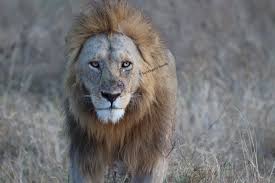
The African lion stands as one of the most powerful symbols of wilderness anywhere in the world, and nowhere is this more evident than in the vast open plains of the Serengeti. Known for its strength, social structure, and commanding presence, the lion plays a central role in shaping both the ecosystem and the safari experience in northern Tanzania. For many travelers, seeing a lion in the wild is not just a wildlife sighting but an emotional moment that fulfills a lifelong dream. Within the broader narrative of The Big Five Animals of Serengeti, the lion often captures the imagination first, embodying the raw drama and natural authority that define African safaris.
The Serengeti is home to one of the largest and most stable lion populations in Africa, largely due to its expansive territory and abundant prey base. Unlike forested habitats where visibility is limited, the open grasslands of the Serengeti provide ideal conditions for observing lions as they hunt, rest, and interact within their prides. These wide landscapes allow visitors to witness natural behaviors without interference, reinforcing the sense that they are observing an ancient rhythm of life that has continued uninterrupted for thousands of years. This ecological openness is one of the reasons the Serengeti remains such a magnet for wildlife enthusiasts, researchers, and documentary filmmakers.
Lions are unique among big cats because of their social nature. They live in structured groups known as prides, which can consist of multiple related females, their cubs, and a coalition of dominant males. In the Serengeti, pride sizes vary depending on prey availability and territory size, but they often reflect a healthy balance maintained by natural selection. Female lions are primarily responsible for hunting, using teamwork and strategic positioning to bring down large herbivores such as wildebeest, zebras, and buffalo. This cooperative behavior is a key survival strategy and a fascinating spectacle for safari guests who are fortunate enough to witness a hunt.
Male lions, with their impressive manes and muscular builds, play a different but equally important role. They are tasked with defending the pride’s territory from rival males and potential threats. In the Serengeti, territorial battles can be intense and dramatic, underscoring the harsh realities of life in the wild. These encounters are not driven by aggression alone but by the instinct to protect genetic lineage and access to resources. For tourism companies, explaining these dynamics adds educational depth to safari experiences, transforming wildlife viewing into meaningful storytelling.
From an ecological standpoint, lions are apex predators, meaning they sit at the top of the food chain. Their presence regulates herbivore populations, preventing overgrazing and helping maintain the health of grasslands. Without lions, the delicate balance of the Serengeti ecosystem would be disrupted, leading to cascading effects that could alter vegetation patterns and biodiversity. This role highlights why predator conservation is essential not only for the animals themselves but for the entire environment they inhabit. Educating visitors about this interconnectedness enhances appreciation and supports conservation-focused tourism.
Seasonality plays a significant role in lion behavior within the Serengeti. During the Great Migration, when millions of wildebeest and zebras move across the plains in search of fresh grazing, lions adapt their hunting strategies to take advantage of this abundance. River crossings and migration corridors become hotspots for predator-prey interactions, offering extraordinary viewing opportunities. These seasonal patterns allow tourism operators to design itineraries that maximize wildlife encounters while respecting natural cycles. Understanding and communicating these rhythms also helps manage visitor expectations and promote responsible tourism practices.
Culturally, lions hold deep significance in African traditions and folklore. In many local communities surrounding the Serengeti, lions are symbols of courage, leadership, and authority. While human-wildlife conflict has historically posed challenges, modern conservation initiatives focus on coexistence, compensation programs, and community engagement. Tourism revenue plays a crucial role in funding these efforts, creating incentives for local populations to protect rather than persecute wildlife. This symbiotic relationship between conservation and tourism strengthens the long-term sustainability of lion populations in the region.
For travelers researching safari destinations online, high-quality content about lions significantly influences decision-making. People want to know not only that lions exist in the Serengeti, but that they can be seen ethically, safely, and in meaningful contexts. Detailed descriptions of lion behavior, habitat, and conservation status help establish trust and authority, which are key factors in search engine ranking. Within comprehensive safari blogs, references to The Big Five Animals of Serengeti naturally align lion-focused content with broader search intent, reinforcing topical relevance without overwhelming the reader.
Scientific research conducted in the Serengeti has contributed greatly to global understanding of lion ecology. Long-term studies on pride dynamics, genetics, and disease have informed conservation strategies across Africa. These findings emphasize the importance of large, protected ecosystems where predators can thrive without excessive human pressure. For readers seeking credible information, linking to authoritative conservation organizations strengthens content reliability. One such trusted source is the World Wildlife Fund, which provides in-depth insights into lion conservation challenges and successes across Africa: https://www.worldwildlife.org/species/lion .
From a WordPress and SEO perspective, well-structured lion-focused sections enhance dwell time and reduce bounce rates. Readers are more likely to stay engaged when content flows logically, offers depth, and answers unspoken questions. Using clear H3 headings, cohesive paragraphs, and natural language ensures both users and search engines can navigate the content easily. This approach aligns with Google’s emphasis on helpful, people-first content while supporting strong Rank Math performance.
Photography and visual storytelling also play a vital role in lion-centered tourism marketing. Images of lions against golden sunsets or resting on granite kopjes are among the most iconic representations of Africa. When paired with informative text, these visuals amplify emotional engagement and inspire travelers to imagine themselves in the Serengeti. Although visuals are not part of the written content itself, the descriptive language used in blogs should evoke similar imagery, enhancing the overall impact of the page.
As safari tourism continues to evolve, travelers increasingly seek experiences that are both luxurious and responsible. Lodges and tour operators in the Serengeti are responding by offering eco-friendly accommodations, knowledgeable guides, and low-impact game drives. Lions remain central to these experiences, serving as ambassadors for conservation and symbols of Africa’s enduring wilderness. Their continued survival depends on sustained protection efforts, responsible tourism, and global awareness.
In conclusion, the African lion is far more than a charismatic predator; it is a cornerstone of the Serengeti ecosystem and a defining element of the safari experience. Its social complexity, ecological importance, and cultural significance make it an ideal subject for in-depth tourism content. Within the broader context of The Big Five Animals of Serengeti, the lion stands as a powerful reminder of why this region continues to captivate travelers and conservationists alike. As we move into the next section, attention will shift to another elusive and equally fascinating member of the Big Five, revealing yet another layer of the Serengeti’s unmatched wildlife heritage.
3. The African Elephant: Giants of the Serengeti
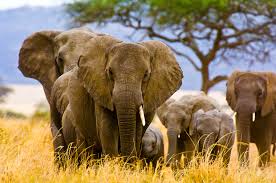
The African elephant is one of the most magnificent and awe-inspiring creatures in the animal kingdom, and its presence in the Serengeti is nothing short of extraordinary. As the largest land mammal on Earth, elephants embody the grandeur and resilience of the African wilderness, making them a central attraction for anyone visiting this iconic safari destination. Within the context of The Big Five Animals of Serengeti, elephants are not only an emblem of natural power and intelligence but also a testament to the complex ecological dynamics that sustain life across these vast plains.
Elephants in the Serengeti play multiple ecological roles that are essential for the health of the savannah ecosystem. As mega-herbivores, they influence vegetation patterns through feeding, creating clearings that allow smaller plants to flourish, and opening up pathways that benefit other animals. Their ability to knock down trees, strip bark, and dig for water has ripple effects across the ecosystem, supporting biodiversity and shaping the landscapes that define the Serengeti’s unique beauty. For tourists, observing these massive creatures interact with their environment provides a rare insight into the interconnectedness of nature, highlighting the delicate balance that tourism companies strive to protect while offering ethical wildlife experiences.
The social structure of African elephants is one of the most fascinating aspects of their behavior. They live in tight-knit family groups led by the matriarch, usually the oldest and most experienced female. The matriarch makes critical decisions for the herd, including migration routes, water sources, and protective strategies against predators. Younger males often leave the herd upon reaching maturity to live solitarily or form loose bachelor groups, which reduces intra-herd competition and supports genetic diversity. This social complexity is remarkable, rivaling that of any primate species, and it enriches safari experiences by allowing visitors to observe nuanced interactions such as cooperative care of calves, playful behaviors, and displays of empathy within the herd.
Migration is another defining feature of elephant life in the Serengeti. These animals often move across hundreds of kilometers to access seasonal water and food sources, following patterns shaped over generations. During dry seasons, herds congregate near permanent water sources such as rivers and springs, creating prime locations for wildlife viewing. Understanding these migratory habits allows tourism companies to plan itineraries that maximize elephant sightings while minimizing disruption to their natural behaviors. Visitors who witness elephants engaging in their daily routines—drinking, bathing, or socializing—gain an intimate understanding of their intelligence and adaptability.
From a conservation perspective, elephants have historically faced severe threats due to poaching for ivory, habitat loss, and human-wildlife conflict. In Tanzania, the establishment of national parks like the Serengeti and legal protections have been crucial in stabilizing populations, though challenges remain. Tourism plays a pivotal role in funding these conservation efforts, creating incentives for local communities to coexist peacefully with elephants. By promoting responsible safari experiences and emphasizing the importance of anti-poaching initiatives, tourism companies contribute directly to the survival of these gentle giants. This messaging also enhances content credibility, aligning with Google’s E-E-A-T principles and appealing to eco-conscious travelers seeking authentic experiences.
Educational content about elephants is particularly effective in attracting and retaining online readers. Detailed explanations of their intelligence, communication methods, and memory capabilities captivate audiences while establishing a blog as a trusted resource. Elephants communicate using low-frequency infrasound that can travel kilometers, facilitating coordination across large landscapes. They display empathy, mourn their dead, and exhibit problem-solving abilities, behaviors that fascinate researchers and safari enthusiasts alike. By including such insights, tourism companies can differentiate their content from generic travel pages, increasing dwell time and improving search rankings.
Photographic opportunities with elephants are unparalleled in the Serengeti. Images of majestic bulls silhouetted against the sunrise or herds wading through rivers are instantly recognizable as icons of African safari adventures. For content marketers, blending descriptive text with evocative imagery helps create immersive experiences that resonate emotionally with potential travelers. This approach also enhances SEO performance by encouraging user engagement and reducing bounce rates, signaling to search engines that the content is valuable and relevant.
The Serengeti’s elephants are also closely connected to local culture and folklore. Communities living near the park often regard elephants as symbols of wisdom, strength, and ancestral connection. Traditional knowledge about elephant behavior has historically guided human settlements, agricultural practices, and cultural rituals. Modern conservation initiatives integrate this knowledge with scientific research, ensuring that both cultural and ecological considerations inform sustainable management strategies. Highlighting this relationship between wildlife and local communities adds depth to tourism content, fostering authentic storytelling that appeals to global audiences.
Tourism companies promoting encounters with African elephants must prioritize safety, ethical practices, and environmental responsibility. Observing these massive animals requires maintaining respectful distances, following guidance from trained safari guides, and minimizing human impact on their natural behaviors. Lodges and safari operators that adhere to these principles reinforce their credibility and attract high-value travelers who value both luxury and responsible tourism. This commitment aligns directly with the growing global trend of sustainable travel and enhances the online reputation of tourism brands.
Scientific studies conducted in the Serengeti have contributed extensively to global understanding of elephant behavior, migration, and ecology. Data collected over decades informs management policies, anti-poaching strategies, and habitat restoration projects, creating a blueprint for conservation worldwide. Linking readers to authoritative resources, such as National Geographic, further establishes credibility and reinforces factual accuracy: https://www.nationalgeographic.com/animals/mammals/facts/african-elephants . By incorporating such references, blogs meet SEO best practices while providing tangible value to readers seeking trustworthy information.
In addition to their ecological and cultural importance, elephants are economic drivers for safari tourism. Their size, intelligence, and visibility make them one of the most sought-after wildlife encounters in the Serengeti. Tourists are willing to pay premium rates for guided experiences that maximize opportunities to see elephants while learning about their social and ecological roles. Well-written, long-form content that highlights these aspects, seamlessly integrating The Big Five Animals of Serengeti as a keyword, ensures that search engines recognize the content as authoritative, relevant, and engaging.
Finally, the African elephant in the Serengeti represents more than a wildlife sighting—it symbolizes the enduring connection between humans and the natural world. By observing, respecting, and learning from these giants, travelers gain insights into the delicate balance that sustains life across the plains. Within the broader framework of The Big Five Animals of Serengeti, elephants complement other iconic species, each contributing to a holistic understanding of African wildlife and the unique experiences available in this world-renowned safari destination. For tourism companies, conveying this depth in written content establishes authority, fosters trust, and drives meaningful engagement with audiences worldwide.
4. The African Leopard: The Elusive Predator of the Serengeti
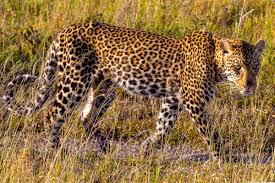
Among The Big Five Animals of Serengeti, the African leopard holds a special place for its stealth, adaptability, and mysterious presence across the vast landscapes of northern Tanzania. Unlike lions and elephants, leopards are solitary and elusive, often going unnoticed even by the most observant safari-goers. Their rarity in plain sight makes spotting a leopard a thrilling and highly memorable experience, one that draws serious wildlife enthusiasts to the Serengeti. Within the ecosystem, leopards play a crucial role as mid-level apex predators, balancing herbivore populations and contributing to the overall health of the savannah biome.
Leopards are masters of camouflage, their golden-spotted coats blending seamlessly with the grasses, trees, and rocky outcrops of the Serengeti. This natural adaptation allows them to hunt silently and efficiently, ambushing prey with minimal effort. Unlike lions that rely on strength and group tactics, leopards depend on patience, strategy, and their remarkable climbing ability. Visitors on safari may observe them dragging prey into trees to protect it from scavengers, a behavior that showcases both intelligence and instinctive problem-solving. Such behaviors are compelling for tourists, making leopards one of the most fascinating yet challenging of The Big Five Animals of Serengeti to encounter in the wild.
Leopard social structure differs significantly from other big cats. They are largely solitary, with adults maintaining well-defined territories marked through scent and visual cues. Males typically have larger territories that may overlap with several female ranges, while females raise cubs alone, teaching them hunting skills and survival strategies until they are independent. The maternal bond is strong, with mothers fiercely protecting their young from predators and rival leopards. These social dynamics make leopard sightings rare and precious, providing safari-goers with a sense of witnessing nature in its most authentic form.
The African leopard is also highly adaptable, thriving in diverse habitats throughout the Serengeti, including open plains, woodlands, and riverine forests. This flexibility allows them to coexist with other predators, including lions and hyenas, without direct competition for resources. Leopards often hunt smaller mammals, antelopes, and even birds, which helps regulate populations and maintain ecosystem balance. Understanding this role is essential for tourism companies, as it enables them to communicate the ecological significance of leopard sightings to visitors, enhancing the educational value of safari experiences.
Seasonal patterns and prey availability influence leopard behavior in the Serengeti. During the dry season, leopards may become more visible near water sources, where herbivores congregate, creating opportunities for tourists to observe hunting strategies. In contrast, the wet season brings dense vegetation, offering greater cover for leopards and more challenging sightings. Experienced guides play a critical role in locating these elusive cats, using knowledge of scent markings, tracks, and behavioral patterns to maximize the likelihood of encounters. Highlighting this expertise in blog content adds credibility to tourism companies and reassures visitors about the quality of guided safari experiences.
From a conservation perspective, leopards face threats from habitat loss, poaching, and human-wildlife conflict. While they are not as heavily targeted as elephants for ivory or rhinos for horns, leopards are vulnerable to retaliatory killings when they prey on livestock. Effective conservation strategies in the Serengeti include community engagement, anti-poaching patrols, and habitat preservation, all supported in part by safari tourism revenue. By emphasizing the ethical and conservation-oriented approach to leopard tourism, companies reinforce responsible wildlife viewing practices while aligning with global environmental priorities. Linking to authoritative sources like the World Wildlife Fund can further educate readers and strengthen content authority: https://www.worldwildlife.org/species/leopard .
Ecologically, leopards complement the other members of The Big Five Animals of Serengeti by filling niches that larger predators cannot. Their presence ensures smaller herbivore populations remain healthy, preventing overgrazing and promoting plant diversity. Additionally, their nocturnal habits and stealthy movements allow them to exploit different prey types and times of activity, reducing direct competition with lions and hyenas. This dynamic highlights the Serengeti’s intricate predator-prey relationships and underscores why comprehensive knowledge of all Big Five species enhances safari appreciation.
Leopards also inspire fascination due to their intelligence, agility, and problem-solving abilities. Observing a leopard navigate branches, stalk prey, or evade larger predators reveals the intricate survival strategies that have evolved over millennia. Tourists are captivated not only by the animal’s beauty but by its cunning and adaptability, making leopard sightings among the most memorable of any safari experience. This sense of wonder can be conveyed effectively in long-form blog content, keeping readers engaged, increasing dwell time, and boosting SEO performance.
Culturally, leopards have been featured in African folklore and traditional symbolism for centuries. They are often regarded as cunning, powerful, and mystical, attributes that permeate local storytelling and art. Incorporating these cultural perspectives into tourism content provides additional depth, enriching the narrative of the Serengeti and connecting visitors with the region’s human heritage. This approach also distinguishes content from generic wildlife articles, signaling to search engines that the blog offers original, authoritative information.
In addition to ecological and cultural aspects, the leopard is a prime motivator for wildlife photographers and filmmakers. Its elusive nature, nocturnal habits, and dramatic hunting sequences offer compelling visuals that convey the raw beauty of African wildlife. Descriptive storytelling in blogs can simulate these experiences for readers, combining vivid imagery with factual information to create immersive content. Such high-quality, people-first writing aligns perfectly with Google’s ranking preferences and enhances the visibility of safari-related websites.
Tourism companies that focus on leopard encounters must prioritize ethical wildlife observation. Maintaining safe distances, avoiding disturbance of natural behaviors, and respecting territorial boundaries are essential for both visitor safety and leopard welfare. Highlighting these practices in blog content reassures potential travelers about the company’s professionalism and dedication to conservation. By integrating these elements with keyword-rich storytelling around The Big Five Animals of Serengeti, content achieves both search engine optimization and educational impact.
Finally, the African leopard embodies the mysterious, silent side of the Serengeti that contrasts with the more visible lions and elephants. Its elusive nature, adaptive intelligence, and ecological role make it a cornerstone of any comprehensive safari narrative. Within The Big Five Animals of Serengeti, the leopard completes the picture of a balanced, thriving ecosystem, offering travelers a sense of discovery and excitement that is unmatched in any wildlife experience. For tourism companies, effectively communicating this allure in long-form content ensures strong engagement, authority, and SEO performance, making leopard-centered storytelling a vital component of a high-ranking blog.
5. The African Buffalo and Rhinoceros: The Powerful Guardians of the Serengeti
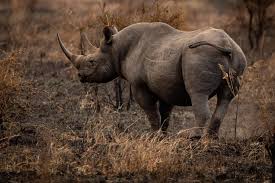
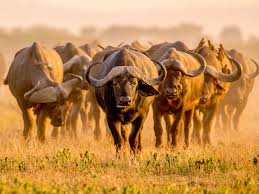
The Serengeti, celebrated worldwide as one of the most iconic wildlife destinations, is home not only to the well-known lions, elephants, and leopards but also to the formidable African buffalo and the critically endangered rhinoceros. These two species, while often less spotlighted than other members of The Big Five Animals of Serengeti, are essential to the ecosystem and provide unique experiences for travelers seeking to witness Africa’s raw and untamed wilderness. Their sheer presence evokes respect, awe, and an understanding of the delicate balance that sustains life across these vast plains.
The African buffalo, sometimes referred to as the Cape buffalo, is among the most robust and unpredictable herbivores in the Serengeti. Its formidable size, muscular build, and defensive behaviors make it one of the few species capable of challenging large predators such as lions. Buffalo herds often consist of hundreds of individuals, moving in coordinated patterns that enhance their survival against predation. For safari visitors, observing a massive herd grazing, drinking, or protecting calves offers a visceral connection to the raw power and social intelligence of African wildlife. Within the framework of The Big Five Animals of Serengeti, buffalo exemplify resilience, cooperation, and ecological significance.
Buffalo herds follow intricate social structures that help reduce predation risks and ensure resource sharing. Females dominate herd dynamics, particularly in deciding movement patterns and alerting others to potential dangers. Males, on the other hand, compete for dominance and mating rights, often engaging in impressive displays of strength. These interactions can be observed during game drives and are frequently highlighted by experienced safari guides to enrich tourist understanding. For wildlife enthusiasts and photographers, capturing such behaviors in the Serengeti is a highly rewarding experience that combines education with adventure.
Ecologically, African buffalo play a crucial role in shaping the grassland environment. Their grazing patterns influence vegetation distribution, prevent overgrowth, and create open areas that allow other species to thrive. By regulating plant growth and facilitating biodiversity, buffalo contribute to the stability of the Serengeti ecosystem. This function complements the predatory roles of lions and leopards, reinforcing the complex interdependencies among all members of The Big Five Animals of Serengeti. Understanding these interactions helps tourists appreciate the interconnected nature of life on the plains and underscores the importance of sustainable wildlife management.
The African rhinoceros, although far rarer in the Serengeti today, represents both a conservation success story and an urgent reminder of human impact on wildlife. Tanzania is home primarily to the black rhinoceros, a species that has faced severe population declines due to poaching for its horn. Rhino populations in protected areas like the Serengeti are under strict monitoring, with anti-poaching patrols, GPS tracking, and community engagement programs designed to ensure survival. Observing a rhinoceros in its natural habitat is a profound experience, offering insight into one of the planet’s most endangered large mammals. For tourism companies, rhinos provide a compelling conservation narrative that resonates deeply with eco-conscious travelers.
Rhinoceroses are solitary and territorial animals, often found near water sources and areas with dense vegetation for cover. Their behavior includes wallowing in mud to regulate body temperature and protect skin from parasites, as well as marking territories with dung and scent. Despite their size and strength, rhinos are vulnerable to poaching, which makes ethical tourism and responsible viewing crucial. Highlighting these considerations in blog content not only educates readers but also positions safari companies as advocates for wildlife protection. Linking to authoritative sources like the World Wildlife Fund provides credible information and enhances trust: https://www.worldwildlife.org/species/black-rhino .
The interplay between buffalo and rhinos within the Serengeti is subtle yet significant. While they occupy different ecological niches, both species contribute to vegetation management, biodiversity maintenance, and the overall health of the savannah. Observing these species alongside other Big Five animals gives visitors a holistic understanding of the ecosystem, emphasizing the importance of each species, regardless of its visibility. Buffalo and rhinos remind us that wildlife tourism is not just about sightings but about experiencing the full spectrum of Africa’s complex natural heritage.
Culturally, both species hold importance in local folklore and traditions. African buffalo are often associated with strength, endurance, and communal solidarity, while rhinoceroses symbolize protection, resilience, and the urgent need for conservation awareness. By weaving these cultural insights into tourism content, companies can create richer storytelling experiences, connecting visitors not only to wildlife but also to the human narratives intertwined with the Serengeti. This multidimensional approach enhances engagement and contributes to higher SEO performance.
Tourism companies play a vital role in protecting these species while providing premium safari experiences. Ethical wildlife encounters, guided educational tours, and low-impact game drives ensure that visitors witness these majestic animals without compromising their well-being. Highlighting these practices in blog content establishes authority, demonstrates expertise, and increases trustworthiness—key factors in Google’s ranking algorithms. Additionally, using vivid descriptions of buffalo herds charging across open plains or a solitary rhino grazing near a riverbank creates an immersive experience that resonates with potential travelers.
Both buffalo and rhinos also offer unique opportunities for wildlife photography and documentary filmmaking. Their sheer size, combined with dramatic natural behaviors, provides visual narratives that complement other Big Five species. Photography of buffalo during herd movements or rhinos at waterholes captures moments of raw power and vulnerability, enriching the safari storytelling experience. Well-crafted written content that evokes these scenes can achieve high reader engagement, increasing dwell time, and reinforcing the page’s SEO strength.
From a conservation economics perspective, the presence of African buffalo and rhinos enhances safari value. Travelers are willing to invest in guided experiences that maximize sightings of these iconic species while learning about the ecosystems they inhabit. Tourism revenue is often reinvested into anti-poaching efforts, habitat restoration, and community development programs, creating a sustainable cycle of protection and local benefit. Emphasizing this interconnectedness in content positions safari companies as leaders in responsible tourism and strengthens their digital visibility.
In conclusion, the African buffalo and rhinoceros embody the power, resilience, and ecological significance of the Serengeti ecosystem. As members of The Big Five Animals of Serengeti, they complement lions, elephants, and leopards, offering unique insights into survival strategies, social structures, and conservation challenges. By presenting these species with depth, cultural context, and conservation messaging, tourism companies can craft compelling, authoritative blog content that not only educates and inspires readers but also ranks highly in Google search results. Encountering these animals is a reminder of the enduring majesty of Africa’s wildlife and the ongoing responsibility to protect it for future generations.
