

Discover the ultimate Serval wildlife experience near Kilimanjaro. Learn about the best locations, travel tips, local guides, and conservation efforts for a memorable safari adventure in northern Tanzania.
1: Introduction to Serval Wildlife and the Kilimanjaro Region
https://nativesonexpeditions.com/tanzania-safari/
The Serval wildlife experience near Kilimanjaro is an extraordinary journey into the heart of northern Tanzania’s diverse ecosystems. While Mount Kilimanjaro is world-famous for its breathtaking summit and trekking adventures, the surrounding plains and wildlife reserves offer an equally compelling experience for animal enthusiasts. Among the lesser-known wildlife highlights is the serval—a medium-sized African wild cat renowned for its agility, long legs, large ears, and striking spotted coat. This elusive feline is primarily nocturnal and highly skilled at hunting small mammals, birds, and insects, making it a remarkable species to observe in its natural habitat.
Unlike more common safari animals such as lions, elephants, or zebras, servals are rare sightings in the wild, which adds to the exclusivity of this wildlife experience. The Kilimanjaro region, encompassing Amboseli, Arusha National Park, and the Maasai Steppe, provides the perfect combination of open grasslands, wetlands, and forest edges, creating optimal conditions for spotting servals. Engaging in a guided serval wildlife experience near Kilimanjaro requires patience, knowledge of animal behavior, and access to expert local guides who understand the subtle signs of serval presence.
Tourists who venture into this environment often find themselves immersed not only in wildlife observation but also in a broader cultural and ecological context. The interaction between the landscape, wildlife, and local communities forms a holistic safari adventure that is both educational and unforgettable. Responsible tourism practices are essential during this experience, as servals are sensitive to disturbances and environmental changes. By supporting eco-friendly tours and experienced guides, visitors help ensure the long-term preservation of serval populations and the ecosystems they inhabit.
Visitors can find official park information and guidelines through the Tanzania National Parks Authority (TANAPA):
https://www.tanzaniaparks.go.tz/
2: Best Locations, Habitats, and Wildlife Viewing Tips for Servals Near Kilimanjaro
Exploring the northern Tanzanian plains near Mount Kilimanjaro offers a unique opportunity for travelers seeking an authentic serval wildlife experience near Kilimanjaro. Unlike popular safari species, servals are elusive and often overlooked due to their nocturnal habits and solitary nature. However, with proper knowledge of their habitats, optimal viewing techniques, and expert guidance, spotting this remarkable feline becomes an unforgettable adventure.
Optimal Locations for Serval Sightings
-
Arusha National Park:
-
Arusha National Park is an accessible wildlife destination located approximately 50 kilometers from Kilimanjaro International Airport. The park features diverse landscapes, including savannah, montane forests, and crater lakes, which serve as ideal hunting grounds for servals. While daytime sightings are rare, visitors often observe serval tracks or hear their vocalizations during early morning or late afternoon game drives. Arusha National Park also provides the opportunity to combine serval tracking with viewing zebras, giraffes, and the park’s resident black-and-white colobus monkeys. For more park information, visit TANAPA:
https://www.tanzaniaparks.go.tz/arusha -
Maasai Steppe and Plains:
The vast Maasai Steppe, stretching towards the west of Kilimanjaro, is characterized by open grasslands interspersed with wetlands and acacia trees. These areas attract rodents and small mammals, which are the primary prey of servals. Guided night drives or early morning walks with local trackers increase the probability of spotting servals hunting in these habitats. The remote nature of the steppe ensures minimal human disturbance, providing an authentic wildlife experience. -
Ngare Nanyuki and Wetland Pockets:
Servals thrive near water sources such as rivers, marshes, and wetland edges. Ngare Nanyuki and similar wetlands surrounding Kilimanjaro are excellent for observing servals hunting small birds and frogs. These wetlands are also habitats for other elusive carnivores, including genets, mongoose, and African wildcats, allowing tourists to enjoy a rich biodiversity encounter during their safari.
Understanding Serval Behavior and Ecology
Servals are highly adaptable predators, but they prefer habitats with dense vegetation and tall grasses for hunting cover. Their long legs and large ears provide advantages in stalking prey and detecting sounds over long distances. Observing servals in the wild requires understanding their peak activity periods, which are mostly during dawn, dusk, and nighttime.
Wildlife guides often use a combination of track identification, spoor detection, and habitat familiarity to locate servals. Unlike lions or cheetahs, servals are solitary animals, so sightings are generally brief but remarkable due to their graceful movements and striking appearance. Participating in a serval wildlife experience near Kilimanjaro with an experienced guide ensures that tourists maximize their chances of observing this species ethically and responsibly.
Wildlife Viewing Techniques
-
Guided Night Drives:
Many tour operators near Kilimanjaro offer guided night drives specifically aimed at spotting nocturnal species such as servals. Equipped with spotlights and expert trackers, these excursions reveal the secretive world of nocturnal wildlife. Visitors must maintain low noise levels and avoid direct spotlighting for prolonged periods to minimize stress on the animals. -
Early Morning Game Walks:
Daybreak is another prime time for serval activity. Walking safaris guided by local experts allow visitors to move quietly through grasslands and wetlands, following signs of serval presence such as tracks or partially consumed prey. Game walks also offer close encounters with birds, small mammals, and other wildlife that are less visible from vehicles. -
Photography Considerations:
Responsible wildlife photography is critical. Visitors are encouraged to use zoom lenses and avoid flash photography to prevent disturbing servals. Observing from a safe distance ensures both the safety of tourists and the welfare of the animals. National Geographic highlights that ethical wildlife photography promotes conservation awareness and sustainable tourism:
https://www.nationalgeographic.com/animals/article/ethical-photography-guidelines
Best Seasons for Serval Sightings
While servals are elusive year-round, their visibility increases during the dry season (June to October), when prey is concentrated near water sources, and grasslands are shorter. The wet season (March to May) brings dense vegetation and dispersed prey, making sightings more challenging but offering lush landscapes and vibrant biodiversity for photography. Planning visits according to these seasonal patterns significantly enhances the likelihood of a rewarding serval wildlife experience near Kilimanjaro.
The Role of Local Guides
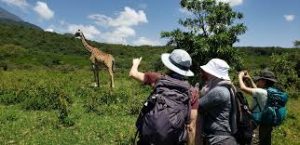
Local guides are essential for a successful serval safari. They possess deep knowledge of the terrain, animal behavior, and safe tracking techniques. Working closely with guides not only increases wildlife sightings but also ensures adherence to conservation protocols. Many guides are trained in wildlife education and can explain the ecological significance of servals, their hunting strategies, and their role in maintaining healthy ecosystems.
Tanzania-based safari operators emphasize the importance of certified guides for ethical wildlife encounters:
https://www.tanzaniatourism.go.tz/
Conservation and Responsible Tourism
Participating in a serval wildlife experience near Kilimanjaro contributes directly to conservation efforts. Tourism revenue supports protected area management, anti-poaching patrols, and community outreach programs. Responsible tourism practices, such as maintaining safe distances, avoiding litter, and supporting local businesses, help preserve fragile ecosystems and promote the survival of serval populations. By choosing reputable tour operators, visitors play a key role in fostering sustainable tourism while enjoying a once-in-a-lifetime wildlife adventure.
Combining Serval Safari with Kilimanjaro Exploration
Travelers often combine wildlife tracking with Kilimanjaro climbing or trekking activities. The proximity of wildlife-rich areas to the mountain base allows for seamless integration of adventure tourism and wildlife experiences. Combining both aspects provides a holistic exploration of northern Tanzania, from highland ecosystems to savannah plains, enriching the overall safari experience.
Understanding the best locations, habitats, and wildlife viewing techniques is essential for maximizing the serval wildlife experience near Kilimanjaro. Knowledgeable guides, ethical observation, seasonal awareness, and responsible tourism practices enhance both visitor satisfaction and conservation outcomes. By carefully selecting locations and activities, travelers enjoy rare glimpses of these elusive wildcats while supporting the preservation of northern Tanzania’s unique biodiversity.
3: Travel Logistics, Accommodation, and Preparing for a Serval Safari Near Kilimanjaro
A successful serval wildlife experience near Kilimanjaro requires careful planning, from travel logistics and accommodation to packing the right gear and understanding local conditions. The region surrounding Mount Kilimanjaro offers a range of lodges, camps, and eco-friendly accommodations, providing convenient access to serval habitats while ensuring a comfortable and safe stay.
Travel Logistics – How to Reach the Serval Habitats
Mount Kilimanjaro International Airport (JRO) serves as the main gateway for international visitors to northern Tanzania. From the airport, travelers can access the main safari areas through road transfers or guided tours:
-
By Road: The roads connecting Kilimanjaro to Arusha, Amboseli, and surrounding savannah plains are generally in good condition. Private transfers, shuttle buses, and 4×4 safari vehicles are available. A safari vehicle is often recommended for optimal wildlife viewing, especially for navigating rough terrain near wetlands and grasslands where servals are commonly found.
-
By Domestic Flights: Smaller domestic airstrips, such as Arusha Airport (ARK), are accessible via short domestic flights from Dar es Salaam or Kilimanjaro. These flights save travel time for tourists with limited schedules and provide easy access to safari hubs.
-
Local Transfers and Guides: Many tour operators coordinate pickups, drop-offs, and guided transfers directly from lodges or airports. Using a reputable local guide enhances safety and ensures knowledge of serval habitats, increasing the chances of wildlife sightings.
Accommodation Options Near Serval Habitats
Accommodation ranges from luxury lodges to tented camps, each offering different experiences:
-
Luxury Eco-Lodges: Eco-lodges near Kilimanjaro combine comfort with sustainability. They use solar power, rainwater harvesting, and local materials in construction. Many lodges provide guided wildlife excursions, cultural experiences, and meals sourced from local ingredients. Staying at these lodges supports community projects and environmental conservation efforts.
-
Tented Camps: For travelers seeking a more immersive safari experience, tented camps near savannah plains and wetlands provide close proximity to wildlife. Camps are often fully equipped with comfortable bedding, hot showers, and guided walking or night safaris.
-
Arusha Town Lodges: Located approximately 50–60 km from Kilimanjaro, Arusha lodges offer additional amenities such as restaurants, swimming pools, and access to shopping. Daily safari trips to serval habitats are arranged via tour operators.
Advanced booking is highly recommended, especially during peak seasons (June–October and December–February), to secure the best accommodations and guided experiences. TANAPA and Tanzania Tourism provide official guidance on permitted lodges and camps:
https://www.tanzaniatourism.go.tz/
Preparing for the Serval Safari
Proper preparation enhances comfort, safety, and enjoyment during the serval wildlife experience near Kilimanjaro:
-
Clothing: Lightweight, breathable clothing in neutral colors is ideal to blend with the environment. Long sleeves and trousers protect against insects and thorny bushes. Layered clothing is recommended for early morning or evening excursions when temperatures fluctuate.
-
Footwear: Sturdy, closed-toe hiking boots with good traction are essential, especially in muddy grasslands or uneven terrain.
-
Accessories: Wide-brimmed hats, sunglasses, and insect repellent are critical. A small backpack allows for carrying water, snacks, camera, and personal essentials.
-
Photography Gear: Telephoto lenses or binoculars are recommended for safe and respectful wildlife observation. Avoid using flash, as it may disturb servals and other nocturnal animals. National Geographic emphasizes ethical wildlife photography practices:
https://www.nationalgeographic.com/animals/article/ethical-photography-guidelines -
Health and Safety: Anti-malarial medication, vaccinations, and a basic first aid kit are recommended. Always carry travel insurance covering medical emergencies and evacuation. Drinking bottled or filtered water reduces the risk of waterborne illnesses.
Best Practices for Ethical Wildlife Interaction
Responsible tourism is critical when engaging in a serval wildlife experience near Kilimanjaro:
-
Keep a Safe Distance: Servals are sensitive to human disturbance; maintain a respectful distance at all times.
-
Minimize Noise: Avoid loud conversations, shouting, or sudden movements during wildlife observation.
-
Do Not Feed Wildlife: Feeding animals disrupts natural behavior and diet.
-
Follow Guide Instructions: Guides are trained to navigate habitats safely and ensure minimal ecological impact.
Supporting ethical practices not only protects wildlife but also preserves the authenticity of the safari experience for future visitors.
Tips for First-Time Safari Goers
-
Start Early: Wildlife is most active during early morning or late afternoon. Planning excursions around these times increases chances of observing servals and other species.
-
Stay Hydrated and Nourished: Carry sufficient water and snacks for long drives or walking safaris.
-
Be Patient: Observing elusive animals like servals requires time and patience; the thrill of spotting one makes the wait worthwhile.
-
Keep a Travel Journal: Document sightings, behaviors, and personal reflections to enhance memory and understanding of the safari experience.
Combining Safari with Kilimanjaro Exploration
Many visitors combine wildlife safaris with trekking Mount Kilimanjaro. This dual approach provides a holistic experience of northern Tanzania, from the snow-capped peaks to savannah plains. Integrating both adventure tourism and wildlife observation maximizes the value of the visit and creates unforgettable memories.
Effective planning and preparation are essential for an enjoyable serval wildlife experience near Kilimanjaro. Understanding travel logistics, selecting appropriate accommodations, packing suitable gear, and adhering to ethical guidelines ensures both visitor satisfaction and wildlife conservation. A well-prepared tourist enhances not only personal enjoyment but also contributes to preserving Tanzania’s unique ecosystems and the survival of the elusive serval cat.
4: Wildlife Viewing Techniques, Seasonal Insights, and Guide Recommendations for Servals Near Kilimanjaro
Experiencing a serval wildlife experience near Kilimanjaro requires more than just traveling to the region; it demands a combination of informed observation, timing, and guidance from experienced wildlife professionals. Servals are solitary, elusive, and primarily nocturnal, which makes spotting them both challenging and rewarding. This section explores expert wildlife viewing techniques, seasonal insights for optimal sightings, and recommendations for guides to ensure a safe, ethical, and enriching safari experience.
Expert Wildlife Viewing Techniques
-
Early Morning and Late Afternoon Drives:
Servals are most active during the cooler hours of dawn and dusk. Guided drives during these periods increase the chances of observing hunting behaviors or the distinctive upright posture servals adopt when scanning for prey. Wildlife enthusiasts often combine early morning drives with game walks to maximize encounters with both servals and other nocturnal or crepuscular species, including genet cats, mongooses, and African civets. -
Night Safari with Spotlights:
Night drives are one of the most effective techniques for observing servals, particularly in wetland edges and open savannahs where prey is abundant. Using soft, low-intensity spotlights allows guides to locate the cats without causing distress. Maintaining a low noise level and avoiding sudden movements is crucial for ethical wildlife observation. Reputable Tanzanian safari operators emphasize that responsible night safaris protect the natural behavior of nocturnal species:
https://www.tanzaniatourism.go.tz/ -
Track and Sign Identification:
Experienced guides utilize spoor tracking, including footprints, scat, and feeding signs, to locate servals. Understanding subtle cues such as disturbed vegetation or bird alarm calls can alert trackers to the presence of these elusive cats. Visitors often find that learning to read tracks and signs enhances engagement and deepens appreciation for the ecosystem. -
Use of Binoculars and Telephoto Lenses:
Given their shy and solitary nature, direct encounters with servals can be brief. High-quality binoculars and telephoto lenses enable visitors to observe behaviors from a safe distance without disturbing the animal. Ethical photography is highly encouraged, avoiding flash and excessive noise, aligning with international wildlife observation standards:
https://www.nationalgeographic.com/animals/article/ethical-photography-guidelines -
Combination of Walking and Vehicle Safaris:
Where terrain permits, guided walking safaris allow visitors to quietly approach servals in grasslands or wetlands. Alternating between vehicle and walking safaris provides flexibility, allowing close observation while ensuring safety and minimal environmental impact.
Seasonal Insights for Serval Observation
Understanding seasonal dynamics is key to maximizing the serval wildlife experience near Kilimanjaro. Northern Tanzania experiences two primary seasons—the dry season (June–October) and the wet season (March–May):
-
Dry Season:
During the dry season, grasslands are shorter, water sources are limited, and prey animals congregate near rivers, lakes, and wetlands. This concentration of prey attracts servals to specific areas, making sightings more predictable. Additionally, dry weather facilitates vehicle mobility and accessibility to remote areas of savannah and wetlands. -
Wet Season:
The wet season brings lush vegetation and abundant prey dispersed across the landscape. While servals may be more challenging to spot due to taller grasses and dense cover, the wet season offers dramatic scenery, vibrant birdlife, and fewer tourists, providing a more intimate and immersive safari experience. Wetland areas become particularly productive for hunting, increasing the probability of observing serval behaviors like pouncing or stalking. -
Transitional Periods:
Late May and early November mark transitional periods when grasslands are still recovering from rains or drying out. These months can present a balance between accessibility and wildlife activity, though visitors should be prepared for varying terrain conditions.
Guide Recommendations
The presence of knowledgeable guides is paramount for a successful serval safari:
-
Local Expertise:
Guides familiar with Kilimanjaro’s northern plains and wetlands can interpret animal behaviors, track spoor, and identify prime observation points. Their expertise dramatically increases the likelihood of spotting servals in ethical and safe conditions. -
Trained in Conservation Practices:
Certified guides adhere to best practices for wildlife observation, ensuring minimal ecological disruption. They educate tourists about serval behavior, ecosystem roles, and conservation challenges, creating a meaningful and educational safari experience. -
Language and Communication Skills:
Guides who can communicate effectively in English or other international languages enhance visitor engagement by explaining species identification, behaviors, and ecological context. This approach ensures that tourists gain deeper understanding and appreciation for wildlife. -
Safety Awareness:
Guides trained in wildlife safety and emergency protocols are essential. Servals themselves pose minimal threat, but the safari terrain can include other large predators or rough pathways. Safety-conscious guides manage risk and ensure a smooth experience.
Maximizing the Safari Experience
To fully enjoy the serval wildlife experience near Kilimanjaro, tourists should integrate the following strategies:
-
Be Patient: Wildlife observation is inherently unpredictable. Spending extended periods quietly in observation hides or vehicles increases the chances of witnessing rare behaviors.
-
Stay Hydrated and Energized: Long drives or walking safaris require water and snacks, especially under the tropical sun or humid conditions.
-
Observe Ethical Practices: Respecting distance, minimizing noise, and refraining from feeding wildlife ensures sustainability and safety.
-
Engage with Guides: Ask questions and learn from local knowledge to enhance understanding of serval ecology and the broader ecosystem.
-
Document Responsibly: Photography and journaling enrich the experience, but maintaining mindfulness prevents stress to wildlife.
Integration with Broader Wildlife Experiences
While servals are the highlight, northern Tanzania’s plains also host giraffes, zebras, elephants, leopards, hyenas, and a vast array of bird species. Combining serval tracking with broader wildlife observation enriches the safari experience, offering a comprehensive perspective on ecosystem dynamics and predator-prey interactions.
Conservation organizations, including the Jane Goodall Institute, emphasize that sustainable tourism practices combined with guided wildlife observation promote long-term ecological balance and awareness:
https://www.janegoodall.org/
Understanding expert viewing techniques, seasonal patterns, and guide recommendations significantly enhances the serval wildlife experience near Kilimanjaro. Ethical, patient, and informed observation allows visitors to witness one of Africa’s most elusive wild cats while contributing to conservation awareness and ecosystem preservation. By combining preparation, local expertise, and respect for wildlife, travelers ensure an unforgettable safari that supports both personal adventure and ecological stewardship.
5: Conservation, Community Engagement, and Future Outlook for Serval Wildlife Near Kilimanjaro
The serval wildlife experience near Kilimanjaro is not only an adventure for tourists but also an opportunity to engage with critical conservation efforts and support local communities. As human populations expand and environmental pressures increase, the survival of servals and other wildlife species depends heavily on sustainable tourism, informed policy, and community collaboration. This final section explores conservation strategies, community involvement, and the future outlook for serval habitats near Kilimanjaro, emphasizing how tourists can contribute meaningfully to these efforts.
Conservation Initiatives in Northern Tanzania
Northern Tanzania, including areas surrounding Mount Kilimanjaro, Arusha National Park, and Maasai Steppe, hosts a wide variety of wildlife, including the elusive serval. Protecting these habitats is essential, and multiple organizations are actively involved:
-
Tanzania National Parks Authority (TANAPA):
TANAPA manages national parks and reserves, implementing anti-poaching measures, habitat restoration projects, and wildlife monitoring programs. Their efforts ensure that servals and other vulnerable species have secure territories where they can thrive. Visitors to Kilimanjaro’s northern wildlife areas indirectly support these initiatives through park fees and guided tours. For more information, visit:
https://www.tanzaniaparks.go.tz/ -
Local Conservation Projects:
Several community-based conservation programs focus on wildlife protection, education, and sustainable livelihoods. For example, eco-tourism initiatives train local Maasai guides to lead safaris while teaching visitors about wildlife ecology and conservation challenges. Supporting these programs by hiring local guides or choosing eco-lodges contributes to sustainable tourism and economic empowerment. -
Research and Monitoring:
Organizations such as the Wildlife Conservation Society (WCS) and African Wildlife Foundation (AWF) conduct research on serval populations, habitat use, and predator-prey dynamics. These studies inform conservation policy, identify critical habitat areas, and guide sustainable tourism practices. Tourists participating in guided serval wildlife experiences near Kilimanjaro can learn about ongoing research, helping raise awareness and funding for conservation.
https://www.awf.org/
Community Engagement and Sustainable Tourism
Local communities play a pivotal role in wildlife preservation. In northern Tanzania, community engagement includes:
-
Employment and Training:
Tourism provides jobs for local guides, lodge staff, drivers, and trackers. Training programs emphasize ethical wildlife observation, safety protocols, and customer service, equipping locals with skills for sustainable employment. -
Revenue Sharing:
Many eco-lodges and safari operators allocate a portion of profits to community projects such as schools, health clinics, and water access initiatives. This creates a direct link between wildlife conservation and community well-being, fostering local stewardship over wildlife habitats. -
Cultural Education:
Visitors can learn about traditional practices, land management strategies, and the Maasai perspective on wildlife conservation. Understanding how local cultures coexist with wildlife enhances appreciation for the region’s ecological and cultural richness.
Challenges Facing Serval Conservation
Despite these positive initiatives, servals face challenges:
-
Habitat Loss:
Agricultural expansion, urban development, and infrastructure projects can fragment serval habitats, limiting their hunting grounds and increasing human-wildlife conflict. -
Climate Change:
Changes in rainfall patterns, vegetation cover, and prey availability can affect serval populations. Wetlands and grasslands near Kilimanjaro are particularly sensitive to climate variability. -
Poaching and Human Disturbance:
While servals are not typically targeted by poachers, illegal hunting of small mammals reduces their prey base, indirectly threatening their survival. Increased tourism activity must be carefully managed to prevent disturbance or stress on wildlife.
Addressing these challenges requires collaboration among government agencies, conservation organizations, local communities, and tourists themselves.
How Tourists Can Contribute
Visitors engaged in a serval wildlife experience near Kilimanjaro can actively support conservation and community initiatives:
-
Choose Eco-Friendly Operators: Opt for safari companies and lodges that follow ethical tourism and conservation standards.
-
Respect Wildlife Guidelines: Maintain safe distances, avoid feeding or provoking animals, and minimize noise.
-
Support Community Projects: Purchase local handicrafts, participate in educational programs, and engage with local guides.
-
Raise Awareness: Share experiences responsibly on social media to highlight ethical tourism and the importance of serval conservation.
Future Outlook for Serval Habitats
The outlook for serval populations near Kilimanjaro depends on sustained conservation efforts, climate resilience measures, and community participation. Continued research, habitat protection, and responsible tourism practices are essential to preserving these elusive wildcats. Encouragingly, the combination of tourism revenue, local engagement, and international support has created promising opportunities for long-term sustainability.
By prioritizing ethical wildlife experiences, visitors help ensure that future generations can enjoy the unique thrill of observing servals in their natural habitats. Conservationists stress that each tourist contributes to a larger narrative: one of ecological responsibility, biodiversity preservation, and the celebration of Africa’s unique wildlife heritage. For further insights into conservation programs in Tanzania, see:
https://www.worldwildlife.org/places/tanzania
The serval wildlife experience near Kilimanjaro is more than a safari; it is an opportunity to engage in conservation, support local communities, and contribute to the future of Tanzania’s rich ecosystems. Through ethical tourism, informed observation, and collaboration with local stakeholders, travelers can enjoy unforgettable encounters with servals while playing a meaningful role in preserving biodiversity. By combining adventure with responsibility, this experience exemplifies the potential of sustainable wildlife tourism in northern Tanzania.
