

Explore Maasai Culture Around Serengeti with our comprehensive guide for first-time visitors. Discover traditions, rituals, villages, and cultural tours while supporting sustainable tourism and local communities.
1: Introduction to Maasai Culture Around Serengeti
https://nativesonexpeditions.com/serengeti-migration-safari/
The Maasai people are among the most iconic and well-known ethnic groups in East Africa, celebrated for their distinctive customs, traditional dress, and deep connection to the land. Observing Maasai Culture Around Serengeti provides first-time visitors with a unique insight into one of Africa’s most enduring cultural heritages. For thousands of years, the Maasai have inhabited the grasslands of northern Tanzania and southern Kenya, coexisting with wildlife and adapting their pastoralist lifestyle to the rhythms of nature. Their culture is inseparably linked to the Serengeti ecosystem, as traditional grazing practices and seasonal movements often coincide with the migration patterns of wildebeest and other wildlife. Experiencing Maasai Culture Around Serengeti offers an educational and immersive perspective, combining cultural heritage with the natural splendor of the Serengeti plains.
One of the defining aspects of Maasai culture is their traditional lifestyle, centered around cattle herding, communal living, and ceremonies that mark key life stages. Cattle are more than a source of food or wealth; they are integral to Maasai social structures, marriage practices, and spiritual beliefs. Visitors exploring Maasai Culture Around Serengeti will learn that every ritual, from initiation ceremonies to daily herding activities, reflects centuries of ecological adaptation and social cohesion. The Maasai have historically maintained harmonious relations with the Serengeti’s wildlife, recognizing the importance of conservation long before modern concepts of environmental protection emerged. This synergy between human activity and nature has allowed the Serengeti ecosystem to flourish, providing international tourists with both cultural and ecological insights.
For first-time visitors, engaging with Maasai communities offers more than just observation. Cultural tourism experiences often include guided village visits, participation in traditional ceremonies, storytelling sessions, and demonstrations of crafts such as beadwork and leatherwork. These interactions promote understanding, foster respect, and support sustainable livelihoods. External sources, such as the National Geographic on Maasai culture (https://www.nationalgeographic.com/travel/article/maasai-tribe), provide educational context that enhances the visitor experience and ensures ethical engagement with local communities.
The Serengeti region, renowned for the Great Migration, also serves as a backdrop for cultural exploration. Travelers witnessing Maasai Culture Around Serengeti can combine wildlife viewing with immersive cultural experiences, creating a multifaceted safari that enriches knowledge and appreciation of East Africa. For example, Maasai pastoralists move seasonally across the plains to access water and grazing lands, a practice that mirrors the migratory patterns of animals such as wildebeest and zebras. This interconnectedness of human and wildlife behavior makes cultural tours around Serengeti both enlightening and unforgettable.
Understanding the historical context of the Maasai people is essential for first-time visitors. The Maasai are Nilotic in origin, with linguistic and cultural roots tracing back to the Nile Valley. Their migration into northern Tanzania and southern Kenya, dating back several centuries, coincided with shifts in regional ecology and the emergence of pastoralism as a sustainable livelihood strategy. By preserving age-old traditions, the Maasai have maintained a resilient culture that thrives alongside one of the planet’s most biodiverse ecosystems. Engaging with Maasai Culture Around Serengeti allows tourists to witness these traditions firsthand, from vibrant ceremonies to daily herding routines, offering a deep, authentic, and respectful understanding of their way of life.
Modern tourism around the Serengeti has created opportunities for Maasai communities to benefit economically while preserving cultural heritage. Community-based tourism initiatives provide guided village experiences, cultural storytelling, and workshops in beadwork, dancing, and cooking. These programs are designed to be educational for visitors while empowering local communities. Sustainable tourism organizations, such as the Maasai Wilderness Conservation Trust (https://www.maasai.org), ensure that profits support education, healthcare, and conservation efforts, reinforcing the importance of ethical travel practices.
The Maasai’s cultural practices are closely linked to their environment. For instance, traditional houses called enkangs are constructed from locally sourced materials such as mud, sticks, and cow dung, providing insulation suitable for the Serengeti climate. Daily routines, including water collection, herding, and community meetings, reflect a balance between resource use and environmental stewardship. By exploring Maasai Culture Around Serengeti, first-time visitors gain a nuanced understanding of sustainable living and the symbiotic relationship between culture and nature.
Rituals and ceremonies are central to the Maasai’s cultural identity. Initiation ceremonies, known as Emuratare for boys and circumcision or age-set rituals for girls, mark transitions into adulthood. These events are accompanied by singing, dancing, and symbolic practices that reinforce community cohesion. Marriage ceremonies involve intricate negotiation processes and exchanges of cattle, reflecting the deep social and economic role of livestock in Maasai life. Visitors who witness these rituals gain insight into the values, beliefs, and social structures that define Maasai society.
Traditional Maasai attire, including the red shuka cloth, beaded jewelry, and elaborate ornaments, is more than decorative; it signifies age, marital status, and social identity. Color symbolism, bead patterns, and ornamentation convey meaning that visitors can interpret with the guidance of knowledgeable local guides. By participating respectfully in cultural tours, first-time visitors can appreciate the artistry, symbolism, and historical significance of these traditions.
Language and oral traditions also play a vital role in preserving Maasai culture. The Maa language, songs, proverbs, and storytelling are methods for passing down historical knowledge, moral lessons, and ecological wisdom. Storytelling sessions with elders provide visitors with contextual understanding of cultural practices, social values, and the Maasai worldview, complementing wildlife and ecological observations in the Serengeti.
For travelers seeking a complete cultural immersion, combining Maasai Culture Around Serengeti with eco-safari tours creates a unique and holistic experience. Observing pastoralists herding cattle alongside wildlife, learning beadwork from local artisans, and attending community celebrations enrich the safari experience, offering insights into how human communities coexist sustainably with the Serengeti’s ecosystems. First-time visitors not only witness spectacular wildlife but also gain an understanding of the cultural practices that have allowed humans and nature to thrive in harmony for centuries.
The combination of wildlife and culture also supports conservation awareness. By engaging with Maasai communities, tourists learn about the importance of land stewardship, anti-poaching efforts, and habitat preservation. Community-based programs often include educational workshops on sustainable grazing, environmental conservation, and wildlife protection. Organizations such as WWF (https://www.worldwildlife.org) collaborate with Maasai communities to ensure that tourism contributes positively to both cultural preservation and ecological sustainability.
In conclusion, Maasai Culture Around Serengeti offers first-time visitors a rich and immersive experience that blends heritage, ecology, and responsible tourism. From understanding traditional lifestyles and rituals to witnessing the symbiotic relationship between pastoralists and wildlife, cultural tours around the Serengeti provide educational, meaningful, and unforgettable encounters. By respecting local practices and supporting community-based tourism, travelers contribute to the preservation of one of East Africa’s most iconic cultural landscapes, ensuring that the Maasai’s traditions continue to thrive alongside the Serengeti’s natural wonders.
2: Maasai Daily Life, Economy, and Pastoral Practices Around Serengeti
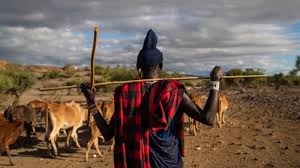
Understanding the essence of Maasai Culture Around Serengeti requires an in-depth look at the daily life and economic practices of the Maasai people, whose existence is deeply intertwined with the Serengeti ecosystem. The Maasai are traditionally pastoralists, relying on livestock as the cornerstone of their economy, social structures, and spiritual practices. This unique cultural adaptation has allowed them to coexist with the Serengeti’s wildlife for centuries, creating a lifestyle that is both sustainable and culturally rich. For first-time visitors, experiencing the daily rhythms of Maasai life provides insights into resilience, resourcefulness, and community cohesion, all central themes of Maasai Culture Around Serengeti.
Daily Life and Household Structure
Maasai villages, known as enkangs, are strategically organized settlements where family compounds are arranged in circular patterns to provide protection for livestock and children. The design reflects both practical and social considerations: livestock, primarily cattle, goats, and sheep, are kept at the center of the village to safeguard them from predators, while homes constructed from mud, sticks, and cow dung surround this central area. Observing Maasai Culture Around Serengeti reveals how daily activities—such as herding, cooking, water collection, and communal gatherings—are carefully coordinated to maintain the balance between family, livestock, and the environment.
Women play a central role in maintaining the household and supporting pastoral activities. Their responsibilities include milking cows, preparing meals, collecting firewood, fetching water, and crafting traditional jewelry. Men focus on herding livestock, protecting the community from predators, and participating in community decision-making. Children are gradually introduced to these responsibilities, learning the skills necessary to sustain their culture and way of life. Visitors witnessing these daily routines gain a holistic understanding of the Maasai’s intergenerational knowledge transfer and the meticulous coordination required for survival in the Serengeti’s dynamic landscape.
Pastoral Practices and Livestock Management
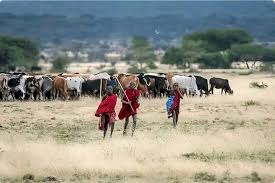
Livestock is the foundation of the Maasai economy, and pastoral practices are central to Maasai Culture Around Serengeti. Cattle are considered a measure of wealth and social status, influencing marriage, social ties, and ceremonial obligations. Herding is not only an economic activity but also a social and cultural practice, with young men, known as morans, tasked with protecting the herd and learning the landscape. Herding routes are traditionally aligned with seasonal variations, allowing the Maasai to utilize grazing lands efficiently while minimizing environmental impact.
The Maasai employ rotational grazing systems that mirror ecological principles observed in modern conservation. By moving herds according to pasture availability and water access, they prevent overgrazing and maintain soil fertility. This practice coincides with the migratory patterns of Serengeti wildlife, illustrating a remarkable synergy between human activity and natural processes. For first-time visitors, observing these pastoral practices provides a tangible connection to both cultural heritage and ecological sustainability.
Economic Practices and Livelihoods
While livestock remains the economic backbone, the Maasai have diversified their livelihoods through trade, tourism, and cultural engagement. The sale of cattle, milk, and dairy products constitutes traditional economic activity, while beadwork, crafts, and guided cultural tours provide supplemental income. Community-based tourism programs enable visitors to participate in cultural workshops, attend traditional dances, and observe ceremonies, offering an immersive experience while contributing to local economies. According to the Maasai Wilderness Conservation Trust (https://www.maasai.org), such initiatives have empowered communities to maintain cultural integrity while benefiting from the growing tourism sector.
First-time visitors who engage in these economic aspects gain insight into the practical challenges and innovations of Maasai life. For instance, beadwork is not merely decorative; it conveys social information, age, marital status, and clan identity. By supporting local artisans, tourists help sustain a practice that is both economically and culturally significant. Similarly, participating in livestock-related activities, such as milking or herding under supervision, provides an authentic experience of traditional pastoral life.
Rituals and Ceremonial Life
Rituals and ceremonies are intertwined with the Maasai economy and daily life, reflecting both spiritual beliefs and social organization. Cattle play a pivotal role in these ceremonies, including birth celebrations, initiation rites, and weddings. For example, during male initiation ceremonies, a designated number of cattle may be exchanged as part of social and familial obligations. These rituals reinforce communal bonds and provide continuity of cultural knowledge. Observing these practices allows first-time visitors to appreciate the deep significance of cattle in both economic and cultural contexts.
Interaction with the Serengeti Ecosystem
The Maasai’s economic practices are intrinsically linked to their environment. Seasonal migrations for grazing coincide with ecological cycles of the Serengeti, ensuring sustainable use of natural resources. Water sources, grasslands, and wildlife corridors are respected and integrated into pastoral routes, demonstrating a sophisticated understanding of environmental management. First-time visitors witnessing this interaction gain an appreciation for how Maasai Culture Around Serengeti exemplifies sustainable living and coexistence with nature.
Community Governance and Decision-Making
Maasai communities are governed through age-set systems and councils of elders, who oversee conflict resolution, land allocation, and ceremonial approvals. Decisions regarding livestock movement, communal responsibilities, and cultural events are made collectively, reflecting a participatory approach to governance that balances individual and communal needs. Visitors engaging with elders and local leaders gain insight into decision-making processes that sustain Maasai culture and maintain harmony within the community.
Education and Adaptation
Modern influences, including formal education, healthcare, and tourism, have introduced new dynamics into Maasai daily life. Many Maasai children attend local schools while simultaneously participating in traditional activities, creating a hybrid model of education that preserves cultural knowledge. First-time visitors can observe educational programs that integrate ecological awareness and cultural preservation, showcasing how Maasai Culture Around Serengeti adapts to contemporary challenges while maintaining its identity.
External Resources for Further Learning
-
Maasai Wilderness Conservation Trust: https://www.maasai.org
-
National Geographic: https://www.nationalgeographic.com/travel/article/maasai-tribe
-
WWF Tanzania Programs: https://www.worldwildlife.org/places/tanzania
By exploring these resources, first-time visitors can deepen their understanding of Maasai pastoral systems, economic practices, and community-based conservation efforts, ensuring a more meaningful and responsible cultural engagement.
In conclusion, the daily life, pastoral practices, and economic systems of the Maasai are central to understanding Maasai Culture Around Serengeti. First-time visitors who engage with these aspects gain insights into the resilience, ingenuity, and sustainability of one of East Africa’s most iconic cultures. Through guided tours, village visits, and observation of daily routines, tourists not only witness a unique cultural heritage but also appreciate how human communities can thrive in harmony with one of the world’s most biodiverse ecosystems.
3: Maasai Ceremonies, Festivals, and Spiritual Practices Around Serengeti
One of the most fascinating aspects of Maasai Culture Around Serengeti lies in their rich ceremonial and spiritual traditions. The Maasai have preserved a vibrant tapestry of rituals, festivals, and religious practices that mark critical life stages, celebrate community identity, and honor the environment that sustains them. For first-time visitors, observing or participating in these ceremonies offers an unparalleled insight into a culture that has remained remarkably resilient despite modern pressures. These cultural experiences go beyond entertainment—they provide context for how the Maasai integrate social cohesion, spirituality, and ecological awareness into daily life.
Life-Cycle Ceremonies
Life-cycle ceremonies, which include birth, initiation, marriage, and elderhood rituals, form the backbone of Maasai spiritual and social life. Each ceremony is highly symbolic, deeply structured, and involves the wider community.
-
Birth Ceremonies:
When a child is born, the Maasai community celebrates with blessings, rituals, and symbolic acts that ensure the newborn’s wellbeing. Newborns are often named based on events occurring at the time of birth, the season, or spiritual guidance from elders. Visiting first-time tourists can observe aspects of these ceremonies, often through guided cultural tours organized by responsible operators. These experiences highlight the interconnection between human life and the surrounding Serengeti ecosystem, as cattle and livestock may also play a role in blessing rituals. -
Initiation Rites:
Perhaps the most iconic of Maasai ceremonies are the initiation rites, particularly for boys (Emuratare) and girls. These rites mark the transition from childhood to adulthood and involve intricate rituals that encompass physical, spiritual, and social education. Boys undergo circumcision ceremonies followed by an extended period of mentorship and warrior training, learning survival skills, herding techniques, and community responsibilities. Girls’ initiation often includes instruction in domestic skills, cultural knowledge, and community roles. Observing or learning about these rites provides first-time visitors with an understanding of the values of courage, resilience, and social responsibility that define Maasai Culture Around Serengeti. -
Marriage Ceremonies:
Marriage is a communal affair among the Maasai, involving negotiations, cattle exchanges, and elaborate celebrations. The bride and groom are often surrounded by family and community members, engaging in singing, dancing, and rituals that reinforce social bonds. Visitors gain insight into the economic and symbolic importance of cattle in Maasai society, as well as the intricate social structures that guide marital arrangements. These ceremonies showcase how Maasai Culture Around Serengeti integrates economic, social, and spiritual dimensions seamlessly.
Festivals and Community Gatherings
Beyond life-cycle ceremonies, Maasai communities celebrate seasonal festivals and communal gatherings that strengthen social cohesion and cultural identity. Festivals often coincide with ecological cycles, such as cattle calving or seasonal migrations of wildlife, reflecting the Maasai’s deep ecological knowledge.
-
Rites of Passage Festivals:
These events may include mass initiation ceremonies, communal feasts, and competitions in skills such as spear-throwing or cattle herding. For first-time visitors, festivals offer vibrant displays of music, dance, and traditional attire, providing a dynamic introduction to Maasai Culture Around Serengeti. -
Cultural Dancing and Singing:
Maasai festivals are renowned for their energetic dancing, rhythmic chanting, and acrobatic jumping performances (adumu), often performed by young warriors. These performances are not merely entertainment; they communicate bravery, vitality, and social status within the community. Visitors are encouraged to observe respectfully and, where appropriate, participate in workshops that teach traditional dance and song. National Geographic’s feature on Maasai cultural practices (https://www.nationalgeographic.com/travel/article/maasai-tribe) highlights the significance of these performances as living expressions of cultural continuity.
Spiritual Beliefs and Practices
Spirituality in Maasai culture is intricately connected to the environment, livestock, and community welfare. The Maasai believe in a supreme deity called Enkai (or Engai), who is responsible for rain, fertility, and the wellbeing of people and cattle. Rituals often involve prayers, blessings, and offerings that honor Enkai and seek protection for the community.
-
Rituals for Rain and Fertility:
Given the semi-arid conditions of the Serengeti, rainfall is crucial for both livestock and crops. Rainmaking ceremonies, conducted by spiritual leaders, involve prayers, dances, and symbolic acts that aim to invoke divine favor for the community. First-time visitors gain appreciation for how these rituals reinforce the Maasai’s ecological knowledge and dependence on environmental stewardship. -
Cattle Blessings:
Cattle are considered sacred and central to social and spiritual life. Rituals often bless herds during seasonal changes, migrations, or communal celebrations. These ceremonies exemplify the integration of economic activity, spirituality, and cultural identity within Maasai Culture Around Serengeti.
Interaction with Wildlife and Conservation Values
Interestingly, Maasai spiritual beliefs have historically contributed to wildlife conservation. Sacred areas and grazing practices often prevent overexploitation of the land, creating informal wildlife corridors and preserving biodiversity. By observing Maasai spiritual practices, visitors can understand how culture and conservation are interlinked. Organizations like the Maasai Wilderness Conservation Trust (https://www.maasai.org) document how cultural norms around sacred land and livestock movement support ecological preservation while enabling sustainable pastoralist livelihoods.
Ethical Cultural Tourism Considerations
First-time visitors must approach Maasai ceremonies and spiritual practices with sensitivity and respect. Participating in or observing rituals should be done with guidance from certified community-based tourism operators. Responsible tourism ensures that cultural traditions are not commodified or disrupted, while local communities benefit economically. This approach aligns with international sustainable tourism principles and enhances visitor experience by fostering authentic cultural engagement.
Preserving Cultural Heritage in the Modern Era
While modernization and globalization influence Maasai life, ceremonies, festivals, and spiritual practices remain central to cultural identity. Programs combining education, tourism, and community participation are helping preserve these traditions. Tourists engaging in cultural tours contribute to sustaining rituals, supporting elders who pass knowledge to younger generations, and funding initiatives that integrate cultural preservation with environmental stewardship. The African Wildlife Foundation (https://www.awf.org) highlights initiatives where Maasai cultural preservation supports both community resilience and biodiversity conservation.
In summary, Maasai ceremonies, festivals, and spiritual practices provide first-time visitors with a profound insight into Maasai Culture Around Serengeti. Life-cycle events, communal gatherings, and spiritual rituals reveal how this society balances tradition, community, and environment. By observing, participating respectfully, and supporting responsible tourism initiatives, visitors can experience the vibrancy, spirituality, and cultural depth that have sustained the Maasai for centuries, creating a memorable and educational safari experience.
4: Maasai Art, Crafts, and Traditional Skills Around Serengeti
One of the most captivating aspects of Maasai Culture Around Serengeti lies in the artistic expressions, craftsmanship, and traditional skills that have been passed down for generations. For first-time visitors, experiencing Maasai art is not only visually stunning but also an opportunity to understand the cultural, social, and spiritual dimensions embedded within every creation. These practices encompass beadwork, jewelry, weaving, pottery, and other crafts, all of which reflect the Maasai’s connection to their environment, community, and heritage.
Beadwork and Jewelry
Perhaps the most iconic representation of Maasai artistry is their intricate beadwork. Women are primarily responsible for creating these elaborate pieces, which include necklaces, bracelets, earrings, and ceremonial ornaments. Each color, pattern, and design carries symbolic meaning, conveying social status, age, marital position, and even clan identity. Red symbolizes bravery and strength, blue represents the sky and energy, and green signifies health and land. Through these designs, Maasai Culture Around Serengeti communicates complex cultural narratives that are both visually captivating and socially informative.
Beadwork is often produced in communal workshops where young girls and women learn from elders, ensuring the continuity of traditional knowledge. For first-time visitors, observing or participating in bead-making sessions offers a hands-on appreciation of the skill, patience, and creativity required. The Maasai Wilderness Conservation Trust (https://www.maasai.org) emphasizes the importance of supporting these artisanal practices, as revenues from selling handcrafted items directly benefit community education, healthcare, and conservation programs.
Leatherwork and Traditional Clothing
Leather has historically been a vital material for the Maasai, used to craft clothing, sandals, belts, and shields. Traditional garments, such as the famous red shuka, are often adorned with beads or embroidered leatherwork. The process of tanning hides, preparing materials, and creating garments is labor-intensive, requiring knowledge of animal husbandry, environmental resources, and artisanal techniques. For visitors exploring Maasai Culture Around Serengeti, witnessing leatherwork production provides insight into the relationship between cultural identity, practical utility, and environmental resourcefulness.
Pottery and Household Crafts
Although less widely recognized, pottery and domestic crafts also play a significant role in Maasai life. Clay pots, cooking vessels, and storage containers are crafted using traditional methods and are essential for daily routines, including cooking, water storage, and ceremonial purposes. These crafts reflect a sophisticated understanding of material properties, climate adaptation, and aesthetic design, combining functionality with artistic expression. First-time visitors can observe pot-making workshops, gaining appreciation for the detailed techniques that have been preserved over generations.
Traditional Music and Instruments
Music is another integral form of Maasai artistic expression. Singing, chanting, and the use of traditional instruments, such as the orutu (a single-stringed violin) or adumu accompaniment tools, are central to ceremonies, festivals, and communal gatherings. Music conveys stories, moral lessons, historical events, and spiritual messages, providing both entertainment and cultural education. Experiencing Maasai music firsthand allows visitors to immerse themselves in rhythms and melodies that have defined Maasai Culture Around Serengeti for centuries.
Dance and Performance Arts
Maasai dance is globally renowned for its acrobatic displays, synchronized movements, and communal participation. The adumu, or jumping dance, performed by young warriors, is a highlight during ceremonies and festivals. These performances symbolize strength, endurance, and social status while fostering communal bonds. For first-time visitors, attending a traditional dance performance offers both aesthetic pleasure and cultural insight, allowing them to witness the values of courage, respect, and unity expressed through movement. National Geographic highlights (https://www.nationalgeographic.com/travel/article/maasai-tribe) the significance of these performances as living cultural traditions that transmit historical and social knowledge.
Traditional Skills in Daily Life
Beyond art for decorative or ceremonial purposes, traditional skills are embedded in the Maasai’s daily life and survival strategies. Skills such as herding, hunting, fire-making, medicinal plant knowledge, and construction of enkangs are passed down through oral instruction and hands-on training. Visitors can observe how these skills are integrated into everyday routines, from constructing homes with natural materials to managing livestock sustainably. This holistic skill set illustrates how Maasai Culture Around Serengeti encompasses both artistry and practical expertise, highlighting the interdependence of cultural expression and survival knowledge.
Economic Significance of Maasai Crafts
Artisanal crafts are not only culturally significant but also economically vital. Tourism has created a sustainable market for Maasai crafts, where first-time visitors can purchase authentic beadwork, jewelry, textiles, and leather goods. Responsible tourism ensures that these transactions benefit the community directly, empowering artisans and promoting cultural preservation. Organizations like the Maasai Women Artisans Cooperative (https://www.maasaiwomenscooperative.org) provide platforms for selling crafts ethically, ensuring that cultural heritage is safeguarded while supporting livelihoods.
Cultural Symbolism and Storytelling
Every piece of Maasai art and craft carries embedded symbolism. Bead patterns may tell stories of historical events, moral lessons, or clan lineages. Leather shields and ceremonial attire signify bravery and social achievement. Pottery designs often incorporate motifs representing environmental elements, spiritual beliefs, or communal values. First-time visitors exploring Maasai Culture Around Serengeti gain an appreciation of how art is not merely decorative but a living repository of cultural knowledge.
Sustainability and Environmental Awareness
Maasai artistic practices reflect sustainable use of natural resources. Materials are sourced locally, using techniques that minimize environmental impact. For example, natural dyes for beads and textiles are derived from plants, while clay is harvested responsibly for pottery. This integration of sustainability into art reinforces the Maasai’s philosophy of living in harmony with the Serengeti ecosystem. Visitors who understand this connection can better appreciate the ecological wisdom embedded in Maasai Culture Around Serengeti.
Workshops and Cultural Tours
Many community-based tourism programs offer workshops where tourists can learn Maasai craft techniques directly from artisans. Activities may include bead-making, leatherwork, pottery, or traditional cooking demonstrations. These immersive experiences enhance visitor understanding of skill, tradition, and cultural significance while promoting ethical tourism. By participating in such programs, first-time visitors not only acquire skills but also contribute to the economic and social sustainability of Maasai communities.
In conclusion, Maasai art, crafts, and traditional skills provide first-time visitors with an extraordinary window into the culture, creativity, and resourcefulness of the Maasai people. From intricate beadwork and leathercraft to music, dance, and everyday skills, these practices embody the essence of Maasai Culture Around Serengeti. By engaging respectfully, supporting local artisans, and participating in guided workshops, visitors can gain a profound appreciation of the artistic and practical heritage that has sustained Maasai communities for generations, ensuring that these cultural treasures continue to thrive alongside the Serengeti’s natural wonders.
5: Maasai Tourism Experiences and Sustainable Travel Tips Around Serengeti
For first-time visitors, exploring Maasai Culture Around Serengeti offers a unique opportunity to combine cultural immersion with ecological adventure. The Maasai’s communities, spread across the northern plains of Tanzania and southern Kenya, welcome visitors who seek authentic experiences, educational engagement, and meaningful contributions to local sustainability. This final section highlights the most rewarding tourism experiences, ethical travel guidelines, and practical tips to ensure that interactions with Maasai communities are respectful, enriching, and beneficial for both tourists and locals.
Immersive Maasai Village Visits
One of the most popular ways to experience Maasai Culture Around Serengeti is through guided village tours. These visits provide firsthand exposure to daily life, ceremonies, and traditional skills. Visitors can observe the construction of enkangs, the milking of cattle, traditional cooking methods, and the practice of beadwork or leathercraft. Knowledgeable guides explain the social structure, history, and spiritual beliefs of the Maasai, creating a contextualized understanding that goes beyond simple observation.
First-time visitors are encouraged to participate respectfully in daily activities, such as preparing meals or crafting beads under the supervision of local artisans. This engagement fosters meaningful connections, supports local income generation, and provides an educational perspective on how Maasai communities sustain their culture while interacting with the Serengeti ecosystem. The Maasai Wilderness Conservation Trust (https://www.maasai.org) organizes several structured village visits that are designed to empower local communities while ensuring tourists gain authentic experiences.
Cultural Workshops and Educational Experiences
Cultural workshops allow tourists to dive deeper into Maasai Culture Around Serengeti. These workshops include:
-
Beadwork Classes: Learn the symbolism behind colors, patterns, and designs. Visitors can create their own pieces while understanding their cultural significance.
-
Traditional Cooking: Participate in meal preparation using local ingredients, learning about Maasai dietary traditions and sustainable practices.
-
Dance and Music Workshops: Experience the rhythms of Maasai life through drumming, chanting, and traditional dance lessons.
These hands-on experiences ensure that tourists actively participate in cultural preservation rather than merely observing. By engaging in workshops, first-time visitors leave with both tangible memories and intangible knowledge about Maasai heritage.
Safari and Cultural Integration
For many tourists, combining Maasai cultural experiences with Serengeti safaris provides a holistic travel adventure. While observing wildlife such as lions, elephants, and the great wildebeest migration, visitors can also witness Maasai pastoralists tending cattle alongside the natural habitat. This integration of culture and ecology highlights the sustainable coexistence between humans and wildlife that defines Maasai Culture Around Serengeti.
Community-based safari experiences often include visits to Maasai villages where guides explain the interdependence between local culture and wildlife conservation. For instance, grazing routes are coordinated to avoid critical wildlife corridors, illustrating how traditional practices align with ecological preservation. First-time visitors gain an understanding of conservation not just as a scientific or regulatory effort but as a cultural value embedded within Maasai daily life. The African Wildlife Foundation (https://www.awf.org) emphasizes the role of cultural tourism in supporting both community livelihoods and conservation initiatives, showcasing a model for ethical engagement.
Sustainable and Ethical Tourism Guidelines
To ensure that tourism contributes positively to Maasai communities, visitors should follow several best practices:
-
Respect Privacy and Traditions: Always seek permission before photographing individuals, participating in ceremonies, or entering private spaces. Many rituals have spiritual significance, and disrupting them can be disrespectful.
-
Support Local Enterprises: Purchase crafts, artwork, and services directly from local artisans to ensure profits remain within the community. Ethical sourcing helps sustain livelihoods and preserve traditional skills.
-
Use Certified Guides and Operators: Choose tour operators certified by organizations such as the Maasai Wilderness Conservation Trust or community-based tourism programs. This guarantees responsible practices, fair compensation for locals, and authentic experiences.
-
Learn and Follow Cultural Etiquette: Dress modestly, follow guidance during ceremonies, and engage in cultural exchanges with humility and curiosity. Understanding social norms enhances interactions and prevents misunderstandings.
-
Minimize Environmental Impact: Respect the Serengeti’s fragile ecosystem by avoiding litter, staying on designated paths, and following wildlife guidelines. Cultural tourism should complement ecological conservation efforts.
Engaging with Maasai Elders and Storytelling
Storytelling is a cornerstone of Maasai Culture Around Serengeti. Elders pass down histories, legends, and moral teachings through oral tradition, which visitors can experience during village visits or cultural workshops. Listening to these stories provides first-time visitors with insights into community values, social cohesion, and traditional ecological knowledge. Elders often explain how rituals, ceremonies, and daily practices connect with the Serengeti ecosystem, bridging cultural understanding and environmental awareness.
Seasonal and Festival Tourism
Planning travel around Maasai festivals and seasonal ceremonies enhances the visitor experience. For example, attending initiation ceremonies or communal dances during specific times of the year offers opportunities to observe traditions in their authentic context. First-time visitors are encouraged to coordinate with local guides to understand which events are open to public observation, ensuring respect for sacred practices.
Health, Safety, and Practical Considerations
Visitors should be mindful of the Serengeti’s semi-arid climate, seasonal temperatures, and wildlife risks. Adequate preparation includes:
-
Vaccinations and health precautions
-
Sun protection and hydration
-
Appropriate clothing for village visits and safari activities
-
Respectful footwear for village and bush excursions
Following these practical tips ensures that tourists can enjoy Maasai Culture Around Serengeti safely while fully engaging with the environment and communities.
Long-Term Benefits of Responsible Tourism
Sustainable tourism not only benefits visitors but also strengthens Maasai communities. Revenue from cultural tours, craft sales, and workshops funds education, healthcare, and environmental projects. It supports the intergenerational transmission of skills and knowledge while empowering women and youth. According to WWF Tanzania (https://www.worldwildlife.org/places/tanzania), initiatives linking tourism with conservation and cultural preservation have proven successful in maintaining both ecological integrity and vibrant Maasai communities.
Personal Experiences and Reflection
For first-time visitors, Maasai Culture Around Serengeti offers transformative experiences that go beyond sightseeing. Engaging with daily life, ceremonies, crafts, and ecological practices fosters empathy, awareness, and appreciation for cultural resilience. Visitors often leave with a deeper understanding of how human communities can live harmoniously with nature while preserving identity, tradition, and sustainability.
In conclusion, Maasai tourism experiences and sustainable travel practices around the Serengeti create a holistic journey for first-time visitors. From immersive village visits, cultural workshops, and festival participation to responsible safari integration, every aspect of travel supports learning, appreciation, and conservation. By following ethical tourism guidelines, engaging respectfully with local communities, and supporting Maasai-led initiatives, visitors can ensure that their experience of Maasai Culture Around Serengeti is meaningful, transformative, and beneficial to all stakeholders.
