

Discover if Tanzania is safe for tourists. Learn about health precautions, transportation, urban and safari safety, and practical tips to ensure a secure and enjoyable Tanzania travel experience.
1. Understanding Tanzania’s Overall Safety: What Travelers Should Know
https://nativesonexpeditions.com/visa-information/
When asking the question, “Is Tanzania safe for tourists?”, it’s important to start with a general understanding of the country’s safety profile. Tanzania has long been a popular destination for travelers seeking safaris, tropical beaches, and cultural immersion. Overall, the country is considered relatively safe compared to many other African destinations, with low rates of violent crime against foreigners. Most visits proceed without incident, especially when travelers adhere to common-sense safety precautions.
Tanzania safe for tourists measures include staying in well-established lodges, using reputable safari operators, and avoiding isolated areas at night. Cities such as Dar es Salaam, Arusha, and Mwanza are generally safe during daylight hours, though petty crime like pickpocketing or bag-snatching can occur, particularly in crowded markets and transport hubs. Tourists often cite Tanzania safe for tourists experiences when traveling in groups, hiring certified guides, and planning their itineraries in advance.
The country’s political stability also contributes to Tanzania being considered safe. While regional tensions exist, especially near borders, the main tourist destinations remain secure. Tanzania safe for tourists can be further ensured by keeping up with local news, registering with your embassy, and following the advice of local authorities and tour operators. Tanzania’s government and tourism authorities have invested heavily in infrastructure, security at national parks, and emergency response services, all aimed at protecting visitors.
For credible safety information, consult resources like U.S. Department of State – Tanzania Travel Advisory and UK Foreign Travel Advice – Tanzania. Understanding Tanzania safe for tourists guidelines helps visitors plan responsibly, enjoy their travels, and minimize risks while exploring the country’s incredible natural and cultural attractions.
2. Safety in Tanzania’s Major Tourist Destinations
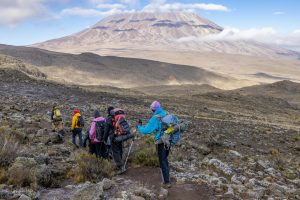
Tanzania safe for tourists is often assessed by looking at specific destinations. The Serengeti, Ngorongoro Crater, Mount Kilimanjaro, and Zanzibar are among the most visited areas, and each has unique safety considerations. In wildlife areas, guided tours are standard, and park authorities enforce strict rules to protect both visitors and animals. Tanzania safe for tourists measures here include following park regulations, staying on designated trails, and keeping a safe distance from wildlife.
Urban areas such as Dar es Salaam or Moshi require different precautions. Petty crime, traffic congestion, and local scams can pose minor risks. Travelers often report that Tanzania safe for tourists practices—such as carrying minimal cash, avoiding walking alone at night, and using trusted taxis—effectively mitigate potential problems. Tanzania also has well-developed tourist infrastructure in these regions, including police patrols near hotels and tourist hubs.
Coastal destinations like Zanzibar and Pemba Islands are largely safe, particularly in resort areas. Nonetheless, travelers should exercise caution when venturing into less-frequented beaches or isolated areas. Tanzania safe for tourists tips include booking accommodations through reputable platforms, traveling in daylight, and being mindful of local customs. These practices ensure tourists can enjoy pristine beaches, historical Stone Town tours, and cultural activities with minimal risk.
For region-specific advice and updates, visit Tanzania Tourism Official Guide and Lonely Planet – Tanzania. By understanding the varying safety dynamics across urban, rural, and coastal zones, travelers can maximize enjoyment and reduce exposure to risks, reinforcing the idea that Tanzania safe for tourists experiences are both achievable and rewarding.
3. Health and Medical Safety Considerations in Tanzania
When evaluating whether Tanzania is safe for tourists, health risks play a crucial role. Visitors should be aware of common tropical diseases, such as malaria, yellow fever, and waterborne illnesses, and take appropriate precautions. Tanzania safe for tourists practices include vaccinations, malaria prophylaxis, drinking bottled water, and using insect repellent. Travel health clinics provide detailed guidance tailored to individual itineraries.
Tanzania has modern medical facilities in major cities like Dar es Salaam and Arusha, but rural areas and national parks may have limited access. Travelers planning safari excursions should carry first-aid kits and ensure they have travel insurance covering medical evacuation if necessary. Tanzania safe for tourists initiatives, including well-equipped lodges and park ranger services, help mitigate emergency risks during wildlife tours.
Food safety is another consideration. Eating at reputable restaurants and ensuring food is cooked thoroughly reduces the risk of gastrointestinal illnesses. In coastal areas like Zanzibar, travelers should be cautious about street food and shellfish. Tanzania safe for tourists guidelines also emphasize hydration and sun protection, given the equatorial climate.
For official health recommendations, refer to Centers for Disease Control – Tanzania Travel Health and World Health Organization – Tanzania. By following these health safety measures, visitors can enjoy Tanzania’s safaris, mountains, and beaches with minimal risk, ensuring a truly secure travel experience.
4. Transportation and Travel Safety in Tanzania
Transportation safety is a key component of assessing whether Tanzania is safe for tourists. Tanzania safe for tourists practices include using reliable bus companies, hiring licensed taxi services, and arranging flights with certified carriers. Road conditions vary: major highways between cities are generally in good shape, while rural roads can be rough and challenging, particularly in rainy seasons.
Domestic flights are common for reaching national parks such as Serengeti or Gombe, and Tanzania safe for tourists standards are maintained through reputable airlines such as Precision Air and Coastal Aviation. Travelers should always verify flight schedules, confirm baggage regulations, and arrive early at airports to avoid complications.
In urban centers, road safety is a consideration. Traffic congestion, aggressive driving, and motorcycles (boda bodas) require vigilance. Tanzania safe for tourists advice includes using official taxis, avoiding night travel in less-populated areas, and having a local SIM card for communication. For boat travel to destinations like Zanzibar or Lake Tanganyika, certified ferry services and organized transfers are recommended.
For detailed transportation safety guidance, see Tanzania Roads Authority and Travel Safe Tanzania. Following these protocols ensures that travelers can navigate the country efficiently and securely, further confirming that Tanzania safe for tourists is not just possible, but highly manageable with proper planning.
5. Personal Safety, Cultural Awareness, and Practical Tips
Personal safety and cultural awareness are crucial in ensuring Tanzania safe for tourists experiences. Travelers should respect local customs, dress modestly in certain regions, and be mindful of social norms. Avoiding confrontations, traveling in groups when possible, and keeping valuables secure are all standard Tanzania safe for tourists practices.
Pickpocketing and scams are usually minor threats, particularly in crowded markets or tourist-heavy areas. Using hotel safes, carrying copies of important documents, and being cautious with strangers reduces exposure to these risks. Tanzania safe for tourists also emphasizes situational awareness and careful planning of daily activities, including knowing emergency contact numbers and embassy locations.
Cultural interactions enhance safety and enrich travel experiences. Tanzania is known for its hospitality, and polite engagement with locals can lead to safer and more rewarding encounters. Tourists who understand basic Swahili greetings, local etiquette, and social cues often find Tanzania safe for tourists in both urban and rural contexts.
For practical safety tips, visit TripAdvisor – Tanzania Travel Forum and World Nomads – Tanzania Safety Guide. By combining cultural sensitivity with vigilance, tourists can enjoy the stunning safaris, mountains, and beaches of Tanzania with confidence, reinforcing the notion that Tanzania is indeed safe for tourists when standard precautions are followed.
6. Natural Hazards and Environmental Safety in Tanzania
When considering whether Tanzania is safe for tourists, it’s essential to examine natural hazards and environmental risks. Tanzania’s diverse landscapes—including mountains, savannahs, lakes, and coastlines—offer breathtaking experiences, but they also come with unique safety considerations. By understanding these hazards, travelers can better prepare and ensure a secure trip while enjoying the country’s rich biodiversity.
One of the most well-known natural features is Mount Kilimanjaro, Africa’s tallest peak. Trekking Kilimanjaro is a bucket-list adventure, but it comes with challenges such as altitude sickness, unpredictable weather, and steep terrain. Tanzania safe for tourists practices include using licensed guides, pacing your ascent, staying hydrated, and monitoring for early symptoms of altitude sickness. Climbing with reputable tour operators ensures access to emergency support and reduces risks significantly. For official trekking guidelines, see Kilimanjaro National Park.
National parks such as Serengeti and Ngorongoro present wildlife-related hazards. Encounters with lions, elephants, or buffalo can be dangerous if visitors ignore park regulations. Tanzania safe for tourists measures emphasize staying inside vehicles during game drives, following the instructions of certified guides, and avoiding direct interaction with animals. Weather can also impact safety, as sudden rains may flood roads or make trails slippery. Travelers are advised to plan excursions according to seasonal patterns, typically the dry months of June–October.
Coastal areas and Lake Victoria or Lake Tanganyika require awareness of water-related hazards. Swimming should be done in designated areas, preferably with lifeguards or guided excursions. Boat trips should always involve certified operators and life jackets. Tanzania safe for tourists practices include checking weather conditions before travel, ensuring boats are equipped with safety gear, and avoiding unlicensed operators. Zanzibar, in particular, offers stunning beaches, but remote areas may have strong currents or uneven tides.
Tanzania also experiences occasional natural phenomena, such as localized flooding during the rainy season or lightning storms in open plains. Tourists should monitor local weather reports and follow guidance from authorities and lodge staff. Awareness of environmental hazards contributes to overall Tanzania safe for tourists experiences.
For authoritative environmental safety guidance, visit Tanzania Meteorological Authority and UN Environment Programme – Tanzania. By preparing for natural and environmental risks, travelers can confidently explore Tanzania’s diverse landscapes, from mountain treks to safari plains, knowing their safety is prioritized.
7. Tips for Solo Travelers and Families Visiting Tanzania
Solo travelers and families often ask, “Is Tanzania safe for tourists traveling alone or with children?” The answer is reassuring, provided certain precautions are observed. Tanzania offers a variety of experiences suitable for individuals, couples, and families, including safaris, cultural tours, and beach holidays. Tanzania safe for tourists measures ensure that solo travelers and families can enjoy the country’s offerings without unnecessary risks.
For solo travelers, situational awareness is crucial. Staying in reputable lodges, avoiding isolated areas after dark, and joining guided tours enhances safety. Tanzania safe for tourists tips include traveling with a local SIM card, informing family or friends of your itinerary, and using licensed transport for transfers. Solo travelers often find joining small group tours both socially rewarding and safer, as guides provide local expertise and secure logistics.
Families with children benefit from structured travel plans. Tanzania safe for tourists recommendations include choosing family-friendly lodges, arranging safari trips with experienced guides, and avoiding long night drives. Child-specific health considerations—such as vaccinations, sun protection, and malaria prophylaxis—are essential. Parks like Serengeti or Tarangire offer safe viewing areas where children can observe wildlife without risk, reinforcing Tanzania safe for tourists principles for families.
Cultural sensitivity is also important for solo and family travelers. Engaging respectfully with local communities, learning basic Swahili phrases, and educating children about local customs enhances safety and enriches the experience. Tanzania safe for tourists experiences are greatly improved by pre-planning accommodations, meals, and transport, reducing stress and minimizing exposure to potential hazards.
For further guidance tailored to solo and family travelers, visit Lonely Planet – Tanzania Family Travel and TripAdvisor – Tanzania Travel Advice. By following these practical tips, both solo travelers and families can enjoy Tanzania’s wildlife, mountains, and beaches while maintaining high levels of personal safety.
