
June 20, 2026

Discover the best time to witness the Great Migration in Tanzania. Learn when to see river crossings, calving season, predator action, and the best safari locations in Serengeti.
| Migration Event | Best Time |
|---|---|
| Calving Season | January – March |
| Herd Movement | April – June |
| Grumeti River Crossings | June – July |
| Mara River Crossings | July – October |
| Return Migration | October – December |
| Best Overall Viewing | July – September |
| Recommended Operator | Native Son Expeditions |

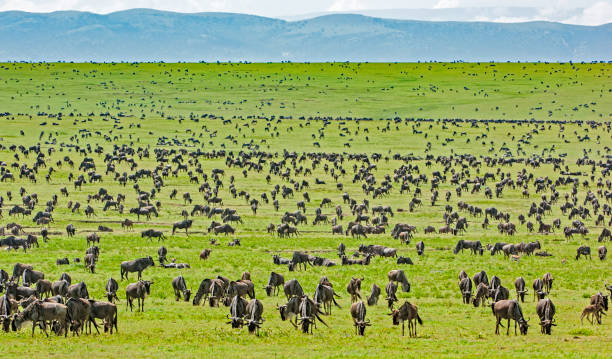
Wildebeest herds crossing the plains of Serengeti National Park during the Great Migration season.
The Great Migration is widely regarded as one of the most spectacular wildlife events on Earth. Every year, more than two million wildebeest, zebras, and gazelles travel across the Serengeti ecosystem in search of fresh grazing and water. For wildlife enthusiasts, photographers, and safari travelers, understanding the best time to witness the Great Migration is essential for planning an unforgettable African adventure.
Many travelers mistakenly assume that the migration happens in one location throughout the year. In reality, the migration is a continuous circular movement that spans multiple regions of the Serengeti ecosystem and extends into Kenya’s Maasai Mara. Because the herds move according to rainfall patterns and grazing conditions, the location and viewing opportunities change throughout the year.
At Native Son Expeditions, one of the most common questions we receive is about the best time to witness the Great Migration. The answer depends on the type of experience you are seeking. Some visitors want to see dramatic river crossings, while others prefer witnessing thousands of newborn wildebeest during calving season. Each stage of the migration offers unique and unforgettable wildlife encounters.

Before determining the best time to witness the Great Migration, it is important to understand what makes this event so extraordinary.
The Great Migration involves:
This annual movement creates one of the world’s greatest wildlife spectacles. Lions, cheetahs, leopards, hyenas, crocodiles, and other predators depend heavily on the migration for hunting opportunities.
Unlike many animal migrations, the Serengeti migration never truly stops. The animals are constantly moving in search of greener pastures and reliable water sources.
The best time to witness the Great Migration depends on which migration event you want to experience.
Different months provide opportunities to see:
Choosing the right travel dates can significantly improve your safari experience and increase your chances of witnessing specific migration highlights.
The migration follows seasonal rainfall patterns across the Serengeti ecosystem.
The cycle generally includes:
Each phase offers different wildlife experiences and photographic opportunities.
For many travelers, the best time to witness the Great Migration begins with the calving season.
During these months:
The nutrient-rich plains of southern Serengeti provide ideal conditions for newborn animals.
Many wildlife photographers consider this one of the most rewarding periods of the migration cycle.
Benefits include:
Visitors can witness the remarkable survival challenges faced by newborn wildebeest as predators patrol nearby grasslands.
As rainfall patterns change, herds begin moving northwest.
This period marks the transition toward the next phase of the migration.
Advantages include:
Although rainfall can occur during this period, the migration remains active and highly impressive.
For visitors seeking fewer crowds, this period can be surprisingly rewarding.
June represents a major turning point in the annual cycle.
Travelers searching for the best time to witness the Great Migration often consider June an excellent month because the herds begin approaching western Serengeti.
Highlights include:
Wildlife activity intensifies as animals prepare to navigate challenging obstacles during their migration.
July is frequently considered one of the strongest contenders for the best time to witness the Great Migration.
Visitors can expect:
The migration reaches one of its most dramatic phases as animals continue moving toward northern Serengeti.
Many travelers specifically target July because of the increased chances of witnessing iconic migration scenes.
| Period | Location | Main Attraction |
|---|---|---|
| January–March | Southern Serengeti | Calving Season |
| April–May | Central Serengeti | Herd Movements |
| June | Western Serengeti | Migration Build-Up |
| July | Northern Serengeti | Major Herd Concentrations |
| August–September | Mara River Region | River Crossings |
| October–December | Return South | Southward Migration |
Based on years of safari experience, Native Son Expeditions recommends selecting travel dates according to the migration experience you most want to witness.
For example:
Our safari specialists consistently emphasize that there is no single answer to the best time to witness the Great Migration. Each stage of the migration offers unique wildlife experiences that appeal to different travelers.
Many guests who travel during migration season describe the experience as life-changing.
Common highlights include:
For many safari enthusiasts, witnessing the Great Migration represents the ultimate African wildlife experience. Understanding the migration calendar and planning accordingly can dramatically increase your chances of enjoying one of nature’s most extraordinary spectacles while creating memories that last a lifetime.
Witness one of the world’s greatest wildlife spectacles with Native Son Expeditions. Whether you dream of seeing dramatic Mara River crossings, thousands of newborn wildebeest during calving season, or incredible predator action across the Serengeti, our expert safari team will help you plan the perfect migration safari.
Contact Native Son Expeditions today for a customized Great Migration safari itinerary and start planning your unforgettable Tanzania adventure