
June 19, 2026

Wondering how long to climb Kilimanjaro? Discover the average climbing duration, route comparisons, acclimatization tips, and expert advice to reach Uhuru Peak successfully.
| Topic | Details |
|---|---|
| Mountain | Mount Kilimanjaro |
| Location | Tanzania |
| Average Climb Duration | 5–9 Days |
| Best Duration | 7–8 Days |
| Highest Point | Uhuru Peak (5,895m) |
| Success Rate | Highest on 7+ day routes |
| Best Routes | Lemosho, Northern Circuit, Machame |
| Operator | Native Son Expeditions |
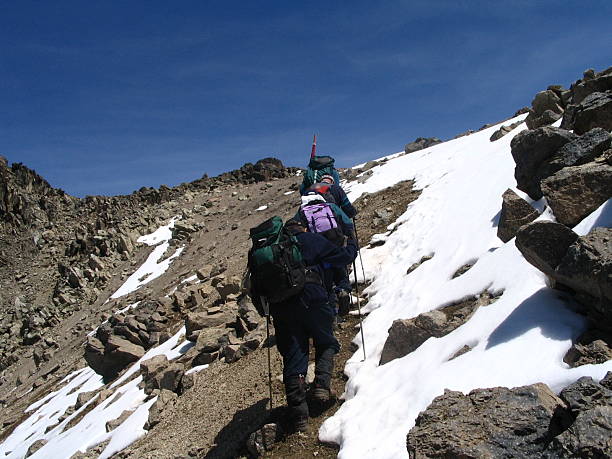
Climbing to kiliamanjaro mountain
One of the most common questions travelers ask before booking their African adventure is: how long to climb Kilimanjaro? The answer is not as simple as choosing a number of days from a tour package. The duration of a Kilimanjaro climb can significantly affect your summit success rate, overall experience, safety, and enjoyment on Africa’s highest mountain.
Standing at 5,895 meters (19,341 feet), Mount Kilimanjaro attracts thousands of climbers every year from around the world. Unlike many high-altitude mountains, Kilimanjaro does not require technical climbing skills, making it accessible to beginners and experienced hikers alike. However, the challenge comes from altitude gain, changing weather conditions, physical endurance, and proper acclimatization.
When planning your trek, understanding how long to climb Kilimanjaro is one of the most important decisions you will make. Choosing the right number of days can dramatically improve your chances of reaching Uhuru Peak while minimizing the risk of altitude sickness.
Many first-time trekkers assume that a shorter climb is better because it costs less and requires fewer vacation days. While shorter itineraries may seem attractive, they often result in lower summit success rates. The human body needs time to adapt to the decreasing oxygen levels found at higher elevations.
As you ascend Kilimanjaro, oxygen becomes significantly thinner. Without adequate acclimatization, climbers may experience headaches, nausea, dizziness, fatigue, or more serious altitude-related illnesses. This is why experienced guides and mountain experts generally recommend longer itineraries.
Understanding how long to climb Kilimanjaro involves balancing several important factors:
A carefully planned itinerary allows your body to adapt gradually, increasing your likelihood of standing on the Roof of Africa.
Most climbers spend between five and nine days on the mountain. The exact duration depends on the route selected and the acclimatization schedule included in the itinerary.
Here is a general breakdown:
| Climb Duration | Experience |
|---|---|
| 5 Days | Fast but lower success rate |
| 6 Days | Moderate success rate |
| 7 Days | Recommended for most climbers |
| 8 Days | Excellent acclimatization |
| 9 Days | Highest comfort and success rate |
For most travelers researching how long to climb Kilimanjaro, the sweet spot is usually seven or eight days. These itineraries provide sufficient time for acclimatization while maintaining a comfortable pace.
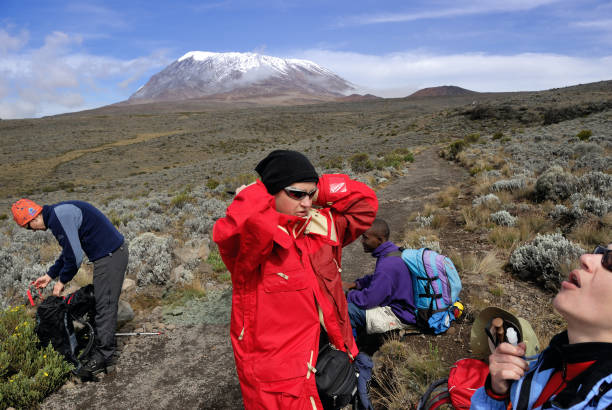
The route you choose directly influences how long to climb Kilimanjaro. Each route has different distances, elevation profiles, scenery, and acclimatization opportunities.
The Marangu Route is often called the “Coca-Cola Route.” It is one of the oldest and most established paths on Kilimanjaro.
Typical duration:
Although many climbers choose the five-day version, mountain experts generally recommend six days for better acclimatization.
The Machame Route is one of the most popular options due to its beautiful scenery and favorable acclimatization profile.
Typical duration:
Many experienced operators recommend the seven-day itinerary for improved summit success.
The Lemosho Route is widely considered one of the best routes on Kilimanjaro because it combines stunning landscapes with excellent acclimatization opportunities.
Typical duration:
For climbers asking how long to climb Kilimanjaro for maximum success, Lemosho often ranks among the top recommendations.
Approaching from the northern side of the mountain, the Rongai Route offers a quieter trekking experience.
Typical duration:
This route is particularly attractive during rainy seasons due to its relatively dry conditions.
The Northern Circuit is the longest standard route on Kilimanjaro and boasts one of the highest summit success rates.
Typical duration:
For travelers prioritizing acclimatization and panoramic scenery, this route provides an exceptional experience.
One reason experts emphasize how long to climb Kilimanjaro is the strong connection between climb duration and summit success rates.
Research and operator statistics consistently show that longer itineraries lead to better outcomes. Climbers who spend additional days on the mountain allow their bodies to adjust naturally to reduced oxygen levels.
Benefits of longer itineraries include:
A seven- or eight-day climb often delivers substantially better results than a compressed five-day itinerary.
Professional guides frequently use the principle of “climb high, sleep low,” allowing trekkers to gain altitude during the day before descending slightly to sleep. This strategy is one of the most effective methods for acclimatization and is commonly included in longer routes.
For this reason, travelers comparing itineraries should not focus solely on price. The real value comes from selecting an itinerary that maximizes safety, comfort, and summit success. Understanding how long to climb Kilimanjaro is ultimately about giving yourself the best possible chance to enjoy an unforgettable achievement while reaching Uhuru Peak safely.
After understanding how long to climb Kilimanjaro, the next important question is which route provides the best balance between duration, acclimatization, scenery, and summit success. Many climbers focus only on the number of days, but the route itself plays a major role in determining whether your Kilimanjaro adventure becomes a successful summit experience.
When evaluating how long to climb Kilimanjaro, it is essential to remember that not all routes are created equal. Some routes are shorter and more direct, while others are designed specifically to maximize acclimatization. A route that takes seven or eight days may initially appear more expensive, but it often provides a much higher chance of reaching Uhuru Peak safely.
At Native Son Expeditions, experienced mountain guides consistently recommend choosing a route based on success rate rather than simply selecting the cheapest itinerary. Understanding the strengths and weaknesses of each route can help climbers make informed decisions before arriving in Tanzania.
The table below compares the major Kilimanjaro routes and helps answer the question of how long to climb Kilimanjaro depending on your goals.
| Route | Duration | Difficulty | Scenery | Acclimatization | Success Rate |
|---|---|---|---|---|---|
| Marangu | 5–6 Days | Moderate | Good | Limited | Moderate |
| Machame | 6–7 Days | Moderate to Challenging | Excellent | Very Good | High |
| Lemosho | 7–8 Days | Moderate | Outstanding | Excellent | Very High |
| Rongai | 6–7 Days | Moderate | Good | Good | High |
| Shira | 7–8 Days | Moderate | Excellent | Good | High |
| Northern Circuit | 8–9 Days | Moderate | Exceptional | Outstanding | Highest |
The duration listed above directly influences summit success because additional acclimatization days allow climbers to adjust gradually to increasing altitude.
Among all available routes, Lemosho consistently ranks among the most recommended options for trekkers researching how long to climb Kilimanjaro. This route begins on the western side of the mountain and offers a gradual ascent profile that significantly improves acclimatization.
Advantages of the Lemosho Route include:
The route typically takes seven or eight days. Most professional operators recommend the eight-day itinerary because the extra day provides additional acclimatization benefits.
For travelers prioritizing safety and success, Lemosho represents one of the strongest options available on Kilimanjaro.
The Machame Route is often referred to as the “Whiskey Route” and remains one of the most popular trekking options on the mountain.
Many climbers asking how long to climb Kilimanjaro eventually choose Machame because it combines beautiful scenery with relatively strong acclimatization opportunities.
Key advantages include:
Most itineraries operate over six or seven days. While six-day climbs are possible, the seven-day option generally provides a more comfortable experience and better acclimatization.
The famous Barranco Wall section adds excitement and adventure without requiring technical climbing skills, making Machame particularly appealing for active travelers.
For climbers whose primary goal is reaching Uhuru Peak, the Northern Circuit deserves serious consideration.
When discussing how long to climb Kilimanjaro, this route is often associated with the longest itineraries available, typically lasting eight or nine days.
Benefits include:
The longer duration allows trekkers to spend more time adapting to altitude changes. Although this route requires additional time and budget, many experienced guides consider it the most effective route for first-time high-altitude climbers.
Travelers who are not constrained by vacation schedules frequently choose the Northern Circuit because it maximizes the likelihood of success.
The Marangu Route remains one of the most famous routes on Kilimanjaro.
Unlike other routes that use tents, Marangu provides mountain huts for overnight accommodation. This feature attracts many climbers seeking additional comfort.
However, understanding how long to climb Kilimanjaro requires recognizing that shorter does not always mean better.
The Marangu Route typically operates over:
The five-day version is often considered too aggressive for many trekkers because acclimatization opportunities are limited. Climbers choosing Marangu are generally encouraged to select the six-day itinerary whenever possible.
Although summit success rates can still be respectable, they are usually lower than those achieved on longer routes such as Lemosho or the Northern Circuit.
The Rongai Route approaches Kilimanjaro from the northern side near the Kenyan border.
For those researching how long to climb Kilimanjaro, Rongai offers a balanced option between shorter routes and longer acclimatization-focused itineraries.
Notable advantages include:
Most Rongai expeditions last six or seven days. The seven-day itinerary remains the preferred option because it provides additional acclimatization before summit night.
Many climbers appreciate the peaceful atmosphere and reduced traffic compared to more popular routes.
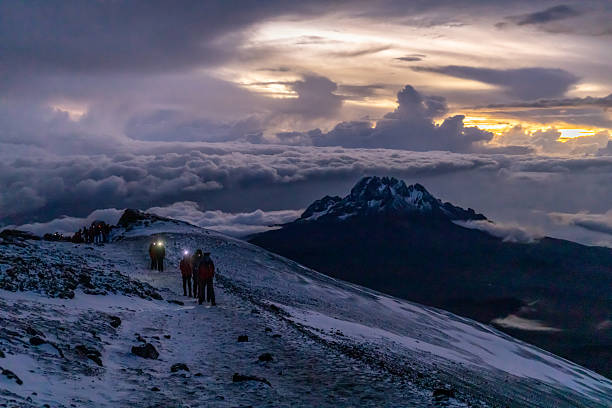
One of the most important lessons when evaluating how long to climb Kilimanjaro is understanding the relationship between duration and summit success.
In general:
The primary reason is acclimatization.
Every additional day on the mountain gives the body more time to adapt to decreasing oxygen levels. Climbers who acclimatize effectively typically experience:
Because of these advantages, experienced operators often encourage climbers to prioritize acclimatization over speed.
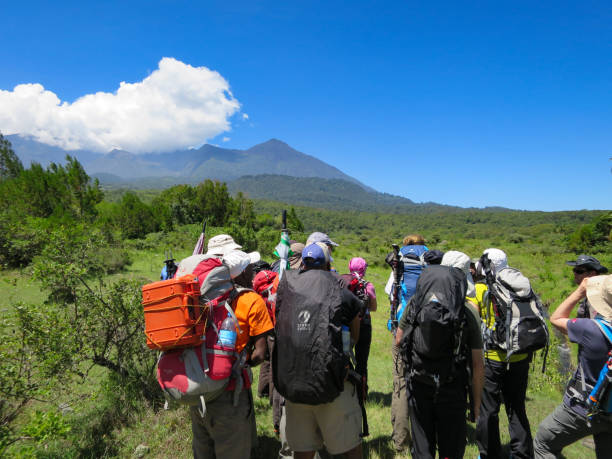
Based on years of guiding experience, Native Son Expeditions generally recommends the following options for most travelers:
Ultimately, the answer to how long to climb Kilimanjaro depends on your personal goals, fitness level, budget, and available travel time. However, most mountain experts agree that seven to eight days provide the optimal balance between acclimatization, comfort, safety, and summit success.
Rather than selecting the shortest itinerary, climbers should focus on choosing a route that allows sufficient time for adaptation. A carefully planned climb not only increases your chances of reaching Uhuru Peak but also transforms the entire Kilimanjaro journey into a safer and more enjoyable adventure.
Now that you understand how long to climb Kilimanjaro and which route offers the best chance of success, it’s time to start planning your adventure. Whether you prefer the scenic Lemosho Route, the popular Machame Route, or the highly successful Northern Circuit, choosing the right itinerary can make all the difference on summit day.
At Native Son Expeditions, our experienced mountain guides, carefully designed itineraries, and commitment to safety help climbers from around the world achieve their dream of standing on the Roof of Africa.
Don’t just dream about reaching Uhuru Peak—make it happen. Contact Native Son Expeditions today for expert advice, route recommendations, and customized Kilimanjaro trekking packages designed to maximize your success.
Book your Kilimanjaro adventure now and take the first step toward conquering Africa’s highest mountain with Native Son Expeditions.