
May 8, 2026

Discover the best Tarangire wildlife guide with expert safari insights from Nativeson Expedition. Explore wildlife, elephant herds, safari routes, birdlife, travel tips, and unforgettable Tanzania safari adventures.
The Tarangire National Park is one of Tanzania’s most remarkable safari destinations, known for giant elephant herds, iconic baobab trees, rich birdlife, and peaceful wildlife experiences. Travelers searching for the best Tarangire wildlife guide often want detailed information about animals, safari seasons, accommodation options, game drives, photography opportunities, and travel planning tips. This complete guide by Nativeson Expedition explains everything travelers need to know before visiting Tarangire National Park and highlights why the park remains one of East Africa’s top safari destinations.
The Tarangire National Park is famous for its extraordinary wildlife concentration and beautiful safari landscapes. Although many travelers focus mainly on Serengeti safaris, Tarangire offers unique wildlife experiences that make it one of Tanzania’s hidden safari treasures.
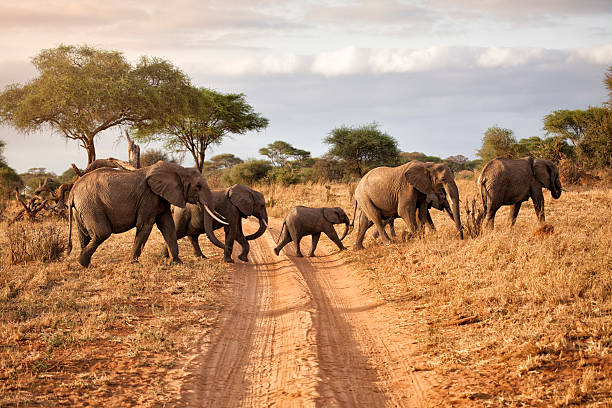
One of the main reasons travelers visit Tarangire is the impressive elephant population. During the dry season, hundreds of elephants gather near the Tarangire River, creating spectacular wildlife scenes. These elephant encounters are considered among the best Tarangire wildlife guide experiences because visitors can observe natural elephant behavior at close range.
Tarangire is also known for giant baobab trees that dominate the landscape. These ancient trees create dramatic safari scenery and support local ecosystems during dry seasons. Combined with rich wildlife diversity and peaceful safari conditions, Tarangire offers authentic African wilderness experiences away from overcrowded safari routes.
Safari experts from Nativeson Expedition recommend Tarangire for travelers seeking quieter game drives and more intimate wildlife encounters.

The park supports a wide variety of wildlife species throughout the year.
Tarangire also supports rare species such as fringe-eared oryx and greater kudu, making the park especially valuable for wildlife enthusiasts and photographers.
The best Tarangire wildlife guide experiences often include both predator sightings and large herbivore migrations near river ecosystems.
| Wildlife Experience | Best Season | Main Attraction |
|---|---|---|
| Elephant Viewing | June – October | Large elephant herds |
| Predator Safari | All year | Lions and leopards |
| Birdwatching | November – April | Migratory birds |
| Photography Safari | June – February | Scenic landscapes |
| Family Safari | June – October | Easy wildlife viewing |
This diversity allows Tarangire to attract travelers with different safari interests and travel goals.
The Tarangire River is the lifeline of the park and one of the most important wildlife areas in northern Tanzania. During dry months, wildlife migrates toward the river searching for permanent water sources.
This seasonal wildlife movement creates excellent safari conditions because animals become concentrated in smaller areas. Visitors exploring the river ecosystem often witness elephants drinking, zebras crossing riverbanks, predators hunting nearby, and birds gathering around wetlands.
The river area also provides some of the best Tarangire wildlife guide photography opportunities because landscapes become especially beautiful during sunrise and sunset game drives.
Tarangire’s giant baobab trees are among the park’s most recognizable features. Some of these ancient trees are believed to be several hundred years old.
Elephants frequently interact with baobab trees by feeding on bark or scratching against trunks. These interactions create unforgettable wildlife scenes for safari travelers and photographers.
These dramatic landscapes make Tarangire one of Tanzania’s most photogenic safari destinations.
Birdwatching is another important part of the best Tarangire wildlife guide experience. The park supports more than five hundred bird species, making it one of East Africa’s top birdwatching destinations.
The green season between November and April is especially popular for birdwatching because migratory species arrive during this period.
Bird enthusiasts visiting Tarangire often combine wildlife safaris with specialized birdwatching tours guided by experienced local experts.
Many travelers choose Tarangire because it offers authentic safari experiences without heavy tourist traffic.
These benefits continue making Tarangire increasingly popular among international travelers visiting Tanzania.
According to safari professionals at Nativeson Expedition, Tarangire works best when combined with other northern Tanzania safari destinations such as Ngorongoro Conservation Area and Serengeti National Park.
Experts recommend visiting Tarangire during the dry season for stronger wildlife concentration and easier game viewing opportunities. However, travelers interested in birdwatching and green landscapes may prefer the wet season.
Safari guides also recommend spending at least two nights inside or near the park to fully experience the best Tarangire wildlife guide attractions.
Travelers who book Tarangire safaris through Nativeson Expedition often describe the park as peaceful, scenic, and rich in wildlife.
One traveler explained that watching giant elephant herds move near baobab trees during sunset became the highlight of their Tanzania safari adventure.
Another visitor praised the relaxed safari atmosphere, explaining that fewer vehicles allowed more personal wildlife viewing experiences.
Photographers especially appreciate Tarangire because of its golden lighting conditions and dramatic safari landscapes.
These real travel stories demonstrate why Tarangire remains one of Tanzania’s most rewarding safari destinations.
The dry season from June to October is generally considered the best period for wildlife viewing because animals gather near water sources.
However, each season offers unique safari advantages.
Travelers should select safari seasons based on wildlife interests and photography goals.
The best Tarangire wildlife guide experience includes elephant viewing, predator sightings, birdwatching, and scenic game drives near the Tarangire River.
Tarangire is most famous for large elephant herds, lions, giraffes, zebras, and leopards.
Yes. Tarangire offers excellent lighting, dramatic landscapes, and peaceful wildlife viewing conditions.
June to October is best for wildlife concentration, while November to April is ideal for birdwatching and green landscapes.
Nativeson Expedition offers customized Tanzania safari packages focused on the best Tarangire wildlife guide experiences.
The best Tarangire wildlife guide begins with understanding the incredible biodiversity found inside Tarangire National Park. The park is one of Tanzania’s richest wildlife ecosystems and offers exceptional safari experiences throughout the year. Travelers visiting Tarangire often experience peaceful game drives, dramatic wildlife encounters, and unforgettable safari photography opportunities.
The best Tarangire wildlife guide focuses on the park’s unique combination of large elephant populations, predator activity, seasonal migration patterns, and rich birdlife. Unlike more crowded safari parks, Tarangire provides quieter wildlife experiences that allow travelers to observe animals naturally within beautiful African landscapes.
Safari professionals at Nativeson Expedition explain that Tarangire’s ecosystem becomes especially active during the dry season because animals migrate toward permanent water sources near the Tarangire River.
Elephants are the most famous attraction included in the best Tarangire wildlife guide. Tarangire supports one of the largest elephant populations in northern Tanzania, making the park a paradise for elephant lovers and wildlife photographers.
During the dry season, massive elephant herds gather around the Tarangire River searching for water and fresh vegetation. Visitors frequently observe elephants drinking, bathing, feeding, and interacting socially in family groups.
Travelers often describe elephant experiences in Tarangire as the highlight of their Tanzania safari.
Safari guides from Nativeson Expedition recommend morning and evening game drives for the best elephant viewing opportunities.
The best Tarangire wildlife guide also includes exciting predator encounters. Tarangire National Park supports healthy populations of lions, leopards, cheetahs, and hyenas.
Lions are commonly seen resting beneath acacia trees or hunting near river ecosystems where prey animals gather. Leopards prefer woodland habitats and often hide in tree branches during daylight hours.
| Predator | Best Viewing Time | Common Habitat |
|---|---|---|
| Lions | Early morning | Open grasslands |
| Leopards | Evening | Woodland areas |
| Cheetahs | Daytime | Open plains |
| Hyenas | Night and morning | Throughout the park |
Predator sightings increase during dry months because herbivores become concentrated near water sources.
Visitors searching for the best Tarangire wildlife guide experiences often prioritize predator game drives because they create exciting safari moments and excellent wildlife photography opportunities.
The Tarangire River is the lifeline of the park and one of the most important features included in the best Tarangire wildlife guide.
During dry seasons, the river becomes the primary source of water for wildlife throughout the ecosystem. This creates extraordinary game viewing opportunities because large numbers of animals gather near riverbanks.
Morning game drives near the river often provide the best wildlife activity because animals become more active during cooler temperatures.
The river ecosystem also supports rich birdlife and beautiful photography scenery, especially during sunrise and sunset.
One of the most fascinating parts of the best Tarangire wildlife guide is the park’s seasonal wildlife migration.
During the dry season, wildlife from surrounding ecosystems migrates toward Tarangire because of permanent water availability. This movement creates strong wildlife concentration and excellent safari conditions.
| Season | Wildlife Activity |
|---|---|
| June – October | High wildlife concentration |
| November – April | Dispersed wildlife movement |
| Dry Season | Strong predator sightings |
| Green Season | Rich birdlife activity |
Travelers who understand seasonal migration patterns can plan more successful safari experiences.
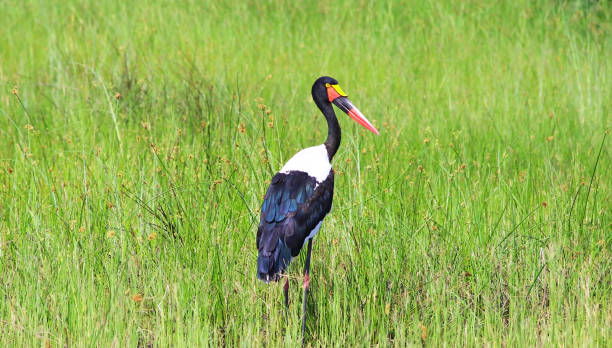
Birdwatching is another major highlight in the best Tarangire wildlife guide. The park supports more than five hundred bird species, making it one of East Africa’s top birdwatching safari destinations.
The green season is especially attractive for birdwatchers because migratory species arrive during this period.
Bird photography also becomes highly rewarding because colorful bird species gather around wetlands and river ecosystems.
Tarangire supports several rare species that are difficult to find in other northern Tanzania parks.
These unique species increase the value of Tarangire for wildlife enthusiasts and safari photographers.
Safari guides with strong wildlife tracking experience improve the chances of spotting these rare animals during game drives.
Photography travelers searching for the best Tarangire wildlife guide often choose the park because of its beautiful lighting conditions and dramatic landscapes.
Compared to crowded safari destinations, Tarangire offers more relaxed photography conditions with fewer safari vehicles around wildlife sightings.
Professional photographers often combine Tarangire with Serengeti National Park for complete Tanzania wildlife photography experiences.
Safari experts recommend several strategies for maximizing wildlife viewing opportunities in Tarangire.
These safari practices improve both wildlife viewing quality and overall travel experiences.
Families visiting Tanzania often include Tarangire because wildlife viewing is relatively easy and travel distances are manageable.
Children especially enjoy elephant sightings because Tarangire supports large elephant populations throughout the year.
According to safari specialists at Nativeson Expedition, visitors should spend at least two or three days inside Tarangire National Park to fully experience the best Tarangire wildlife guide attractions.
Longer safari stays allow travelers to:
Combining Tarangire with nearby destinations such as Ngorongoro Conservation Area creates a more complete northern Tanzania safari adventure.
Travelers booking through Nativeson Expedition often describe Tarangire as one of the most peaceful and scenic safari parks in Tanzania.
One traveler explained that seeing hundreds of elephants crossing the Tarangire River at sunset became the most unforgettable wildlife moment of their safari.
Another visitor praised the calm safari atmosphere and the opportunity to photograph wildlife without large tourist crowds.
These safari experiences continue making Tarangire one of Tanzania’s fastest-growing wildlife destinations.
Understanding how to plan the best Tarangire wildlife guide experience is essential for travelers who want to maximize wildlife sightings inside Tarangire National Park. The park offers diverse ecosystems, seasonal wildlife movements, and different safari routes that influence what visitors see during their game drives.
The best Tarangire wildlife guide is not only about animal sightings but also about timing, safari routes, accommodation choices, and travel logistics. Many travelers underestimate how important planning is, but in reality, safari success in Tarangire depends heavily on seasonal conditions and route selection.
Safari experts at Nativeson Expedition emphasize that proper planning increases wildlife visibility, improves photography opportunities, and ensures a smoother safari experience.
Timing plays a critical role in experiencing the best Tarangire wildlife guide. Wildlife behavior in Tarangire changes throughout the year depending on rainfall and water availability.
The dry season from June to October is widely considered the best time to experience the best Tarangire wildlife guide.
During this period, animals gather in large numbers, making wildlife viewing more predictable and exciting.
The green season from November to April transforms Tarangire into a lush and colorful ecosystem.
Bird enthusiasts especially enjoy this period because migratory bird species arrive in large numbers.
Choosing the right safari route is an important part of the best Tarangire wildlife guide. Different areas of the park offer different wildlife experiences.
This is the most active wildlife zone, especially during the dry season. Elephants, lions, zebras, and buffaloes are commonly seen here.
This wetland area attracts large herds of elephants and buffaloes. It is also excellent for predator sightings.
These open plains are ideal for photography safaris and cheetah sightings.
Woodlands support leopards, giraffes, and rare antelope species.
| Area | Best For | Wildlife Activity |
|---|---|---|
| River Zone | Big game viewing | Very high |
| Swamp Area | Elephant herds | High |
| Northern Plains | Photography | Moderate |
| Woodlands | Predators | Moderate |
Understanding these safari routes helps travelers experience the best Tarangire wildlife guide more effectively.
Wildlife movement is a key factor in the best Tarangire wildlife guide. Animals move within and outside the park depending on water availability and grazing conditions.
Safari guides from Nativeson Expedition use this knowledge to position game drives in the most productive wildlife areas.
Accommodation plays a major role in the best Tarangire wildlife guide experience.
Luxury lodges provide high-end comfort, private game drives, and scenic views of wildlife areas.
These offer balanced comfort and affordability for families and small groups.
Budget camps provide authentic safari experiences at lower costs.
Choosing the right accommodation improves the overall Tarangire wildlife experience significantly.
The best Tarangire wildlife guide includes more than just game drives. The park offers a variety of safari activities.
Each activity provides a different perspective of the Tarangire ecosystem.
Walking safaris are one of the most immersive ways to experience the best Tarangire wildlife guide.
During walking safaris, visitors explore the bush with experienced guides who explain animal tracks, plant species, insect life, and ecosystem interactions.
This activity allows travelers to connect more deeply with nature compared to vehicle-based safaris.
Cultural tourism is often included in the best Tarangire wildlife guide experience.
Visitors can explore nearby communities and learn about Maasai traditions, livestock culture, and local lifestyles.
These cultural experiences support local communities and add value to Tanzania safari adventures.
Safari planners at Nativeson Expedition often include cultural tours in customized safari packages.
Photography is a major part of the best Tarangire wildlife guide.
Photographers often prefer Tarangire because it offers fewer crowds compared to other Tanzania safari destinations.
Experts recommend spending at least two to three days in Tarangire to fully experience the best Tarangire wildlife guide.
Safari specialists from Nativeson Expedition also recommend combining Tarangire with nearby parks such as Ngorongoro Conservation Area for a complete Tanzania safari circuit.
To fully enjoy the best Tarangire wildlife guide, travelers should follow important safari tips.
These tips improve safari safety and wildlife observation quality.
Travelers booking with Nativeson Expedition often highlight the importance of proper safari planning.
One traveler mentioned that choosing the right season allowed them to witness massive elephant herds near the Tarangire River.
Another visitor explained that staying inside the park improved their chances of seeing predators during early morning game drives.
These real experiences show how planning directly impacts the best Tarangire wildlife guide outcomes.