
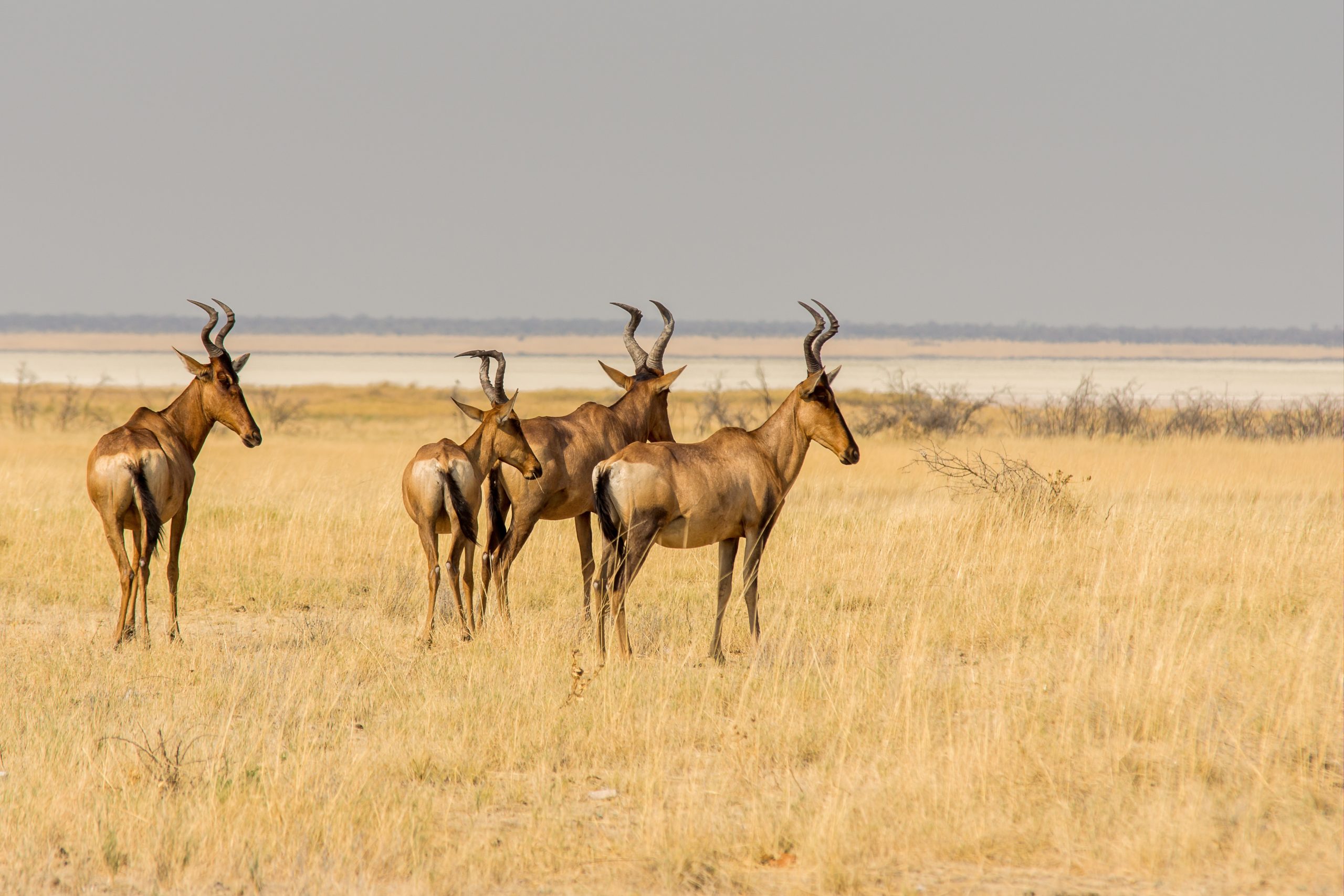
Learn essential Serengeti safari safety tips including wildlife behavior safety, vehicle rules, health precautions, and expert travel guidance with Nativesons Expeditions in Tanzania.
Why Safari Safety Matters in Serengeti
A safari in Serengeti National Park is one of the most exciting travel experiences in the world, but it also requires awareness, discipline, and preparation. Understanding Serengeti safari safety tips is essential for every traveler who wants to enjoy wildlife encounters without risk.
Located in Tanzania, the Serengeti ecosystem is home to powerful predators, unpredictable wildlife behavior, and vast open landscapes. While safaris are generally safe when conducted professionally, ignoring safety guidelines can lead to avoidable risks.
This Serengeti safari safety tips guide by Nativesons Expeditions is designed to help travelers understand how to behave in wildlife areas, how to respond during game drives, and how to reduce risks while maximizing enjoyment.
Why Safety Is Critical on Safari
Many travelers underestimate safari environments. However, wildlife areas are not controlled parks—they are natural ecosystems where animals behave freely.
Key reasons Serengeti safari safety tips are important:
- Wild animals are unpredictable
- Distances between humans and wildlife matter
- Weather and terrain can change quickly
- Vehicle safety rules must be followed
Safety is not about fear—it is about respect and awareness.
Understanding Wildlife Behavior for Safety
One of the most important Serengeti safari safety tips is understanding animal behavior.
Predators
Lions, leopards, and cheetahs:
- avoid humans when undisturbed
- react to sudden movements or noise
- protect territory aggressively
Herbivores
Elephants and buffaloes:
- can become defensive if threatened
- move in protective groups
- react strongly to vehicles too close
Bird and Small Wildlife Indicators
Bird alarm calls often signal:
- nearby predators
- movement in the bush
- potential danger zones
Vehicle Safety Rules on Safari
Most safari incidents occur due to breaking vehicle rules.
Stay Inside the Vehicle
One of the most important Serengeti safari safety tips is:
- never exit the vehicle in wildlife zones
Do Not Make Loud Noises
Noise can:
- disturb animals
- trigger defensive behavior
- reduce wildlife visibility
Follow Guide Instructions
Professional guides from Nativesons Expeditions are trained to:
- read animal behavior
- position vehicles safely
- respond to emergencies
Health and Personal Safety Tips
Health safety is equally important during safaris.
Hydration and Heat Protection
Always:
- drink enough water
- wear sun protection
- avoid dehydration
Insect Protection
Use:
- insect repellent
- long-sleeve clothing
- proper sleeping arrangements
Food Safety
Consume:
- well-prepared meals
- clean drinking water
Why Professional Guides Improve Safety
Guides are the backbone of safari safety.
Nativesons Expeditions ensures:
- trained wildlife experts
- emergency preparedness
- vehicle communication systems
- real-time animal tracking
This reduces risks significantly.
External Authority Reference
For wildlife safety education, travelers can refer to World Health Organization guidance on travel health, disease prevention, and safe outdoor practices.
Common Safety Mistakes Tourists Make
Many safari risks come from human behavior.
Mistake 1: Ignoring Guide Instructions
Leads to unnecessary exposure to danger.
Mistake 2: Standing in Vehicles
Reduces vehicle stability and safety.
Mistake 3: Feeding Animals
Alters natural behavior and increases risk.
Mistake 4: Sudden Movements
Can attract attention from wildlife.
Quick Summary
- Serengeti is a natural wildlife ecosystem requiring awareness
- Animal behavior understanding improves safety
- Vehicle rules must always be followed
- Health protection is essential during safaris
- Professional guides greatly reduce risks
Staying Safe During Real Wildlife Encounters

Understanding Serengeti safari safety tips becomes even more important when travelers enter active wildlife zones inside Serengeti National Park. This ecosystem is not a zoo—it is a fully functioning natural habitat where animals behave according to instinct, territory, and survival patterns.
Located in Tanzania, the Serengeti contains predator-dense regions where lions, leopards, elephants, and buffalo move freely across vast territories. Because of this, applying correct Serengeti safari safety tips during wildlife encounters is essential for survival, comfort, and responsible tourism.
With guidance from Nativesons Expeditions, travelers are trained to understand animal signals, maintain safe distances, and respond correctly in unexpected wildlife situations.
1. Understanding Predator Zones in Serengeti
One of the most important Serengeti safari safety tips is learning where predators are most active.
Lion Territories
Lions are commonly found in:
- central Serengeti plains
- river valleys
- shaded grassland areas
Lions usually avoid vehicles but may become curious if approached too closely. Following Serengeti safari safety tips ensures safe observation.
Leopard Zones
Leopards prefer:
- riverine forests
- acacia trees
- rocky outcrops
They are highly elusive, so Serengeti safari safety tips include staying quiet and avoiding sudden movements during sightings.
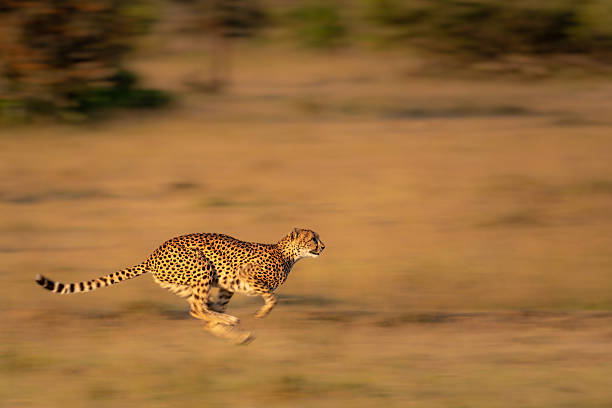
Cheetah Hunting Grounds
Cheetahs hunt in:
- open plains
- low grass areas
Because they rely on speed, maintaining distance is a key Serengeti safari safety tips rule.
2. Safe Viewing Distances from Wildlife
Maintaining distance is one of the core Serengeti safari safety tips principles.
Minimum Distance Guidelines
- Lions: at least 20–30 meters
- Elephants: 50 meters or more
- Buffalo: 40 meters minimum
- Leopards: observe from vehicle only
Why Distance Matters
Respecting distance helps:
- reduce animal stress
- prevent defensive reactions
- improve safari safety outcomes
Ignoring this is against Serengeti safari safety tips best practices.
3. Elephant and Buffalo Safety Awareness
Elephants and buffalo are among the most dangerous animals if provoked.
Elephant Behavior
Elephants may charge when:
- protecting calves
- feeling threatened
- surprised by vehicles
One of the key Serengeti safari safety tips is never blocking elephant movement paths.
Buffalo Herd Behavior
Buffalo herds:
- react collectively to threats
- can surround perceived danger
- move unpredictably
Always follow Serengeti safari safety tips when observing large herds.
4. Emergency Response Procedures
Even with precautions, emergencies can occur. Knowing procedures is part of essential Serengeti safari safety tips.
If an Animal Approaches
- remain silent
- stay inside the vehicle
- avoid sudden movement
- follow guide instructions
If a Vehicle Breaks Down
Professional teams like Nativesons Expeditions:
- communicate via radio
- arrange backup vehicles
- ensure safe evacuation
Medical Emergencies
Basic protocol includes:
- first aid response
- evacuation to nearest medical center
- coordination with park authorities
5. Behavior During Predator Encounters
Encounters with predators require calm behavior.
Lion Encounters
Important Serengeti safari safety tips include:
- do not stand or lean out
- avoid loud sounds
- keep doors closed
Cheetah Encounters
Cheetahs may ignore vehicles but:
- never approach cubs
- avoid blocking hunting paths
Leopard Encounters
Leopards are shy and require:
- silent observation
- no flash photography at close range
6. Role of Safari Guides in Safety
Guides are essential for managing risk.
Nativesons Expeditions provides:
- trained wildlife safety experts
- emergency communication systems
- real-time animal tracking
- safe positioning during encounters
This is a core part of Serengeti safari safety tips success.
7. Psychological Safety During Safaris
Mental behavior is just as important as physical safety.
Stay Calm
Panic increases risk. Calm behavior is essential in Serengeti safari safety tips.
Avoid Overreaction
Sudden reactions can:
- attract animal attention
- disrupt wildlife behavior
Trust Your Guide
Guides are trained to interpret situations accurately.
Comparison Table: Wildlife Safety Zones
| Animal | Risk Level | Safe Behavior | Guide Action |
|---|---|---|---|
| Lion | Medium | Stay silent | Maintain distance |
| Elephant | High | Do not block path | Redirect vehicle |
| Buffalo | High | Avoid herds | Observe from afar |
| Leopard | Medium | No movement | Silent tracking |
| Cheetah | Low | Do not interfere | Observe chase |
Common Mistakes in Wildlife Encounters

Even experienced travelers forget Serengeti safari safety tips sometimes.
Mistake 1: Exiting Vehicle
Extremely dangerous in wildlife zones.
Mistake 2: Loud Talking
Can disturb predators and trigger reactions.
Mistake 3: Getting Too Close
Reduces animal comfort and increases risk.
Mistake 4: Ignoring Guide Warnings
One of the biggest safety violations.
External Authority Reference
For global wildlife safety standards, travelers can refer to International Union for Conservation of Nature which provides guidelines on responsible wildlife interaction and ecosystem protection.
- Predator zones require awareness and distance control
- Elephant and buffalo behavior can be unpredictable
- Emergency procedures must be understood in advance
- Guides play a critical safety role
- Calm behavior reduces safari risks significantly
