

Get expert Serengeti safari tips including packing, timing, wildlife viewing strategies, safety advice, and travel planning insights with Nativesons Expeditions in Tanzania.
Why Serengeti Safari Planning Matters
Planning a successful safari in Serengeti National Park is not just about booking a trip—it is about understanding the ecosystem, wildlife behavior, seasonal movements, and travel strategies that determine your entire experience.
Every year, travelers visit Tanzania to witness one of the greatest wildlife spectacles on Earth. However, many visitors underestimate how vast the Serengeti is and how important preparation is for a successful safari.
This guide on Serengeti safari tips is designed to help travelers maximize wildlife sightings, avoid common mistakes, and enjoy a safe, comfortable, and memorable safari experience.
With expert guidance from Nativesons Expeditions, travelers receive professional planning, experienced safari guides, and customized itineraries that enhance every moment in the wild.
What Makes Serengeti Safaris Unique

Understanding Serengeti safari tips starts with recognizing why this destination is globally famous.
1. Endless Wildlife Plains
The Serengeti ecosystem features:
- vast savannah grasslands
- acacia woodlands
- river systems
- seasonal wetlands
These habitats support diverse wildlife populations.
2. The Great Migration
One of the biggest highlights of Serengeti safaris is the Great Migration, involving:
- millions of wildebeests
- zebras
- gazelles
This natural movement creates dramatic wildlife interactions.
3. Predator Rich Ecosystem
The Serengeti is home to:
- lions
- cheetahs
- leopards
- hyenas
This makes game drives highly exciting.
Why Preparation Is Essential for Serengeti Safaris
Many travelers assume safaris are simple sightseeing tours. However, successful safaris require strategy.
Proper Serengeti safari tips help visitors:
- maximize wildlife sightings
- improve photography results
- avoid travel mistakes
- manage time efficiently
- enhance comfort during long drives
Without preparation, visitors may miss key wildlife experiences.
Best Time to Visit Serengeti
Timing plays a major role in safari success.
Dry Season (June to October)
Advantages
- excellent wildlife visibility
- animals gather near water sources
- easier game drives
Green Season (November to May)
Advantages
- lush landscapes
- fewer tourists
- great photography lighting
Understanding timing is a core part of Serengeti safari tips.
Role of Safari Guides
Professional guides are essential for successful safaris.
Nativesons Expeditions provides:
- experienced wildlife trackers
- migration route knowledge
- safety management
- photography guidance
Their expertise significantly improves safari outcomes.
Understanding Serengeti Geography
The Serengeti is extremely large, covering multiple ecosystems.
Key Regions
- Central Serengeti
- Northern Serengeti
- Western Corridor
- Southern Plains
Each region offers different wildlife experiences.
Why Serengeti Is Ideal for Wildlife Viewing
The ecosystem supports:
- high animal density
- predator-prey interactions
- seasonal migration cycles
This makes it one of Africa’s most reliable safari destinations.
External Authority Reference
For global conservation and wildlife protection information, travelers can explore resources from UNESCO World Heritage Centre regarding protected natural ecosystems and biodiversity conservation.
Common Misconceptions About Serengeti Safaris
Misconception 1
“You will see all animals in one day.”
Reality:
Wildlife sightings depend on movement and timing.
Misconception 2
“Safaris are the same everywhere.”
Reality:
Each region and season offers different experiences.
Misconception 3
“No guide is needed.”
Reality:
Guides greatly increase wildlife success rates.
Quick Summary
- Serengeti safaris require planning and strategy
- Timing affects wildlife visibility significantly
- The park is divided into multiple ecosystems
- Guides improve safari success and safety
- Nativesons Expeditions enhances safari experiences
How Preparation Improves Your Serengeti Experience
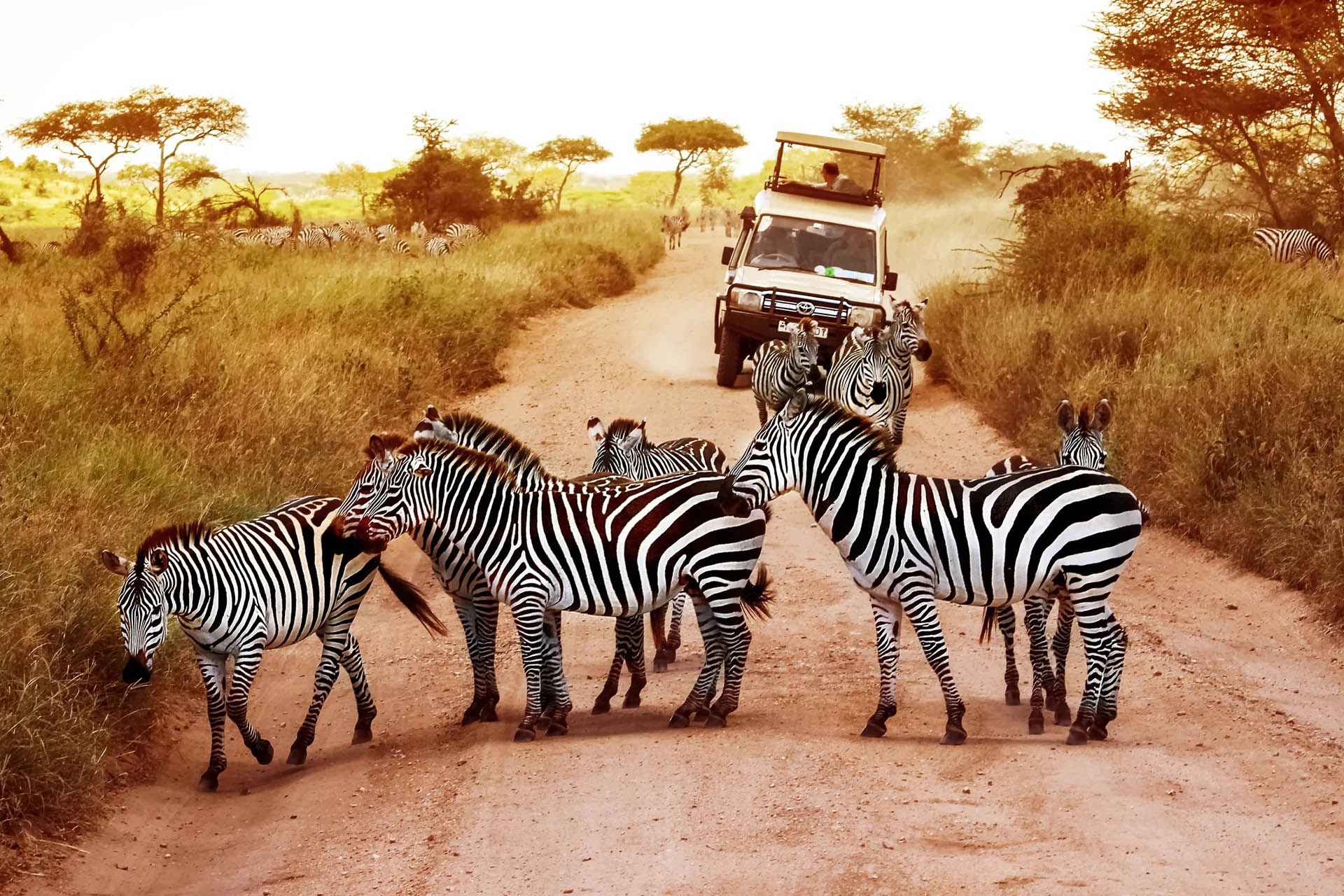
To fully benefit from Serengeti safari tips, travelers must understand that success in the wild depends heavily on preparation, timing, and behavior during game drives. A safari in Serengeti National Park is not a casual sightseeing trip—it is a carefully planned wildlife exploration experience that requires the right equipment, mindset, and strategy.
Located in Tanzania, the Serengeti ecosystem is vast and constantly changing. Animals move across large territories, weather conditions shift throughout the day, and predator activity varies by region. Because of this, travelers who follow proper Serengeti safari tips have significantly higher chances of seeing the Big Five and witnessing dramatic wildlife moments.
With expert planning from Nativesons Expeditions, visitors receive structured safari preparation guidance, professional game drive strategies, and customized itineraries designed to maximize wildlife encounters.
1. Essential Safari Packing List
One of the most important Serengeti safari tips is packing correctly. Many travelers either overpack or forget essential items that directly affect comfort and safari performance.
Clothing Essentials
Safari clothing should prioritize:
- comfort
- neutral colors
- breathability
Recommended Clothing Items
- light long-sleeve shirts
- breathable trousers
- warm jacket for mornings
- hat for sun protection
Neutral colors like khaki, green, and beige help travelers blend into the environment.
Footwear
Proper shoes are critical.
Best Options
- comfortable walking shoes
- lightweight hiking boots
Avoid bright-colored or noisy footwear.
Safari Accessories
Important accessories include:
- binoculars
- camera with zoom lens
- sunscreen
- insect repellent
- reusable water bottle
These items significantly improve safari experience.
2. Photography Tips for Serengeti Safaris
Photography is a major part of modern safaris and an essential part of Serengeti safari tips.
Best Camera Settings
To capture wildlife effectively:
- use fast shutter speed
- increase ISO in low light
- use continuous shooting mode
Best Times for Photography

Golden hours are ideal:
- early morning
- late afternoon
Lighting during these times enhances wildlife images.
Respect Wildlife Distance
Never disturb animals for photography. Professional guides from Nativesons Expeditions ensure safe viewing distances.
3. Game Drive Strategies
Game drives are the core experience of any Serengeti safari.
Early Morning Drives
Early drives are the most productive.
Why Morning Is Best
- predators are active
- animals are feeding
- cooler temperatures improve movement
Afternoon Drives
Afternoon drives are ideal for:
- relaxed wildlife viewing
- elephant sightings
- sunset photography
Evening Planning
While evening drives are limited in some areas, they are useful for:
- spotting nocturnal animals
- observing predator behavior
4. Wildlife Viewing Techniques
Understanding animal behavior improves safari success.
Reading Animal Movement
Animals often move based on:
- water availability
- predator presence
- migration patterns
Tracking Signs
Experienced guides look for:
- footprints
- droppings
- alarm calls from birds
This helps locate predators.
Patience in Wildlife Viewing
One of the most important Serengeti safari tips is patience. Wildlife sightings cannot be rushed.
5. Importance of Safari Timing and Positioning
Where you are and when you move matters.
Strategic Positioning
Good positioning increases chances of seeing:
- lion hunts
- cheetah chases
- river crossings
Avoiding Crowding
Too many vehicles can disturb wildlife. Professional operators like Nativesons Expeditions manage vehicle positioning carefully.
6. Safety During Game Drives
Safety is critical in safari environments.
Basic Safety Rules
- stay inside the vehicle
- avoid loud noises
- follow guide instructions
Why Rules Matter
Wild animals are unpredictable. Respecting safety rules ensures a safe safari experience.
7. Role of Professional Guides
Guides are essential for successful safaris.
What Guides Provide
- wildlife tracking expertise
- ecosystem knowledge
- safety management
- best viewing locations
Why Nativesons Expeditions Guides Excel
Their guides:
- understand migration timing
- know predator territories
- maximize wildlife sightings
This makes Serengeti safari tips more effective in practice.
Comparison Table: Safari Preparation Essentials
| Category | Essential Items | Importance |
|---|---|---|
| Clothing | Neutral safari wear | Comfort & blending |
| Photography | Camera & binoculars | Wildlife capture |
| Safety | Insect repellent, sunscreen | Health protection |
| Game Drive | Guide knowledge | Wildlife success |
| Hydration | Water bottle | Energy & comfort |
Common Mistakes Travelers Make
Even experienced travelers sometimes ignore key Serengeti safari tips.
Mistake 1: Wearing Bright Colors
This can disturb animals and reduce sightings.
Mistake 2: Ignoring Guide Instructions
Guides understand animal behavior better than visitors.
Mistake 3: Poor Timing Choices
Midday drives often result in fewer sightings.
External Authority Reference
For wildlife tourism and conservation education, travelers can review resources from African Wildlife Foundation regarding responsible safari practices and ecosystem protection.
Quick Summary
- Proper packing improves safari comfort
- Early morning game drives are most productive
- Wildlife behavior tracking increases sightings
- Safety rules must always be followed
- Professional guides significantly improve safari success
Understanding the Heart of Serengeti Wildlife

To truly master Serengeti safari tips, travelers must understand the rhythm of nature that defines the ecosystem of Serengeti National Park. The Serengeti is not static; it is a living, moving ecosystem where millions of animals shift across vast plains in search of food and water.
Located in Tanzania, the Serengeti is world-famous for the Great Migration, predator-prey interactions, and seasonal wildlife patterns that determine what visitors see at different times of the year.
Understanding these patterns is one of the most powerful Serengeti safari tips because timing your visit correctly can dramatically increase your chances of witnessing unforgettable wildlife moments such as river crossings, lion hunts, and massive herd movements.
With expert planning from Nativesons Expeditions, travelers receive seasonal safari guidance designed to position them in the right place at the right time for maximum wildlife experiences.
1. The Great Migration Explained
The Great Migration is the centerpiece of Serengeti wildlife and one of the most important Serengeti safari tips topics.
What Is the Great Migration?
It is the annual movement of:
- over 1.5 million wildebeests
- hundreds of thousands of zebras
- thousands of gazelles
These animals move in a circular pattern across the Serengeti ecosystem following rainfall and fresh grazing areas.
Why the Migration Happens
The migration is driven by:
- rainfall patterns
- grass growth cycles
- water availability
This creates a continuous movement across the plains.
Why It Matters for Safari Visitors
Travelers who understand migration timing experience:
- dramatic river crossings
- predator hunting scenes
- massive herd movement
This is one of the most valuable Serengeti safari tips for planning a trip.
2. Migration Seasons and Timing
Knowing where the migration is during your visit is critical.
December – March: Southern Serengeti
- Calving season
- Thousands of newborn wildebeests
- High predator activity
This is one of the most dramatic safari periods.
April – June: Western Corridor
- Herds begin moving north
- Grumeti River crossings begin
- Crocodile encounters increase
July – October: Northern Serengeti
- Famous Mara River crossings
- High-action predator scenes
- Peak safari season
November: Return South
- Herds move back south
- Fresh grazing begins again
Understanding this cycle is one of the most important Serengeti safari tips.
3. Big Five Encounters in Serengeti
The Big Five are among the most sought-after wildlife sightings.
Lion
- Highest predator density in Africa
- Often seen hunting during migration
Elephant
- Found in woodlands and river areas
- Travel in family herds
Leopard
- Solitary and elusive
- Often found in trees or riverbanks
Buffalo
- Large herds across plains
- Strong defensive behavior
Rhinoceros
- Rare but protected in specific areas
- Mostly found in conservation zones
Spotting all Big Five is a major goal of Serengeti safari tips planning.
4. Predator and Prey Interactions
One of the most exciting aspects of Serengeti safaris is witnessing natural hunting behavior.
Lion Hunts
Lions often:
- hunt at dawn
- target wildebeest and zebras
- use coordinated group tactics
Cheetah Chases
Cheetahs rely on:
- speed bursts
- open grasslands
- short-distance chases
Crocodile River Ambushes
During migration river crossings:
- crocodiles attack crossing herds
- dramatic survival scenes occur
These interactions are key highlights of Serengeti safari tips experiences.
5. Seasonal Safari Planning Strategy
Good safari planning improves wildlife success.
Dry Season (Best Viewing Period)
- June to October
- Animals gather near water sources
- Easier wildlife spotting
Green Season (Scenic Period)
- November to May
- Lush landscapes
- Fewer tourists
Choosing the right season is one of the smartest Serengeti safari tips.
6. Role of Professional Safari Guides
Guides play a critical role in migration tracking.
Nativesons Expeditions guides:
- track herd movement patterns
- predict migration direction
- locate predator zones
- adjust routes dynamically
Their expertise greatly improves safari success.
7. Why Migration Timing Changes Everything
If you arrive at the wrong time:
- you may miss river crossings
- predator activity may be lower
- herds may be in distant regions
Correct timing ensures maximum wildlife exposure.
Comparison Table: Serengeti Seasons
| Season | Wildlife Activity | Migration Location | Experience Level |
|---|---|---|---|
| Dec–Mar | Calving season | Southern plains | High predator action |
| Apr–Jun | Movement phase | Western corridor | River crossings |
| Jul–Oct | Peak migration | Northern Serengeti | Best overall safari |
| Nov | Return movement | Central Serengeti | Transitional sightings |
This table is essential for understanding Serengeti safari tips.
External Authority Reference
For global wildlife movement and conservation knowledge, travelers can explore resources from UN Environment Programme regarding ecosystem sustainability and wildlife protection.
Quick Summary
- Great Migration drives Serengeti wildlife movement
- River crossings create dramatic safari moments
- Big Five animals are key safari attractions
- Seasonal timing affects wildlife visibility
- Professional guides improve migration tracking
