

Which is the best route on Mount Kilimanjaro? Discover detailed route comparisons, acclimatization insights, success rates, and expert trekking advice from Nativesons Expeditions.
Understanding Kilimanjaro Route Choices
One of the most important questions climbers ask before trekking Mount Kilimanjaro is: Which is the best route on Mount Kilimanjaro?
Located in Tanzania, Mount Kilimanjaro offers several official trekking routes, and each route provides a completely different climbing experience. Some routes are known for better acclimatization, while others are famous for scenery, affordability, comfort, or high summit success rates.
Choosing the right route is one of the biggest factors influencing:
- summit success
- altitude adaptation
- overall comfort
- trekking enjoyment
- safety on the mountain
This is why understanding which is the best route on Mount Kilimanjaro is essential before booking a climb.
With professional guidance from Nativesons Expeditions, climbers receive route recommendations based on fitness level, trekking experience, acclimatization needs, budget, and travel goals.
This article provides a complete breakdown of Kilimanjaro routes, route difficulty levels, acclimatization strategies, route safety comparisons, and expert climbing recommendations.
Why Route Selection Matters on Kilimanjaro
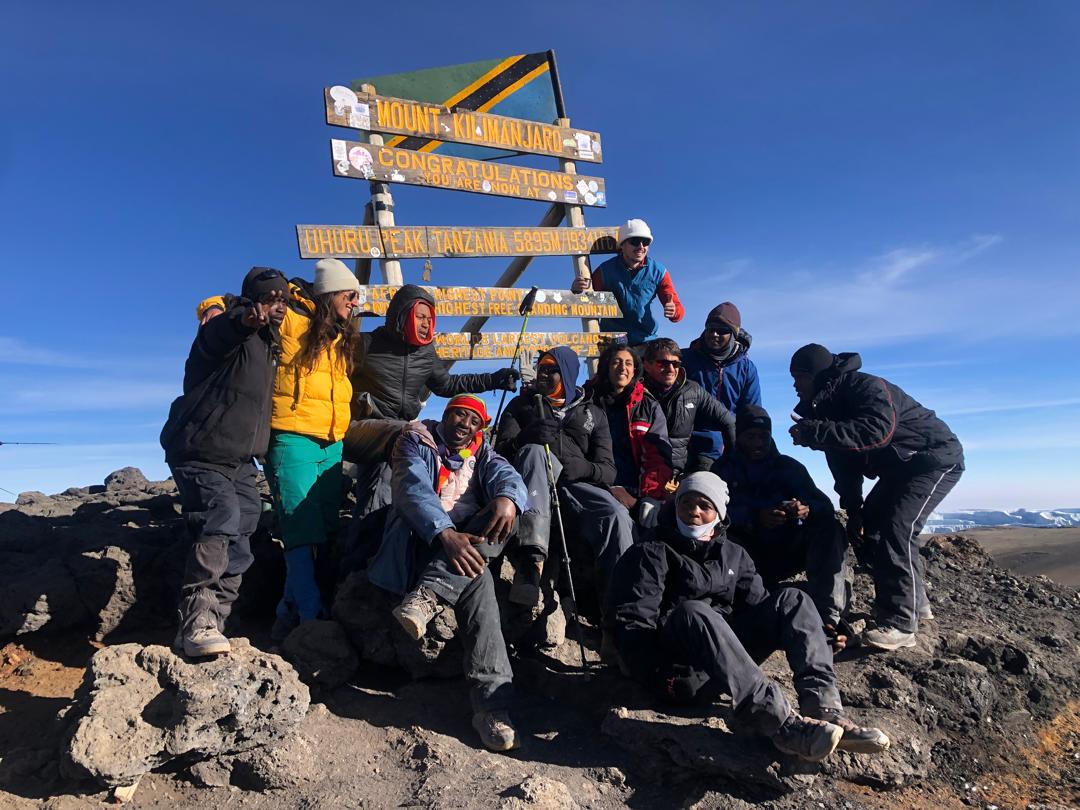
Native Son Expeditions porters and international climbers celebrating a successful summit at Uhuru Peak on Mount Kilimanjaro.
Many climbers believe all routes lead to the same experience. However, the answer to which is the best route on Mount Kilimanjaro depends heavily on route structure.
Different routes influence:
- altitude adaptation
- daily walking distance
- crowd levels
- weather exposure
- scenery variation
- summit success rates
Choosing the wrong route can increase exhaustion and altitude sickness risk.
Overview of Official Kilimanjaro Routes
The main routes on Kilimanjaro include:
- Marangu Route
- Machame Route
- Lemosho Route
- Rongai Route
- Northern Circuit Route
- Umbwe Route
Each route offers unique advantages and challenges.
Understanding the Main Factors in Route Selection
When deciding which is the best route on Mount Kilimanjaro, climbers should evaluate several important factors.
1. Acclimatization Quality
Acclimatization is the body’s ability to adapt to lower oxygen levels.
Routes with:
- slower ascent
- more trekking days
- gradual elevation gain
usually have higher success rates.
2. Difficulty Level
Some routes are:
- steeper
- longer
- more physically demanding
This affects beginner climbers differently than experienced trekkers.
3. Scenic Beauty
Certain routes provide:
- rainforest scenery
- alpine desert landscapes
- panoramic summit views
Scenery greatly influences trekking experience.
4. Crowds and Social Experience
Popular routes attract:
- more climbers
- larger campsites
- stronger social atmosphere
Less crowded routes offer quieter experiences.
Why Longer Routes Are Usually Better

One major answer to which is the best route on Mount Kilimanjaro is that longer routes generally improve:
- acclimatization
- safety
- summit success
The body adapts better with slower altitude gain.
Role of Nativesons Expeditions
Choosing a professional operator strongly affects route experience.
Nativesons Expeditions helps climbers by providing:
- personalized route recommendations
- altitude-focused itineraries
- professional mountain guides
- safety monitoring systems
- experienced porter teams
Their route planning system improves safety and summit performance.
Common Mistakes Climbers Make When Choosing Routes
Many trekkers select routes based only on:
- lowest cost
- shortest duration
- popularity
However, this can increase altitude risks.
The best route depends on:
- fitness level
- experience
- acclimatization needs
- personal trekking goals
Importance of Acclimatization in Route Selection
Altitude sickness is the main challenge on Kilimanjaro.
Routes with better acclimatization profiles:
- reduce fatigue
- improve oxygen adaptation
- increase summit success rates
This is why acclimatization is central to understanding which is the best route on Mount Kilimanjaro.
External Authority Reference
For mountain trekking safety information, travelers can review educational resources from International Climbing and Mountaineering Federation regarding high-altitude trekking and mountain safety.
Common Misconceptions About Kilimanjaro Routes
Misconception 1
“Short routes are easier.”
Reality:
Short routes often increase altitude sickness risk.
Misconception 2
“The most popular route is automatically the best.”
Reality:
Different climbers need different route profiles.
Misconception 3
“All routes have similar success rates.”
Reality:
Longer routes generally produce better results.
Quick Summary
- Route selection strongly affects summit success
- Longer routes improve acclimatization
- Different routes suit different climbing goals
- Safety and comfort depend on route structure
- Nativesons Expeditions helps match climbers with ideal routes
Comparing Kilimanjaro Routes in Detail

Kilimanjaro Umbwe Trail Map
To properly answer the question Which is the best route on Mount Kilimanjaro, climbers must understand that every route offers a completely different experience in terms of acclimatization, scenery, difficulty, safety, and summit success rates.
Many trekkers focus only on price or route popularity, but the best route depends on multiple factors including:
- trekking experience
- physical fitness
- altitude tolerance
- preferred comfort level
- available travel time
Located in Tanzania, Mount Kilimanjaro has six main trekking routes. Some are ideal for beginners, while others are better suited for experienced hikers seeking more difficult challenges.
With expert planning from Nativesons Expeditions, climbers can choose routes that maximize safety, acclimatization, and summit success. This section provides a deep comparison of every major route to help answer the important question: Which is the best route on Mount Kilimanjaro?
1. Marangu Route: The Classic Tourist Route
The Marangu Route is one of the oldest and most famous routes on Kilimanjaro.
Overview
- Duration: 5–6 days
- Accommodation: mountain huts
- Difficulty: moderate to high
Unlike other routes, Marangu uses hut accommodation instead of camping.
Advantages of Marangu Route

Kilimanjaro Marangu Trail Map
1. Comfortable Accommodation
Huts provide:
- beds
- dining shelters
- weather protection
This appeals to climbers who dislike camping.
2. Easier Logistics
Porter systems are simpler compared to tent-based routes.
Disadvantages of Marangu Route
1. Fast Ascent
The shorter duration reduces acclimatization time.
2. Lower Summit Success Rates
Altitude sickness risk increases because climbers ascend quickly.
Who Should Choose Marangu?
In the discussion of Which is the best route on Mount Kilimanjaro, Marangu is best for:
- budget-conscious trekkers
- climbers wanting hut accommodation
However, it is not ideal for beginners concerned about altitude adaptation.
2. Machame Route: The Most Popular Route
The Machame Route is widely considered one of the best-balanced routes.
Overview
- Duration: 6–7 days
- Accommodation: camping
- Difficulty: moderate
Advantages of Machame Route

Kilimanjaro Machame Trail Map
1. Excellent Scenery
Climbers experience:
- rainforest zones
- moorlands
- alpine deserts
- summit glaciers
2. Better Acclimatization
The route follows the “climb high, sleep low” principle.
This improves altitude adaptation significantly.
3. High Summit Success Rates
Longer duration improves oxygen adaptation.
Disadvantages
- Steeper sections
- More physically demanding terrain
Who Should Choose Machame?
According to Nativesons Expeditions, Machame is excellent for:
- first-time climbers
- adventurous trekkers
- photographers
- climbers wanting balanced difficulty
This is one of the strongest answers to Which is the best route on Mount Kilimanjaro.
3. Lemosho Route: Best Overall Route
The Lemosho Route is considered one of the premium trekking experiences.
Overview
- Duration: 7–8 days
- Difficulty: moderate
- Acclimatization: excellent
Advantages of Lemosho Route

Kilimanjaro Lemosho Trail Map
1. Superior Acclimatization
Longer trekking duration improves body adaptation.
2. High Summit Success Rates
Many climbers succeed because ascent is gradual.
3. Beautiful Remote Scenery
Lemosho offers:
- quieter trails
- dramatic landscapes
- panoramic western approaches
Disadvantages
- Higher cost
- Longer itinerary
Who Should Choose Lemosho?
The Lemosho Route is ideal for:
- beginners
- solo travelers
- climbers prioritizing success rates
Many experts consider Lemosho the best answer to Which is the best route on Mount Kilimanjaro.
4. Rongai Route: Quiet Northern Approach
The Rongai Route approaches Kilimanjaro from the northern side near Kenya.
Overview
- Duration: 6–7 days
- Difficulty: moderate
- Crowd level: low
Advantages
1. Drier Conditions
Less rainfall compared to southern routes.
2. Peaceful Environment
Lower crowds create a quieter experience.
Disadvantages
- Less scenic variety
- Fewer dramatic landscapes
Who Should Choose Rongai?
Best for:
- rainy season climbs
- travelers seeking quieter trekking
5. Northern Circuit Route: Highest Success Rates
The Northern Circuit is the longest and safest acclimatization route.
Overview
- Duration: 8–9 days
- Difficulty: low to moderate
- Acclimatization: best available
Advantages
1. Best Acclimatization Profile
Long duration allows slow adaptation.
2. Highest Summit Success Rates
Reduced altitude stress improves performance.
3. Least Crowded Route
Offers peaceful trekking conditions.
Disadvantages
- Long expedition duration
- Higher overall cost
Who Should Choose Northern Circuit?
Ideal for:
- beginners worried about altitude
- climbers prioritizing safety
- older trekkers
This route is one of the safest answers to Which is the best route on Mount Kilimanjaro.
6. Umbwe Route: Most Difficult Route
Umbwe is the steepest and most demanding route.
Advantages
- remote experience
- fast ascent
Disadvantages
- poor acclimatization
- physically intense
- lower summit success rates
Who Should Choose Umbwe?
Only experienced hikers seeking difficult trekking challenges.
Comparison Table: Best Kilimanjaro Routes
| Route | Difficulty | Acclimatization | Success Rate | Best For |
|---|---|---|---|---|
| Marangu | Moderate–High | Moderate | Medium | Budget climbers |
| Machame | Moderate | Good | High | Balanced trekking |
| Lemosho | Moderate | Excellent | Very High | Beginners & comfort |
| Rongai | Moderate | Good | High | Quiet trekking |
| Northern Circuit | Low–Moderate | Best | Very High | Maximum safety |
| Umbwe | High | Poor | Lower | Experienced hikers |
This table is central to understanding Which is the best route on Mount Kilimanjaro.
How Altitude Affects Route Difficulty
Altitude is the biggest challenge on Kilimanjaro.
Routes with:
- shorter duration
- rapid elevation gain
increase the risk of:
- headaches
- fatigue
- nausea
- summit failure
Longer routes reduce these risks significantly.
Why Nativesons Expeditions Recommends Longer Routes
According to Nativesons Expeditions, climbers perform better on:
- Lemosho
- Machame 7-day
- Northern Circuit
These routes improve:
- acclimatization
- recovery
- summit confidence
Their professional guides focus heavily on altitude management.
External Authority Reference
For additional mountain trekking education, travelers can review safety resources from American Alpine Club regarding high-altitude climbing and expedition preparation.
Quick Summary
- Lemosho and Northern Circuit provide best acclimatization
- Machame offers the best balance of scenery and success
- Marangu is faster but riskier for altitude adaptation
- Umbwe is the most difficult route
- Longer routes improve summit success rates significantly
