

Plan your first time safari in Serengeti with our complete guide. Explore wildlife, best travel tips, accommodations, and cultural experiences for an unforgettable adventure.
1: Introduction to Your First Time Safari in Serengeti
Discover the Serengeti Experience
https://nativesonexpeditions.com/tanzania-safari/
Embarking on a first time safari in Serengeti is a dream for many travelers seeking to witness Africa’s iconic wildlife and landscapes. Serengeti National Park, a UNESCO World Heritage Site, spans over 14,000 square kilometers and offers unparalleled opportunities to see the Big Five—lion, leopard, elephant, buffalo, and rhinoceros—in their natural habitat. International tourists experiencing a first time safari in Serengeti are often amazed by the diversity of wildlife, scenic savannahs, and rich ecosystem interactions.
A first time safari in Serengeti provides more than just animal sightings. Visitors learn about predator-prey dynamics, migration patterns, and conservation efforts that preserve this iconic ecosystem. Guided tours, educational programs, and photography excursions allow tourists to appreciate the complexity of Serengeti’s environment while respecting local conservation rules (https://www.tanzaniatourism.go.tz).
Understanding the park’s geography, wildlife, and seasonal variations enhances the experience, ensuring that your first safari is both memorable and educational.
Planning Your Safari Trip
Planning is critical for a successful first time safari in Serengeti. International tourists should consider the best times to visit, with the Great Migration typically occurring between June and October. Accommodation options vary from luxury lodges and tented camps to budget-friendly campsites, catering to different preferences while providing access to prime viewing locations.
Selecting a knowledgeable guide is essential, as they offer wildlife expertise, cultural insights, and safety information. Preparing for early mornings, long drives, and variable weather ensures comfort during your first time safari in Serengeti. Travel insurance, vaccinations, and health precautions are also crucial for a safe adventure (https://www.unwto.org).
Thoughtful planning allows tourists to maximize wildlife encounters, photography opportunities, and cultural interactions, making the experience enriching and stress-free.
Wildlife and Ecosystem Overview
Understanding Serengeti’s ecosystem enhances any first time safari in Serengeti. The park features diverse habitats, including grasslands, woodlands, rivers, and kopjes—rocky outcrops that provide shelter for predators and birds. International tourists witness complex food chains and ecological relationships that maintain the park’s balance.
Game drives allow observation of herbivores like wildebeest, zebra, and gazelles alongside predators such as lions and cheetahs. Birdwatchers also enjoy over 500 species, including vultures, storks, and eagles. Experiencing these natural interactions during a first time safari in Serengeti deepens appreciation for the park’s biodiversity (https://www.worldbank.org).
This knowledge enhances the safari experience, transforming it from simple sightseeing into an educational journey that highlights the importance of conservation.
In conclusion, your first time safari in Serengeti is a unique combination of wildlife, landscapes, and ecological learning. Planning carefully, understanding the ecosystem, and selecting knowledgeable guides ensures a safe, enjoyable, and memorable adventure. Combining education with exploration, this initial safari sets the foundation for future wildlife journeys in Tanzania.
2: Best Times, Routes, and Safari Seasons for First Time Visitors
Understanding the Safari Seasons
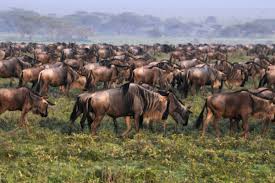
Timing is crucial for a first time safari in Serengeti. The Serengeti experiences two main seasons: the dry season (June to October) and the wet season (November to May). International tourists embarking on a first time safari in Serengeti often prefer the dry season due to easier wildlife spotting, as animals gather near water sources. The wet season, however, brings lush landscapes, bird migrations, and newborn wildlife, offering a different kind of scenic beauty.
Seasonal planning ensures visitors witness iconic events such as the Great Migration, when over a million wildebeest and thousands of zebras traverse the plains. Understanding these cycles enhances the experience, making your first time safari in Serengeti both visually stunning and ecologically informative (https://www.tanzaniatourism.go.tz).
Proper timing allows tourists to align their trip with wildlife behavior, weather conditions, and personal preferences, ensuring maximum enjoyment.
Recommended Safari Routes
Selecting the right route is vital for maximizing wildlife encounters during a first time safari in Serengeti. Key areas include Seronera Valley, known for its predator sightings; the Northern Serengeti, ideal for migration viewing; and the Western Corridor, where river crossings occur. International tourists benefit from itineraries that combine multiple zones, providing a diverse perspective of the ecosystem.
Guided safaris can tailor routes based on animal activity, weather, and tourist interests. Exploring different regions allows visitors to witness diverse habitats, from savannah plains to woodland areas, enhancing the experience of a first time safari in Serengeti (https://www.unwto.org).
Route selection also impacts accommodation choices, travel time, and overall satisfaction, making it an important aspect of safari planning.
Wildlife Highlights by Season
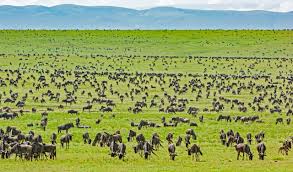
During a first time safari in Serengeti, knowing what wildlife to expect each season enhances the journey. In the dry season, predators like lions, leopards, and cheetahs are easier to spot as prey congregates near waterholes. In contrast, the wet season brings lush greenery, newborn herbivores, and an explosion of birdlife, attracting international tourists who enjoy photography and ecological observation.
Special events such as the wildebeest calving season in February–March provide a dramatic natural spectacle. Observing these events firsthand allows travelers to connect with the rhythms of nature during a first time safari in Serengeti (https://www.worldbank.org).
Being aware of seasonal wildlife behavior ensures tourists do not miss key moments, making their first safari both memorable and educational.
Planning Your Itinerary
For a first time safari in Serengeti, a well-structured itinerary balances game drives, cultural visits, and leisure time. International tourists should consider multiple-day safaris to explore different zones, participate in guided walks, and enjoy sunrise or sunset photography. Including rest periods between drives helps avoid fatigue while maximizing wildlife encounters.
Integrating cultural experiences with park visits enriches the journey, allowing tourists to connect with local communities and conservation initiatives. Planning effectively ensures that your first time safari in Serengeti is seamless, enjoyable, and unforgettable (https://www.tanzaniatourism.go.tz).
A thoughtful itinerary ensures visitors experience the park comprehensively while maintaining comfort and safety.
In summary, understanding the best times, routes, and seasonal highlights is essential for a first time safari in Serengeti. Proper planning enables international tourists to witness iconic wildlife events, explore multiple regions, and enjoy both adventure and comfort. Aligning your visit with seasonal patterns and park geography ensures a holistic and memorable Serengeti safari experience.
3: Wildlife Watching, Predators, and Photography Tips
Getting Close to the Wildlife
A highlight of any first time safari in Serengeti is observing its diverse wildlife. The park is home to over 70 large mammal species, including elephants, lions, cheetahs, and wildebeest. International tourists experiencing a first time safari in Serengeti are often fascinated by predator-prey interactions and the sheer variety of species in a single ecosystem.
Game drives, guided walks, and strategic stops near watering holes provide ideal opportunities for wildlife viewing. Understanding animal behavior enhances the safari experience, allowing tourists to anticipate movements and witness natural hunting or feeding patterns. Experiencing a first time safari in Serengeti in this immersive way makes wildlife observation both educational and thrilling (https://www.tanzaniatourism.go.tz).
By learning where and when to find specific animals, visitors maximize sightings and enrich their overall experience.
Predator Watching Tips
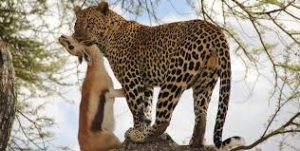
Predators like lions, leopards, and cheetahs are major attractions on a first time safari in Serengeti. International tourists benefit from guides who know their territories, routines, and hunting patterns. Early morning and late afternoon drives are ideal for spotting these elusive hunters, as they are most active during cooler parts of the day.
Observers should maintain a safe distance, respect park rules, and remain quiet to avoid disturbing wildlife. Photographing predators requires patience and anticipation, allowing travelers to capture dynamic moments while learning about animal ecology. Following expert advice enhances the first time safari in Serengeti experience while ensuring safety and ethical wildlife interactions (https://www.unwto.org).
Understanding predator behavior adds excitement and insight to every safari excursion.
Best Practices for Photography
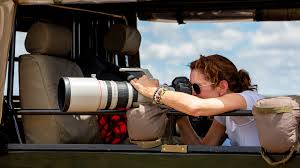
Photography is an essential part of a first time safari in Serengeti. International tourists should prepare by bringing cameras with zoom lenses, extra batteries, and memory cards. Composition tips, such as capturing animals in their natural habitat, using early morning light, and framing interactions, elevate the visual storytelling of your safari.
Guides often help position vehicles for optimal viewing while minimizing disturbance to wildlife. Practicing patience and observing quietly ensures ethical photography. By following these techniques, a first time safari in Serengeti becomes not only a wildlife adventure but also a creative and memorable journey (https://www.worldbank.org).
Photographic experiences allow tourists to document encounters, share their adventure, and relive the unique moments of the Serengeti safari.
Integrating Learning with Observation
Wildlife watching is most rewarding when combined with ecological and cultural learning. Guides provide insights into species behavior, conservation challenges, and the relationships between local communities and wildlife. International tourists gain context for their observations, transforming a first time safari in Serengeti from mere sightseeing into an educational experience.
Learning about animal hierarchies, migration patterns, and ecological balance deepens understanding and appreciation of the Serengeti ecosystem. Integrating knowledge with observation ensures that visitors leave with a comprehensive understanding of both wildlife and environmental stewardship (https://www.tanzaniatourism.go.tz).
This combination of adventure and education enriches the safari experience for all first-time visitors.
In conclusion, wildlife watching, predator observation, and photography are central to a first time safari in Serengeti. International tourists benefit from guided expertise, ethical practices, and learning opportunities that enhance their encounters with animals. Combining observation with education ensures a memorable, immersive, and responsible safari experience that highlights the unique biodiversity of the Serengeti.
4: Safari Accommodation, Lodges, and Camps for First-Time Visitors
Choosing the Right Accommodation
Selecting suitable accommodation is a key element of a first time safari in Serengeti. Options range from luxury lodges and tented camps to budget-friendly eco-camps. International tourists benefit from choosing accommodations that provide both comfort and easy access to prime wildlife viewing areas.
Lodges often offer guided game drives, fine dining, and spa services, while tented camps provide immersive experiences closer to nature. Choosing the right facility ensures that your first time safari in Serengeti is both relaxing and conveniently located near the main attractions. Booking in advance is recommended, especially during peak seasons like the Great Migration (https://www.tanzaniatourism.go.tz).
The right accommodation can enhance your safari by combining convenience, comfort, and the thrill of waking up to Africa’s wild landscapes.
Tented camps and Immersive Experiences
For travelers seeking authenticity, tented camps offer a unique perspective on a first time safari in Serengeti. These camps are often set within or near park boundaries, allowing visitors to experience sunrise and sunset over the savannah, nighttime sounds of wildlife, and closer proximity to animals during guided drives.
International tourists appreciate the balance between adventure and safety provided by well-managed camps. Amenities may include guided walking safaris, cultural interactions, and educational sessions about local ecosystems. Experiencing a first time safari in Serengeti from a tented camp gives visitors a deeper connection to the natural environment while maintaining comfort and security (https://www.unwto.org).
This immersive lodging option enhances both the educational and experiential aspects of the safari.
Luxury Lodges and Comfort-Oriented Options
Luxury lodges cater to international tourists seeking a first time safari in Serengeti with higher comfort standards. These lodges often provide private viewing decks, gourmet dining, and exclusive game drives, combining wildlife observation with refined hospitality.
While staying in a luxury lodge, visitors can enjoy cultural presentations, conservation talks, and even spa treatments, allowing a balance between adventure and relaxation. Choosing such lodges ensures that your first time safari in Serengeti is memorable, blending comfort with immersive wildlife experiences (https://www.worldbank.org).
Luxury accommodations offer convenience, high-quality service, and curated experiences tailored to first-time safari-goers.
Practical Tips for Booking and Staying
When planning a first time safari in Serengeti, international tourists should consider factors such as location, accessibility, amenities, and seasonal rates. Early booking guarantees availability and often better pricing. Guides can assist with selecting accommodations that match the itinerary, ensuring minimal travel time between lodges, camps, and key wildlife zones.
Staying near different regions of the Serengeti allows visitors to experience diverse habitats and maximize wildlife encounters. Being informed about park rules, check-in procedures, and services ensures a smooth stay during a first time safari in Serengeti (https://www.tanzaniatourism.go.tz).
Thoughtful accommodation planning enhances convenience, safety, and overall enjoyment of the safari.
In summary, choosing the right accommodation is crucial for a first time safari in Serengeti. From luxury lodges to tented camps, each option offers unique advantages for comfort, accessibility, and immersion. International tourists can optimize their experience by planning stays strategically, balancing relaxation with adventure, and ensuring easy access to wildlife and cultural activities for a truly memorable safari.
5: Practical Tips, Safety, and Making the Most of Your First Safari
Safety and Health Considerations
When embarking on a first time safari in Serengeti, safety and health are paramount. International tourists should ensure they have all recommended vaccinations, carry insect repellent, and drink safe, purified water. Being aware of wildlife behavior, following park rules, and listening to guides are essential for a safe experience.
Travelers should also prepare for long game drives, extreme sun, and temperature variations. Observing proper safety protocols ensures that your first time safari in Serengeti remains enjoyable and incident-free. Guides provide instructions on staying at a safe distance from animals, avoiding sudden movements, and protecting equipment during drives (https://www.tanzaniatourism.go.tz).
Following these guidelines allows tourists to focus on the adventure without compromising personal safety or the safety of wildlife.
Packing Essentials and Gear
Proper preparation enhances any first time safari in Serengeti. International tourists should pack neutral-colored clothing, sturdy walking shoes, binoculars, cameras with zoom lenses, and hats for sun protection. Lightweight layers are recommended due to temperature changes between mornings and evenings.
Travelers should also carry reusable water bottles, first aid kits, and waterproof gear during the wet season. Being well-equipped ensures that your first time safari in Serengeti is comfortable, productive, and enjoyable (https://www.unwto.org).
Having the right gear allows tourists to maximize wildlife observation, photography, and personal comfort during the safari.
Cultural Etiquette and Local Interaction
Engaging respectfully with local communities enhances a first time safari in Serengeti. International tourists should learn basic greetings, follow cultural norms, and seek permission before photographing people. Understanding Maasai customs, village protocols, and environmental practices enriches interactions and fosters meaningful connections.
Tourists can participate in local workshops, craft demonstrations, and cultural storytelling sessions to gain authentic insight into daily life. These experiences make a first time safari in Serengeti more than just a wildlife adventure, creating opportunities for cultural appreciation and responsible tourism (https://www.worldbank.org).
Respectful engagement ensures that travelers leave a positive impact on the communities they visit.
Making the Most of Your Safari
To fully enjoy a first time safari in Serengeti, international tourists should plan their itinerary to include game drives, guided walks, photography sessions, and relaxation time. Early mornings and late afternoons offer the best lighting and animal activity. Listening to guides’ insights about animal behavior, migration patterns, and conservation efforts enriches the experience.
Combining adventure with education and cultural interaction ensures that a first time safari in Serengeti is holistic, memorable, and responsible. Taking notes, capturing photographs, and reflecting on the experiences deepen the connection to nature and wildlife (https://www.tanzaniatourism.go.tz).
Planning for balance between exploration, safety, and comfort ensures a fulfilling first safari experience.
In conclusion, practical tips, safety awareness, proper preparation, and cultural respect are essential for a first time safari in Serengeti. International tourists who follow these guidelines maximize wildlife encounters, enjoy a smooth and comfortable journey, and gain lasting memories. By combining adventure, learning, and responsible travel, visitors can make the most of their first Serengeti safari and set the stage for future wildlife adventures in Tanzania.
