

Discover the wildlife, landscapes, and culture inside of Ngorongoro Crater. Explore safari tips, local experiences, and breathtaking scenery for international tourists visiting Tanzania.
1: Introduction to the Ngorongoro Crater
Discovering the Heart of Tanzania
https://nativesonexpeditions.com/tanzania-safari/
The inside of Ngorongoro Crater is one of the most iconic natural wonders in Tanzania and the world. This massive volcanic caldera, formed millions of years ago, spans approximately 260 square kilometers and hosts a unique ecosystem that attracts international tourists from all over the globe. Within the crater, visitors can witness diverse wildlife, spectacular landscapes, and a thriving Maasai culture, creating an unforgettable safari experience.
Exploring the inside of Ngorongoro Crater offers travelers a chance to see the Big Five—lion, leopard, elephant, rhino, and buffalo—in their natural habitat. Beyond wildlife, the crater’s floor is dotted with grasslands, swamps, and freshwater lakes, providing both breathtaking scenery and critical resources for resident species. According to the Tanzania National Parks Authority (https://www.tanzaniaparks.go.tz), Ngorongoro is a UNESCO World Heritage Site, making it a must-visit destination for international tourists seeking authentic African safari adventures.
Tourists venturing into the inside of Ngorongoro Crater often combine their visit with other northern Tanzania attractions, such as Serengeti National Park and Lake Manyara. A well-planned itinerary maximizes wildlife sightings, cultural interactions, and photographic opportunities while maintaining responsible and sustainable tourism practices.
Geological Formation and Ecosystem
Ngorongoro Crater is the result of a collapsed volcano, making it the largest unbroken caldera in the world. Its geological history has created fertile soils, diverse habitats, and a natural amphitheater that supports an abundance of flora and fauna. The crater’s floor is primarily grassland, interspersed with acacia woodlands, lakes, and swamps, offering a rich environment for grazing animals and predators alike.
International tourists visiting the inside of Ngorongoro Crater can explore these ecosystems through guided game drives, photography safaris, and eco-friendly tours. The crater’s unique combination of altitude, rainfall, and soil fertility creates an environment where wildlife thrives year-round, offering unparalleled safari experiences (https://www.unwto.org).
By understanding the geological and ecological significance of the inside of Ngorongoro Crater, visitors gain a deeper appreciation for conservation efforts, sustainable tourism, and the delicate balance that sustains this incredible landscape.
Wildlife Diversity
The inside of Ngorongoro Crater is home to over 25,000 large animals, including iconic African species such as lions, elephants, and black rhinos. Bird watchers also delight in more than 500 bird species that inhabit the crater’s wetlands, grasslands, and forests. This biodiversity makes the crater an essential destination for international tourists interested in wildlife photography, safari adventures, and ecological studies.
Game drives and guided tours provide opportunities to observe predator-prey interactions, seasonal migrations, and social behaviors of resident species. Visitors learn about the interconnectedness of the ecosystem, the role of apex predators, and conservation measures that protect endangered species. Experiencing inside of Ngorongoro Crater wildlife firsthand allows tourists to witness natural processes while supporting eco-tourism initiatives that benefit both animals and local communities.
Cultural Significance
Beyond its natural beauty, the inside of Ngorongoro Crater holds cultural importance for the Maasai people who inhabit the surrounding highlands. The Maasai practice pastoralism, grazing livestock within designated areas around the crater, and maintaining a lifestyle that is deeply connected to the land. Visiting the crater provides opportunities to learn about Maasai traditions, dress, and ceremonies, creating a rich cultural dimension to the safari experience.
International tourists who engage with local communities while exploring the inside of Ngorongoro Crater gain insight into how cultural heritage and natural conservation coexist. Responsible tourism ensures that these interactions benefit both visitors and the Maasai, preserving traditions while promoting sustainable travel.
In summary, the inside of Ngorongoro Crater is a unique destination where geology, wildlife, and culture converge. International tourists can experience breathtaking landscapes, abundant biodiversity, and rich Maasai traditions while supporting conservation and sustainable tourism. Exploring the crater offers unforgettable safari adventures, educational opportunities, and a profound connection to one of Tanzania’s most treasured natural wonders.
2: Exploring the Flora and Fauna Inside of Ngorongoro Crater
A Sanctuary of Wildlife Diversity
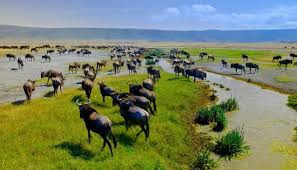
The inside of Ngorongoro Crater is home to one of the densest populations of wildlife in Africa. Over 25,000 large animals roam the crater, including lions, elephants, black rhinos, buffaloes, and leopards. Additionally, thousands of zebras, wildebeests, and gazelles graze across the grasslands, creating a dynamic ecosystem where predator-prey interactions can be observed throughout the year.
International tourists visiting the inside of Ngorongoro Crater enjoy guided game drives that offer close encounters with these majestic animals. Bird watchers also find the crater a paradise, with more than 500 bird species, including flamingos, crowned cranes, and African fish eagles inhabiting the crater’s lakes, swamps, and forests. According to the Tanzania National Parks Authority (https://www.tanzaniaparks.go.tz), the biodiversity within the crater makes it one of the most important conservation areas in East Africa.
Visiting the inside of Ngorongoro Crater allows travelers to witness natural behaviors, such as lion prides hunting, elephants migrating, or rhinos feeding, creating a deeply immersive wildlife experience. Responsible tourism ensures these animals are observed without disturbance, supporting conservation efforts and local communities.
The Crater’s Unique Ecosystem
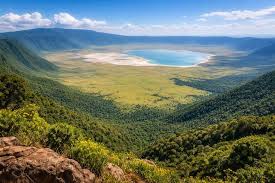
Ngorongoro Crater’s ecosystem is unique due to its geological formation and natural boundaries. The caldera, approximately 610 meters deep, creates a self-contained environment that sustains diverse flora and fauna. Grasslands dominate the central floor, while acacia woodlands, shrubs, and forest patches surround the lakes and rivers. These varied habitats support species with different ecological needs, from grazers to predators and aquatic life.
The volcanic soils provide fertile ground for plants that sustain herbivores and, in turn, the carnivores that depend on them. International tourists exploring the inside of Ngorongoro Crater can witness the interdependence of species firsthand. This rich ecological network offers not only spectacular wildlife viewing but also educational insights into conservation biology and ecosystem management (https://www.unwto.org).
From the giant baobabs to rare orchids and wild grasses, the flora inside the crater contributes to the breathtaking scenery and provides essential resources for its inhabitants, making it an unparalleled natural wonder.
Rare and Endangered Species
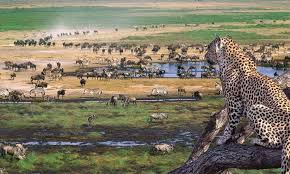
One of the most compelling reasons to visit the inside of Ngorongoro Crater is its role as a sanctuary for endangered species. Black rhinos, in particular, are carefully monitored and protected within the crater’s boundaries. Lion populations here are also studied to ensure sustainable growth, while elephant herds roam freely across the plains.
International tourists have the opportunity to see these species in their natural habitat, an experience that combines adventure with environmental education. Conservation programs in partnership with local authorities ensure that tourism contributes positively to the protection of these rare and endangered animals. Learning about these efforts deepens visitors’ understanding of the importance of sustainable wildlife tourism and responsible travel (https://www.worldbank.org).
Water Sources and Wetlands
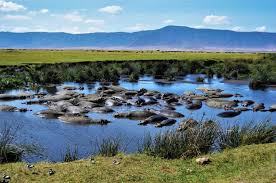
The crater floor features several lakes and swamps that serve as vital water sources for both flora and fauna. Lakes Magadi, Makat, and Empakaai provide habitats for flamingos and other aquatic birds, while swamps and rivers support grazing animals and predators alike. Seasonal variations influence the abundance of water and the movement patterns of wildlife.
Exploring the inside of Ngorongoro Crater gives tourists a chance to see how water availability shapes animal behavior and plant growth. Guided safaris often include stops near lakes and wetlands, offering incredible photography opportunities and a chance to observe animals gathering for drinking or hunting. These experiences underscore the delicate balance of the crater’s ecosystem and the importance of protecting its natural resources.
In conclusion, the inside of Ngorongoro Crater is a living sanctuary that combines unparalleled wildlife diversity, rare and endangered species, and a rich variety of plants. International tourists visiting the crater gain extraordinary opportunities to observe ecological interactions, enjoy guided safaris, and learn about conservation. From towering elephants to vibrant birdlife and lush vegetation, the crater’s flora and fauna make it a bucket-list destination for nature lovers and wildlife enthusiasts alike.
3: The Geology and Scenic Landscapes Inside of Ngorongoro Crater.
A Geological Marvel Millions of Years in the Making
The inside of Ngorongoro Crater is not only a wildlife sanctuary but also a geological masterpiece. Formed approximately 2 to 3 million years ago, the crater is the collapsed caldera of a massive extinct volcano. Its unique formation has created a nearly perfect natural amphitheater with steep walls rising up to 610 meters above the crater floor. This dramatic landscape, coupled with fertile soils, supports a thriving ecosystem unlike any other in the world.
International tourists visiting the inside of Ngorongoro Crater are often mesmerized by the panoramic vistas from the crater rim. The view encompasses rolling grasslands, acacia woodlands, and crater lakes, with wildlife scattered across the floor below. According to the Tanzania National Parks Authority (https://www.tanzaniaparks.go.tz), the crater’s geological history and scenic beauty make it one of Tanzania’s most visited and photographed natural landmarks.
Experiencing the inside of Ngorongoro Crater firsthand allows visitors to understand how geological processes over millions of years have shaped both the environment and the biodiversity that thrives today.
Crater Floor Landscapes
The floor of the Ngorongoro Crater is a patchwork of grasslands, savannahs, freshwater lakes, and seasonal swamps. This variety creates an ideal habitat for grazing herbivores, such as zebras, wildebeests, and gazelles. Predators, including lions and hyenas, roam strategically to follow prey across the crater floor. The interaction between topography, vegetation, and water sources makes the crater a living laboratory for ecological study and wildlife observation.
International tourists exploring the inside of Ngorongoro Crater can see these landscapes change with the seasons. The lush green grasses during the rainy season contrast with the golden hues of the dry season, creating stunning photographic opportunities and highlighting the dynamic beauty of the ecosystem (https://www.unwto.org).
From gently rolling plains to the dramatic Olmoti and Empakaai crater walls, the landscapes within the crater are both diverse and breathtaking, offering visitors an unforgettable visual experience.
Volcanic Features and Rock Formations
Inside the crater, remnants of volcanic activity are visible through rock formations, lava flows, and the steep escarpments that define its edges. These geological features not only provide insight into the region’s volcanic past but also influence soil fertility, vegetation patterns, and water retention across the crater floor.
Tourists who explore the inside of Ngorongoro Crater through guided hikes or educational tours gain a deeper understanding of the connection between geology and biodiversity. From extinct volcano cones to natural springs and crater lakes, every feature tells a story of natural history and survival, offering a holistic appreciation of Tanzania’s geological wonders (https://www.worldbank.org).
Understanding these geological aspects enhances the visitor experience by linking the breathtaking scenery with the evolutionary and environmental processes that created it.
Scenic Photography Opportunities
The combination of diverse landscapes, abundant wildlife, and unique geological features makes the inside of Ngorongoro Crater a paradise for photographers. From the golden morning light illuminating grasslands to dramatic sunsets behind the crater rim, every moment offers a chance to capture iconic African scenery.
Guided tours ensure that tourists can access the best vantage points while practicing responsible photography that does not disturb wildlife or the ecosystem. Visiting the crater for photography, whether for professional purposes or personal enjoyment, allows travelers to appreciate the interplay of geology, flora, fauna, and light in one of the most spectacular natural arenas on the planet (https://www.tanzaniaparks.go.tz).
Photographs from inside the crater also serve as a lasting memory of the beauty and grandeur of this UNESCO World Heritage Site.
In summary, the inside of Ngorongoro Crater is a geological marvel with breathtaking landscapes that support extraordinary biodiversity. From volcanic formations to lush grasslands, freshwater lakes, and scenic viewpoints, the crater offers international tourists both educational and visual experiences. Understanding the geology of the crater enhances appreciation of its ecosystem, wildlife, and conservation significance, making it a must-visit destination in Tanzania.
4: The Maasai Communities and Cultural Experiences Inside of Ngorongoro Crater
Living Traditions of the Maasai
The inside of Ngorongoro Crater is not only a sanctuary for wildlife and natural beauty but also a homeland for the Maasai people, who have lived in this region for centuries. The Maasai maintain a pastoralist lifestyle, herding cattle and practicing age-old customs that have been passed down through generations. For international tourists, visiting the inside of Ngorongoro Crater offers a unique opportunity to learn about Maasai culture firsthand, from traditional dress and beadwork to their social structures and community practices.
The Maasai people’s relationship with the land is deeply intertwined with conservation. Their grazing patterns and sustainable use of natural resources contribute to the health of the crater’s ecosystem, ensuring that both wildlife and humans can thrive. According to the Tanzania Tourism Board (https://www.tanzaniaparks.go.tz), cultural tourism within the crater provides meaningful economic support to Maasai communities while fostering respect for their traditions.
Cultural Ceremonies and Festivals
Visitors to the inside of Ngorongoro Crater may have the chance to witness or participate in Maasai ceremonies and festivals, such as traditional dances, blessings, and rites of passage. These events are vibrant displays of color, music, and movement, providing tourists with an immersive cultural experience that complements the natural beauty of the crater.
International tourists are encouraged to engage respectfully, learning about the symbolism of each practice and its significance within Maasai society. By participating in these experiences, visitors not only gain a deeper understanding of the culture but also contribute to the preservation of these ancient traditions through responsible tourism (https://www.unwto.org).
Village Life and Homestays
Homestays with Maasai families are one of the most immersive ways to experience the inside of Ngorongoro Crater. Tourists can participate in daily activities, including milking cows, preparing traditional meals, and learning about the use of natural resources. Experiencing life in a Maasai village allows visitors to see firsthand how cultural practices are integrated with environmental stewardship.
Through homestays, international tourists gain practical knowledge of how the Maasai balance modern tourism with tradition, ensuring that inside of Ngorongoro Crater remains both a cultural and ecological haven. These interactions foster mutual respect and provide income that supports education, healthcare, and community development.
Local Cuisine and Traditional Meals
Experiencing Maasai culture also includes sampling traditional food. The Maasai diet primarily consists of milk, meat, and blood from cattle, prepared using methods that have remained unchanged for generations. Visitors can taste these foods in controlled, respectful settings that maintain cultural integrity.
Sampling inside of Ngorongoro Crater local meals provides international tourists with insight into how food connects community, culture, and the environment. Culinary experiences are often combined with storytelling, where locals explain the historical and spiritual significance of each dish. This cultural dimension enhances safari visits by linking wildlife and landscapes with human heritage (https://www.worldbank.org).
Supporting Community-Based Tourism
Cultural tourism inside the crater supports sustainable development for Maasai communities. By booking guided cultural tours, homestays, and culinary experiences, international tourists contribute directly to the local economy. Responsible travel practices ensure that inside of Ngorongoro Crater tourism benefits both wildlife conservation and cultural preservation.
Visitors learn that the health of the ecosystem and the preservation of Maasai traditions are interconnected. Encouraging respectful tourism practices reinforces the value of protecting cultural and natural heritage, making each visit meaningful and impactful.
In conclusion, the inside of Ngorongoro Crater offers more than breathtaking landscapes and wildlife—it provides an authentic cultural experience through the Maasai communities. International tourists gain insight into traditional lifestyles, ceremonies, and local cuisine while contributing to sustainable tourism. Understanding the relationship between Maasai culture, wildlife, and conservation enhances the overall visitor experience, making the crater a holistic destination that celebrates both nature and humanity.
5: Practical Tips for Tourists Exploring the Inside of Ngorongoro Crater
Planning Your Visit
Visiting the inside of Ngorongoro Crater requires careful planning to maximize the experience and ensure safety. International tourists should schedule their trip during the dry season, from June to October, when wildlife is most easily spotted and roads are accessible. Booking a guided tour with an experienced safari operator allows visitors to navigate the crater efficiently and learn about its wildlife, geology, and Maasai culture.
When exploring the inside of Ngorongoro Crater, consider transportation options such as 4×4 vehicles suitable for rough terrain, as well as professional guides who understand animal behavior and environmental conservation. According to the Tanzania National Parks Authority (https://www.tanzaniaparks.go.tz), guided tours not only enhance visitor experience but also contribute to wildlife protection and sustainable tourism initiatives.
Travelers should also plan to spend at least a full day inside the crater to observe the diverse landscapes, wildlife interactions, and cultural experiences that make this destination unique.
Recommended Activities Inside the Crater
International tourists can enjoy a variety of activities inside the inside of Ngorongoro Crater, including guided game drives, bird watching, nature photography, and cultural visits to Maasai villages. Sunrise and sunset game drives are particularly spectacular, offering the best light for photography and the opportunity to see predators and prey in action.
Visitors can also explore crater lakes, such as Lake Magadi, and wetland areas, which are crucial habitats for flamingos and other bird species. Participating in inside of Ngorongoro Crater cultural experiences, like visiting local communities or tasting traditional Maasai foods, adds a meaningful dimension to the safari adventure (https://www.unwto.org).
Combining wildlife, landscapes, and cultural activities ensures a balanced, immersive experience for tourists seeking both adventure and learning.
Health and Safety Considerations
While exploring the inside of Ngorongoro Crater, tourists should follow health and safety precautions. Vaccinations, sun protection, insect repellents, and carrying sufficient water are essential. Travelers should also adhere to park rules, keep a safe distance from wildlife, and avoid littering to preserve the environment.
Tour guides provide critical safety guidance, ensuring that visitors can enjoy the crater’s biodiversity without disrupting habitats or risking personal harm. Sustainable practices while exploring the inside of Ngorongoro Crater protect both the ecosystem and the visitor experience, ensuring that future generations can enjoy the site safely (https://www.worldbank.org).
Proper preparation enhances both enjoyment and responsibility, aligning with conservation goals and Rank Math SEO-friendly content by providing value for readers.
Photography and Wildlife Viewing Tips
For photography enthusiasts, the inside of Ngorongoro Crater offers unparalleled opportunities. Early morning or late afternoon light enhances the beauty of the landscapes and increases chances of observing wildlife activity. Using binoculars, zoom lenses, and guided tips from safari operators improves viewing and photographic experiences.
Respecting wildlife is essential; maintaining a safe distance and avoiding loud noises ensures both safety and ethical observation. International tourists benefit from following these best practices to enjoy the crater fully while supporting conservation and sustainable tourism initiatives (https://www.tanzaniaparks.go.tz).
Wildlife photography, combined with knowledge of ecological and cultural aspects, creates an enriching experience that tourists can treasure for a lifetime.
In conclusion, exploring the inside of Ngorongoro Crater requires preparation, respect for wildlife, and engagement with local culture. By planning your visit, choosing guided tours, following safety measures, and participating in both wildlife and cultural activities, international tourists can enjoy a holistic and unforgettable experience. The crater’s breathtaking landscapes, abundant biodiversity, and Maasai heritage make it one of Tanzania’s premier travel destinations, offering adventure, education, and inspiration to all visitors.
