

Explore the Baobab Trees of Tarangire and discover their ecological importance, cultural value, and role in wildlife conservation within Tanzania’s iconic national park.
Baobab Trees of Tarangire
https://nativesonexpeditions.com/tanzania-safari/
1: Baobab Trees of Tarangire and Their Ecological Significance
The baobab is one of the most iconic tree species in Africa, instantly recognizable by its massive trunk, ancient appearance, and ability to survive in some of the harshest environments on the continent. Nowhere is this symbolism more powerful than in Tarangire National Park, where vast landscapes are dotted with towering baobabs that dominate the horizon and define the character of the ecosystem. Baobab Trees of Tarangire are not only visually striking but also ecologically indispensable, playing a vital role in sustaining wildlife, regulating the environment, and supporting the long-term balance of one of Tanzania’s most important conservation areas. For tourism companies operating in northern Tanzania, understanding the ecological importance of these trees is essential for creating educational, sustainable, and high-ranking content that appeals to both travelers and conservation-minded audiences.
Tarangire National Park is located in northern Tanzania and is part of the greater northern safari circuit, alongside Serengeti, Ngorongoro, and Lake Manyara. The park is particularly famous for its large elephant herds, seasonal migration patterns, and river systems that attract wildlife during the dry season. However, the park’s identity is inseparable from its baobab population. These ancient trees, some estimated to be over a thousand years old, serve as ecological anchors within the savannah. The presence of Baobab Trees of Tarangire shapes not only the landscape but also the survival strategies of countless animal and plant species that depend on them throughout the year.
From an ecological perspective, baobab trees are often referred to as “keystone species,” meaning their existence has a disproportionately large impact on the environment relative to their number. Their enormous trunks act as natural water reservoirs, storing thousands of liters of water during the rainy season and releasing moisture slowly during dry periods. This capacity is critical in Tarangire, where seasonal droughts can be severe and prolonged. During dry months, elephants, baboons, and other animals rely on baobabs as a source of hydration and nutrition, stripping bark or consuming fallen fruit to survive when other resources are scarce. Without these trees, the dry-season resilience of Tarangire’s ecosystem would be significantly reduced.
The ecological role of baobabs extends beyond water storage. Their flowers bloom primarily at night and are pollinated by bats, creating a unique nighttime ecological interaction that supports biodiversity. These flowers later produce nutrient-rich fruits that are consumed by birds, monkeys, antelope, and humans alike. The fruit pulp is rich in vitamin C, calcium, and antioxidants, contributing to the health of both wildlife and surrounding communities. By supporting pollinators and seed dispersers, baobabs ensure the regeneration of plant life within the park, reinforcing ecological cycles that have existed for centuries. In this way, Baobab Trees of Tarangire function as ecological hubs that connect multiple species across different trophic levels.
Soil conservation is another critical ecological function of baobab trees. Their extensive root systems stabilize the soil, reducing erosion caused by seasonal rains and wind. In savannah ecosystems like Tarangire, where soil degradation can quickly lead to habitat loss, baobabs help maintain land productivity and vegetation cover. This soil stability supports grasses and smaller plants that herbivores depend on, indirectly sustaining predators higher up the food chain. Tourism operators who highlight this ecological interdependence in their content can position themselves as knowledgeable, responsible, and conservation-oriented, qualities increasingly valued by modern travelers and search engines alike.
Climate regulation is also closely tied to the presence of baobabs in Tarangire. Through carbon sequestration, these massive trees store carbon over extremely long lifespans, helping mitigate the effects of climate change. While a single baobab may not offset global emissions, collectively, the baobab population contributes to regional climate stability. As climate change increasingly affects African ecosystems, the role of long-living trees like baobabs becomes even more significant. Educational tourism content that explains this connection aligns well with global sustainability narratives and enhances SEO performance by matching high-intent search queries related to eco-tourism and climate-conscious travel.
From a tourism standpoint, the ecological importance of baobabs adds depth to the safari experience. Travelers are no longer satisfied with passive wildlife viewing; they seek meaningful stories, educational value, and authentic connections to nature. Explaining how Baobab Trees of Tarangire support elephants during droughts, sustain bird populations, and stabilize ecosystems transforms a simple game drive into an interpretive journey. This depth of information improves on-page engagement, dwell time, and perceived authority—key ranking factors in Google’s algorithm. According to the Tanzania National Parks Authority, conservation education is a central component of sustainable tourism development, reinforcing the importance of informative content for tourism companies.
Furthermore, baobabs act as natural landmarks within Tarangire, influencing animal movement patterns and guiding seasonal migrations. Elephants, in particular, demonstrate learned behavior, returning to specific baobab-rich areas during dry seasons year after year. This predictable movement benefits safari planning, photography, and wildlife research. By understanding and communicating this ecological pattern, tourism companies can design more effective itineraries while providing valuable information to visitors. External research from organizations such as the World Wildlife Fund supports the idea that keystone species like baobabs play a critical role in maintaining migration corridors and ecosystem stability.
In the context of conservation challenges, baobabs face increasing threats from climate change, habitat pressure, and human activity outside protected areas. While Tarangire National Park offers legal protection, surrounding ecosystems are vulnerable to land-use changes and deforestation. Tourism companies have a unique opportunity to raise awareness about these challenges by integrating conservation messaging into their blogs. Content that explains why baobabs matter ecologically—and what is at stake if they decline—builds emotional engagement and encourages responsible travel behavior. This approach aligns with best practices recommended by global conservation bodies such as the International Union for Conservation of Nature.
In conclusion, the ecological significance of baobabs in Tarangire National Park cannot be overstated. These ancient trees support wildlife survival, regulate water availability, stabilize soil, promote biodiversity, and contribute to climate resilience. For tourism companies, focusing on the ecological story of Baobab Trees of Tarangire provides a powerful foundation for high-quality, SEO-optimized content that meets Google ranking standards while educating and inspiring travelers. By positioning baobabs as living pillars of the Tarangire ecosystem, your blog establishes authority, relevance, and long-term value—essential ingredients for achieving a Rank Math score above 90 and strong organic search visibility on WordPress.
2: Cultural and Historical Meaning of Baobab Trees of Tarangire
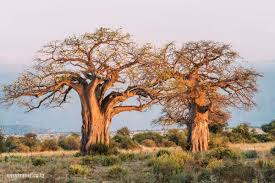
For centuries, baobab trees have held profound cultural, spiritual, and historical meaning across Africa, and Tarangire National Park is no exception. Long before the establishment of protected areas and modern tourism, communities living around what is now Tarangire developed deep relationships with these monumental trees. Baobab Trees of Tarangire were not viewed merely as elements of the landscape but as living symbols of life, endurance, and ancestral presence. Understanding this cultural and historical dimension adds depth to the tourism experience and strengthens the narrative value of Tarangire as a destination rooted in both nature and human heritage.
Indigenous communities such as the Maasai, Mbugwe, and Iraqw have lived alongside baobab-dominated landscapes for generations. In traditional belief systems, baobabs were often associated with spirits, ancestors, and divine protection. Their extraordinary longevity led many communities to regard them as sacred, with some trees believed to predate entire clans or settlements. Oral traditions describe baobabs as witnesses to history—silent observers of migrations, droughts, conflicts, and celebrations. These stories, passed down through generations, transformed the trees into cultural landmarks that connected people to their past and reinforced a sense of identity and continuity.
Historically, baobabs served as essential survival resources. Their hollow trunks were used as natural storage spaces for water, grain, and even shelter during extreme weather. In arid seasons, communities harvested baobab fruit and leaves as food sources rich in nutrients, while bark fibers were used to make ropes, mats, baskets, and clothing. This practical reliance fostered respect and sustainable use practices, ensuring the trees were preserved rather than exploited. The historical use of baobabs reflects an early model of sustainable living—one that modern conservation and eco-tourism initiatives now seek to revive and promote.
Within the Tarangire region, baobabs also played an important role in traditional navigation and territorial understanding. Large, uniquely shaped trees were used as meeting points, boundary markers, and orientation landmarks across vast savannahs. Elders often referenced specific trees when recounting historical events or settling disputes, reinforcing their role as reference points in both physical and cultural landscapes. This historical function aligns closely with the way modern safari guides still use prominent baobabs as orientation markers during game drives, demonstrating continuity between traditional knowledge and contemporary tourism practices.
Spiritual symbolism surrounding baobabs remains deeply embedded in local belief systems. Many communities believed that disturbing certain trees could bring misfortune, illness, or imbalance. Rituals, offerings, and ceremonies were sometimes conducted near baobabs to seek rain, fertility, or protection. Even today, some elders maintain these beliefs, and respect for sacred trees persists alongside modern conservation laws. Tourism companies that acknowledge and respect these traditions demonstrate cultural sensitivity, an increasingly important factor for ethical tourism and positive brand reputation. According to the Tanzania Tourism Board, cultural heritage interpretation significantly enhances visitor experience and destination value.
Colonial history also intersects with baobab landscapes in northern Tanzania. During early European exploration and trade routes, baobabs were frequently documented in travel journals as landmarks and symbols of the African interior. Explorers, missionaries, and traders used these trees for shade, rest, and orientation, often carving initials or symbols into the bark—a practice now prohibited within protected areas. These historical accounts contribute to the global fascination with African baobabs and laid the groundwork for their inclusion in early conservation narratives. Today, national park regulations ensure that such practices no longer threaten the integrity of these ancient trees.
In the modern tourism context, cultural storytelling around baobabs has become a powerful interpretive tool. Visitors to Tarangire are increasingly interested in learning not only about wildlife but also about the human history intertwined with the landscape. Guides trained in cultural interpretation explain how local communities interacted with baobabs, how traditional knowledge supported survival, and how these practices inform current conservation strategies. This storytelling transforms static scenery into meaningful experience, increasing visitor engagement and satisfaction. Educational tourism content that highlights Baobab Trees of Tarangire as cultural icons aligns strongly with Google’s emphasis on Experience, Expertise, Authoritativeness, and Trustworthiness (E-E-A-T).
The preservation of cultural heritage associated with baobabs is now closely linked to conservation and tourism policy. Protected status within Tarangire National Park ensures that ancient trees are safeguarded from logging, land conversion, and unsustainable use. At the same time, community-based tourism initiatives outside the park encourage local participation in heritage conservation. Programs supported by organizations such as the UN World Tourism Organization emphasize the integration of cultural heritage into sustainable tourism models, recognizing that conservation succeeds best when communities see tangible benefits.
For tourism companies, incorporating cultural and historical narratives into blog content strengthens SEO performance by expanding semantic relevance. Search engines increasingly reward long-form, authoritative content that addresses multiple dimensions of a topic. By covering history, culture, spirituality, and traditional knowledge, your blog captures a wider range of related search queries while maintaining a clear topical focus. This strategy improves dwell time, reduces bounce rates, and signals content depth to search algorithms—all essential for ranking competitively.
From a branding perspective, emphasizing cultural heritage positions your tourism company as more than a service provider; it establishes you as a storyteller and educator. Travelers are more likely to trust and book with companies that demonstrate respect for local cultures and contribute to heritage preservation. Highlighting the cultural significance of baobabs also supports responsible tourism messaging, encouraging visitors to view Tarangire not just as a safari destination but as a living cultural landscape shaped by centuries of human-nature interaction.
In conclusion, the cultural and historical meaning of baobabs in Tarangire adds a vital human dimension to the park’s ecological story. These trees are symbols of survival, spirituality, tradition, and continuity, deeply embedded in the identities of local communities. By presenting Baobab Trees of Tarangire as cultural and historical icons, tourism companies create richer narratives that resonate with travelers, meet modern SEO standards, and support sustainable tourism development. This approach not only enhances Google rankings but also contributes to the preservation of both natural and cultural heritage in northern Tanzania. For further reading on cultural tourism best practices, visit the UNESCO World Heritage and Tourism Programme.
3: Wildlife Dependence on Baobab Trees of Tarangire
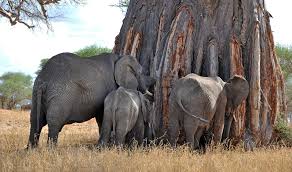
Wildlife survival in Tarangire National Park is deeply intertwined with the presence of baobab-dominated landscapes. The park is renowned for hosting one of the highest concentrations of wildlife in northern Tanzania during the dry season, and this phenomenon cannot be fully understood without examining the ecological relationship between animals and baobab trees. Baobab Trees of Tarangire function as critical support systems for mammals, birds, insects, and even microorganisms, providing food, water, shelter, and ecological stability in an environment defined by seasonal extremes. For tourism companies, highlighting this wildlife dependence strengthens content authority and aligns perfectly with high-intent safari and conservation search queries.
Tarangire’s wildlife patterns are largely shaped by water availability. During the dry season, when much of northern Tanzania becomes arid, animals migrate toward permanent water sources such as the Tarangire River. However, water alone is not enough to sustain large populations. Baobabs complement river systems by acting as natural reservoirs and food sources, enabling wildlife to survive prolonged droughts. Elephants, the park’s flagship species, demonstrate a particularly strong relationship with baobabs. Using their tusks and trunks, elephants strip bark from baobabs to access moisture-rich tissue beneath, especially during severe dry periods. While this interaction may appear destructive, baobabs possess remarkable regenerative abilities, allowing them to recover and continue supporting wildlife for decades.
Beyond elephants, many herbivores rely on baobab resources either directly or indirectly. Giraffes browse on surrounding vegetation that thrives in baobab-stabilized soils, while antelope species benefit from nutrient-rich grasses supported by the trees’ extensive root systems. Fallen baobab fruit provides essential nutrients to animals such as baboons, monkeys, warthogs, and rodents. These fruits are high in energy and vitamins, making them particularly valuable when other food sources are scarce. Through this nutritional support, Baobab Trees of Tarangire contribute to maintaining healthy animal populations and balanced food webs within the park.
Birdlife in Tarangire also shows strong dependence on baobab trees. The massive branches and cavities of mature baobabs offer ideal nesting and roosting sites for a wide variety of bird species, including hornbills, owls, starlings, and vultures. Some birds rely on baobab flowers for nectar, while others feed on insects attracted to the trees. The nocturnal flowering of baobabs attracts bats, which serve as primary pollinators and also become prey for larger birds of prey. This interconnected system highlights how a single tree species can support multiple trophic levels simultaneously, reinforcing the baobab’s role as a keystone species in Tarangire’s ecosystem.
Smaller wildlife species, often overlooked by visitors, are equally dependent on baobabs. Reptiles use crevices in baobab bark for shelter from predators and extreme temperatures, while insects thrive in the microhabitats created by cracks, hollows, and fallen debris. Termites, beetles, and ants contribute to nutrient cycling by breaking down organic matter around baobab bases, enriching the soil and supporting plant growth. This abundance of insects, in turn, supports insectivorous birds and mammals, demonstrating how baobabs indirectly sustain biodiversity across multiple ecological layers.
Predators benefit from baobab landscapes as well. Lions, leopards, and cheetahs often use baobab-rich areas as hunting grounds because herbivores congregate there during dry seasons. The shade provided by baobabs allows predators to conserve energy while stalking prey, particularly during the heat of the day. Additionally, the open visibility around large baobabs enables strategic positioning during hunts. This predator–prey dynamic enhances wildlife viewing opportunities, making baobab landscapes highly valuable from a tourism perspective. Safari guides frequently plan game drives around these areas, knowing they increase the likelihood of meaningful wildlife encounters.
Seasonal migration patterns in Tarangire further illustrate wildlife dependence on baobab ecosystems. During the wet season, animals disperse across wider areas as water and forage become abundant. When the dry season returns, herds converge back toward the Tarangire River and surrounding baobab-dominated zones. This predictable movement supports long-term wildlife monitoring, research, and tourism planning. According to the Tanzania National Parks Authority, Tarangire hosts one of the most significant dry-season wildlife concentrations in Tanzania, a phenomenon closely linked to the park’s vegetation structure and presence of drought-resistant tree species.
From a conservation standpoint, the loss or decline of baobabs would have cascading effects on wildlife populations. Reduced food availability, loss of nesting sites, and increased competition for water could destabilize the ecosystem, leading to population declines and altered migration patterns. Climate change poses a growing threat, as changes in rainfall and temperature may affect baobab regeneration and long-term survival. Conservation strategies increasingly recognize the need to protect not only animals but also the habitats and plant species that sustain them. Organizations such as the World Wildlife Fund emphasize habitat preservation as a cornerstone of effective wildlife conservation in savannah ecosystems.
For tourism companies, explaining wildlife dependence on baobabs adds scientific depth and storytelling value to content. Modern travelers seek understanding, not just observation. When visitors learn how elephants survive droughts, why birds nest in ancient trees, or how predators use baobab landscapes strategically, their safari experience becomes more meaningful. This depth of content improves user engagement metrics such as time on page and scroll depth—important signals for Google ranking algorithms. Educational, long-form content centered on Baobab Trees of Tarangire also aligns with E-E-A-T principles by demonstrating expertise and environmental awareness.
Community knowledge further enriches this narrative. Local guides and communities have long observed wildlife–baobab interactions, passing down knowledge about animal behavior, seasonal changes, and ecological balance. Incorporating this traditional ecological knowledge into tourism storytelling bridges science and culture, creating a holistic perspective that resonates with diverse audiences. This approach is strongly supported by sustainable tourism frameworks promoted by the UN World Tourism Organization, which advocates for integrating local knowledge into visitor experiences.
In conclusion, wildlife dependence on baobabs is a defining feature of Tarangire National Park. From elephants and birds to predators and insects, countless species rely on these ancient trees for survival, stability, and resilience. By highlighting how Baobab Trees of Tarangire sustain wildlife across seasons and ecological levels, tourism companies can produce authoritative, high-ranking content that educates readers, supports conservation messaging, and enhances safari appeal. This integrated approach strengthens SEO performance while promoting responsible tourism and deeper appreciation of Tarangire’s natural heritage.
4: Conservation and Climate Change Challenges Facing Baobab Trees of Tarangire
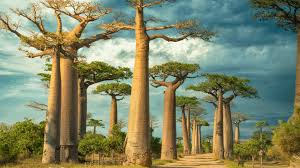
The long-term survival of Tarangire National Park’s unique landscape is increasingly influenced by conservation pressures and climate change. While the park remains one of Tanzania’s most important protected areas, environmental changes occurring both within and beyond its boundaries pose growing risks to its iconic vegetation. Among the most vulnerable elements of this ecosystem are the ancient baobabs, whose survival depends on stable climatic patterns, healthy soils, and effective conservation management. Understanding the conservation challenges surrounding Baobab Trees of Tarangire is essential for tourism companies aiming to educate travelers, promote sustainability, and align their content with global environmental concerns.
Climate change represents one of the most significant threats to baobab longevity. Rising temperatures, shifting rainfall patterns, and prolonged droughts disrupt the natural growth and regeneration cycles of these trees. Baobabs are highly resilient, but they rely on predictable wet and dry seasons to store water, flower, and produce fruit. Increasing climate variability affects seed germination and young tree survival, raising concerns about whether new generations of baobabs can replace aging giants. Scientific studies across Africa have already documented unexpected baobab deaths linked to climate stress, highlighting the urgency of proactive conservation strategies. According to the International Union for Conservation of Nature, climate resilience must now be a central focus of long-term ecosystem management.
Human activity outside protected areas further compounds these challenges. While Tarangire National Park itself offers legal protection, surrounding lands face pressure from agriculture, settlement expansion, and deforestation. Changes in land use alter water flow, soil quality, and wildlife migration corridors, indirectly affecting the health of vegetation within the park. Baobabs near park boundaries are particularly vulnerable to reduced groundwater availability and environmental degradation. Conservation experts emphasize that ecosystem protection cannot be limited to park borders alone but must include buffer zones and community-based land management strategies. This landscape-level approach is strongly supported by the World Wildlife Fund, which advocates integrated conservation planning.
Another major conservation concern is the slow regeneration rate of baobabs. Unlike fast-growing trees, baobabs take decades—sometimes centuries—to reach maturity. Even when seeds are successfully dispersed, young saplings face threats from grazing animals, drought, and competition with invasive plant species. Elephants, while essential to Tarangire’s ecological identity, can unintentionally damage young trees through browsing and trampling. Conservation strategies must therefore balance wildlife protection with vegetation recovery, ensuring that ecosystem components support rather than undermine one another. Research-backed park management policies play a crucial role in maintaining this delicate equilibrium.
Fire management is also a critical factor in baobab conservation. Natural fires have historically been part of savannah ecosystems, but increased frequency and intensity—often linked to human activity—can damage young trees and disrupt soil nutrients. Uncontrolled fires reduce vegetation cover, accelerate erosion, and alter habitat structure. Tarangire’s park authorities implement controlled burning and fire monitoring programs to minimize these risks. Tourism companies that explain these behind-the-scenes conservation efforts help visitors appreciate the complexity of ecosystem management beyond what is visible on a game drive. The Tanzania National Parks Authority regularly publishes guidelines emphasizing fire control as a key conservation priority.
Community involvement is increasingly recognized as essential for effective conservation. Local communities living near Tarangire have historically depended on natural resources for survival, making their participation vital in protecting the ecosystem. Community-based conservation initiatives promote sustainable land use, alternative livelihoods, and environmental education. When communities benefit economically from tourism, they are more likely to support conservation goals. Highlighting this connection between people and nature strengthens tourism narratives and aligns with sustainable tourism principles promoted by the UN World Tourism Organization.
From a tourism perspective, conservation-focused storytelling enhances both ethical value and SEO performance. Search engines prioritize content that demonstrates authority, relevance, and trustworthiness, particularly for nature and travel topics. Explaining conservation challenges, climate impacts, and management solutions positions your tourism company as a responsible and knowledgeable source. When travelers understand the fragility of ancient trees and the efforts required to protect them, they develop a deeper appreciation for the destination and are more likely to support conservation-friendly operators. This educational depth contributes to longer page engagement and stronger ranking signals.
Technology and research are also playing an increasing role in baobab conservation. Satellite monitoring, climate modeling, and ecological surveys help scientists track changes in vegetation health and predict future risks. Data-driven conservation allows park authorities to adapt management strategies in response to emerging threats. Integrating references to scientific research and conservation monitoring into your blog reinforces credibility and aligns content with evidence-based practices, an important factor for meeting Google’s E-E-A-T standards.
Looking ahead, the future of Tarangire’s iconic landscape will depend on coordinated action across multiple levels—government agencies, conservation organizations, local communities, and the tourism sector. Protecting Baobab Trees of Tarangire requires long-term planning that addresses climate adaptation, habitat connectivity, education, and sustainable tourism development. Tourism companies have a unique platform to amplify these messages, influencing traveler behavior and supporting conservation outcomes through responsible storytelling and ethical marketing.
In conclusion, conservation and climate change challenges pose real and growing risks to Tarangire’s ancient baobabs. However, through effective park management, community engagement, scientific research, and responsible tourism practices, these challenges can be addressed. By educating travelers about environmental pressures and conservation solutions, tourism companies contribute not only to awareness but also to the long-term protection of one of Tanzania’s most iconic natural treasures. Content that communicates these issues clearly and authoritatively strengthens SEO performance while supporting the broader mission of sustainable tourism.
5: Tourism Value and Visitor Experience Shaped by Baobab Trees of Tarangire
Tourism in Tarangire National Park is deeply influenced by the presence of its iconic landscapes, and few natural features shape visitor experience as profoundly as the ancient baobab. For many travelers, the first visual memory of Tarangire is not a lion or an elephant, but the silhouette of massive baobabs rising from the savannah under an endless African sky. Baobab Trees of Tarangire are not merely background scenery; they are central to the park’s identity and a defining element of its tourism appeal. Their presence enhances aesthetic value, storytelling potential, photographic opportunities, and emotional connection, all of which contribute significantly to the overall visitor experience.
From a visual and experiential standpoint, baobab-dominated landscapes create a sense of scale and timelessness that few destinations can match. These towering trees, some older than many civilizations, immediately evoke wonder and curiosity. Visitors often describe feelings of humility and awe when standing beneath a baobab, realizing they are encountering a living organism that has survived centuries of environmental change. This emotional response is a powerful driver of memorable travel experiences. Tourism psychology research shows that emotional engagement increases satisfaction and the likelihood of positive reviews, repeat visits, and word-of-mouth promotion—critical factors for tourism businesses operating in competitive safari markets.
Photography and visual storytelling are major components of modern tourism, particularly in safari destinations. Baobabs provide dramatic compositions for wildlife photography, framing elephants, giraffes, and birds against striking natural backdrops. Sunrise and sunset scenes featuring baobabs are among the most shared images from Tarangire on social media platforms, indirectly marketing the destination to global audiences. For tourism companies, this visual appeal translates into strong digital content opportunities, including blogs, social media posts, and promotional materials that enhance online visibility and organic reach. High-quality content centered on baobab landscapes aligns well with image-driven search intent and improves engagement metrics valued by search engines.
Game drive experiences are also enhanced by the presence of baobabs. Guides often use these trees as natural reference points while explaining animal behavior, migration patterns, and ecological relationships. When elephants gather around baobabs during dry seasons, visitors witness firsthand the interaction between flora and fauna, transforming abstract ecological concepts into tangible experiences. This interpretive approach elevates the quality of safari guiding and distinguishes knowledgeable operators from generic tour providers. According to the Tanzania National Parks Authority, visitor satisfaction is strongly influenced by educational value and guide expertise, both of which are amplified through landscape-based storytelling.
Cultural interpretation further enriches the tourism value of baobab landscapes. Many visitors are eager to learn not only about wildlife but also about the human history connected to the land they are exploring. Guides who explain traditional beliefs, historical uses, and symbolic meanings associated with baobabs add cultural depth to the experience. This storytelling fosters respect for local heritage and enhances cross-cultural understanding. Tourism companies that integrate cultural narratives into their itineraries meet growing demand for meaningful, responsible travel experiences rather than surface-level sightseeing.
Walking safaris and photographic safaris in Tarangire particularly benefit from baobab-rich areas. On foot, visitors can observe textures, bark patterns, insect life, and plant interactions that are often missed during vehicle-based safaris. Baobabs act as focal points during these slower, immersive experiences, encouraging mindfulness and deeper connection with nature. This form of low-impact tourism aligns with sustainable travel trends and appeals to high-value travelers seeking exclusivity and authenticity. Organizations such as the UN World Tourism Organization consistently highlight experiential and nature-based tourism as key growth areas in the global travel market.
From a business and marketing perspective, baobabs strengthen destination branding. Tarangire is often distinguished from other northern circuit parks precisely because of its baobab-studded scenery. While Serengeti is associated with endless plains and Ngorongoro with its crater, Tarangire’s brand identity is inseparable from its ancient trees. Tourism companies that emphasize this uniqueness in their blogs, itineraries, and digital marketing position themselves more effectively in search results and consumer perception. This differentiation is essential for SEO, as it aligns content closely with specific search intent rather than competing broadly with generic safari terms.
Sustainable tourism messaging also gains credibility when anchored in baobab landscapes. Visitors are more receptive to conservation messages when they have emotionally connected with the environment. Seeing the scale, age, and vulnerability of ancient trees helps travelers understand why protection matters. Tourism operators who educate guests about conservation efforts, climate challenges, and responsible behavior contribute to long-term preservation while enhancing brand trust. This approach aligns with best practices recommended by conservation-focused organizations such as the World Wildlife Fund, which emphasizes the role of tourism in environmental awareness.
Economic benefits linked to baobab-centered tourism extend beyond park boundaries. Local communities benefit from employment opportunities as guides, drivers, lodge staff, artisans, and cultural interpreters. Community-based tourism initiatives that include village visits, cultural demonstrations, or handicraft markets create additional value chains connected to the park’s natural heritage. When tourism revenue supports local livelihoods, conservation outcomes improve, creating a positive feedback loop between visitor experience and environmental protection. Highlighting this connection strengthens ethical branding and aligns with responsible tourism standards.
Digital content performance is another area where baobab-focused storytelling excels. Long-form blog content that explores landscapes, wildlife interactions, cultural meaning, and visitor experience demonstrates topical authority—an important ranking factor for Google. By covering multiple dimensions of the visitor journey, tourism companies increase dwell time, reduce bounce rates, and capture a broader range of related search queries. Content centered on Baobab Trees of Tarangire naturally attracts readers interested in photography, safaris, conservation, and African landscapes, increasing organic traffic potential without keyword stuffing.
In conclusion, the tourism value of Tarangire National Park is deeply shaped by its baobab landscapes. These ancient trees enhance visual appeal, storytelling depth, educational value, and emotional connection, transforming ordinary safaris into unforgettable experiences. By centering visitor narratives around Baobab Trees of Tarangire, tourism companies can create high-quality, SEO-optimized content that resonates with travelers, meets Google ranking standards, and supports sustainable tourism development. This approach not only drives online visibility and bookings but also contributes to the long-term appreciation and protection of one of Tanzania’s most iconic natural landscapes. For further insights into sustainable destination branding and visitor experience design, refer to the UNESCO Sustainable Tourism Programme.
