
January 30, 2026

Discover essential Swahili words every traveler should know before visiting East Africa. Learn simple phrases to communicate better, connect with locals, and travel confidently across the region.
https://nativesonexpeditions.com/blogs/
Traveling to East Africa is a deeply enriching experience that blends breathtaking landscapes, vibrant wildlife, and a strong sense of community rooted in language and culture. While English is widely spoken in urban areas and tourist centers, Swahili remains the heartbeat of everyday communication across countries such as Tanzania, Kenya, and parts of Uganda. For international tourists, understanding why learning even a small amount of Swahili matters can transform a trip from a simple vacation into a meaningful cultural journey. This section explores the importance of Swahili, its regional relevance, and how language shapes interactions, trust, and safety while traveling in East Africa.
Swahili, also known as Kiswahili, is one of the most widely spoken languages in Africa, with over 100 million speakers across the continent. It serves as a unifying language among diverse ethnic groups, especially in East Africa where hundreds of local languages exist. For travelers, this means that learning basic Swahili does not limit communication to one country or tribe; instead, it opens doors across borders, markets, villages, and cities. When a traveler uses Swahili, even at a beginner level, it signals respect, curiosity, and willingness to engage with local culture rather than observing it from a distance.
One of the most powerful benefits of learning basic Swahili is the immediate improvement in human connection. In many East African communities, greetings are not rushed formalities but an essential social ritual. A simple Swahili greeting can lead to warmer smiles, longer conversations, and genuine hospitality. Locals often appreciate the effort more than linguistic perfection. This emotional response is rooted in history—Swahili developed as a trade language along the East African coast, bringing together people from Africa, Arabia, and beyond. Today, it still carries that spirit of connection and mutual understanding.
From a practical standpoint, Swahili enhances everyday travel efficiency. Public transportation, local markets, street food vendors, and small lodges often operate primarily in Swahili. While prices may be listed in numbers, negotiation, directions, and casual questions are usually handled in the local language. Knowing how to ask simple questions or understand basic responses reduces confusion, saves time, and minimizes the stress that often accompanies travel in unfamiliar environments. It also helps travelers avoid misunderstandings that can arise from cultural or language barriers.
Safety is another critical reason travelers should invest time in learning Swahili. Understanding common words and phrases allows visitors to better interpret their surroundings, follow instructions, and respond appropriately in unexpected situations. For example, recognizing directional words, warnings, or emergency-related language can be crucial in crowded areas or rural settings. While East Africa is generally welcoming to tourists, being linguistically aware adds an extra layer of confidence and preparedness that every traveler values.
Cultural immersion is at the heart of meaningful travel, and language is the gateway to that immersion. Swahili reflects the values of East African societies, emphasizing respect, community, and patience. Many Swahili expressions are indirect and polite, mirroring social norms that prioritize harmony and mutual respect. By learning Swahili, travelers gain insight into how people think, relate, and express emotions. This understanding deepens appreciation for local customs, traditions, and daily life beyond what guidebooks can offer.
For international tourists, especially those visiting for safaris, cultural tours, volunteer programs, or extended stays, Swahili becomes even more valuable. Safari guides, drivers, and local hosts often switch between English and Swahili when speaking among themselves. A traveler who understands basic Swahili can follow conversations more easily and feel included rather than isolated. This shared linguistic space fosters trust and authenticity, enhancing the overall travel experience.
It is also important to note that Swahili is recognized as an official language in several East African nations and is used in education, government, and media. According to Britannica, Swahili is one of the most influential African languages due to its wide geographic reach and historical role in trade and diplomacy. You can explore more about its origins and significance through authoritative sources like Britannica’s language resources: https://www.britannica.com/topic/Swahili-language. Understanding this background helps travelers appreciate that Swahili is not merely a tourist convenience but a living, evolving language central to regional identity.
Another authoritative reference comes from UNESCO, which recognizes Swahili as an important cultural language that promotes unity and cross-cultural communication in Africa. UNESCO’s support highlights the language’s global relevance and reinforces why travelers benefit from learning it. More information on Swahili’s cultural impact can be found via UNESCO’s official language and culture publications: https://www.unesco.org. These external resources confirm that Swahili is deeply embedded in social, political, and cultural life across East Africa.
The psychological impact of language learning should not be underestimated. Travelers who make the effort to speak Swahili often report feeling more confident, independent, and adventurous. Instead of relying solely on guides or translators, they navigate spaces with greater autonomy. This confidence encourages exploration of less-touristy areas, leading to more authentic experiences and memorable interactions. In many cases, locals go out of their way to help travelers who show interest in their language, creating moments of kindness that define a trip long after it ends.
For tourism companies, promoting language awareness aligns perfectly with responsible and sustainable tourism principles. Encouraging travelers to learn Swahili supports cultural preservation and respectful engagement. It shifts tourism from passive consumption to active participation. This is why guides and travel experts frequently emphasize the importance of Swahili words every traveler should know when preparing for an East African journey. Language becomes a bridge rather than a barrier, benefiting both visitors and host communities.
Moreover, learning Swahili does not require years of study to be effective. The language is relatively phonetic, meaning words are pronounced as they are written, which makes it accessible to beginners. Even mastering a small vocabulary can dramatically improve communication. This accessibility makes Swahili particularly suitable for travelers who want quick, practical language skills before departure. Travel preparation that includes language learning often results in smoother transitions upon arrival and a faster sense of belonging.
As global travel becomes more experience-driven, tourists increasingly seek authentic connections rather than surface-level attractions. Swahili plays a key role in unlocking these experiences. Whether sharing a laugh with a market vendor, thanking a driver, or greeting a village elder, language transforms ordinary moments into meaningful exchanges. This is why many travel experts agree that understanding Swahili words every traveler should know is not just helpful but essential for anyone visiting East Africa with curiosity and respect.
Finally, learning Swahili demonstrates cultural humility—an acknowledgment that travelers are guests in another society. This mindset fosters mutual respect and reduces the cultural divide that sometimes exists between tourists and locals. In a region as culturally rich and diverse as East Africa, this respect goes a long way. By embracing the language, travelers honor the people who make their journeys possible and create memories grounded in genuine human connection. This is the deeper value behind learning Swahili words every traveler should know, and it sets the foundation for the practical vocabulary explored in the next sections of this guide.
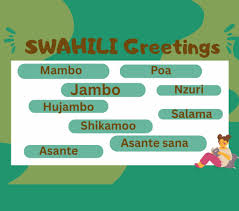
Greetings form the foundation of communication in East African culture, and understanding how to greet people in Swahili is one of the most powerful tools an international traveler can possess. In many Western cultures, greetings may be brief or informal, but in East Africa, they carry social meaning and reflect respect, warmth, and good intentions. Whether interacting with hotel staff, market vendors, safari guides, or local families, the way a traveler greets others often determines the tone of the entire interaction. This section explores essential Swahili greetings and polite expressions that every visitor to East Africa should understand to communicate respectfully and effectively.
In Swahili-speaking communities, greetings are rarely rushed. A simple “hello” is often followed by inquiries about one’s well-being, family, or journey. This is not idle conversation; it is a cultural expectation that builds trust and social harmony. Travelers who skip greetings or appear impatient may unintentionally come across as rude, even if no offense is intended. Learning proper Swahili greetings allows travelers to participate in this cultural rhythm and immediately create positive impressions.
One of the most common greetings in Swahili is “Jambo,” which is widely used and understood, especially with foreigners. However, locals often prefer “Habari,” which translates loosely to “news” and is used as a general greeting. When someone says “Habari,” the expected response is not silence but an acknowledgment such as “Nzuri,” meaning “good,” or “Salama,” meaning “peaceful.” This exchange demonstrates mutual respect and friendliness. For travelers, mastering this simple interaction can dramatically change how locals respond to them.
Time-specific greetings are also important in Swahili. “Habari za asubuhi” is used in the morning, “Habari za mchana” in the afternoon, and “Habari za jioni” in the evening. While locals may not expect tourists to know all variations, using them shows effort and cultural sensitivity. Even attempting these phrases often leads to smiles, encouragement, and sometimes impromptu language lessons from friendly locals.
Politeness is deeply embedded in Swahili communication. Words such as “tafadhali” (please) and “asante” (thank you) are used frequently in daily interactions. Saying “asante sana” adds emphasis and expresses deeper gratitude. In many situations, politeness can be more important than grammatical accuracy. A traveler who uses polite expressions, even imperfectly, is usually received far more warmly than one who speaks fluent English without courtesy.
Another key expression is “karibu,” which means “welcome” or “come closer.” This word reflects the hospitality that East Africa is known for. Travelers will hear “karibu” when entering shops, homes, or even countries. Responding with “asante” acknowledges the welcome and reinforces mutual respect. Understanding such exchanges helps travelers feel more connected and less like outsiders.
Titles and respectful forms of address also play an important role in Swahili-speaking societies. Using “bwana” (sir) or “bi” (madam) when addressing someone politely can elevate an interaction, especially in formal or service-related settings. Elders, in particular, are treated with high respect, and greeting them properly is essential. A traveler who shows respect to elders often gains the respect of the entire community.
Swahili greetings are also closely tied to body language. A handshake is common, often softer and longer than in Western cultures. Using the right hand is important, as the left hand is traditionally considered inappropriate for greetings or exchanges. Eye contact should be respectful but not overly intense, especially when greeting elders. Understanding these non-verbal aspects alongside spoken greetings enhances communication and reduces cultural misunderstandings.
For travelers visiting rural areas or smaller towns, greetings become even more significant. In such communities, people notice newcomers quickly, and greeting passersby is a sign of goodwill. A traveler who greets people in Swahili while walking through a village or neighborhood is often seen as friendly and respectful. This can lead to spontaneous conversations, invitations, or assistance that would not otherwise occur.
From a tourism perspective, greetings influence service quality and overall experience. Hotel staff, drivers, and guides often go above and beyond for travelers who acknowledge them politely and use basic Swahili. These small efforts build rapport and create a more relaxed, cooperative atmosphere. This is one reason why many travel professionals emphasize learning greetings as part of Swahili words every traveler should know, especially for first-time visitors to East Africa.
It is also important to recognize regional variations in greeting styles. Coastal areas with strong Islamic influence may use Arabic-derived greetings such as “Salaam aleikum,” to which the response is “Wa aleikum salaam.” While not required for all travelers, recognizing and responding appropriately in these regions demonstrates cultural awareness. This is particularly relevant in places like Zanzibar and coastal Kenya, where Swahili culture has deep historical roots.
Authoritative linguistic sources such as Ethnologue confirm that Swahili functions as both a national and regional lingua franca, emphasizing its role in daily social interaction across East Africa. More information about Swahili usage and distribution can be found through Ethnologue’s official language database: https://www.ethnologue.com. This reinforces why greetings are not optional niceties but essential communication tools in Swahili-speaking societies.
In addition, BBC Languages has highlighted Swahili as one of the easiest African languages for beginners due to its phonetic structure and logical grammar. Their educational resources emphasize greetings as the starting point for effective communication. You can explore their language learning insights at: https://www.bbc.co.uk/languages. These authoritative perspectives support the idea that mastering greetings offers high value with relatively low effort for travelers.
Polite expressions also help travelers navigate challenging situations gracefully. Whether declining an offer, asking for help, or resolving misunderstandings, polite language reduces tension and fosters cooperation. Phrases like “samahani” (excuse me/sorry) are essential in crowded places, public transport, or when seeking attention. This word is used generously in Swahili culture and is a sign of humility rather than weakness.
For international tourists, greetings act as cultural currency. They communicate openness, respect, and willingness to engage. Travelers who ignore greetings may unintentionally reinforce stereotypes of tourists as detached or arrogant. In contrast, those who greet in Swahili often find barriers dissolving quickly. This is why greetings are consistently listed among the most important Swahili words every traveler should know when preparing for East Africa.
Another often-overlooked aspect is how greetings change social dynamics. A traveler who greets a vendor politely may receive fairer prices, clearer explanations, and friendlier service. While bargaining is common in markets, respect and politeness influence outcomes more than aggressive negotiation tactics. Greetings set the tone for these interactions and can lead to more positive experiences for both parties.
Learning greetings also supports responsible tourism. By engaging respectfully, travelers contribute to mutual understanding rather than cultural exploitation. This aligns with sustainable tourism principles promoted by organizations such as the United Nations World Tourism Organization (UNWTO), which emphasizes respect for host communities and cultural heritage. More about responsible tourism practices can be found at: https://www.unwto.org. Incorporating local language use, especially greetings, directly supports these values.
Ultimately, Swahili greetings and polite expressions are not just words; they are expressions of cultural values. They reflect patience, respect, and community orientation. For travelers, adopting these values through language enhances not only communication but also personal growth. Many visitors report that learning Swahili greetings changes how they perceive East Africa, shifting from a destination to be observed into a community to be engaged with.
As travelers move deeper into their East African journeys, greetings become the gateway to more complex conversations and cultural understanding. They lay the groundwork for asking questions, sharing stories, and building genuine relationships. This foundational role is why greetings remain central to any guide on Swahili words every traveler should know, preparing visitors for richer and more respectful travel experiences.
Moving from one place to another is a central part of any travel experience, and in East Africa, transportation often involves a mix of modern systems and local methods deeply rooted in everyday life. From navigating busy city streets to traveling between towns, national parks, and rural villages, understanding basic Swahili words related to directions and transportation can significantly improve a traveler’s confidence and independence. This section focuses on how Swahili helps international tourists navigate East Africa more smoothly, safely, and respectfully.
East African cities such as Nairobi, Dar es Salaam, and Arusha are dynamic and fast-growing, yet they do not always rely on rigid address systems or digital navigation tools. Directions are frequently given using landmarks rather than street names. Asking for directions in English may work in tourist areas, but outside those zones, Swahili becomes essential. Simple directional words like “kushoto” (left), “kulia” (right), “moja kwa moja” (straight ahead), and “karibu” (near) appear constantly in everyday conversations. Travelers who understand these terms can follow instructions more easily and avoid unnecessary confusion.
Public transportation in East Africa is an experience in itself and offers deep cultural insight. Local minibuses, known as “dala dala” in Tanzania and “matatu” in Kenya, operate primarily in Swahili. Conductors announce destinations, stops, and prices in the local language, often quickly and loudly. For international tourists, recognizing common transportation vocabulary makes these systems less intimidating and more accessible. Even understanding destination names when shouted can prevent travelers from boarding the wrong vehicle or missing their stop.
Asking about distance and time is another practical skill. Words such as “mbali” (far), “karibu” (near), “dakika” (minutes), and “saa” (hours or time) are frequently used when discussing travel plans. In East Africa, time is often communicated flexibly, and responses may be approximate rather than exact. A traveler familiar with these terms is better equipped to interpret answers realistically and plan accordingly without frustration.
Taxis and ride services are common in major cities, but many drivers feel more comfortable speaking Swahili. Even when English is spoken, switching to basic Swahili phrases can improve communication and rapport. Simple phrases related to destination, price, or route often lead to smoother negotiations and clearer understanding. This practical benefit is one reason transportation vocabulary consistently appears in lists of Swahili words every traveler should know when preparing for East African travel.
Travel between cities and regions often involves buses, trains, or domestic flights. Bus stations can be crowded and chaotic, with announcements and ticket discussions happening primarily in Swahili. Understanding basic travel-related words helps travelers identify the right counters, ask about departure times, and confirm destinations. It also reduces reliance on strangers, increasing both confidence and personal safety.
In rural areas, transportation may involve motorcycles (known as “bodaboda”), bicycles, boats, or walking. Asking simple questions such as where a path leads or how long a journey will take can be crucial. Swahili terms related to directions and movement are especially useful here, as English is less commonly spoken. Travelers who can communicate basic transportation needs in Swahili are more likely to receive accurate guidance and assistance.
Cultural norms also play a role in how directions are given. In many East African communities, people are willing to help and may give directions even if they are not completely sure. Polite language and patience are important when asking for help. Using Swahili expressions demonstrates respect and often encourages locals to take extra time to assist. This human connection is part of what makes travel in East Africa memorable.
Authoritative travel and language resources such as Lonely Planet emphasize the importance of understanding local transportation systems and basic language skills when traveling in Africa. Their guides highlight that learning key local terms improves both efficiency and cultural engagement. More insights into East African travel logistics can be found through Lonely Planet’s official travel resources: https://www.lonelyplanet.com. This supports the idea that language and mobility are closely linked for successful travel.
Similarly, National Geographic has documented how local transport networks shape daily life across East Africa, noting that communication in Swahili is central to navigating these systems. Their cultural and travel features underline the importance of language awareness when exploring regions beyond major tourist hubs. You can explore related content through National Geographic’s travel section: https://www.nationalgeographic.com. These authoritative perspectives reinforce the value of transportation-related Swahili vocabulary for travelers.
Understanding numbers in Swahili also plays a key role in transportation. Prices, distances, and times are frequently communicated numerically. Recognizing basic numbers helps travelers avoid overpaying, confirm fares, and understand schedules. While detailed numbers will be covered in another section, it is important to note that transportation and numbers are closely connected in everyday travel situations.
Navigation is not only about reaching destinations but also about feeling oriented and secure. Travelers who understand basic Swahili directions are less likely to feel lost or overwhelmed. This confidence encourages exploration beyond well-known tourist routes, leading to richer cultural experiences. Many visitors discover that once they overcome the initial fear of getting around, East Africa becomes more accessible and welcoming.
Transportation language also enhances interactions with guides and drivers. Safari experiences, for example, often involve long drives and frequent stops. Guides may explain routes, distances, or timing in Swahili when speaking with colleagues. A traveler who understands some of this vocabulary gains deeper insight into the journey and feels more engaged in the experience rather than simply being a passenger.
For international tourists, mastering transportation-related Swahili is a step toward independence. It reduces dependence on structured tours and allows for spontaneous travel decisions. This flexibility is especially valuable for travelers who enjoy slow travel or extended stays. It is for this reason that transportation vocabulary remains a core component of Swahili words every traveler should know for East Africa.
Beyond practicality, language use during travel reflects attitude. A traveler who makes the effort to communicate in Swahili while asking for directions shows humility and respect. This often leads to warmer responses and a greater willingness from locals to help. Such interactions leave lasting impressions and contribute to positive cross-cultural exchange.
As travelers continue to move through East Africa, transportation becomes a daily activity rather than a logistical challenge. Swahili transforms from a tool into a companion, guiding travelers through cities, villages, and landscapes. This growing familiarity lays the foundation for deeper engagement with local life, which will be further explored in the next section focusing on everyday interactions and market language.
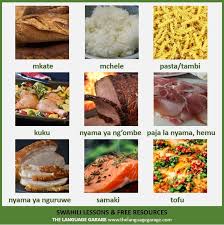
Food, markets, and everyday transactions are at the heart of life in East Africa, and for international tourists, these spaces offer some of the most authentic and memorable travel experiences. From bustling open-air markets and roadside food stalls to small local shops and family-run restaurants, daily interactions often take place in Swahili. Understanding basic Swahili words related to food and shopping allows travelers to move beyond tourist menus and fixed-price shops and engage directly with local life in a respectful and confident way.
Markets are social spaces as much as they are commercial ones. Vendors greet customers warmly, conversations flow freely, and bargaining is often part of the experience. For travelers, knowing how to greet, ask questions, and respond politely in Swahili changes the dynamic from transactional to relational. Even a few well-chosen words can turn a simple purchase into a friendly exchange, creating moments of connection that define travel memories.
Food vocabulary is especially important because eating is a daily necessity and a cultural experience. Many traditional dishes are not always clearly explained in English, especially in local eateries. Understanding common Swahili food terms helps travelers make informed choices and discover local flavors with confidence. Words related to staples such as rice, maize, beans, bananas, and meat appear frequently on menus and in conversations. Asking simple questions in Swahili about ingredients or preparation shows curiosity and respect for local cuisine.
Street food is popular across East Africa and offers affordable, flavorful meals. Vendors may not speak English, but they are usually patient and encouraging when travelers attempt Swahili. Knowing how to ask for food, quantities, or prices makes these interactions smoother and more enjoyable. It also reduces the risk of misunderstandings, especially for travelers with dietary restrictions. Language becomes a practical tool for comfort and safety.
Shopping in local markets often involves negotiation, and language plays a crucial role in this process. Bargaining is not about confrontation but about social interaction. Polite greetings, friendly humor, and respectful language are key elements. Travelers who immediately ask for prices without greeting may be perceived as rude or rushed. In contrast, those who engage politely in Swahili often receive fairer prices and a warmer reception. This is one reason market language is frequently highlighted among Swahili words every traveler should know for East Africa.
Numbers are essential in shopping situations. Prices, quantities, and measurements are usually communicated verbally. Understanding basic numbers helps travelers confirm costs and avoid confusion. While vendors may sometimes quote higher prices to tourists, polite negotiation conducted in Swahili often leads to more honest exchanges. Language reduces the “outsider” barrier and builds mutual trust.
Daily interactions extend beyond markets and food. Travelers frequently need to ask for basic services such as laundry, phone credit, water, or internet access. In many neighborhoods, small shops known as “dukas” provide these services and operate almost entirely in Swahili. Being able to ask simple questions or understand responses empowers travelers to manage daily needs independently without constant reliance on guides or hotel staff.
Politeness remains central in all daily interactions. Words expressing gratitude, apology, and request soften conversations and reflect cultural values. In Swahili-speaking societies, patience and courtesy are highly respected. Travelers who rush or speak bluntly may unintentionally create discomfort. Using polite Swahili expressions helps maintain harmony and demonstrates cultural awareness.
Food customs also carry cultural meaning. Sharing food, eating together, and asking about meals are ways people connect. When travelers show interest in local dishes using Swahili, it often leads to storytelling and explanations about tradition and family. These conversations provide insight into local life that cannot be found in guidebooks. Language becomes a bridge to understanding values, history, and identity.
Authoritative cultural and travel research from National Geographic highlights how markets and food systems reflect community life in East Africa. Their reporting emphasizes that markets are centers of social interaction, not just commerce. More insights into African food culture and markets can be explored through National Geographic’s culture and travel resources: https://www.nationalgeographic.com. This supports the idea that language is essential for fully engaging with these spaces.
Similarly, FAO (Food and Agriculture Organization of the United Nations) documents the importance of local markets in East African economies and daily life. Their publications show how food systems connect farmers, vendors, and consumers through shared language and cultural practices. More information can be found on FAO’s official website: https://www.fao.org. These authoritative sources reinforce why understanding food-related language is valuable for travelers.
Shopping etiquette in East Africa also involves non-verbal communication. Smiling, taking time, and showing appreciation matter as much as words. Language enhances these gestures and helps travelers read social cues more accurately. When travelers combine polite Swahili with respectful behavior, they are more likely to be welcomed and assisted.
For international tourists, mastering daily interaction vocabulary reduces stress and increases confidence. Instead of feeling hesitant or dependent, travelers navigate markets and shops with ease. This independence encourages exploration beyond tourist-heavy areas, leading to more authentic experiences. It is through these everyday moments that travelers truly engage with local culture.
Local markets are also places where travelers can support communities directly. Buying from small vendors contributes to local livelihoods. Communicating in Swahili strengthens this exchange by acknowledging the vendor as a person rather than just a service provider. This ethical dimension of language aligns with responsible tourism principles promoted by global organizations.
Food safety and preferences are another area where language matters. Being able to ask how food is prepared or whether certain ingredients are included helps travelers make choices aligned with their health needs. Swahili vocabulary allows travelers to clarify these details rather than guessing or avoiding local food altogether.
As travelers become more comfortable with Swahili in daily situations, their interactions grow more natural and spontaneous. What begins as memorized phrases gradually turns into real communication. This progression is deeply satisfying and often becomes one of the most rewarding aspects of travel. Many visitors report that daily conversations in markets and eateries are among their most cherished memories.
These practical and cultural benefits explain why daily interaction vocabulary is a core part of Swahili words every traveler should know. Language transforms routine tasks into meaningful experiences and allows travelers to participate, even briefly, in the rhythm of local life. It moves travel from observation to participation.
As travelers continue their journeys, the confidence gained from navigating food, markets, and daily interactions prepares them for deeper cultural engagement. The next section will build on this foundation by exploring Swahili words related to emergencies, health, and safety—areas where language can make a critical difference.
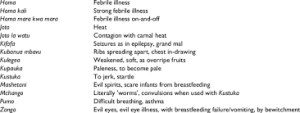
Health, safety, and emergency preparedness are critical aspects of travel, especially when visiting a region for the first time. For international tourists visiting East Africa, understanding basic Swahili words related to these areas can make a significant difference in how effectively they respond to unexpected situations. While many healthcare providers and tourism professionals speak English, emergencies and daily safety interactions often occur in environments where Swahili is the primary language. This section explores how Swahili supports traveler well-being, enhances safety, and promotes responsible travel practices across East Africa.
One of the most important reasons to learn health-related Swahili vocabulary is the ability to communicate symptoms or needs clearly. In clinics, pharmacies, or rural health centers, English may not always be available. Being able to express discomfort, pain, or urgency in Swahili helps medical staff respond more quickly and accurately. Even simple words indicating sickness, injury, or need for help can save valuable time and reduce anxiety in stressful situations.
Pharmacies are common in towns and cities throughout East Africa, and many travelers rely on them for basic medications. Knowing how to ask for medicine, describe common ailments, or understand dosage instructions in Swahili improves safety and prevents misuse. While pharmacists may understand English, switching to Swahili often leads to clearer explanations and a more attentive response. Language builds trust, which is especially important when health is involved.
Emergency situations are another area where Swahili knowledge is invaluable. Accidents, sudden illness, or security concerns require immediate communication. Words and phrases used to call for help, alert others, or seek assistance are essential for travelers moving beyond controlled tourist environments. In crowded places such as markets, bus stations, or public events, shouting or signaling in Swahili is far more effective than using a foreign language that bystanders may not understand.
Understanding safety-related language also helps travelers interpret their surroundings. Warning signs, public announcements, and instructions are often displayed or spoken in Swahili. Recognizing key terms related to danger, caution, or restriction helps travelers make informed decisions and avoid risky situations. This awareness contributes to overall situational intelligence, which is a cornerstone of safe travel.
Interactions with local authorities, such as police or park rangers, may also involve Swahili. While officials often speak English, initial communication may begin in the local language. Knowing basic respectful expressions and key terms related to identification, directions, or assistance can ease these interactions. Politeness and clarity are especially important when dealing with authority figures, and Swahili supports both.
Health and safety are closely tied to cultural understanding. In East Africa, communities often respond collectively to emergencies. Neighbors, passersby, or shopkeepers may step in to help someone in distress. Communicating in Swahili allows travelers to engage with this collective support system more effectively. It also reassures locals that the traveler understands and respects local norms, encouraging cooperation.
Responsible travel goes beyond personal safety and includes respect for host communities and environments. Language plays a key role in this responsibility. Understanding Swahili terms related to conservation, rules, and community guidelines helps travelers comply with local expectations. This is particularly important in national parks, wildlife reserves, and protected areas, where regulations are designed to protect both visitors and ecosystems.
East Africa is renowned for its wildlife tourism, and safety instructions in parks and reserves are often delivered in Swahili among staff. Travelers who recognize basic terms related to animals, distance, or caution gain additional insight into safety protocols. This awareness enhances safari experiences and reinforces responsible behavior around wildlife.
Authoritative global organizations emphasize the link between communication and traveler safety. The World Health Organization (WHO) highlights the importance of clear communication in healthcare access and emergency response, especially in multilingual regions. Their publications stress that language barriers can delay treatment and increase risk. More information on global health communication can be found through WHO’s official website: https://www.who.int. This underscores why even basic Swahili knowledge is valuable for travelers in East Africa.
Similarly, the Centers for Disease Control and Prevention (CDC) provides travel health guidance for East Africa, noting that understanding local communication practices improves health outcomes for travelers. Their official travel health resources are available at: https://www.cdc.gov. These authoritative sources support the idea that language awareness is an integral part of travel health preparedness.
Safety also includes personal boundaries and social awareness. Knowing how to say no, express discomfort, or seek assistance politely in Swahili empowers travelers to manage social situations confidently. This is particularly relevant in unfamiliar environments where cultural norms may differ. Language gives travelers a voice and reduces vulnerability.
Emergency preparedness extends to natural conditions as well. East Africa’s climate and geography vary widely, from coastal regions to highlands and savannas. Weather-related warnings or environmental advisories may be communicated locally in Swahili. Recognizing key terms related to weather, roads, or environmental hazards helps travelers adapt plans and stay safe.
For long-term or repeat visitors, Swahili becomes an essential tool for integrating into local life responsibly. Travelers who volunteer, work remotely, or stay for extended periods benefit greatly from understanding health and safety language. It allows them to build relationships based on trust and mutual understanding rather than dependence.
Responsible tourism organizations emphasize cultural respect as a safety factor. Travelers who respect local customs, communicate politely, and follow community guidelines are less likely to encounter conflict. Swahili supports this respectful engagement by aligning communication with local values. This alignment fosters positive interactions and reduces cultural friction.
From an ethical perspective, learning health and safety-related language demonstrates care not only for oneself but also for others. Clear communication prevents misunderstandings that could burden local systems or create unnecessary emergencies. It shows awareness that travelers are guests who share responsibility for their own well-being and that of the communities they visit.
For international tourists, mastering this vocabulary provides peace of mind. Knowing that they can ask for help, understand instructions, and respond appropriately in critical situations reduces fear and uncertainty. This confidence allows travelers to relax and fully enjoy their journeys, knowing they are prepared for the unexpected.
These practical and ethical considerations explain why health and safety vocabulary is a vital component of Swahili words every traveler should know. Language equips travelers with tools for protection, awareness, and responsible engagement, making travel safer and more meaningful for everyone involved.
As travelers reflect on their experiences in East Africa, they often realize that language was not just a convenience but a key that unlocked deeper understanding. Health and safety situations, though rarely anticipated, reveal the true value of communication. Swahili enables travelers to navigate these moments with dignity and clarity.
In conclusion, learning Swahili for health, safety, and emergencies completes the foundation built in earlier sections. It transforms language learning from a cultural interest into a practical life skill. This holistic approach is what makes Swahili words every traveler should know an essential guide for anyone planning to explore East Africa responsibly, confidently, and respectfully.