

Discover the best time to visit Serengeti for wildlife safaris, weather, and unforgettable experiences, with expert guidance for international tourists.
1: Best Time to Visit Serengeti – Understanding Seasons, Wildlife, and Safari Planning
https://nativesonexpeditions.com/serengeti-migration-safari/
The Serengeti National Park is one of the most iconic wildlife destinations on Earth, attracting international safari tourists who dream of vast savannahs, abundant wildlife, and unforgettable encounters with nature. Located in northern Tanzania, the Serengeti is not just a single park but a complex ecosystem that changes dramatically throughout the year. Understanding these seasonal changes is essential for travelers who want to maximize their safari experience. Choosing the right time to visit can mean the difference between a good safari and a truly extraordinary one.
For many first-time visitors, the question is simple yet crucial: Best time to visit Serengeti depends on what you want to see, how you want to travel, and what kind of safari experience you value most. Unlike destinations with predictable year-round conditions, the Serengeti follows natural cycles driven by rainfall, vegetation growth, and animal migration. These cycles shape wildlife behavior, landscape appearance, and even accessibility within the park.
Overview of Serengeti National Park and Its Ecosystem
Serengeti National Park covers approximately 14,750 square kilometers and forms part of the larger Serengeti–Mara ecosystem, which extends into Kenya’s Maasai Mara. This ecosystem supports one of the highest concentrations of wildlife on the planet, including lions, leopards, cheetahs, elephants, giraffes, zebras, and countless bird species.
What makes the Serengeti unique is its dynamic nature. The landscape transforms throughout the year, shifting from lush green plains to golden grasslands depending on rainfall. Rivers swell and recede, grass grows and dries, and wildlife adapts constantly to these changes. For international safari tourists, this means there is no single static Serengeti experience—each season offers something different.
The park is officially managed by the Tanzania National Parks Authority (TANAPA), which oversees conservation, visitor access, and sustainable tourism practices. According to TANAPA, seasonal planning is a key factor in ensuring both wildlife protection and visitor satisfaction, making timing an essential part of safari preparation (https://www.tanzaniaparks.go.tz).
The Role of Seasons in Safari Experiences
Seasons in the Serengeti are primarily defined by rainfall rather than temperature. The park experiences a dry season and two rainy periods: the long rains and the short rains. Each of these seasons influences animal movement, vegetation density, road conditions, and overall safari logistics.
During the dry season, water sources become limited, forcing animals to congregate around rivers and remaining waterholes. This concentration of wildlife makes game viewing easier and more predictable, which is why many international tourists associate this period with the Best time to visit Serengeti for classic safari experiences.
In contrast, the wet seasons bring dramatic changes. The plains turn green, wildflowers bloom, and many animals give birth. Predator-prey interactions become more intense, birdlife flourishes, and photographic opportunities multiply. While some roads may become challenging, the reward is a quieter park with fewer visitors and a deeper sense of wilderness.
Climate and Weather Patterns Explained Simply
Despite being close to the equator, the Serengeti enjoys relatively moderate temperatures throughout the year. Daytime temperatures typically range between 20°C and 30°C, with cooler mornings and evenings. This consistency allows safaris to operate year-round, unlike destinations affected by extreme heat or cold.
Rainfall, however, is the defining factor. The long rainy season usually occurs from March to May, bringing heavier and more consistent rainfall. The short rains typically fall between November and December and are less intense. These patterns are not rigid and may vary slightly each year, which adds an element of unpredictability to safari planning.
International safari tourists benefit from understanding these patterns early in the planning process. Proper timing helps avoid unrealistic expectations and ensures alignment between travel goals and natural conditions.
Wildlife Behavior and Seasonal Movement
One of the most important reasons timing matters in the Serengeti is wildlife movement. Animals do not remain static; they follow food, water, and breeding cycles. The most famous example is the Great Migration, where millions of wildebeest, zebras, and gazelles move across the ecosystem in search of fresh grazing.
However, even outside the migration, resident wildlife populations remain active throughout the park. Predators adjust hunting strategies based on vegetation density, while herbivores alter grazing patterns as grass availability changes. These subtle shifts significantly affect what visitors are likely to see on game drives.
Understanding these movements helps clarify why there is no single universal answer to when is the Best time to visit Serengeti. Instead, the ideal time depends on whether visitors prioritize large herds, predator action, newborn animals, or dramatic landscapes.
Visitor Numbers and Safari Atmosphere
Another critical aspect influenced by timing is visitor density. Peak seasons attract large numbers of international tourists, which can affect the overall safari atmosphere. While peak periods often coincide with excellent wildlife viewing, they also come with higher accommodation costs and more vehicles at sightings.
Low and shoulder seasons, on the other hand, offer quieter experiences and better value for money. Lodges may provide discounts, and game drives feel more exclusive. For experienced safari travelers or those seeking solitude, these periods can be surprisingly rewarding.
Balancing wildlife quality with crowd levels is an important consideration for international tourists, especially those traveling long distances and investing significantly in their safari experience.
Accessibility and Infrastructure Throughout the Year
The Serengeti’s infrastructure adapts to seasonal conditions. During dry months, most roads are easily navigable, and access to remote areas improves. During wetter periods, some tracks may become muddy or temporarily inaccessible, particularly in more remote regions of the park.
TANAPA works continuously to maintain access routes and ensure visitor safety, but seasonal planning remains essential. Choosing accommodations and safari operators familiar with seasonal conditions enhances the overall experience and minimizes logistical challenges.
For international tourists, this reinforces the importance of professional planning when deciding the Best time to visit Serengeti, as timing affects not only wildlife but also comfort and mobility.
Setting Expectations for the Perfect Safari
Perhaps the most valuable aspect of understanding Serengeti seasons is expectation management. The Serengeti does not offer guaranteed sightings on demand; instead, it offers authentic, nature-driven experiences. Accepting this reality allows visitors to appreciate the unpredictability and raw beauty of the park.
International safari tourists who align expectations with seasonal realities consistently report higher satisfaction. Whether witnessing dramatic river crossings, observing newborn calves, or enjoying vast empty landscapes, each season delivers its own version of magic.
This foundational understanding prepares travelers for deeper exploration in subsequent planning stages, where specific months, wildlife events, and travel styles are considered in greater detail.
2: Best Time to Visit Serengeti for the Great Migration
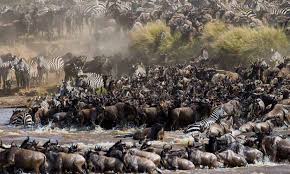
The Serengeti is world-famous for its spectacular Great Migration, a natural event that draws thousands of international safari tourists every year. This extraordinary movement involves over 1.5 million wildebeest, along with hundreds of thousands of zebras and gazelles, traveling across the Serengeti-Mara ecosystem in search of fresh grazing and water. Understanding the timing and routes of this migration is essential for anyone planning a safari, as it directly impacts wildlife viewing opportunities and the overall experience. For many visitors, witnessing this iconic migration is the pinnacle of their African adventure, which makes knowing the Best time to visit Serengeti a vital part of safari planning.
Migration Patterns and Seasonal Timing
The Great Migration follows a predictable cycle, dictated primarily by rainfall and vegetation growth. While the migration occurs year-round, the location of the herds changes depending on the month. For example, from January to March, the herds are generally located in the southern Serengeti’s Ndutu and Ngorongoro regions, where calving takes place. During this period, visitors have the chance to observe thousands of newborn wildebeest calves, along with predator activity from lions, hyenas, and cheetahs. These interactions create dramatic wildlife spectacles and offer excellent photographic opportunities.
As the dry season approaches from June to October, the migration gradually moves northward toward the Grumeti and Mara River regions. This is when the herds cross rivers, often encountering crocodiles in dramatic encounters that are among the most iconic images of African safaris. These river crossings are challenging to predict with absolute certainty, which adds an element of excitement and unpredictability to a safari. Many international tourists plan their trips specifically around these crossings, which are considered by experts as the Best time to visit Serengeti for river crossing experiences.
Wildlife Density and Viewing Advantages
One of the key advantages of planning around the Great Migration is the concentration of animals in specific areas. During dry months, the limited water sources cause wildebeest, zebras, and predators to gather in predictable locations. This clustering effect makes it significantly easier for visitors to observe and photograph wildlife without extensive searching. Safari lodges and camps are often strategically located near these hotspots, allowing international tourists to maximize game viewing efficiency.
Even outside the river crossing months, the Serengeti offers abundant wildlife. Travelers can still see resident species such as lions, elephants, giraffes, and cheetahs. However, timing a visit during peak migration periods dramatically enhances the safari experience, particularly for those seeking the most iconic photographic opportunities.
Practical Planning Considerations
While the Great Migration offers breathtaking experiences, it also requires careful planning. Popular migration periods coincide with high tourist traffic, which can result in higher accommodation costs and increased competition for prime game-viewing locations. International safari tourists must book well in advance and consider factors such as lodge location, vehicle availability, and guided tour schedules.
Road conditions and accessibility also vary seasonally. Some northern regions can become more difficult to navigate during heavy rains, while southern areas are generally more accessible. Safari operators familiar with these nuances can provide tailored itineraries that align with the best viewing windows, ensuring visitors see the migration while maintaining safety and comfort.
Tanzania National Parks Authority (TANAPA) provides official guidance and real-time updates about the migration and park conditions, which is an invaluable resource for international tourists planning their visit (https://www.tanzaniaparks.go.tz). Consulting TANAPA ensures travelers make informed decisions and helps protect the park’s fragile ecosystem.
Unique Experiences During Migration Months
Each phase of the migration offers distinct experiences. Visitors arriving in the southern Serengeti during calving season witness large predator-prey interactions as lions, cheetahs, and hyenas take advantage of vulnerable newborns. These moments are intense and educational, highlighting natural survival instincts in the wild.
In the northern Serengeti, river crossings provide adrenaline-fueled viewing, with dramatic scenes of animals battling currents and crocodiles. This spectacle is a bucket-list safari experience for many international tourists and a primary reason why the Best time to visit Serengeti is often aligned with these months.
Beyond predator-prey dynamics, the migration period also enhances landscape photography. Vast herds stretching across golden plains, contrasted with acacia trees and blue skies, create cinematic vistas that few destinations can rival. Photographers and wildlife enthusiasts alike plan their trips around these visual opportunities.
Balancing Wildlife Viewing with Comfort
While peak migration months promise unparalleled wildlife viewing, they also coincide with busy lodges and higher prices. For international tourists seeking a balance of comfort, exclusivity, and wildlife encounters, planning shoulder-season visits can be ideal. By visiting slightly before or after the main migration peaks, travelers enjoy fewer crowds while still observing significant wildlife activity.
Lodges and camps often offer specialized safari packages tailored to migration timing. These packages include early morning and evening game drives, expert guides, and transport to key viewing sites. Choosing the right package is crucial for maximizing the experience without excessive stress or logistical challenges.
Final Thoughts on Migration Timing
The Great Migration defines much of the Serengeti’s global appeal. International safari tourists frequently cite witnessing calving season or river crossings as life-changing experiences that justify the time, effort, and expense of traveling to Tanzania. Understanding the timing, wildlife behavior, and logistical considerations is therefore essential when planning a trip.
By aligning travel plans with the migration cycle, visitors experience the Serengeti in its most dynamic state, witnessing the raw drama of life and survival on the African plains. For those seeking the ultimate wildlife adventure, this knowledge forms the cornerstone of the Best time to visit Serengeti, ensuring a safari experience that is unforgettable, immersive, and perfectly timed.
3: Weather, Climate & Wildlife Viewing by Month in Serengeti
For international safari tourists, understanding the weather and climate of the Serengeti is essential to planning a successful trip. Unlike destinations where temperature is the primary factor, the Serengeti’s safari experience depends heavily on rainfall, seasonal winds, and vegetation cycles. By knowing the month-by-month climate patterns, travelers can optimize wildlife sightings, avoid difficult road conditions, and enjoy a comfortable and immersive safari experience. This makes timing critical and directly explains the Best time to visit Serengeti for different wildlife activities and overall enjoyment.
The Serengeti’s Climatic Overview
The Serengeti lies near the equator, which means temperatures are generally moderate year-round. Average daytime temperatures range between 20°C and 30°C, with mornings and evenings being cooler. This creates favorable conditions for early morning and late afternoon game drives, which are the most productive periods for wildlife observation. Unlike extreme climates, the Serengeti allows safaris to operate year-round, but rainfall and dry periods define the best opportunities for specific wildlife interactions.
Rainfall patterns divide the year into distinct seasons: the long rains (March to May), short rains (November to December), and dry seasons (June to October and January to February). These seasonal differences influence road accessibility, animal behavior, vegetation density, and visitor experience. Understanding these patterns is essential for international safari tourists seeking the Best time to visit Serengeti.
January to February: Dry Season with Emerging Green Landscapes
The early months of the year mark the beginning of the dry season, but residual rains often leave patches of lush greenery. This creates ideal conditions for observing wildlife along rivers and waterholes, as animals congregate around limited water sources. Predator-prey interactions are frequent, and birdwatching opportunities increase as migratory species are still present.
During this period, the southern Serengeti hosts large herds in the Ndutu and Ngorongoro areas, providing a front-row seat to the calving season. Newborn wildebeest calves attract lions, cheetahs, and hyenas, creating dramatic safari experiences. International tourists traveling in January or February benefit from fewer crowds compared to peak migration months while enjoying optimal game viewing.
March to May: Long Rainy Season
The long rains typically arrive in March and continue until May. During this period, the plains turn vibrant green, rivers swell, and waterholes fill, creating picturesque landscapes. Wildlife disperses across the ecosystem as food becomes abundant, making animal concentrations less predictable. While game drives remain possible, road conditions can become challenging due to mud and occasional flooding.
For wildlife photographers and adventure travelers, the long rains provide unique opportunities to capture lush scenery and observe young animals. However, some lodges reduce operations or limit access to certain areas. Travelers must plan carefully, balancing the appeal of dramatic landscapes with potential logistical challenges.
Despite these considerations, many international safari tourists recognize the Best time to visit Serengeti as the long rains for experiencing a quieter, greener, and more intimate safari environment. Consulting Tanzania National Parks Authority (TANAPA) for updated conditions ensures safe and well-informed travel during this season (https://www.tanzaniaparks.go.tz).
June to October: Peak Dry Season and Optimal Wildlife Viewing
The months from June through October are widely regarded as the dry season, offering the most predictable wildlife experiences. During this time, water scarcity concentrates animals around rivers, permanent waterholes, and the Grumeti-Mara regions, which is also when the northern migration and iconic river crossings occur. These months are particularly popular among international safari tourists seeking to witness dramatic wildlife action and photograph the Great Migration.
Temperatures remain moderate, and the skies are mostly clear, enhancing visibility for game drives and photography. Roads are highly accessible, allowing travelers to reach remote viewing locations safely and efficiently. This period is often considered the single Best time to visit Serengeti for first-time visitors or those prioritizing iconic wildlife encounters.
While this season attracts larger numbers of tourists, careful planning and early booking can ensure a rewarding experience without crowd-related compromises. Lodges and safari operators prepare specifically for this high season, offering comprehensive safari packages and expert-guided drives.
November to December: Short Rains and Emerging Calving Opportunities
The short rains arrive in November and December, introducing brief, sporadic showers that revive the grasslands. Wildlife begins to spread out again, and calving in some southern areas resumes. Although some roads may be slightly challenging, these rains bring spectacular scenery and fewer tourists compared to peak dry months.
For international safari tourists interested in combining wildlife viewing with serene landscapes, this period provides excellent value. Photographers can capture fresh green plains, wildlife interactions, and vibrant skies, while game drives remain highly productive with fewer safari vehicles on the tracks.
Key Takeaways: Month-by-Month Planning
-
January–February: Early dry season, calving season in the south, smaller crowds, excellent predator-prey viewing.
-
March–May: Long rains, lush green landscapes, dispersed wildlife, challenging roads, quieter parks.
-
June–October: Peak dry season, concentrated wildlife, river crossings, Great Migration in northern Serengeti, optimal visibility.
-
November–December: Short rains, emerging greenery, calving resumes, fewer tourists, scenic photography.
By understanding this month-by-month breakdown, international tourists can tailor their safari itinerary to match personal priorities, whether they seek predator action, river crossings, calving, or serene landscapes. Effective timing enhances both satisfaction and wildlife viewing, providing a deeper appreciation for the Serengeti ecosystem.
Seasonal awareness also influences accommodation choices, safari routes, and guide selection, making it a cornerstone of planning a successful trip. For first-time visitors or those returning for multiple safaris, knowing the Best time to visit Serengeti based on weather, climate, and wildlife cycles ensures unforgettable encounters.
4: Best Time Based on Travel Style – Luxury, Budget, and Photography Safaris in Serengeti
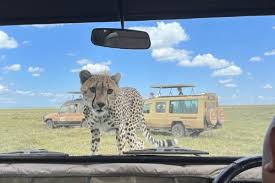
For international safari tourists, choosing the right time to visit the Serengeti goes beyond understanding wildlife seasons and climate. Travel style—whether luxury, budget, or photography-focused—plays a critical role in determining the Best time to visit Serengeti. Different travelers prioritize different experiences, and aligning your safari timing with these priorities ensures maximum satisfaction, comfort, and value. Understanding how each style interacts with seasonal conditions, wildlife availability, and crowd levels allows travelers to plan a trip that matches both expectations and budget.
Luxury Safari Travelers
Luxury safari travelers seek comfort, exclusivity, and curated experiences, often staying in high-end lodges or tented camps with premium services. For these travelers, timing is key to accessing the best accommodations and minimizing crowding. The peak dry season, from June to October, is particularly attractive because wildlife is concentrated near rivers and permanent water sources, offering predictable game viewing. At the same time, lodges and camps operate at full capacity with tailored safari packages, private vehicles, and expert guides. This allows luxury travelers to experience iconic scenes, including river crossings of the Great Migration, while enjoying exceptional comfort.
Booking well in advance is critical during these months to secure top-tier lodges and private safari guides. The serene landscapes, clear skies, and highly predictable wildlife make this period the Best time to visit Serengeti for those seeking a luxury safari that combines ease of travel with extraordinary natural encounters.
Budget Safari Travelers
Budget travelers often focus on value, cost-effectiveness, and flexibility. For these tourists, shoulder seasons—such as January to February or November to December—offer lower accommodation rates, reduced park fees, and fewer crowds. Roads are generally accessible, and wildlife viewing remains rewarding, especially in southern regions where calving season occurs. While some areas may experience sporadic rains, many budget travelers appreciate the balance of affordability and quality wildlife experiences.
Camping safaris or stays in budget lodges provide immersive experiences at a fraction of the cost of luxury options. International tourists on a budget benefit from observing predator-prey interactions, migration movements, and scenic landscapes without paying premium prices or facing crowded viewing areas. These months also provide a quieter, more authentic encounter with the Serengeti ecosystem, making them highly appealing for travelers prioritizing cost efficiency while still enjoying memorable wildlife adventures.
Photography and Wildlife Enthusiasts
For wildlife photographers and nature enthusiasts, timing is often dictated by lighting conditions, animal behavior, and the visual appeal of landscapes. Photographers seeking the classic Serengeti imagery—golden grasslands, large herds, river crossings, and dramatic predator-prey interactions—often prefer the dry season between June and October. Clear skies, minimal rainfall, and concentrated wildlife ensure optimal photographic opportunities. Early morning and late afternoon game drives provide the best natural light, while peak migration locations allow for capturing iconic scenes of wildebeest crossing rivers or lions hunting newborn calves.
Alternatively, the green season offers unique photographic opportunities, including vibrant landscapes, newborn animals, and fewer vehicles at sightings. International photographers who travel during March to May or November to December enjoy a different, often less-commercialized perspective of the Serengeti. Understanding these seasonal nuances enables travelers to align their photography objectives with the Best time to visit Serengeti, ensuring both satisfaction and professional-quality results.
Balancing Travel Style with Wildlife Events
Selecting the optimal time requires balancing travel style with wildlife events and park conditions. Luxury travelers may prioritize comfort and predictable wildlife, choosing the peak dry season. Budget travelers may trade some predictability for affordability during shoulder seasons. Photography-focused travelers might adjust their timing based on lighting, animal concentration, or dramatic scenery.
Consulting Tanzania National Parks Authority (TANAPA) is highly recommended when planning trips according to travel style. TANAPA provides real-time information on park conditions, road accessibility, and wildlife movements, helping international tourists make informed decisions (https://www.tanzaniaparks.go.tz). By combining professional guidance with personal priorities, travelers can optimize their safari experience while respecting the park’s ecosystem.
Additional Considerations for Travel Style
Other factors to consider include accommodation availability, guided safari expertise, and specific interests such as birdwatching, walking safaris, or cultural interactions with local communities. Luxury travelers may include private river cruises or hot-air balloon safaris, while budget travelers may participate in group game drives or shared safari vehicles. Photography enthusiasts often schedule extended stays in strategic locations for optimal wildlife capture.
By factoring in personal travel style, wildlife cycles, and seasonal conditions, international safari tourists can identify the Best time to visit Serengeti that aligns with their objectives, budget, and expectations. This tailored approach ensures a rewarding, immersive, and unforgettable safari experience for every type of traveler.
Summary: Matching Travel Style to Safari Timing
-
Luxury travelers: Peak dry season (June–October) for comfort, exclusivity, and predictable wildlife.
-
Budget travelers: Shoulder seasons (January–February, November–December) for affordability and smaller crowds.
-
Photography enthusiasts: Dry season for concentrated wildlife and optimal light; wet season for lush landscapes and unique imagery.
By understanding the interplay of travel style, seasonal events, and wildlife patterns, tourists can craft a Serengeti itinerary that maximizes satisfaction and delivers a safari experience aligned with both personal goals and natural rhythms. Proper planning ensures that each visit is not only memorable but also sustainable, safe, and perfectly timed to create lifelong memories.
5: Practical Travel Planning & Final Recommendations for Visiting the Serengeti
Planning a safari to the Serengeti is not just about picking the right season or witnessing the Great Migration—it requires careful consideration of logistics, accommodation, transportation, park regulations, and personal preparedness. For international safari tourists, understanding these practical aspects ensures a smooth, safe, and unforgettable experience. Proper planning allows travelers to focus on what truly matters: enjoying wildlife encounters, scenic landscapes, and the rich biodiversity of this iconic African ecosystem. Knowing these details is essential to make informed decisions about the Best time to visit Serengeti.
Visa Requirements and Entry Procedures
Most international travelers require a visa to enter Tanzania, which can be obtained online through the Tanzania eVisa system or on arrival at major airports. Visa policies may vary based on nationality, so it’s crucial to verify requirements well in advance. In addition to a valid visa, travelers must hold a passport valid for at least six months from the date of entry. Ensuring all entry documentation is in order before arrival helps avoid unnecessary delays and stress, allowing tourists to begin their safari experience seamlessly.
Park Fees and Regulations
Visiting the Serengeti involves paying park entry fees, which are collected by Tanzania National Parks Authority (TANAPA). Fees differ based on nationality, age, and the type of activities planned. These fees support wildlife conservation, anti-poaching efforts, and infrastructure maintenance within the park. For international tourists, checking the official TANAPA website (https://www.tanzaniaparks.go.tz) provides up-to-date information on pricing, park rules, and access points.
TANAPA enforces strict guidelines for sustainable tourism. Visitors are expected to follow all regulations regarding wildlife interaction, road use, and waste management. Adhering to these rules ensures both personal safety and the protection of the fragile Serengeti ecosystem. Practical knowledge of these regulations is crucial when determining the Best time to visit Serengeti, as certain areas may have seasonal restrictions to safeguard wildlife during breeding or migration.
Accommodation and Safari Packages
Accommodation in the Serengeti ranges from luxury lodges and boutique tented camps to budget-friendly camping sites. Selecting the right option depends on your travel style, budget, and preferred level of comfort. During peak months, particularly June to October, lodges fill quickly due to high tourist demand. Booking early is essential to secure the best locations near wildlife hotspots and migration corridors.
Safari packages often include transportation, guided game drives, meals, and optional experiences such as hot-air balloon safaris or walking safaris. Choosing a reputable operator familiar with seasonal conditions enhances safety, maximizes wildlife viewing opportunities, and ensures a seamless itinerary. For international tourists, aligning accommodation and safari packages with seasonal wildlife movements ensures the Best time to visit Serengeti is not just a concept but a well-executed plan.
Transportation and Access Within the Park
The Serengeti’s vast size makes transportation planning a crucial aspect of safari logistics. Options include private 4×4 vehicles, small chartered planes, or guided game drives. Airstrips within the park provide faster access to remote regions, reducing travel time and increasing flexibility. Roads in the Serengeti vary by season: dry months offer easy access to all areas, while wet months may require more rugged vehicles or alternative routes.
Coordinating transportation with safari guides and lodges ensures travelers reach wildlife hotspots safely and efficiently. Experienced guides can adjust itineraries based on seasonal patterns, recent animal sightings, and road conditions, which is essential for international tourists seeking a smooth and productive safari experience.
Health, Safety, and Travel Preparedness
Visitors to the Serengeti should be aware of health recommendations, including vaccinations, malaria prophylaxis, and basic travel insurance. Carrying appropriate clothing for both hot daytime temperatures and cooler mornings or evenings is essential. Binoculars, cameras, and sturdy footwear enhance the safari experience, while respecting safety rules ensures encounters with wildlife remain secure and memorable.
International tourists should also remain informed about local customs and cultural practices, ensuring respectful interaction with nearby communities. Combining health precautions, safety awareness, and local knowledge results in a well-rounded safari experience that prioritizes both visitor well-being and ecosystem preservation.
Final Recommendations and Timing Insights
Choosing the Best time to visit Serengeti ultimately depends on personal priorities, travel style, and specific wildlife interests. Peak dry months (June–October) offer the most predictable wildlife viewing and access to the northern migration. Shoulder seasons (January–February, November–December) provide lower costs, quieter lodges, and unique calving experiences. Long rains (March–May) present lush landscapes and fewer tourists, perfect for photographers and adventurous travelers.
To maximize the safari experience, international tourists should:
-
Plan and book well in advance, particularly for peak months.
-
Align safari packages with wildlife events and preferred activities.
-
Stay informed via TANAPA updates regarding park conditions and regulations.
-
Consider health, safety, and appropriate equipment for all types of game drives.
-
Balance travel style with seasonal wildlife patterns to ensure the trip meets personal goals.
By combining careful planning, strategic timing, and respect for the natural environment, visiting the Serengeti becomes an unforgettable adventure. Witnessing iconic wildlife scenes, vast savannahs, and the rhythms of the African plains is not just a journey—it is a transformative experience. Knowing when and how to plan ensures the Serengeti safari is seamless, immersive, and perfectly timed, fulfilling the promise of the Best time to visit Serengeti for any international traveler.
