

Discover Cultural Experience around Mount Kilimanjaro through authentic traditions, indigenous communities, local heritage, and immersive cultural encounters for international travelers.
1: Understanding the Cultural Landscape Surrounding Mount Kilimanjaro
https://nativesonexpeditions.com/kilimanjaro-climbing-tours/
Mount Kilimanjaro is globally celebrated as Africa’s highest mountain and one of the world’s most iconic trekking destinations, yet the cultural richness that surrounds this majestic landmark is often overlooked by international travelers focused solely on summiting its snow-capped peak. The regions encircling Kilimanjaro are home to vibrant indigenous communities whose traditions, values, architecture, cuisine, music, and belief systems have evolved over centuries in harmony with the mountain’s geography and climate. Exploring this region through a cultural lens offers travelers a deeper, more meaningful journey—one that goes beyond adventure tourism into human connection, heritage preservation, and authentic local engagement. This is where Cultural Experience around Mount Kilimanjaro becomes not just a travel concept, but a transformative way of understanding Tanzania itself.
The cultural landscape of the Kilimanjaro region is primarily shaped by ethnic groups such as the Chagga, Pare, and Maasai, each contributing uniquely to the area’s social fabric. The Chagga people, who inhabit the fertile southern and eastern slopes of the mountain, are renowned for their sophisticated agricultural systems, particularly the traditional irrigation canals known as mifongo, which are still in use today. These systems demonstrate advanced indigenous knowledge of water conservation and land management, reflecting a deep respect for nature that aligns seamlessly with modern sustainability principles. For international tourists seeking meaningful travel experiences, engaging with such practices provides insight into how ancient wisdom continues to support contemporary livelihoods.
Cultural immersion in the Kilimanjaro region also reveals how oral history, storytelling, and ancestral rituals shape everyday life. Elders play a central role in preserving historical narratives, clan lineages, and moral values, often communicated through folktales, songs, and ceremonial gatherings. These traditions are not staged performances; they are living expressions of identity passed down through generations. When visitors participate respectfully—by attending community gatherings, visiting homesteads, or learning local customs—they gain a nuanced understanding of how cultural continuity is maintained in a rapidly globalizing world. This depth of engagement is what defines a genuine Cultural Experience around Mount Kilimanjaro, distinguishing it from superficial cultural displays designed purely for entertainment.
Another essential dimension of the region’s culture lies in its spiritual relationship with Mount Kilimanjaro itself. Many local communities regard the mountain as sacred, believing it to be a dwelling place of ancestral spirits or a divine source of life and fertility. These beliefs influence rituals related to farming cycles, rainfall, and rites of passage, embedding spirituality into daily routines. Understanding this worldview helps international travelers appreciate why conservation of the mountain and its surrounding ecosystems is not only an environmental issue but also a cultural and spiritual responsibility. Such perspectives align strongly with global heritage values promoted by organizations like UNESCO, which recognizes Kilimanjaro National Park as a World Heritage Site for both its natural and cultural significance ().
Culinary traditions further enrich the cultural landscape, offering travelers an intimate entry point into local life. Traditional dishes made from bananas, maize, beans, and locally grown coffee are deeply connected to the land and seasonal cycles. Meals are often communal, reinforcing social bonds and hospitality norms that define local identity. Participating in cooking experiences or visiting local farms allows visitors to trace food from source to table, gaining appreciation for indigenous agricultural knowledge and ethical food practices. This hands-on engagement resonates strongly with international tourists who value slow travel, authenticity, and sustainability over mass tourism.
Artistic expression in the Kilimanjaro region is equally significant, encompassing music, dance, beadwork, wood carving, and traditional attire. These art forms are not merely decorative; they communicate social status, life milestones, and community values. For example, traditional dances performed during weddings or harvest celebrations serve as both entertainment and cultural education, reinforcing collective memory. By supporting local artisans and cultural groups, travelers contribute directly to cultural preservation and economic empowerment, a practice strongly encouraged by global tourism bodies such as the World Travel & Tourism Council, which advocates for community-based tourism as a driver of sustainable development ().
From a tourism industry perspective, integrating cultural elements into travel itineraries around Kilimanjaro enhances destination competitiveness and visitor satisfaction. International tourists increasingly seek experiences that offer learning, emotional connection, and ethical impact. Cultural engagement fulfills these expectations by fostering mutual respect between hosts and guests. Tour operators who collaborate closely with local communities—ensuring fair compensation, informed consent, and cultural sensitivity—help protect intangible heritage while delivering high-value experiences. This approach aligns with responsible tourism guidelines promoted by authoritative travel platforms such as National Geographic, which emphasize authenticity, respect, and sustainability in cultural travel ().
Ultimately, understanding the cultural landscape surrounding Mount Kilimanjaro reframes the destination from a single iconic climb into a multidimensional journey. It invites travelers to slow down, listen, learn, and connect with the people who have lived in the mountain’s shadow for generations. By embracing local knowledge systems, spiritual beliefs, artistic traditions, and communal values, visitors gain a richer appreciation of Tanzania’s heritage. This holistic perspective lays the foundation for a truly immersive Cultural Experience around Mount Kilimanjaro, one that honors both the land and its people while creating lasting memories for international travelers.
2: Indigenous Communities and Traditional Lifestyles in the Kilimanjaro Region
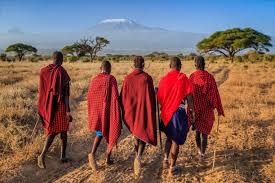
The areas surrounding Mount Kilimanjaro are not only defined by dramatic landscapes and fertile volcanic soils, but also by the enduring presence of indigenous communities whose lifestyles have been shaped by generations of interaction with the mountain. For international tourists seeking meaningful travel, understanding how local people live, work, and preserve their traditions offers an essential gateway into the human story of northern Tanzania. A Cultural Experience around Mount Kilimanjaro is deeply rooted in these communities, where daily routines, social structures, and belief systems continue to reflect a close relationship between people and place.
Among the most prominent indigenous groups in the Kilimanjaro region are the Chagga, Pare, and Maasai. Each community maintains a distinct identity while contributing to the broader cultural mosaic of the region. The Chagga people, who predominantly inhabit the southern slopes of the mountain, are known for their permanent settlements, banana-based agroforestry systems, and strong clan organization. Homes are traditionally arranged around family land, reinforcing a sense of continuity and belonging. For visitors, walking through Chagga villages offers insight into how architecture, farming, and social life are interconnected, creating a sustainable lifestyle that has endured for centuries.
Traditional livelihoods in the Kilimanjaro region are closely tied to the natural environment. Farming remains the backbone of local economies, with crops such as bananas, coffee, maize, and beans cultivated using techniques passed down through generations. The famous Chagga home gardens, often cited in academic and environmental studies, represent one of Africa’s most successful indigenous agroforestry systems. These gardens combine food crops, fruit trees, medicinal plants, and livestock in a single integrated landscape, maximizing productivity while preserving soil fertility. For international tourists, learning about these systems provides a powerful lesson in sustainability and resilience, aligning closely with modern eco-tourism values.
The Maasai communities living on the plains and lower slopes near Kilimanjaro offer a contrasting yet equally compelling cultural perspective. Traditionally semi-nomadic pastoralists, the Maasai are known for their deep connection to cattle, which serve as a source of food, wealth, and social status. Their distinctive dress, beadwork, and communal lifestyle are instantly recognizable, but behind these visual markers lies a complex social structure governed by age sets, elders’ councils, and customary law. Visitors who engage respectfully with Maasai communities gain a deeper appreciation for how tradition adapts in the face of changing economic and environmental realities. This engagement forms a vital part of a meaningful Cultural Experience around Mount Kilimanjaro, especially when conducted through community-approved cultural visits.
Social organization within indigenous communities plays a crucial role in preserving cultural identity. Elders are highly respected as custodians of knowledge, responsible for guiding decision-making, resolving conflicts, and transmitting cultural values to younger generations. Rites of passage, such as initiation ceremonies, weddings, and funerals, mark important life transitions and reinforce communal bonds. While some of these ceremonies remain private, others are shared with visitors in culturally appropriate ways, offering rare insight into the rhythms of local life. Such encounters help international tourists move beyond surface-level observation toward genuine cultural understanding.
Education and knowledge transmission in the Kilimanjaro region extend beyond formal schooling. Children learn practical skills, social norms, and moral values through participation in household activities, farming, and community events. Storytelling remains a powerful educational tool, with folktales and historical narratives used to teach lessons about courage, respect, cooperation, and environmental stewardship. For travelers, listening to these stories—often shared by elders or community guides—adds emotional depth to the journey and strengthens cross-cultural connection. These human interactions are central to the authenticity that defines a true Cultural Experience around Mount Kilimanjaro.
Despite the persistence of tradition, indigenous lifestyles around Kilimanjaro are not static. Communities actively navigate the pressures of modernization, climate change, and tourism. Young people increasingly balance traditional responsibilities with formal education and employment opportunities in nearby towns. Mobile technology, improved infrastructure, and access to global markets have transformed aspects of daily life, yet many cultural values remain intact. International tourists who take time to understand this balance gain a more realistic and respectful view of local societies, avoiding stereotypes and appreciating cultural dynamism.
Community-based tourism initiatives have emerged as an important bridge between tradition and economic development. Many villages now host cultural tours, homestays, and craft markets managed directly by local residents. These initiatives ensure that tourism revenue benefits the community while giving visitors authentic, educational experiences. Organizations such as the World Tourism Organization consistently highlight community-based tourism as a best practice for sustainable development, as it empowers local people and preserves cultural heritage. Tour operators who partner with such initiatives contribute to ethical tourism while enhancing the quality of the visitor experience.
Traditional crafts play a significant role in indigenous livelihoods and cultural expression. Wood carving, basket weaving, pottery, and beadwork are not only artistic practices but also carriers of cultural meaning. Patterns, colors, and materials often symbolize social status, marital stage, or clan identity. For international tourists, purchasing crafts directly from artisans supports local economies and encourages the continuation of traditional skills. It also provides an opportunity to learn the stories behind the objects, transforming souvenirs into meaningful cultural connections rather than mass-produced items.
Language is another vital element of indigenous identity in the Kilimanjaro region. While Swahili and English are widely spoken, local languages such as Kichagga and Kipare remain important in daily communication and cultural expression. Language carries worldview, humor, and values that are difficult to translate fully. Visitors who learn even a few local words often find doors opening to warmer interactions and deeper mutual respect. Such small gestures enhance cultural exchange and reflect the spirit of responsible international travel.
Food culture further illustrates how indigenous lifestyles remain rooted in tradition. Meals are often prepared using locally sourced ingredients and shared communally, reinforcing social ties. Traditional beverages, including banana beer and herbal infusions, are prepared for special occasions and ceremonies. Participating in food preparation or sharing a meal with a local family allows travelers to experience hospitality firsthand, one of the most valued aspects of social life in the region. These moments of shared humanity often become the most memorable part of a journey.
From a tourism marketing perspective, highlighting indigenous lifestyles adds depth and differentiation to Kilimanjaro as a destination. International tourists increasingly seek experiences that are educational, ethical, and immersive rather than purely recreational. By showcasing real community life—without exploitation or misrepresentation—tourism companies can meet these expectations while contributing to cultural preservation. Authoritative travel platforms such as Lonely Planet and National Geographic consistently emphasize the importance of respectful engagement with indigenous communities as a cornerstone of meaningful travel.
In conclusion, indigenous communities and traditional lifestyles form the living heart of the Kilimanjaro region. Their knowledge systems, social structures, crafts, languages, and daily practices offer invaluable insight into how humans can live sustainably and meaningfully within their environment. For international tourists, engaging with these communities transforms a visit into a journey of learning and connection. When approached with respect and curiosity, this engagement becomes an essential pillar of a lasting Cultural Experience around Mount Kilimanjaro, enriching both visitors and hosts alike.
3: Rituals, Ceremonies, Music, and Festivals around Mount Kilimanjaro
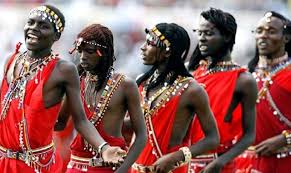
Cultural identity in the Kilimanjaro region is most vividly expressed through rituals, ceremonies, music, and festivals that punctuate the rhythm of community life. These cultural expressions are not isolated performances designed for visitors; they are deeply embedded in social structure, spirituality, and historical memory. For international tourists, understanding these practices provides rare insight into how communities communicate values, celebrate milestones, and maintain continuity between past, present, and future. Engaging with these traditions respectfully allows travelers to witness culture as a living, evolving system rather than a static display. This depth of engagement lies at the heart of a meaningful Cultural Experience around Mount Kilimanjaro.
Rituals in the Kilimanjaro region are closely tied to the agricultural calendar, life transitions, and spiritual beliefs. Among communities such as the Chagga and Pare, rituals marking planting and harvesting seasons are essential for ensuring harmony between humans, ancestors, and the natural environment. These ceremonies often involve offerings, prayers, and symbolic acts meant to invite rain, fertility, and protection. Participation is usually communal, reinforcing collective responsibility and shared identity. While some rituals remain private, others are observed or explained to visitors through community-approved cultural programs, allowing tourists to learn without intruding on sacred spaces.
Life-cycle ceremonies are another cornerstone of cultural expression. Birth, initiation, marriage, and death are marked by elaborate customs that reflect social values and moral expectations. Initiation rites, for example, are designed to prepare young people for adulthood by teaching responsibility, discipline, and respect for elders. Weddings are vibrant affairs involving extended families, music, dance, and symbolic exchanges that affirm alliances between clans. Funerary practices, though solemn, emphasize continuity and remembrance, reinforcing belief in ancestral presence. For international travelers, learning about these ceremonies contextualizes daily life and deepens appreciation for cultural complexity beyond surface aesthetics.
Music plays an essential role in ritual and social life throughout the Kilimanjaro region. Traditional songs accompany nearly every important event, from farming activities to ceremonies and celebrations. Music is not merely entertainment; it is a form of storytelling and historical record, preserving narratives of migration, struggle, triumph, and moral teaching. Instruments such as drums, flutes, and rattles are crafted locally and often carry symbolic meaning. Rhythms and melodies vary by community, allowing listeners to identify cultural origins through sound alone. Exposure to these musical traditions offers visitors an emotional connection that transcends language barriers.
Dance complements music as a powerful form of expression and communication. Traditional dances are characterized by specific movements, formations, and costumes that convey meaning related to gender roles, age groups, and social status. Among the Chagga, dance movements often emphasize coordination and unity, reflecting communal values. Maasai dances, by contrast, are known for their iconic jumping sequences, symbolizing strength, endurance, and warrior identity. When tourists observe or participate in dance sessions facilitated by local cultural groups, they gain insight into how physical expression reinforces social cohesion and cultural pride.
Festivals provide an especially accessible entry point for international tourists interested in cultural immersion. Cultural festivals in the Kilimanjaro region often bring together multiple communities to celebrate heritage through music, dance, food, crafts, and storytelling. These events serve both as cultural preservation platforms and as opportunities for intercultural exchange. Unlike staged performances, festivals are dynamic gatherings where traditions are practiced in real time by community members of all ages. For visitors, attending such festivals offers a holistic view of regional culture within a single setting.
Spirituality is inseparable from ritual and ceremony in the Kilimanjaro region. Many communities maintain belief systems that recognize ancestral spirits as active participants in daily life. Sacred sites such as forests, caves, and mountain slopes are treated with reverence and accessed only through prescribed customs. These spiritual landscapes reinforce moral codes related to environmental stewardship, social harmony, and respect for elders. Understanding this worldview helps international tourists appreciate why certain places and practices are protected and why cultural sensitivity is essential when visiting the region.
Food rituals often accompany ceremonies and festivals, adding another layer of cultural meaning. Certain dishes are prepared exclusively for special occasions, using ingredients selected for their symbolic value. Communal eating reinforces bonds and hospitality, reflecting the importance of sharing and mutual support. Visitors who are invited to participate in these meals experience culture through taste, smell, and social interaction, creating lasting sensory memories. Such moments exemplify how everyday practices are elevated into meaningful rituals within local culture.
The transmission of ritual knowledge relies heavily on elders, who act as custodians of tradition. Through observation, participation, and oral instruction, younger generations learn the significance of ceremonies and the responsibilities associated with them. Despite external influences and modernization, many communities actively work to preserve these practices, adapting them where necessary without losing core values. Cultural centers and community museums around Kilimanjaro play a growing role in documenting rituals and educating both locals and visitors. Institutions and cultural tourism advocates supported by organizations like UNESCO emphasize the safeguarding of intangible cultural heritage as vital to sustainable development (https://www.unesco.org).
Tourism has inevitably influenced how rituals and festivals are shared with outsiders, creating both opportunities and challenges. On one hand, cultural tourism generates income that supports preservation efforts and community livelihoods. On the other, there is a risk of commercialization or misrepresentation if experiences are not carefully managed. Responsible tour operators collaborate closely with community leaders to ensure that cultural activities are presented accurately and respectfully. This approach aligns with global best practices promoted by the World Travel & Tourism Council, which advocates for tourism models that protect cultural integrity while delivering authentic visitor experiences (https://wttc.org).
For international tourists, ethical engagement is key to meaningful participation in rituals and festivals. This includes observing dress codes, seeking permission before taking photographs, and following guidance from local hosts. Such practices demonstrate respect and foster trust, enhancing the quality of cultural exchange. Travelers who approach these experiences with humility and curiosity often find themselves welcomed more openly, gaining deeper insight into local life and values.
Music and dance workshops offered by community groups provide another avenue for immersive learning. Rather than passive observation, visitors actively participate by learning rhythms, movements, and songs directly from local practitioners. These interactive experiences promote mutual understanding and break down cultural barriers through shared creativity. Travel publications such as National Geographic frequently highlight participatory cultural experiences as among the most rewarding forms of travel, as they encourage empathy and long-term cultural appreciation (https://www.nationalgeographic.com).
Cultural events around Kilimanjaro also play a role in reinforcing regional identity within a globalized context. By celebrating heritage publicly, communities assert pride in their traditions and educate younger generations about their roots. International visitors become witnesses to this cultural affirmation, gaining perspective on how identity is negotiated in a changing world. Such encounters challenge simplistic narratives about tradition versus modernity, revealing instead a dynamic interplay between continuity and adaptation.
From a destination marketing perspective, rituals, music, and festivals add emotional depth to Kilimanjaro’s global image. While the mountain itself attracts adventure seekers, cultural experiences appeal to travelers seeking meaning, learning, and connection. By integrating cultural events into itineraries, tourism companies can diversify offerings and extend visitor stays beyond trekking activities. This integrated approach enhances satisfaction while supporting community-based tourism initiatives.
In summary, rituals, ceremonies, music, and festivals are central to understanding the human dimension of the Kilimanjaro region. They communicate values, preserve history, and strengthen social bonds, offering international tourists an authentic window into local life. When engaged with respectfully, these cultural expressions transform travel into a shared human experience rather than a transactional encounter. They form a vital pillar of a genuine Cultural Experience around Mount Kilimanjaro, enriching both visitors and host communities through mutual respect and cultural exchange.
4: Immersive Cultural Tourism Activities and Community-Based Experiences
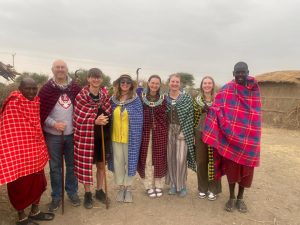
Cultural tourism around Mount Kilimanjaro has evolved significantly over the past decade, shifting from passive observation toward immersive, community-driven experiences that prioritize authenticity, sustainability, and mutual benefit. International tourists today are no longer satisfied with simply viewing cultural artifacts or attending staged performances; they seek opportunities to actively participate in local life, learn directly from host communities, and contribute positively to the destinations they visit. This shift has positioned immersive cultural tourism as a vital component of the region’s tourism offering, complementing adventure activities such as trekking with meaningful human connections.
One of the most impactful forms of immersive cultural tourism in the Kilimanjaro region is the community-based village tour. These experiences are typically organized and led by local residents who serve as cultural interpreters of their own heritage. Visitors are guided through villages, farms, schools, and communal spaces, gaining firsthand insight into daily routines and social organization. Unlike conventional sightseeing tours, village experiences emphasize dialogue and exchange, allowing tourists to ask questions, share perspectives, and build understanding. Through such encounters, travelers begin to appreciate how culture is lived rather than performed, laying the foundation for a genuine Cultural Experience around Mount Kilimanjaro.
Homestay programs represent another powerful avenue for cultural immersion. Staying with a local family enables international tourists to experience everyday life in a way that hotels and lodges cannot replicate. Guests participate in household activities such as cooking, farming, fetching water, or attending local events, fostering a sense of belonging and shared responsibility. These interactions provide insight into family structures, gender roles, and social values while promoting cross-cultural learning on both sides. For host families, homestays generate income and create opportunities to share culture with pride and agency, reinforcing the sustainability of the tourism model.
Agricultural tourism is particularly well developed around Mount Kilimanjaro due to the region’s fertile soils and long farming traditions. Coffee tours, banana farm visits, and agroforestry experiences allow visitors to engage directly with local food systems. Coffee, one of Tanzania’s most important export crops, holds cultural as well as economic significance for the Chagga people. Tourists who follow the coffee journey from cultivation and harvesting to roasting and brewing gain appreciation for the labor, knowledge, and rituals embedded in the process. These experiences align strongly with global interest in ethical consumption and farm-to-table narratives, making them highly appealing to international audiences.
Cultural workshops offer structured yet interactive opportunities for learning traditional skills. Music and dance workshops, cooking classes, craft-making sessions, and language lessons are increasingly popular among travelers seeking hands-on engagement. Rather than observing from a distance, participants learn directly from local practitioners, gaining practical skills and cultural context. Such workshops also serve as platforms for preserving intangible heritage by transferring knowledge to both younger community members and visitors. Travel authorities such as National Geographic consistently highlight experiential learning as a hallmark of high-quality cultural tourism, emphasizing its role in fostering empathy and cultural appreciation.
Nature-based cultural activities further enrich the tourism landscape around Kilimanjaro. Guided walks through sacred forests, traditional irrigation channels, and ancestral lands combine environmental education with cultural storytelling. Local guides explain how natural features are woven into belief systems, rituals, and conservation practices. These experiences help international tourists understand that environmental stewardship in the region is deeply cultural rather than purely scientific. Organizations like UNESCO recognize this integration of nature and culture as essential to safeguarding world heritage sites, reinforcing the value of culturally informed tourism practices.
Youth and women-led initiatives have become increasingly prominent within community-based tourism programs. Women’s groups often manage craft cooperatives, cooking experiences, and homestays, using tourism income to support education, healthcare, and entrepreneurship. Youth groups, meanwhile, serve as guides, performers, and cultural ambassadors, bridging traditional knowledge with modern communication skills. For international tourists, engaging with these groups provides insight into social change and empowerment within local communities. From a development perspective, such initiatives align with global tourism strategies promoted by the World Tourism Organization, which advocates inclusive tourism as a driver of equitable growth.
Cultural tourism experiences around Kilimanjaro are often designed to be flexible, allowing visitors to tailor activities according to interest, time, and comfort level. Some travelers may prefer short cultural visits integrated into trekking itineraries, while others choose multi-day immersion programs focused entirely on community life. This adaptability enhances destination appeal and encourages longer stays, increasing economic benefits for host communities. Tour operators who offer customizable cultural experiences are better positioned to meet diverse market demands while maintaining authenticity and ethical standards.
Responsible tourism practices are essential to the success of immersive cultural activities. Clear guidelines regarding consent, photography, compensation, and cultural sensitivity help protect community dignity and prevent exploitation. Many programs around Kilimanjaro are governed by community committees that set rules for visitor engagement, ensuring that cultural sharing occurs on local terms. International tourists who respect these guidelines contribute to positive relationships and sustainable tourism development. Authoritative platforms such as Lonely Planet emphasize the importance of ethical behavior in cultural settings, reinforcing these principles among global travelers.
Technology has also played a role in expanding access to cultural tourism experiences. Digital storytelling, online booking platforms, and social media enable communities to reach international audiences directly, reducing reliance on intermediaries. At the same time, care is taken to ensure that digital exposure does not compromise cultural integrity or privacy. For tourists, this transparency enhances trust and allows informed decision-making when selecting cultural experiences. The balance between visibility and protection is increasingly recognized as a best practice in cultural tourism management.
Educational tourism represents another growing segment within the Kilimanjaro cultural tourism landscape. Study tours, volunteer programs, and academic exchanges bring students and researchers into close contact with local communities. When well-structured and community-approved, these programs facilitate knowledge exchange while supporting local priorities. International participants gain contextual understanding of development, conservation, and cultural resilience, while communities benefit from skills transfer and global networks. Such initiatives underscore the role of tourism as a platform for learning rather than mere consumption.
From a marketing standpoint, immersive cultural activities add narrative depth to Kilimanjaro as a destination. They enable tourism companies to tell stories about people, heritage, and values, differentiating their offerings in a competitive global market. International tourists increasingly respond to storytelling that emphasizes authenticity, impact, and connection. By integrating cultural experiences into branding and content strategies, tourism businesses enhance visibility and credibility while aligning with contemporary travel trends.
Ultimately, immersive cultural tourism activities around Mount Kilimanjaro redefine the visitor experience by centering local voices and lived realities. Through homestays, workshops, farm visits, guided walks, and community-led tours, travelers engage with culture as a shared human experience rather than a spectacle. These interactions foster respect, understanding, and long-term appreciation, benefiting both visitors and host communities. When thoughtfully designed and ethically managed, such experiences form a cornerstone of a lasting Cultural Experience around Mount Kilimanjaro, transforming travel into a journey of connection, learning, and mutual enrichment.
5: The Long-Term Value of Cultural Tourism and Why International Travelers Should Choose Kilimanjaro
Cultural tourism has emerged as one of the most influential forces shaping the future of global travel, and the Mount Kilimanjaro region stands as a powerful example of how heritage, community, and sustainability can intersect to create long-lasting value. For international travelers, choosing destinations that offer more than scenic beauty has become increasingly important. Travelers now seek experiences that educate, inspire, and contribute positively to the places they visit. The cultural richness surrounding Mount Kilimanjaro fulfills these expectations by offering encounters rooted in authenticity, mutual respect, and shared human values.
At its core, cultural tourism around Kilimanjaro provides value that extends far beyond the duration of a single trip. Visitors leave not only with photographs and memories, but with a deeper understanding of local histories, belief systems, and ways of life. This type of travel encourages reflection and personal growth, allowing individuals to see the world through perspectives shaped by different social and environmental realities. Such transformative experiences are increasingly recognized by global travel experts as central to meaningful tourism in the twenty-first century.
One of the most significant long-term benefits of cultural tourism is its contribution to sustainable development. Unlike extractive tourism models that prioritize short-term profit, cultural tourism emphasizes community participation, heritage preservation, and environmental stewardship. In the Kilimanjaro region, tourism initiatives led by local communities ensure that economic benefits remain within villages, supporting education, healthcare, and infrastructure development. This approach strengthens local resilience and reduces dependency on external aid, creating a more balanced relationship between hosts and visitors. International organizations such as the United Nations World Tourism Organization consistently highlight cultural tourism as a tool for inclusive and sustainable growth (https://www.unwto.org).
Cultural preservation is another critical dimension of value. As globalization accelerates cultural homogenization, many indigenous traditions face the risk of erosion or loss. Cultural tourism provides an incentive for communities to safeguard languages, rituals, crafts, and oral histories by demonstrating their relevance and value on a global stage. When international travelers show genuine interest in learning about local culture, it reinforces community pride and motivates younger generations to engage with their heritage. This dynamic transforms tourism into a collaborative effort to protect intangible cultural assets for future generations.
Environmental sustainability is deeply intertwined with cultural values in the Kilimanjaro region. Many traditional practices emphasize balance with nature, respect for sacred landscapes, and responsible resource use. By learning about these perspectives, visitors gain insight into alternative approaches to environmental conservation that are rooted in lived experience rather than abstract policy. This understanding fosters greater appreciation for the cultural foundations of conservation efforts around Mount Kilimanjaro, a site recognized globally for its natural and cultural significance by UNESCO (https://www.unesco.org).
For international tourists, choosing culturally rich destinations also enhances the quality and depth of travel experiences. Cultural engagement slows the pace of travel, encouraging visitors to spend more time in one place rather than rushing through multiple destinations. Longer stays allow for deeper connections with people and places, resulting in more meaningful memories and stronger emotional attachment. This form of travel aligns with the growing global movement toward slow tourism, which prioritizes depth over quantity and connection over consumption.
Another important aspect of cultural tourism value lies in ethical travel practices. Travelers today are increasingly conscious of their impact and seek assurance that their presence contributes positively to host communities. Cultural tourism initiatives around Kilimanjaro often operate under clear ethical guidelines that address consent, fair compensation, and respectful representation. By choosing responsible tour operators and community-based programs, international tourists actively support ethical tourism standards. Travel authorities such as the World Travel & Tourism Council advocate for responsible tourism models that protect cultural integrity while delivering authentic experiences (https://wttc.org).
Education is a powerful outcome of cultural travel. Through direct interaction with local communities, travelers gain practical knowledge about history, agriculture, social systems, and environmental management. These lessons often challenge preconceived notions and encourage more nuanced understanding of global issues such as development, inequality, and sustainability. Educational value extends beyond the individual traveler, as insights gained are often shared within families, professional networks, and online communities, amplifying the impact of a single journey.
Cultural tourism also plays a significant role in strengthening intercultural dialogue. In a world marked by division and misunderstanding, face-to-face encounters between people of different backgrounds foster empathy and mutual respect. Conversations shared over meals, during village walks, or through collaborative activities humanize global differences and highlight shared values. For many international tourists, these moments of connection become the most memorable and meaningful aspect of their travels, far surpassing conventional sightseeing experiences.
From a destination branding perspective, Kilimanjaro’s cultural dimension enhances its global appeal and competitiveness. While the mountain itself attracts adventure travelers, cultural tourism broadens the destination’s market by appealing to travelers interested in heritage, learning, and responsible travel. This diversification reduces overreliance on trekking tourism and helps mitigate the environmental pressures associated with mass visitation. Tourism companies that integrate cultural narratives into their branding benefit from stronger differentiation and increased trust among discerning international audiences.
Economic stability is another long-term benefit of culturally oriented tourism. By supporting small-scale enterprises such as homestays, craft cooperatives, guiding services, and cultural centers, tourism income is distributed more evenly across communities. This inclusive model reduces economic leakage and strengthens local entrepreneurship. For international travelers, knowing that their spending directly supports local livelihoods adds meaningful value to the travel experience and aligns with ethical consumption principles.
Digital visibility and storytelling have further amplified the importance of cultural tourism. High-quality, authentic content shared through blogs, social media, and travel platforms influences travel decisions and shapes global perceptions. When cultural experiences around Kilimanjaro are presented accurately and respectfully, they attract travelers who value authenticity and are more likely to engage responsibly. Platforms like National Geographic and Lonely Planet consistently emphasize cultural depth and ethical engagement as key indicators of high-quality travel experiences (https://www.nationalgeographic.com, https://www.lonelyplanet.com).
For tourism companies, investing in cultural tourism is a strategic decision that yields long-term returns. Culturally informed itineraries generate higher visitor satisfaction, positive reviews, and repeat visitation. They also build stronger relationships with host communities, creating a stable foundation for sustainable operations. By positioning culture as a central pillar rather than a supplementary activity, companies contribute to destination resilience and long-term success.
Ultimately, the value of cultural tourism around Mount Kilimanjaro lies in its ability to create shared benefit and mutual understanding. It empowers communities, educates travelers, preserves heritage, and promotes sustainability in ways that conventional tourism models often fail to achieve. For international tourists seeking travel experiences that matter, cultural engagement offers depth, authenticity, and purpose.
Choosing a journey rooted in Cultural Experience around Mount Kilimanjaro means embracing travel as a form of connection rather than consumption. It means valuing people as much as places, stories as much as scenery, and responsibility as much as enjoyment. Such choices reflect a broader shift in global travel toward experiences that enrich both visitor and host, leaving a positive legacy long after the journey ends.
In conclusion, cultural tourism represents the future of meaningful travel, and the Kilimanjaro region stands at the forefront of this movement. Through community-driven initiatives, ethical practices, and deep cultural heritage, the region offers international tourists an opportunity to engage with the world in a more thoughtful and impactful way. By choosing experiences grounded in Cultural Experience around Mount Kilimanjaro, travelers contribute to a model of tourism that honors humanity, protects heritage, and inspires connection across cultures.
