
January 29, 2026

Explore the incredible birdlife of Serengeti National Park in Tanzania. Discover over 500 species, expert birdwatching tips, seasonal migration patterns, and eco-tourism insights for your ultimate safari experience.
https://nativesonexpeditions.com/serengeti-migration-safari/
The Serengeti National Park, located in northern Tanzania, is world-renowned for its vast plains, dramatic wildlife spectacles, and unique ecosystems. Among its many natural wonders, the birdlife of Serengeti stands out as a key attraction for nature enthusiasts and ornithologists alike. This incredible park is home to more than 500 bird species, ranging from colorful and rare species to migratory birds that traverse continents. From the majestic African Fish Eagle perched near water bodies to the tiny, yet vibrant, weaver birds that adorn the treetops, Serengeti offers an unparalleled experience for anyone interested in avian diversity. The park’s ecosystems, which include savannahs, woodlands, wetlands, and riverine forests, create ideal habitats for both resident and migratory birds. As such, the birdlife of Serengeti represents not just the diversity of Tanzania’s avian population but also the intricate ecological balance that supports life in the park. For those planning a safari focused on birds, understanding the different habitats and their seasonal dynamics is crucial. Bird enthusiasts often note that the Serengeti’s open plains make it easier to spot large flocks of birds during migration seasons, while the dense woodland areas offer opportunities to observe more elusive species in their natural environment.
One of the most fascinating aspects of the birdlife of Serengeti is the variety of migratory patterns observed throughout the year. Many birds visit the park during specific seasons, taking advantage of the abundant food resources and favorable breeding conditions. For instance, European swallows and other Palearctic migrants arrive in the Serengeti during the wet season, nesting in trees and feeding on insects that proliferate after the rains. Conversely, resident species such as hornbills and barbets maintain year-round populations, showcasing remarkable adaptability to the changing climate and availability of food sources. The presence of these birds not only enhances the ecological richness of the park but also provides vital services such as seed dispersal and pest control, which are essential for maintaining the Serengeti’s balance. For birdwatchers, this means that planning a trip during the wet season or just after the rains can dramatically increase the chances of seeing both resident and migratory species in their natural glory. Understanding the ecological role of these birds adds a deeper dimension to any safari experience and emphasizes why the birdlife of Serengeti is considered one of the most valuable natural treasures of Tanzania.
In addition to the sheer variety of species, the park’s landscape offers unique opportunities for bird photography and observation. The expansive grasslands, dotted with acacia trees and small waterholes, create ideal vantage points for spotting raptors such as the Martial Eagle or the Secretary Bird, both of which are striking examples of the park’s predatory birds. Wetlands like the Grumeti and Mara River ecosystems attract waterbirds including herons, storks, and African Jacanas, providing dynamic viewing experiences. The Serengeti’s rivers and lakes also serve as critical stopover points for migratory birds traveling between Africa and Europe. Observing these birds in flight, hunting, or nesting can be an unforgettable experience for anyone with an interest in avian life. Many local safari operators and birding guides emphasize the importance of having binoculars, field guides, and cameras to fully appreciate the diverse birdlife of Serengeti. For travelers, this means preparing in advance to maximize the educational and aesthetic value of their visit, while also respecting the natural habitats of the birds.
The cultural and ecological significance of the birdlife of Serengeti cannot be overstated. Birds play important roles in Maasai culture, often appearing in folklore and traditional stories, symbolizing freedom, wisdom, and vigilance. Moreover, the health of bird populations is a strong indicator of the broader ecosystem’s stability. Conservation initiatives in the Serengeti focus on protecting not only large mammals but also bird species and their habitats. By maintaining a balanced ecosystem that supports both flora and fauna, conservationists ensure that the park continues to be a haven for wildlife enthusiasts and researchers alike. International organizations such as BirdLife International (https://www.birdlife.org/) collaborate with Tanzanian authorities to monitor populations, protect endangered species, and promote sustainable eco-tourism practices. Visitors who take part in guided birdwatching tours contribute to these efforts, providing financial support while gaining invaluable insights into the natural history and ecological importance of these species.
Finally, understanding the birdlife of Serengeti goes beyond casual observation—it involves appreciating the interconnectivity of ecosystems, migration patterns, and conservation challenges. For serious ornithologists, this park offers opportunities to study behavior, breeding habits, and interactions between species within a relatively accessible and protected environment. For casual travelers, it provides breathtaking encounters with some of Africa’s most spectacular and colorful birds. By highlighting the diverse habitats, seasonal variations, and cultural significance, this introduction underscores why the birdlife of Serengeti is a must-see for anyone visiting Tanzania. From the open savannahs to the riverine forests, the park’s birds are an integral part of the Serengeti experience, offering both visual delight and educational value.
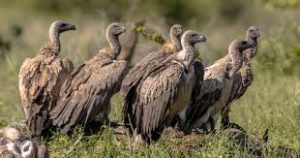
The Serengeti National Park is not only famous for the great wildebeest migration and its iconic large mammals, but also for its remarkable diversity of avian species. For birdwatchers and eco-tourists alike, the birdlife of Serengeti offers an extraordinary window into the intricate ecosystems of East Africa. Over 500 species of birds inhabit the park, each adapted to specific habitats ranging from open savannahs to dense woodlands and wetlands. Understanding the habitats of these birds is essential for spotting and appreciating the different species, as each area of the park supports unique bird populations. This section will explore the most iconic and commonly observed species, their habitats, and tips for spotting them during a safari.
Among the most notable raptors of the Serengeti are the Martial Eagle, African Fish Eagle, and the Secretary Bird. The Martial Eagle, Africa’s largest eagle, can often be seen soaring high over the savannah, scanning for prey such as small mammals and birds. Its powerful talons and keen eyesight make it a top predator in the ecosystem, and observing it in flight is a highlight for many birdwatchers. Similarly, the African Fish Eagle is a striking presence near rivers, lakes, and wetlands, with its distinctive call echoing across the water. The Secretary Bird, with its long legs and unique hunting technique of stomping prey on the ground, is usually found in open grasslands where it can easily chase down snakes and insects. These raptors are excellent examples of the birdlife of Serengeti, showcasing both beauty and functionality within the ecosystem. Birdwatchers are often advised to visit early in the morning or late afternoon, when these birds are most active, and to bring binoculars and high-resolution cameras to capture their remarkable behavior. For more details on raptor species, authoritative resources like the Cornell Lab of Ornithology (https://www.birds.cornell.edu/home) provide in-depth profiles on African raptors and their behaviors.
Waterbirds are another critical component of the Serengeti’s avian diversity. Wetlands along the Mara and Grumeti rivers support large populations of storks, herons, egrets, and jacanas. The African Jacana, often called the “lily-trotter” due to its ability to walk on floating vegetation, is a particularly fascinating species for bird enthusiasts. These birds rely on wetland habitats for nesting and feeding, making the preservation of these ecosystems vital for maintaining the balance of the birdlife of Serengeti. Migratory waterbirds also visit the park seasonally, including species that travel from Europe and Asia to escape colder climates. Observing these migratory patterns offers unique insights into avian adaptation and survival strategies. Birdwatchers should plan visits during the wet season, when water levels are high and food availability supports large congregations of waterbirds. Local guides are invaluable in helping visitors locate these species and understand their ecological significance.
In addition to raptors and waterbirds, the Serengeti hosts a stunning array of passerines, including weavers, sunbirds, and hornbills. Weaver birds are particularly abundant during the breeding season, when males construct intricate nests from grass and twigs to attract mates. The colorful sunbirds, reminiscent of hummingbirds, feed primarily on nectar and are commonly seen around flowering trees and shrubs. Hornbills, with their distinctive large bills and cooperative breeding behavior, inhabit woodlands and forested areas within the park. The presence of these species highlights the complexity of the Serengeti’s ecosystems and the diverse niches that different birds occupy. Observing these smaller birds often requires patience and careful attention to detail, but it is highly rewarding for enthusiasts seeking a deeper connection with the birdlife of Serengeti. For field identification and habitat information, resources such as the African Bird Club (https://www.africanbirdclub.org/) provide comprehensive guides and photographic references.
The migratory dynamics of Serengeti’s bird species also add an exciting dimension to the park’s ecological richness. Birds such as European Swallows, Common Cuckoos, and various warblers arrive during the wet season to breed, taking advantage of the increased availability of insects and water. Their arrival coincides with the peak of the wildebeest migration, creating a spectacular scene of interdependent wildlife activity. Understanding the timing of these migrations is crucial for serious birdwatchers aiming to observe rare or transient species. Seasonal changes also influence habitat use: wetlands expand and contract with rainfall, while grasslands and woodlands offer varying levels of cover and food resources. These dynamic patterns ensure that the birdlife of Serengeti is never static and offer birdwatchers multiple opportunities to observe diverse species during different times of the year.
Finally, conservation efforts in the Serengeti have a direct impact on the sustainability of its bird populations. Habitat protection, anti-poaching measures, and eco-tourism initiatives all contribute to maintaining a thriving avian community. Endangered species, such as the Saddle-billed Stork and certain vultures, benefit greatly from ongoing monitoring and protection programs. Tourists can participate responsibly by supporting eco-friendly accommodations and guided birdwatching tours that adhere to ethical wildlife observation standards. By fostering awareness and involvement, visitors play a role in preserving the extraordinary birdlife of Serengeti for future generations, ensuring that this iconic national park continues to be a haven for both birds and humans alike.
For birdwatchers and wildlife enthusiasts, timing and location are critical factors when planning a visit to the Serengeti National Park. The park’s rich avian diversity, which encompasses over 500 species, is influenced by seasonal variations, rainfall patterns, and migratory movements. Understanding the best times and locations to observe the birdlife of Serengeti ensures an optimal safari experience, allowing visitors to witness rare and iconic species in their natural habitats. Whether you are interested in spotting raptors soaring over open plains, colorful weavers nesting in acacia trees, or waterbirds congregating in wetlands, strategic planning is key.
The Serengeti experiences two primary seasons: the wet season, typically from November to May, and the dry season, from June to October. Each season offers unique opportunities for bird observation. During the wet season, lush vegetation and abundant insects create ideal conditions for both resident and migratory species. European swallows, common cuckoos, and various warblers arrive from colder regions to breed and feed, significantly increasing the diversity of birds visible to visitors. This period is particularly excellent for spotting smaller passerines, colorful sunbirds, and intricately woven weaver nests. Wetlands and riverine areas expand during this season, attracting large congregations of waterbirds such as storks, herons, egrets, and African Jacanas. Birdwatchers are advised to carry waterproof gear, insect repellent, and binoculars to take full advantage of the active birdlife during this time. For an in-depth seasonal guide, resources like BirdLife International provide detailed migratory calendars and species-specific information, which can greatly enhance the planning of a Serengeti birding safari.
The dry season offers a contrasting but equally spectacular birdwatching experience. From June to October, water sources shrink, concentrating wildlife, including birds, around permanent rivers and waterholes. This makes it easier to locate raptors, vultures, and other predatory birds that follow prey populations. The open grasslands also provide unobstructed views of ground-dwelling species such as the Secretary Bird, ground hornbills, and larks. While the number of migratory species decreases during the dry season, resident birds remain highly active, engaging in feeding, nesting, and social behaviors that are fascinating to observe and photograph. The dry season coincides with the great wildebeest migration, adding another layer of excitement for birdwatchers, as the movement of herbivores attracts birds of prey and scavengers. Planning a trip around the dry season offers the dual advantage of observing both terrestrial and avian wildlife in one safari.
Location within the Serengeti is just as important as timing. Certain areas of the park are hotspots for specific bird species. For example, the northern Serengeti, near the Mara River, is renowned for its concentration of waterbirds, including the Saddle-billed Stork and heron species. Visitors can expect to see African Fish Eagles perched along riverbanks, while large flocks of ducks and waders congregate on shallow river shallows. The central Serengeti, with its vast open plains, is ideal for spotting raptors such as the Martial Eagle and Secretary Bird, as well as colorful lapwings and larks that thrive in grassland habitats. Meanwhile, the southern Serengeti, encompassing areas like the Ndutu region, is known for its wetlands and seasonal floodplains, which attract thousands of migratory birds, especially during the wet season. The western corridor, near the Grumeti River, combines woodland and riverine habitats, supporting hornbills, barbets, and numerous passerines. By understanding the unique characteristics of each region, birdwatchers can maximize their sightings and gain a comprehensive appreciation of the birdlife of Serengeti.
Strategic observation techniques also enhance the birdwatching experience in Serengeti. Early mornings and late afternoons are the most active times for many species, as birds forage, hunt, and engage in social behaviors during cooler parts of the day. Using binoculars and high-quality cameras with zoom lenses allows for detailed observation without disturbing the birds. Guides play a crucial role in helping visitors locate species, interpret behavior, and identify rare or cryptic birds. Many guided birding safaris also include access to concealed observation points near waterholes, allowing for extended viewing of elusive species like the African Pygmy Kingfisher or the Little Bittern. Visitors are encouraged to maintain a respectful distance from nests and feeding areas to ensure minimal disturbance to the ecosystem. Ethical birdwatching practices not only protect the birdlife of Serengeti but also contribute to the sustainability of eco-tourism in the region.
In addition to on-the-ground locations, technology and field resources can enhance the birdwatching experience. Field guides, birding apps, and online resources provide identification charts, audio calls, and habitat descriptions that help travelers recognize birds more accurately. For example, the eBird platform offers real-time data on bird sightings across the Serengeti, allowing visitors to adjust their itinerary based on recent observations. Combining traditional birding techniques with digital tools ensures a richer and more informed experience. Additionally, educational centers and conservation programs within Tanzania often provide workshops and guided tours that focus specifically on the birdlife of Serengeti, offering both novice and experienced birdwatchers a deeper understanding of avian ecology, migration patterns, and conservation challenges.
By carefully considering the best times and locations to see birds, visitors can fully appreciate the unparalleled richness of the Serengeti. The park’s diversity of ecosystems—from open plains to wetlands and woodlands—supports a complex network of bird species that change with the seasons. Whether you are drawn to the grandeur of raptors, the delicate beauty of passerines, or the dynamic spectacle of migratory waterbirds, timing your visit strategically is essential for a memorable experience. By planning around seasonal patterns, selecting key observation points, and employing ethical birding techniques, travelers can witness the full splendor of the birdlife of Serengeti in one of the most iconic national parks in the world.
Exploring the Serengeti National Park is a dream come true for many wildlife enthusiasts, but when it comes to the birdlife of Serengeti, proper planning can significantly enhance the experience. Birdwatching in this vast ecosystem requires a combination of knowledge, preparation, and respect for the natural environment. By understanding what to expect, when to visit, and how to observe birds ethically, visitors can make the most of their safari while contributing to the conservation of Tanzania’s incredible avian diversity. This section provides detailed guidance on tips, techniques, and planning strategies for anyone seeking an immersive birdwatching adventure in the Serengeti.
The first and most critical step in planning a birdwatching safari is choosing the right time of year. The Serengeti experiences a wet season from November to May and a dry season from June to October. Each period offers unique advantages for observing different species. The wet season is ideal for seeing migratory birds from Europe and Asia, such as warblers, swallows, and cuckoos, while the dry season allows for easier spotting of resident raptors and waterbirds concentrated around shrinking waterholes. Understanding these seasonal dynamics enables visitors to target specific species and behaviors. Resources such as BirdLife International and regional birding guides provide detailed calendars and migratory data to help travelers plan their trips effectively. By selecting the optimal season, visitors can maximize sightings of the most iconic members of the birdlife of Serengeti and experience the park’s diversity in full bloom.
Selecting the right safari location within the Serengeti is equally important. Different habitats host different bird populations, and knowledge of these zones is essential for effective birdwatching. The northern Serengeti, near the Mara River, is rich in waterbirds, including African Fish Eagles, storks, and herons. The central Serengeti plains are ideal for spotting raptors such as the Martial Eagle and Secretary Bird, as well as ground-dwelling species like larks and lapwings. The western corridor, with its woodlands and riverine areas, attracts hornbills, barbets, and numerous passerines. Finally, the southern Serengeti, including the Ndutu region, hosts seasonal wetlands that draw thousands of migratory birds. Knowing which area to visit based on target species can save time and increase the success of birdwatching excursions. For detailed maps and habitat guides, platforms like the African Bird Club offer invaluable resources for planning routes and identifying hotspots within the park.
Essential gear is another cornerstone of a successful birdwatching safari. Binoculars are a must for observing birds at a distance without disturbing their natural behavior, while spotting scopes allow for detailed examination of rare or distant species. High-resolution cameras with telephoto lenses are recommended for capturing photographs, particularly for documentation and identification purposes. Field guides, either in print or as mobile apps, provide descriptions, illustrations, and behavioral information for hundreds of bird species found in the Serengeti. Digital tools like eBird also offer real-time sighting updates, enabling birdwatchers to adjust their itinerary based on recent observations. Packing lightweight, breathable clothing in neutral colors helps blend with the environment and reduces the risk of startling wildlife. Additionally, sun protection, insect repellent, and reusable water bottles are essential for staying comfortable during long hours of observation. Proper preparation ensures that birdwatchers can spend more time enjoying the birdlife of Serengeti rather than dealing with logistical challenges.
Guided tours can greatly enhance the birdwatching experience in Serengeti. Professional guides are familiar with bird habitats, seasonal behaviors, and observation techniques, helping visitors locate both common and elusive species. They also provide context on ecological roles, conservation challenges, and interesting facts about the park’s avian residents. Small-group tours or private guides are recommended for a more personalized experience, allowing for slower, more careful observation. Guides often know hidden spots near waterholes, forest edges, and wetlands where rare or shy species can be observed without causing disturbance. For those interested in photography, guides can advise on optimal lighting, angles, and timing to capture birds in their natural settings. Working with experienced guides not only improves sightings but also ensures that birdwatching activities are conducted responsibly and sustainably.
Ethical considerations are central to birdwatching in the Serengeti. Maintaining a respectful distance from birds and nests prevents disruption of natural behaviors, while avoiding loud noises and sudden movements reduces stress on wildlife. Feeding birds or attempting to attract them with food is strictly discouraged, as it can lead to dependency and disrupt natural feeding patterns. Observing birds in groups should also be conducted with care, ensuring that habitats are left undisturbed and that interactions with local wildlife are minimally invasive. By practicing ethical birdwatching, visitors help preserve the delicate balance of the Serengeti ecosystem and contribute to the long-term conservation of its remarkable avian populations. Observing and documenting the birdlife of Serengeti responsibly ensures that future generations can enjoy the same richness of species and ecological diversity.
Finally, effective planning includes combining birdwatching with broader safari activities. The Serengeti offers opportunities to observe mammals, reptiles, and other wildlife alongside birds, creating a more holistic understanding of the ecosystem. Many lodges and camps provide combined wildlife and birding itineraries, allowing travelers to maximize their time in the park. Engaging with conservation programs, research projects, or citizen science initiatives can also enhance the educational value of a safari. Visitors gain firsthand insight into the challenges of wildlife management, habitat protection, and species monitoring while contributing to ongoing efforts to protect the park. By integrating preparation, strategic location selection, ethical practices, and guided expertise, visitors can fully appreciate the complexity and beauty of the birdlife of Serengeti, making their safari both unforgettable and responsible.
The Serengeti National Park is not only a natural wonder but also a critical hub for wildlife conservation, particularly regarding its diverse avian population. The birdlife of Serengeti faces a range of challenges, from habitat degradation and climate change to human activity and migratory pressures. Protecting these species is essential not only for maintaining the ecological integrity of the park but also for preserving the cultural, scientific, and tourism value that birds provide. This section explores ongoing conservation efforts, partnerships, research initiatives, and future prospects for maintaining a thriving bird population in one of Africa’s most iconic landscapes.
One of the primary conservation strategies in the Serengeti involves habitat preservation. The park’s varied ecosystems—including grasslands, woodlands, and wetlands—support different bird species that rely on specific environmental conditions for feeding, nesting, and breeding. Wetlands such as those along the Mara and Grumeti Rivers are particularly vulnerable to changes in water availability and pollution. Conservation programs work to monitor water levels, prevent contamination, and manage human activity near these critical habitats. By maintaining healthy ecosystems, organizations ensure that both resident and migratory birds continue to thrive. Efforts to protect raptor populations, for instance, include monitoring nesting sites for Martial Eagles, Secretary Birds, and African Fish Eagles, ensuring that disturbances are minimized and prey availability is maintained. The birdlife of Serengeti is thus safeguarded through a combination of habitat management, research, and community engagement, which collectively enhance the long-term sustainability of the park’s avian populations.
Collaborative initiatives between local authorities, international organizations, and conservation groups play a vital role in protecting bird species. Programs led by BirdLife International (https://www.birdlife.org/) and the African Bird Club (https://www.africanbirdclub.org/) monitor populations, track migratory patterns, and implement species-specific protection measures. For example, endangered birds such as the Saddle-billed Stork and certain vulture species receive focused attention, including nesting support and anti-poaching patrols. These collaborations also provide educational outreach to local communities, helping residents understand the ecological and economic importance of birds, as well as ways to reduce conflicts and promote coexistence. Such integrated approaches have proven effective in enhancing conservation outcomes while supporting sustainable tourism, which in turn generates revenue for continued protection efforts.
Research and citizen science initiatives are increasingly important for tracking trends in the birdlife of Serengeti. Platforms such as eBird enable scientists and bird enthusiasts to submit real-time observations, creating a rich database of sightings, migration patterns, and seasonal behaviors. These contributions inform conservation strategies, allowing researchers to identify species at risk, monitor changes in population dynamics, and respond to emerging threats such as habitat loss or invasive species. Additionally, universities and research institutes conduct long-term ecological studies, focusing on breeding success, feeding ecology, and interactions between birds and other wildlife. The combination of professional research and citizen science ensures that conservation efforts are data-driven and adaptive, increasing their effectiveness in protecting the park’s diverse avian life.
Tourism plays a dual role in bird conservation in the Serengeti. On one hand, sustainable birdwatching and eco-tourism generate significant economic support for conservation programs. Guided birding tours, lodge accommodations, and educational experiences provide revenue that funds habitat management, anti-poaching initiatives, and community outreach. On the other hand, poorly managed tourism can lead to habitat disturbance, pollution, and stress on sensitive species. Therefore, conservationists emphasize responsible birdwatching practices, including maintaining safe distances from nests, avoiding feeding or provoking wildlife, and adhering to park regulations. Visitors who engage ethically not only enjoy a richer experience but also contribute directly to the long-term protection of the birdlife of Serengeti, ensuring that these species continue to inspire future generations.
Looking to the future, climate change and human encroachment present ongoing challenges for the Serengeti’s birds. Shifts in rainfall patterns, increasing temperatures, and land-use changes in surrounding areas could alter migration routes, food availability, and breeding success. Addressing these threats requires adaptive management strategies, continuous research, and international cooperation. Conservation organizations are increasingly focusing on resilience-building measures, such as creating buffer zones, restoring degraded habitats, and supporting community-based conservation initiatives. By fostering collaboration between local communities, scientists, and policymakers, the long-term survival of the birdlife of Serengeti can be supported, allowing the park to maintain its status as a global biodiversity hotspot.
In conclusion, the conservation of the Serengeti’s avian population is a complex but vital undertaking. Protecting habitats, engaging communities, conducting research, and promoting sustainable tourism all contribute to ensuring that the park’s birds continue to thrive. From the soaring raptors of the open plains to the delicate passerines in woodlands and wetlands, the birdlife of Serengeti represents a living testament to the richness and resilience of nature. By supporting conservation efforts and practicing responsible birdwatching, visitors and locals alike can help preserve this extraordinary natural heritage for generations to come, ensuring that the Serengeti remains a sanctuary not only for its iconic mammals but also for its remarkable and diverse bird populations.