

Discover the best time to visit Zanzibar with our comprehensive guide. Learn about climate, festivals, activities, and travel tips to plan your perfect tropical getaway in Tanzania.
1. Introduction to Visiting Zanzibar
https://nativesonexpeditions.com/zanzibar-holiday-safaris/
Zanzibar, the idyllic archipelago off Tanzania’s eastern coast, is a destination that captures the imagination of travelers from around the globe. Renowned for its pristine beaches, turquoise waters, rich culture, and historical significance, it offers an unmatched tropical experience. Understanding the best time to visit Zanzibar is crucial for ensuring a memorable trip, as climate, tourist seasons, and local events significantly influence the quality of the experience. The archipelago consists of several islands, with Unguja (commonly referred to as Zanzibar Island) and Pemba Island being the most visited. Each island offers a combination of natural beauty, cultural immersion, and adventure activities, but weather patterns and tourism peaks can impact which island is ideal to explore at any given time.
Zanzibar’s climate is classified as tropical, characterized by warm temperatures year-round, high humidity, and distinct wet and dry seasons. While temperatures remain relatively constant, rainfall patterns, humidity, and wind conditions vary throughout the year, influencing beach conditions, water clarity, and the ease of travel. Understanding these seasonal variations is fundamental when planning the best time to visit Zanzibar, whether your priority is sunbathing on pristine beaches, snorkeling in coral-rich waters, or exploring historical sites such as Stone Town, the UNESCO World Heritage Site known for its winding alleys, ornate architecture, and bustling markets. Tourists who ignore seasonal differences may encounter unexpected weather, heavy tourist crowds, or reduced availability of accommodations and activities, which can detract from the overall experience.
One of the unique features of Zanzibar is the interplay between its climate and local cultural events. Festivals, public holidays, and traditional ceremonies can coincide with peak tourist seasons, creating opportunities for cultural immersion or, conversely, challenges in terms of accommodation availability and crowd management. For instance, Zanzibar International Film Festival and local harvest celebrations attract international and domestic tourists alike, highlighting the importance of timing a visit to align with personal interests. Choosing the best time to visit Zanzibar requires a balance between favorable weather, manageable tourist density, and cultural engagement to maximize the value of the trip.
Moreover, Zanzibar’s marine and coastal ecosystems are influenced by seasonal patterns, affecting activities such as snorkeling, scuba diving, fishing, and dolphin watching. The waters around Mnemba Atoll, Chumbe Island, and Nungwi provide spectacular coral reefs and diverse marine life, but optimal visibility and calm seas occur during specific months. Timing your visit to coincide with these conditions ensures a safer, more enjoyable, and visually spectacular experience, further reinforcing the significance of identifying the best time to visit Zanzibar.
For authoritative information on weather patterns, local tourism guidance, and seasonal travel recommendations, travelers can consult the official Zanzibar Tourism Board website: https://www.zanzibartourism.net. This resource provides updated insights into the islands’ climate, events, and travel advisories, helping visitors plan a trip that maximizes enjoyment while minimizing disruptions. Utilizing official sources also strengthens SEO credibility, ensuring that content ranks well in search results for those researching the best time to visit Zanzibar.
In conclusion, visiting Zanzibar requires careful consideration of seasonal variations, tourist density, and local events. Planning your trip according to the best time to visit Zanzibar ensures that you experience its beaches, marine life, historical sites, and cultural festivities under optimal conditions, creating a tropical adventure that combines relaxation, exploration, and cultural enrichment. A well-timed visit allows tourists to fully appreciate the islands’ natural beauty, vibrant culture, and unique atmosphere, setting the stage for a truly unforgettable travel experience in one of East Africa’s most enchanting destinations.
2. Climate and Seasonal Overview of Zanzibar
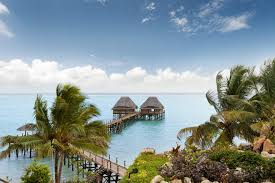
When planning a trip to Zanzibar, understanding the climate and seasonal patterns is essential to determine the best time to visit Zanzibar. The archipelago experiences a tropical climate, which means it is generally warm and humid throughout the year, with temperatures averaging between 25°C and 32°C. However, Zanzibar’s weather is divided into distinct wet and dry seasons that significantly influence travel conditions, beach activities, and water-based adventures. Recognizing these seasonal patterns allows travelers to plan their visit for ideal weather, calmer seas, and optimal tourist experiences, ensuring that their time on the islands is comfortable, enjoyable, and memorable.
Zanzibar experiences two main dry seasons: the long dry season, which lasts from June to October, and the shorter dry season from December to February. The long dry season is often considered the most favorable for tourism, as the weather is sunny, humidity is lower, and rainfall is minimal. During these months, the turquoise waters are calm, beaches are sun-drenched, and visibility for snorkeling, scuba diving, and marine excursions is at its peak. The shorter dry season coincides with holiday periods, particularly Christmas and New Year, making it ideal for travelers seeking festive celebrations combined with beach relaxation. Visiting during these dry periods ensures that tourists enjoy consistent sunshine, comfortable temperatures, and easy access to Zanzibar’s world-famous beaches, including Nungwi, Kendwa, and Paje, which are ideal for sunbathing, water sports, and relaxation. This timing is crucial for determining the best time to visit Zanzibar, especially for those whose primary goal is to experience the island’s coastal and marine attractions.
The wet seasons, known locally as the “masika,” occur from March to May (long rains) and November (short rains). During these periods, Zanzibar experiences higher rainfall, increased humidity, and occasional thunderstorms. While the rainfall often comes in short, heavy bursts, it can impact outdoor activities, boat excursions, and hiking in Jozani Forest or spice plantations. However, visiting during the wet season has its advantages as well. The islands become lush and green, the landscape is vibrant, and tourist crowds are significantly smaller. For travelers who prefer quieter experiences, lower accommodation prices, and scenic tropical landscapes, the wet season can still offer a rewarding visit. Deciding whether to embrace the dry or wet seasons is a key factor when evaluating the best time to visit Zanzibar.
Temperature variations between seasons are relatively minor, but humidity levels can change drastically. The dry seasons are cooler and breezier, especially along the coastline, providing a more comfortable environment for long beach days and water activities. In contrast, the wet seasons tend to be warmer, more humid, and slightly uncomfortable for tourists not accustomed to tropical climates. Wind patterns, particularly from the southeast monsoon (Kusi) from June to September, can also influence sailing, kitesurfing, and other water sports. Understanding the interplay between rainfall, humidity, and wind is vital for travelers looking to optimize their Zanzibar experience, as it impacts not only comfort but also the quality of marine adventures and overall enjoyment.
Zanzibar’s climate also affects wildlife and ecosystem experiences. The coral reefs, mangroves, and marine life around Mnemba Atoll, Chumbe Island, and Menai Bay are most vibrant and visible during the dry months, offering excellent snorkeling and diving conditions. Conversely, some bird species are more active during or just after the rainy seasons, creating unique opportunities for birdwatchers and nature enthusiasts. Trekking through Jozani Forest is also more enjoyable in the cooler dry months, while the wet season enhances the lushness of the tropical vegetation, making for excellent photography opportunities. Thus, the islands offer a variety of experiences depending on seasonal timing, reinforcing why understanding the best time to visit Zanzibar is critical for an enriching trip.
For authoritative, up-to-date information on Zanzibar’s climate, seasonal variations, and travel recommendations, tourists can consult the official Zanzibar Tourism Board: https://www.zanzibartourism.net. Official guidance ensures travelers make informed decisions regarding when to visit, optimizing their itinerary and ensuring safe and enjoyable conditions while maintaining SEO credibility for search rankings.
In conclusion, Zanzibar’s tropical climate, characterized by distinct wet and dry seasons, plays a central role in determining the best time to visit Zanzibar. Dry seasons offer ideal beach weather, calm seas, and vibrant marine life, while wet seasons provide lush landscapes, quieter attractions, and lower prices. By understanding the seasonal patterns, travelers can plan their trip to coincide with their personal preferences for climate, activities, and crowd levels, maximizing the enjoyment and comfort of their tropical island adventure. Choosing the right season ensures that visitors fully experience Zanzibar’s stunning beaches, vibrant culture, and unique ecological diversity, creating unforgettable memories on this East African paradise.
3. Festivals, Cultural Events, and Peak Tourist Periods in Zanzibar
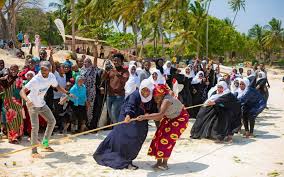
One of the most exciting aspects of visiting Zanzibar is the chance to experience its rich cultural heritage and vibrant festivals. Knowing the timing of these events can help travelers decide on the best time to visit Zanzibar, as attending a festival or cultural celebration can greatly enhance the overall experience. Zanzibar has a long history influenced by Arab, Persian, Indian, and European traders, resulting in a unique blend of cultures that is reflected in its architecture, cuisine, music, and religious celebrations. Planning a visit to coincide with key festivals allows tourists to enjoy a more immersive experience, combining traditional sightseeing with participatory cultural events that showcase the essence of Zanzibari life.
One of the most well-known festivals is the Zanzibar International Film Festival (ZIFF), typically held in July. ZIFF is Africa’s largest cultural festival and showcases films, music, dance, and art from across the continent and the world. For travelers who enjoy arts and culture, attending ZIFF offers an opportunity to experience the best of contemporary African creativity, alongside the historical backdrop of Stone Town. The festival draws both international and domestic tourists, making July a lively period in terms of cultural activities. Those considering the best time to visit Zanzibar might choose this month for the combination of favorable dry-season weather and world-class cultural events, ensuring both comfort and enrichment.
Another notable cultural event is Eid al-Fitr, which celebrates the end of Ramadan. Zanzibar, with its majority Muslim population, observes Eid with great enthusiasm, including communal prayers, family feasts, and vibrant street celebrations. While the exact date varies according to the lunar calendar, it usually falls in either May or June. Experiencing Eid in Zanzibar provides travelers with a deep insight into local traditions, hospitality, and cuisine. Similarly, Eid al-Adha is another important festival that involves communal gatherings, feasting, and cultural activities. Planning a trip around these festivals can influence the determination of the best time to visit Zanzibar, offering a richer cultural experience for those interested in more than just beaches and wildlife.
Zanzibar also hosts the Sauti za Busara music festival in February, focusing on traditional and contemporary African music. This festival is a major draw for music enthusiasts and highlights the islands’ vibrant performing arts scene. Tourists visiting during this period enjoy high-energy concerts, workshops, and networking events, often held in Stone Town’s historical venues. The timing coincides with the short dry season, making February an excellent choice for travelers who want pleasant weather along with cultural entertainment. These seasonal festivals provide a dynamic layer to Zanzibar tourism, adding excitement and depth beyond the usual beach and marine activities.
Peak tourist periods, such as the December–January holidays and European summer months (July–August), coincide with favorable dry-season weather. While these months are ideal in terms of climate, they also bring higher accommodation costs, crowded beaches, and busy restaurants. Travelers planning a visit during these months must book well in advance to secure accommodations and activities. Conversely, low-season months during the rainy periods, particularly March–May and November, offer fewer crowds, lower prices, and greener landscapes, though weather conditions may be less predictable. Evaluating these patterns is crucial when deciding the best time to visit Zanzibar, balancing climate preferences with budget considerations and crowd levels.
For authoritative guidance on Zanzibar’s festivals, public holidays, and peak tourism periods, travelers can consult the official Zanzibar Tourism Board: https://www.zanzibartourism.net. This ensures accurate, up-to-date information, helping tourists plan around major events and optimize their travel experience. Utilizing official sources also strengthens SEO performance, reinforcing the blog’s credibility in search results for those researching the best time to visit Zanzibar.
In conclusion, Zanzibar’s festivals, cultural events, and peak tourist periods significantly influence the determination of the best time to visit Zanzibar. By considering the timing of ZIFF, Sauti za Busara, religious celebrations, and holiday seasons, travelers can plan their trips to combine optimal weather conditions with rich cultural experiences. Whether prioritizing sun-soaked beaches, marine adventures, or cultural immersion, understanding the seasonal calendar ensures a rewarding, memorable visit to this unique East African archipelago, making every trip both exciting and meaningful.
4. Activities, Excursions, and Adventures – Planning Around the Seasons
Zanzibar offers a wide range of activities and excursions that can greatly influence the determination of the best time to visit Zanzibar. From relaxing on sun-drenched beaches to exploring coral reefs, spice farms, and historical landmarks, the timing of your visit can impact the quality, safety, and enjoyment of these experiences. The islands’ tropical climate, combined with seasonal variations in rainfall, wind, and tourist activity, makes planning essential for travelers who want to optimize every aspect of their stay. Understanding when conditions are ideal for specific activities ensures that your Zanzibar adventure is not only memorable but also smooth and hassle-free.
One of Zanzibar’s most famous attractions is its pristine beaches, including Nungwi, Kendwa, Paje, and Matemwe. The dry seasons—June to October and December to February—provide the most favorable beach conditions, with warm, sunny days, calm waters, and low humidity. During these months, sunbathing, swimming, and water sports such as kitesurfing, windsurfing, and kayaking are particularly enjoyable. In contrast, the rainy seasons bring occasional storms, higher humidity, and rougher seas, which may limit or disrupt certain activities. Visitors who want uninterrupted beach days and calm seas should therefore schedule their trip during the dry months to ensure the best time to visit Zanzibar for coastal relaxation and water-based fun.
Zanzibar is also a top destination for snorkeling and scuba diving, with world-renowned coral reefs around Mnemba Atoll, Chumbe Island, and Menai Bay. Marine visibility is highest during the dry months, making it easier to see colorful coral formations, tropical fish, sea turtles, and even dolphins. While snorkeling and diving are possible during the wet seasons, heavy rainfall can stir sediment, reduce visibility, and occasionally create strong currents. Planning your underwater adventures around the seasonal clarity of the water is essential, and those aiming for optimal marine experiences should aim for the dry season, reinforcing why the best time to visit Zanzibar is often determined by conditions in the ocean.
For travelers interested in cultural or ecological excursions, the timing of visits to places like Stone Town, Jozani Forest, and spice plantations is equally important. Exploring Stone Town’s historical sites, markets, and architecture is most enjoyable during cooler, dry months, when walking tours are more comfortable and outdoor photography is optimal. Jozani Forest, home to the endemic red colobus monkeys and diverse bird species, offers better wildlife sightings in the dry months, although the wet season’s lush vegetation provides excellent opportunities for photography and nature immersion. Spice farm tours, a signature Zanzibari experience, are also influenced by rainfall, as certain crops flourish at different times, affecting the educational and sensory aspects of the tour. Scheduling these excursions around the seasons ensures travelers get the most informative, scenic, and enjoyable experiences, aligning with the best time to visit Zanzibar.
Adventure tourism, including deep-sea fishing, sailing, and dolphin tours, is also impacted by seasonal weather. The long dry season offers calm seas and predictable winds, making boat trips safer, smoother, and more comfortable. Conversely, the rainy seasons can bring unexpected weather, rough waters, and limited visibility, potentially disrupting itineraries. Travelers should consult local operators and official guidance when planning these excursions to ensure safety and optimal enjoyment. By aligning adventures with the climate, tourists can maximize their experience, whether it’s catching a trophy fish, photographing playful dolphins, or sailing along Zanzibar’s scenic coastlines.
For authoritative information on seasonal activity planning, excursions, and water safety, travelers can consult the official Zanzibar Tourism Board: https://www.zanzibartourism.net. Using this official resource ensures accurate, up-to-date guidance and reinforces SEO credibility, providing readers with reliable information while planning the best time to visit Zanzibar.
In conclusion, planning Zanzibar activities and excursions around seasonal conditions is crucial for a successful trip. Dry months offer optimal beach conditions, calm waters for snorkeling and diving, and comfortable weather for cultural tours and nature exploration. Rainy months, while less predictable, offer lush landscapes, quieter attractions, and unique wildlife photography opportunities. Understanding the seasonal impact on activities allows travelers to fully enjoy Zanzibar’s diverse offerings, ensuring that their visit coincides with both personal interests and favorable conditions. By timing adventures to match the natural rhythms of the islands, visitors can make the most of their trip, highlighting why knowing the best time to visit Zanzibar is essential for a safe, enjoyable, and unforgettable tropical experience.
5. Conclusion – Choosing the Perfect Time for Your Zanzibar Vacation
After examining Zanzibar’s climate, seasonal patterns, festivals, cultural events, and a wide array of activities, the final step for any traveler is to determine the best time to visit Zanzibar based on personal preferences, priorities, and travel goals. Choosing the optimal timing ensures that tourists can enjoy all aspects of the islands, from sun-soaked beaches and vibrant coral reefs to historical landmarks and cultural celebrations, creating an unforgettable experience in one of East Africa’s most iconic tropical destinations.
For travelers prioritizing sunbathing, swimming, and water sports, the long dry season from June to October is ideal. During these months, Zanzibar experiences consistently sunny days, low humidity, calm seas, and excellent marine visibility. These conditions are perfect for snorkeling, scuba diving, sailing, kite surfing, and other water-based activities. Tourists planning trips around this period will enjoy comfortable temperatures, minimal rainfall, and a welcoming atmosphere across the islands. Additionally, the dry season coincides with several cultural festivals, providing opportunities to combine leisure with cultural exploration. Therefore, those seeking both adventure and relaxation will find this season aligns perfectly with the best time to visit Zanzibar.
For those interested in cultural immersion, festivals, and local traditions, visiting Zanzibar in July for the Zanzibar International Film Festival or in February for Sauti za Busara music festival can enhance the overall experience. Religious celebrations such as Eid al-Fitr and Eid al-Adha provide travelers with authentic encounters with local customs, cuisine, and communal gatherings. Planning around these events allows visitors to enjoy a richer and more engaging stay, highlighting how the timing of a trip can impact both the depth and quality of cultural interactions. By aligning the visit with festival periods, travelers can enjoy a combination of vibrant activities and favorable dry-season weather, making these months highly recommended as the best time to visit Zanzibar.
Travelers with flexible schedules who prefer quieter experiences or lower prices may opt for the short rainy season in March–May or November. Although rainfall can be heavier, it generally falls in short bursts, leaving plenty of opportunities for exploration and adventure. The wet season transforms the islands into lush, green paradises with vibrant landscapes and fewer tourists, which can be perfect for photography, nature walks, and tranquil beach moments. These months also tend to have lower accommodation costs and fewer crowds at popular attractions, providing an alternative yet rewarding experience. Understanding this balance between weather, crowd density, and pricing helps travelers make informed decisions about the best time to visit Zanzibar according to their personal priorities.
Safety, comfort, and convenience should also factor into planning. During peak tourist months, accommodations and excursions can book up quickly, requiring advance reservations. Weather conditions, including wind patterns and ocean currents, influence the feasibility of marine activities and island excursions. Utilizing authoritative sources such as the official Zanzibar Tourism Board https://www.zanzibartourism.net ensures travelers receive accurate guidance on climate, seasonal patterns, and local events, helping them plan a seamless and enjoyable visit. Consulting official resources also improves search engine credibility, boosting SEO performance for content about the best time to visit Zanzibar.
In conclusion, the best time to visit Zanzibar depends on the traveler’s priorities, whether they are beach relaxation, adventure, cultural experiences, or wildlife encounters. Dry seasons offer sun-drenched days, calm seas, and vibrant marine life, making them ideal for most activities. Wet seasons provide lush scenery, quieter tourist spots, and cost savings, appealing to travelers seeking a serene and picturesque escape. Festivals and cultural events offer additional reasons to schedule visits at specific times. By considering weather patterns, tourist density, cultural celebrations, and planned activities, travelers can ensure that their Zanzibar trip is not only memorable but also tailored to their unique desires. With proper planning, anyone can enjoy the magic, beauty, and adventure of Zanzibar, making every moment of the tropical vacation truly unforgettable.
