
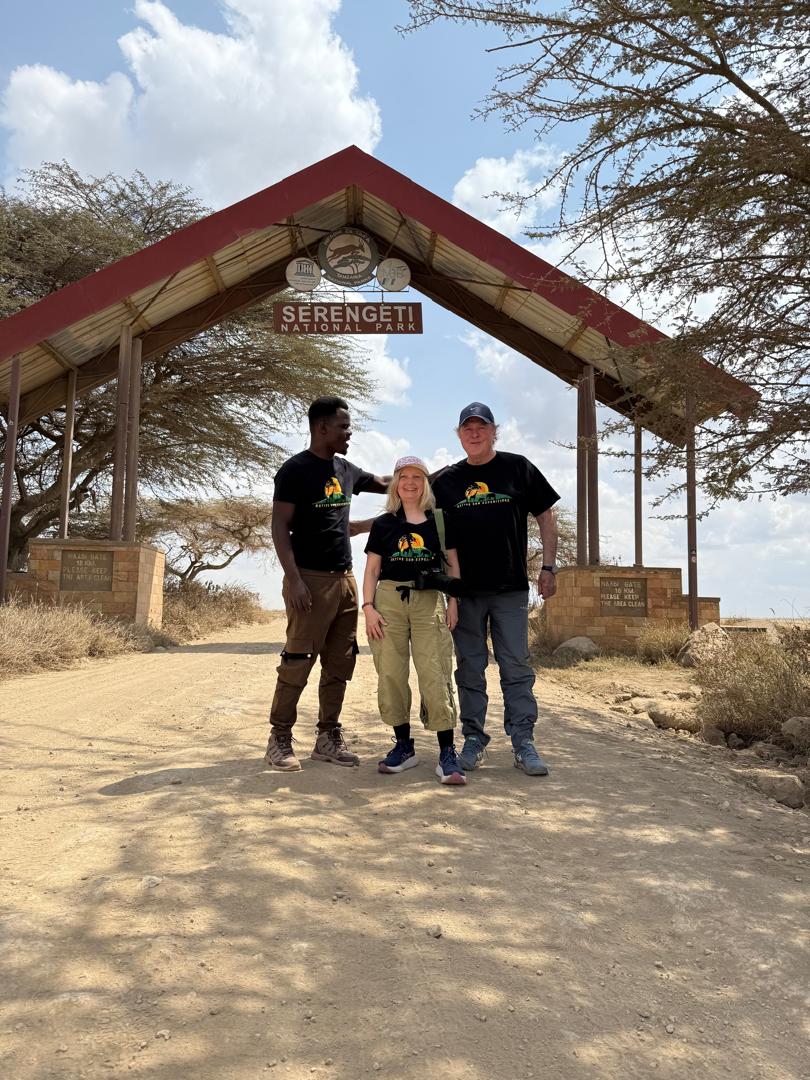
Explore the history of Serengeti National Park, from ancient ecosystems and early human presence to colonial conservation and modern wildlife protection in Tanzania.
Introduction to the History of Serengeti National Park
https://nativesonexpeditions.com/serengeti-migration-safari/
The Serengeti is one of the most celebrated natural landscapes on Earth, renowned for its vast plains, dramatic wildlife migrations, and timeless beauty. To truly appreciate its global significance, one must understand The history of Serengeti National Park, a story that stretches back millions of years and intertwines geology, climate, human civilization, colonial intervention, and modern conservation. This history is not merely about the establishment of a protected area but about the evolution of one of the planet’s most complex and resilient ecosystems, which continues to inspire scientists, travelers, and conservationists worldwide (https://www.britannica.com/place/Serengeti-National-Park).
Long before Serengeti became a national park, its plains were shaped by powerful geological forces. Volcanic activity from the Ngorongoro Highlands deposited nutrient-rich ash across the region, creating fertile soils that supported extensive grasslands. These grasslands became the foundation of a unique ecological system capable of sustaining vast populations of herbivores and predators. The interplay between climate patterns, seasonal rainfall, and soil composition gave rise to the migratory behavior that defines the Serengeti today. Understanding this prehistoric foundation is essential to appreciating The history of Serengeti National Park, as it explains why this region developed into such an extraordinary wildlife habitat (https://www.nationalgeographic.com/animals/article/serengeti-migration).
Archaeological evidence shows that humans have lived in and around the Serengeti for tens of thousands of years. Early hunter-gatherer communities depended on the land’s natural resources, coexisting with wildlife in a balanced relationship. Rock paintings and stone tools found near the Serengeti and surrounding areas indicate that humans adapted to the rhythms of migration and seasonal change. Unlike modern land-use practices, these early societies had minimal ecological impact, allowing wildlife populations to thrive. This long-standing coexistence between humans and nature forms a critical chapter in The history of Serengeti National Park, demonstrating that conservation and human presence were not always incompatible (https://whc.unesco.org/en/list/156).
The name “Serengeti” itself originates from the Maasai word Siringet, meaning “endless plains.” The Maasai people migrated into the region several centuries ago, bringing pastoral traditions centered on cattle herding. Their semi-nomadic lifestyle allowed them to share the landscape with wild animals while maintaining grazing lands. The Maasai viewed wildlife as part of the natural order rather than a threat, and their cultural practices reflected respect for the land. This indigenous stewardship played a crucial role in maintaining ecological balance long before formal conservation policies emerged, further enriching The history of Serengeti National Park (https://www.britannica.com/topic/Maasai-people).
European exploration in East Africa during the late 19th and early 20th centuries marked a turning point in Serengeti’s history. Explorers and hunters from Europe were captivated by the region’s abundance of wildlife, but their activities also introduced new pressures. Big-game hunting, driven by colonial interests, led to declining animal populations in certain areas. At the same time, European scientists began to recognize the Serengeti’s ecological value, laying the groundwork for future conservation efforts. This era represents a complex and often controversial phase in The history of Serengeti National Park, where exploitation and early scientific curiosity existed side by side (https://www.nationalgeographic.com/history/article/serengeti-history).
The formal conservation movement began in the early 20th century, influenced by growing concerns over wildlife depletion. In 1921, parts of the Serengeti were designated as a game reserve under British colonial administration. The goal was to regulate hunting and protect key species, particularly lions. Over time, the protected area expanded as conservationists realized that preserving wildlife required safeguarding entire ecosystems rather than isolated species. This shift in thinking was revolutionary and marked a defining moment in The history of Serengeti National Park, positioning it as a pioneer in ecosystem-based conservation (https://www.tanzaniaparks.go.tz).
In 1951, Serengeti was officially declared a national park, making it one of the earliest protected areas of its kind in Africa. This designation came with significant changes, including stricter protection measures and the relocation of some human communities, particularly the Maasai, to areas such as the Ngorongoro Conservation Area. While controversial, this decision aimed to balance wildlife preservation with human livelihoods. The establishment of the park solidified Serengeti’s status as a global conservation landmark and a cornerstone of The history of Serengeti National Park (https://whc.unesco.org/en/list/156).
Following independence in 1961, Tanzania reaffirmed its commitment to wildlife conservation. Serengeti National Park became a symbol of national pride and an essential component of the country’s tourism industry. Scientific research intensified during this period, with long-term studies on migration, predator-prey dynamics, and ecosystem resilience providing invaluable insights into conservation biology. These studies helped shape modern wildlife management practices not only in Tanzania but worldwide, reinforcing the global importance of The history of Serengeti National Park (https://www.britannica.com/place/Serengeti-National-Park).
International recognition soon followed. In 1981, Serengeti National Park was designated a UNESCO World Heritage Site, acknowledging its outstanding universal value. This status highlighted the park’s unparalleled biodiversity, intact ecological processes, and cultural significance. UNESCO recognition also strengthened international cooperation, funding, and research initiatives aimed at protecting the Serengeti for future generations. This milestone represents a modern chapter in The history of Serengeti National Park, emphasizing global responsibility for its preservation (https://whc.unesco.org/en/list/156).
Today, Serengeti National Park stands as a living testament to the power of long-term conservation. It supports millions of wildebeest, zebras, gazelles, and hundreds of predator species, maintaining one of the last great wildlife migrations on Earth. For international tourists, visiting Serengeti is not just a safari experience but a journey through time—one that reveals how natural forces, human cultures, and conservation philosophies have shaped an ecosystem of global significance. Understanding The history of Serengeti National Park enriches this experience, transforming wildlife viewing into a deeper appreciation of heritage, resilience, and the ongoing effort to protect one of Africa’s greatest treasures (https://www.nationalgeographic.com/animals/article/serengeti-migration).
Colonial Influence, Early Conservation Policies, and Scientific Exploration in the Serengeti
The colonial era marked a defining and complex phase in the evolution of the Serengeti, shaping conservation policies that would permanently alter the relationship between people, wildlife, and land. To fully understand The history of Serengeti National Park, it is essential to examine this period critically, as it introduced formal wildlife protection frameworks while simultaneously disrupting long-established indigenous land-use systems. This era laid the institutional and scientific foundations that still influence Serengeti’s management today (https://www.britannica.com/place/Serengeti-National-Park).
During the late 19th century, European colonial powers expanded their influence across East Africa, including present-day Tanzania, then known as Tanganyika. German colonial administration initially controlled the region before British rule took over following World War I. European explorers, hunters, and naturalists were captivated by the Serengeti’s vast plains and extraordinary abundance of wildlife. Early travel accounts described seemingly endless herds of wildebeest, zebra, and antelope, as well as high densities of predators. While these observations contributed valuable ecological records, they also fueled trophy hunting and exploitation, which began to threaten wildlife populations. This duality—documentation alongside destruction—became a defining feature of The history of Serengeti National Park during the colonial period (https://www.nationalgeographic.com/history/article/serengeti-history).
Big-game hunting was a popular pursuit among European elites, with lions, leopards, elephants, and rhinoceroses targeted for sport and prestige. Hunting expeditions were often poorly regulated, leading to localized declines in animal populations. At the same time, colonial authorities viewed wildlife primarily as a resource rather than an ecological system requiring holistic protection. Indigenous communities such as the Maasai, who had coexisted with wildlife for centuries, were increasingly restricted from traditional grazing lands, while European hunters enjoyed privileged access. These policies introduced social and ecological imbalances that would later necessitate formal conservation measures, reinforcing the significance of The history of Serengeti National Park as a narrative of both loss and reform (https://www.britannica.com/topic/Maasai-people).
As wildlife populations began to decline, early conservation concerns emerged among colonial scientists and administrators. By the early 1920s, awareness grew that unchecked hunting could irreversibly damage the Serengeti ecosystem. In response, British colonial authorities designated parts of the region as a protected game reserve in 1921, primarily to safeguard lion populations. This marked one of the earliest attempts at wildlife protection in East Africa. However, the focus remained narrow, targeting specific species rather than preserving the broader ecological processes that sustained them. This early approach represents an important yet limited chapter in The history of Serengeti National Park, highlighting the gradual evolution of conservation thinking (https://www.tanzaniaparks.go.tz).
The 1930s and 1940s saw a significant shift toward scientific inquiry and ecosystem-based conservation. European ecologists and zoologists began studying Serengeti’s wildlife dynamics more systematically. Researchers observed that the survival of predators depended on large-scale herbivore migrations, which in turn relied on vast, uninterrupted grasslands. These findings challenged earlier conservation models that emphasized small reserves and selective species protection. Scientists increasingly argued that Serengeti required large-scale preservation to maintain its ecological integrity. This scientific awakening played a crucial role in shaping The history of Serengeti National Park, transforming it into a cornerstone of modern conservation biology (https://www.nationalgeographic.com/animals/article/serengeti-migration).
One of the most influential figures during this period was German zoologist Professor Bernhard Grzimek, whose research and advocacy brought global attention to the Serengeti. Alongside his son Michael Grzimek, he conducted extensive aerial surveys in the 1950s to document wildlife populations and migration routes. Their work demonstrated that the Serengeti ecosystem extended far beyond the proposed park boundaries, emphasizing the need for large-scale protection. The Grzimeks’ findings were instrumental in convincing policymakers to expand conservation areas and limit human encroachment. Their contributions represent a pivotal scientific milestone in The history of Serengeti National Park (https://whc.unesco.org/en/list/156).
Colonial conservation policies, however, were not without controversy. The formal establishment of protected areas often involved the displacement of indigenous communities, particularly the Maasai. In the early 1950s, Maasai pastoralists were relocated from central Serengeti to the Ngorongoro Conservation Area to create a wildlife-only zone. While intended to protect ecological processes, this decision disrupted traditional livelihoods and sparked long-term debates about conservation ethics, human rights, and land ownership. These tensions form a critical part of The history of Serengeti National Park, illustrating the social costs associated with early conservation strategies (https://www.unesco.org).
Despite these challenges, the colonial era also produced lasting institutional frameworks. Regulations governing hunting, land use, and wildlife management became more structured, forming the basis for modern conservation laws in Tanzania. The establishment of research stations and long-term ecological monitoring programs provided data that continues to inform wildlife management today. Serengeti became a living laboratory, attracting scientists from around the world who sought to understand predator-prey dynamics, migration patterns, and ecosystem resilience. This scientific legacy remains central to The history of Serengeti National Park and its global conservation reputation (https://www.britannica.com/place/Serengeti-National-Park).
As Tanganyika approached independence in the late 1950s and early 1960s, debates intensified around the future of Serengeti. Conservationists, policymakers, and local communities grappled with balancing national development, human needs, and wildlife protection. The groundwork laid during the colonial period—though imperfect—enabled the newly independent Tanzanian government to inherit a functioning national park system supported by scientific research and international recognition. This transition from colonial control to national stewardship marked a turning point in The history of Serengeti National Park, setting the stage for post-independence conservation leadership (https://www.tanzaniaparks.go.tz).
In retrospect, the colonial era was a paradoxical chapter. It introduced both destructive exploitation and pioneering conservation concepts. While early policies marginalized indigenous voices, they also generated scientific understanding that ultimately safeguarded one of the world’s most important ecosystems. The lessons learned during this period continue to influence contemporary conservation strategies, emphasizing inclusivity, sustainability, and ecosystem-based management. Understanding this era is essential for appreciating The history of Serengeti National Park, as it reveals how mistakes, discoveries, and evolving values collectively shaped the Serengeti we know today (https://www.nationalgeographic.com/history/article/serengeti-history).
Post-Independence Era, UNESCO Recognition, and the Rise of Modern Conservation in Serengeti
The period following Tanzania’s independence in 1961 marked a transformative chapter for the Serengeti ecosystem. Political autonomy brought with it a renewed sense of national identity, pride, and responsibility toward natural heritage. The newly independent government recognized wildlife conservation as both a moral obligation and a strategic asset for national development. Understanding this post-independence phase is essential to fully appreciate The history of Serengeti National Park, as it was during this era that Serengeti evolved from a colonial conservation experiment into a globally respected model of protected-area management (https://www.britannica.com/place/Serengeti-National-Park).
Under the leadership of President Julius Nyerere, Tanzania adopted a progressive conservation philosophy rooted in sustainability and long-term national benefit. Nyerere’s vision emphasized that wildlife was not merely a colonial legacy but a national treasure that belonged to all Tanzanians and future generations. In 1961, he famously articulated this vision in the Arusha Manifesto, which committed the nation to the protection of wildlife and wild lands. This policy framework provided the ideological foundation for modern conservation in Tanzania and firmly embedded Serengeti within the country’s development agenda. This ideological shift represents a defining milestone in The history of Serengeti National Park (https://www.tanzaniaparks.go.tz).
During the 1960s and 1970s, the Tanzanian government strengthened legal and institutional frameworks to manage national parks. Serengeti National Park was placed under the authority of what later became the Tanzania National Parks Authority (TANAPA), ensuring professional oversight, standardized management practices, and enforcement of conservation laws. Anti-poaching initiatives were expanded, ranger training improved, and scientific research was encouraged. These efforts helped stabilize wildlife populations that had previously faced pressure from hunting and habitat encroachment. The professionalization of park management marked a new era in The history of Serengeti National Park, transitioning it from colonial oversight to sovereign stewardship (https://www.tanzaniaparks.go.tz).
Scientific research flourished during the post-independence period, cementing Serengeti’s reputation as one of the most studied ecosystems in the world. Long-term ecological studies focused on predator-prey relationships, grassland dynamics, disease ecology, and the factors driving the great wildebeest migration. Researchers documented how rainfall patterns influenced grazing cycles and how predators such as lions and hyenas regulated herbivore populations. These findings not only informed Serengeti management but also contributed fundamentally to global ecological science. The integration of science into policy and practice became a cornerstone of The history of Serengeti National Park (https://www.nationalgeographic.com/animals/article/serengeti-migration).
A major international milestone occurred in 1981 when Serengeti National Park was inscribed as a UNESCO World Heritage Site. This designation recognized Serengeti’s outstanding universal value, particularly its intact ecological processes and extraordinary biodiversity. UNESCO status elevated Serengeti’s global profile, attracting international funding, research partnerships, and heightened conservation scrutiny. It also placed moral and legal obligations on Tanzania and the global community to protect the park from threats such as habitat fragmentation, poaching, and unsustainable development. UNESCO recognition stands as one of the most significant moments in The history of Serengeti National Park (https://whc.unesco.org/en/list/156).
Tourism expanded rapidly during the late 20th century, becoming a major driver of Serengeti’s conservation economy. International visitors were drawn by the spectacle of the great migration, abundant predators, and iconic landscapes. Revenue generated from park fees and safari tourism contributed directly to conservation funding, infrastructure development, and community projects. Unlike extractive industries, tourism offered a renewable source of income that depended on maintaining ecological integrity. This economic model reinforced the value of conservation and further solidified Serengeti’s status as a national and global asset, deepening the modern chapter of The history of Serengeti National Park (https://www.wttc.org).
Community relations became an increasingly important focus during this era. Lessons from earlier displacement policies led to greater emphasis on community-based conservation and benefit-sharing mechanisms. Programs were introduced to ensure that communities living near Serengeti benefited from tourism revenue through education, healthcare, employment, and infrastructure projects. While challenges remained, these initiatives reflected a growing recognition that long-term conservation success depends on local support. Integrating human development with environmental protection added a new social dimension to The history of Serengeti National Park (https://www.unesco.org).
Despite these achievements, the post-independence era also introduced new challenges. Rapid population growth around the park increased pressure on land and resources. Poaching resurged at various points, driven by poverty and international demand for ivory and bushmeat. Climate change began to alter rainfall patterns, raising concerns about the long-term stability of migration routes and grassland productivity. In response, Tanzanian authorities and international partners invested in advanced monitoring systems, cross-border conservation initiatives, and adaptive management strategies. Addressing these emerging threats became a defining feature of modern conservation and a critical continuation of The history of Serengeti National Park (https://www.britannica.com/place/Serengeti-National-Park).
The Serengeti ecosystem’s transboundary nature also gained greater recognition during this period. Wildlife migrations extend beyond national borders into Kenya’s Maasai Mara, necessitating regional cooperation. Collaborative agreements between Tanzania and Kenya aimed to protect migration corridors and harmonize conservation policies. This regional approach underscored the idea that ecosystems transcend political boundaries and require collective stewardship. Such cooperation added an international dimension to The history of Serengeti National Park, reinforcing its role as a symbol of shared global responsibility (https://www.nationalgeographic.com/animals/article/serengeti-migration).
By the end of the 20th century and into the 21st, Serengeti had become a benchmark for protected-area management worldwide. Its success demonstrated that large-scale ecosystems could be preserved through strong governance, scientific research, sustainable tourism, and international collaboration. The park’s story influenced conservation strategies in Africa and beyond, inspiring the creation and expansion of protected areas that prioritize ecological processes rather than isolated species. This legacy firmly anchors Serengeti at the heart of The history of Serengeti National Park, not just as a place, but as a global conservation model (https://whc.unesco.org/en/list/156).
In summary, the post-independence era transformed Serengeti from a colonial reserve into a symbol of African-led conservation excellence. National leadership, scientific advancement, UNESCO recognition, and sustainable tourism collectively reshaped the park’s identity and global standing. While challenges persist, the foundations laid during this period continue to guide conservation efforts today. Understanding this era is essential for appreciating how Serengeti achieved its current status as one of the world’s most celebrated natural landscapes and why The history of Serengeti National Park remains deeply relevant to contemporary conservation and tourism discourse (https://www.tanzaniaparks.go.tz).
Contemporary Challenges, Climate Change, Poaching, and Conservation Pressures in Serengeti
As Serengeti National Park entered the late 20th and early 21st centuries, it faced a new set of complex and interconnected challenges that continue to shape its management today. While the park had achieved global recognition and legal protection, modern pressures emerged from population growth, climate variability, illegal wildlife trade, and expanding development demands. To understand the present condition of the park and its future trajectory, it is essential to examine these pressures within the broader context of The history of Serengeti National Park, which reveals how conservation has continuously evolved in response to changing threats (https://www.britannica.com/place/Serengeti-National-Park).
One of the most significant contemporary challenges affecting Serengeti is climate change. Shifts in rainfall patterns, prolonged droughts, and unpredictable weather events have begun to influence grassland productivity and water availability. The Serengeti ecosystem depends heavily on seasonal rains to sustain the vast herds of wildebeest, zebra, and gazelle that drive the famous migration. Changes in the timing and intensity of rainfall can disrupt grazing cycles, alter migration routes, and increase competition for resources. Scientists have observed that even small climatic variations can have cascading effects on predator-prey dynamics and ecosystem balance. These emerging realities represent a modern test of resilience within The history of Serengeti National Park (https://www.nationalgeographic.com/animals/article/serengeti-migration).
Climate change also amplifies existing environmental stresses. During extended dry periods, water sources become scarce, forcing wildlife to travel longer distances and increasing mortality rates, especially among young and weak animals. Vegetation changes may favor invasive plant species, reducing the quality of grazing land. In turn, predators may experience food shortages, leading to increased conflict with surrounding human communities as animals venture beyond park boundaries. Addressing these impacts requires adaptive management strategies grounded in long-term ecological research, reinforcing the role of science as a pillar in The history of Serengeti National Park (https://www.unesco.org).
Poaching remains another critical threat, despite decades of conservation success. Although large-scale commercial hunting has declined since the colonial era, illegal poaching for bushmeat and high-value wildlife products continues to challenge park authorities. Elephants and rhinoceroses have been particularly vulnerable due to international demand for ivory and horn. Poaching not only reduces wildlife populations but also disrupts social structures within animal communities, affecting breeding patterns and ecosystem stability. The fight against poaching has become one of the most defining struggles in the modern phase of The history of Serengeti National Park (https://www.wildlifejustice.org).
To combat poaching, Tanzania has invested heavily in anti-poaching units, ranger training, aerial surveillance, and intelligence-led operations. Technology now plays a critical role, with GPS tracking, drones, and real-time communication enhancing law enforcement effectiveness. International partnerships and funding have strengthened these efforts, recognizing that wildlife crime is a transnational issue requiring global cooperation. While progress has been made, the persistence of poaching underscores the need for sustained vigilance and adaptive strategies in safeguarding Serengeti’s wildlife heritage (https://www.wttc.org).
Human population growth around the Serengeti ecosystem has introduced additional pressures. Communities living adjacent to the park rely on agriculture, livestock grazing, and natural resources for survival. As populations increase, so does the demand for land, water, and grazing areas. Encroachment, habitat fragmentation, and human-wildlife conflict have become more frequent, particularly when animals leave the park in search of food or water. Crop damage and livestock predation can strain relationships between local communities and conservation authorities. These tensions highlight the social dimension of conservation and represent a critical contemporary chapter in The history of Serengeti National Park (https://www.unesco.org).
Infrastructure development poses another complex challenge. Proposals for roads, energy projects, and other large-scale developments near or through the Serengeti have sparked international debate. Conservationists argue that such projects could disrupt migration corridors, fragment habitats, and undermine the ecological processes that define the ecosystem. Balancing national development needs with conservation priorities requires careful planning, environmental impact assessments, and inclusive decision-making. These debates reflect broader global challenges in conservation and are deeply embedded in the ongoing narrative of The history of Serengeti National Park (https://whc.unesco.org/en/list/156).
Tourism, while essential for conservation funding, also presents management challenges. Increasing visitor numbers can strain infrastructure, disturb wildlife, and degrade sensitive habitats if not properly regulated. Park authorities have implemented measures such as vehicle limits, designated tracks, and zoning to minimize environmental impact. Sustainable tourism practices aim to ensure that visitor experiences do not compromise ecological integrity. This delicate balance between access and protection has become a defining issue in modern conservation and an important continuation of The history of Serengeti National Park (https://www.lonelyplanet.com/tanzania/serengeti-national-park).
In response to these pressures, Serengeti has increasingly embraced adaptive and integrated conservation approaches. Ecosystem-based management recognizes that protecting wildlife requires safeguarding entire landscapes, migration corridors, and community livelihoods. Conservation strategies now incorporate climate modeling, community engagement, and cross-border collaboration with Kenya’s Maasai Mara. These initiatives reflect a shift from reactive protection to proactive resilience-building, marking a sophisticated evolution in conservation philosophy (https://www.nationalgeographic.com/environment/article/serengeti-conservation).
Education and awareness have also become central to addressing contemporary challenges. Conservation programs engage local schools, community leaders, and international audiences to foster understanding of Serengeti’s ecological value. By promoting environmental stewardship and highlighting the benefits of conservation-driven tourism, these efforts aim to reduce conflict and build long-term support. Education initiatives ensure that future generations recognize their role in protecting this iconic ecosystem, reinforcing continuity within The history of Serengeti National Park (https://www.tanzaniaparks.go.tz).
In summary, the modern era of Serengeti National Park is defined by complex, interrelated challenges that test the resilience of one of the world’s most celebrated ecosystems. Climate change, poaching, population growth, development pressures, and tourism impacts all shape the park’s present and future. Yet, the responses to these challenges—grounded in science, community engagement, technology, and international cooperation—demonstrate the adaptive strength of Serengeti’s conservation model. This ongoing struggle and innovation form a vital chapter in The history of Serengeti National Park, illustrating that conservation is not a static achievement but a continuous process requiring commitment, flexibility, and global responsibility (https://www.britannica.com/place/Serengeti-National-Park)
The Legacy, Global Importance, Tourism Value, and Future Outlook of Serengeti National Park
Serengeti National Park stands today as one of the most powerful symbols of wildlife conservation anywhere in the world. Its legacy extends far beyond the borders of Tanzania, influencing global conservation policy, ecological science, and sustainable tourism models. To understand the full weight of its importance, one must reflect on The history of Serengeti National Park, a journey that reveals how natural processes, human decisions, and international cooperation combined to protect one of Earth’s last great wildernesses (https://whc.unesco.org/en/list/156).
The global importance of Serengeti lies primarily in its ecological integrity. Unlike many protected areas that preserve fragmented habitats, Serengeti safeguards an entire functioning ecosystem. The annual migration of over 1.5 million wildebeest, accompanied by hundreds of thousands of zebras and gazelles, represents the largest terrestrial mammal migration on the planet. This phenomenon is not only visually spectacular but ecologically vital, maintaining grassland health, nutrient cycling, and predator populations. Scientists worldwide recognize Serengeti as a benchmark ecosystem, using it to study biodiversity, resilience, and climate adaptation (https://www.nationalgeographic.com/animals/article/serengeti-migration).
Serengeti’s legacy is also deeply embedded in global conservation philosophy. Many modern protected-area strategies—such as ecosystem-based management, wildlife corridors, and landscape-level conservation—were refined or validated through research conducted in Serengeti. Lessons learned here have informed conservation efforts in places such as the Okavango Delta, Kruger National Park, and Yellowstone. In this way, Serengeti functions not only as a protected area but as a global classroom for conservation science (https://www.britannica.com/place/Serengeti-National-Park).
Tourism plays a central role in sustaining this legacy. Serengeti is one of Africa’s most sought-after safari destinations, attracting international travelers seeking authentic wildlife experiences. High-value, low-impact tourism generates significant revenue that directly supports conservation, park management, and community development. Entrance fees, concession payments, and tourism taxes fund ranger salaries, anti-poaching operations, infrastructure maintenance, and scientific research. This model demonstrates how tourism, when properly managed, can be a powerful conservation tool rather than a threat (https://www.tanzaniaparks.go.tz).
For international tourists, Serengeti offers more than wildlife viewing; it provides a meaningful connection to natural heritage. Visitors witness predator-prey interactions, vast open landscapes, and timeless ecological rhythms that have existed for millennia. These experiences foster emotional connections that translate into global advocacy for conservation. Many international conservation donors, researchers, and policy advocates trace their commitment back to firsthand experiences in Serengeti, reinforcing the park’s influence far beyond tourism alone (https://www.wttc.org).
Community impact remains an essential dimension of Serengeti’s future. Conservation success increasingly depends on ensuring that local communities benefit from tourism and protected-area management. Revenue-sharing programs, employment opportunities, education initiatives, and healthcare investments help align conservation goals with human development. When communities see tangible benefits, tolerance for wildlife increases and illegal activities decline. This people-centered approach represents a mature evolution in conservation thinking and strengthens the long-term sustainability of the Serengeti ecosystem (https://www.unesco.org).
Looking ahead, the future of Serengeti will be shaped by how effectively stakeholders respond to emerging global challenges. Climate change remains a major uncertainty, with potential impacts on rainfall patterns, migration timing, and vegetation composition. Advances in climate science, satellite monitoring, and predictive modeling are increasingly integrated into management planning. Adaptive strategies aim to maintain ecosystem flexibility, allowing Serengeti to absorb shocks while preserving its core ecological functions (https://www.nationalgeographic.com/environment/article/climate-change-africa).
Technological innovation is also transforming conservation efforts. Smart patrol systems, artificial intelligence, GPS-collared wildlife, and real-time data analysis enhance anti-poaching efficiency and ecological monitoring. These tools allow park authorities to respond quickly to threats and make evidence-based decisions. Serengeti’s adoption of modern conservation technology positions it as a leader in 21st-century wildlife management (https://www.wildlifejustice.org).
Regional and international cooperation will remain critical. Serengeti’s ecosystem does not exist in isolation; it is ecologically linked to Kenya’s Maasai Mara and surrounding conservation areas. Cross-border collaboration ensures the protection of migration corridors and genetic diversity. International agreements, donor support, and shared research initiatives reinforce the idea that Serengeti is a global responsibility, not solely a national one (https://whc.unesco.org/en/list/156).
From a tourism business perspective, Serengeti’s future offers immense opportunity. Demand for authentic, sustainable travel continues to grow among international tourists. Travelers increasingly seek experiences that combine luxury with conservation ethics, cultural respect, and environmental responsibility. Serengeti-based tourism companies that prioritize sustainability, storytelling, and community engagement are well positioned to thrive while contributing meaningfully to conservation outcomes (https://www.lonelyplanet.com/tanzania/serengeti-national-park).
Ultimately, the enduring power of Serengeti lies in its ability to inspire. It reminds humanity of what is possible when nature is given space to function freely and when societies choose protection over exploitation. The park’s journey—from ancient grasslands to colonial reserve, from national park to global icon—offers lessons that extend far beyond Africa. These lessons underscore why The history of Serengeti National Park is not merely a record of the past, but a guide for the future of global conservation (https://www.britannica.com/place/Serengeti-National-Park).
As the world faces accelerating environmental change, Serengeti stands as proof that long-term vision, scientific knowledge, and international cooperation can preserve even the most complex ecosystems. Protecting this landscape is not only about wildlife; it is about safeguarding natural systems that support life on Earth. In this sense, The history of Serengeti National Park continues to unfold, shaped by today’s choices and tomorrow’s commitments, carrying a legacy that belongs to all humanity (https://www.tanzaniaparks.go.tz).
