

Discover the best routes to climb Mount Kilimanjaro, tailored for every experience level. Explore trail options, scenic highlights, and tips for a safe, successful adventure.
Introduction: Exploring the Best Routes to Climb Mount Kilimanjaro
https://nativesonexpeditions.com/kilimanjaro-climbing-tours/
Mount Kilimanjaro, Africa’s tallest peak, rises majestically to 5,895 meters above sea level, attracting adventurers and trekkers from across the globe. Climbing this iconic mountain is more than a physical challenge; it is an immersive journey through diverse ecosystems, stunning landscapes, and Tanzanian culture. Choosing the best routes to climb Mount Kilimanjaro is critical for both safety and enjoyment, as each trail offers unique scenery, difficulty levels, and acclimatization opportunities. Understanding these options ensures climbers select a route that aligns with their fitness, time availability, and desire for adventure (https://www.lonelyplanet.com/tanzania/mount-kilimanjaro).
The mountain is located within Kilimanjaro National Park, a UNESCO World Heritage Site, and features a range of climatic zones, from tropical rainforests at its base to alpine deserts and glaciated summits. This diversity makes route selection crucial because each path exposes climbers to different weather conditions, terrain, and altitude challenges. Knowledge of these variables can significantly influence the success rate of reaching Uhuru Peak, the mountain’s summit. Consequently, international tourists and professional trekking groups alike prioritize understanding the best routes to climb Mount Kilimanjaro before embarking on their adventure (https://www.britannica.com/place/Mount-Kilimanjaro).
Globally, Kilimanjaro has become a bucket-list destination, drawing climbers of all experience levels. The mountain offers multiple routes, each varying in length, scenery, and difficulty. The most popular trails—Machame, Marangu, Lemosho, Rongai, Shira, and Umbwe—provide diverse experiences for adventurers seeking anything from a challenging summit attempt to a more gradual, scenic trek. Selecting the best routes to climb Mount Kilimanjaro requires a comprehensive understanding of trail characteristics, altitude gain, acclimatization potential, and logistical considerations. For instance, some routes are designed for faster ascents with higher summit success rates, while others emphasize immersive natural beauty and lower crowd density (https://www.mountkilimanjaroguide.com).
Climbers should consider multiple factors when planning their Kilimanjaro expedition. Physical fitness, previous trekking experience, duration of stay, and tolerance for high altitude are key determinants in selecting a suitable route. Additionally, cultural interactions, wildlife encounters, and photographic opportunities vary along each path, adding richness to the trekking experience. Tour operators often provide detailed guidance, suggesting customized itineraries based on climber goals and capabilities. By analyzing these factors, adventurers can make informed decisions about the best routes to climb Mount Kilimanjaro, maximizing safety, enjoyment, and the likelihood of summiting successfully (https://www.wttc.org).
Each route on Kilimanjaro offers a unique narrative, shaped by the mountain’s geological formations, vegetation zones, and human history. For example, the Machame route is famed for its scenic vistas and challenging ascents, attracting climbers seeking adventure and photogenic landscapes. Marangu, often called the “Coca-Cola route,” is considered more gradual and features hut accommodations, making it appealing for first-time climbers or those preferring structured trekking. Lemosho is celebrated for its remote beauty and high success rates due to its longer acclimatization schedule. Rongai provides a quieter, northern approach with distinctive cultural and ecological experiences. Understanding these narratives is essential for selecting the best routes to climb Mount Kilimanjaro, particularly for international tourists seeking both adventure and cultural enrichment (https://www.lonelyplanet.com/articles/kilimanjaro-trekking-routes).
In addition to scenery and difficulty, logistical factors influence route selection. Some trails offer more camping opportunities, while others provide hut accommodations or easier access points. Availability of guides, porters, and permits is regulated by the Tanzania National Parks Authority (TANAPA), ensuring climbers adhere to safety standards and environmental conservation practices. Routes differ in altitude profiles, with certain trails offering gradual elevation gains that reduce the risk of altitude sickness. Planning with these considerations in mind enhances the likelihood of reaching the summit while minimizing health risks. Therefore, understanding both the technical and experiential elements is crucial when identifying the best routes to climb Mount Kilimanjaro (https://www.mountkilimanjaroguide.com).
Environmental conservation is another factor that climbers should consider. Kilimanjaro’s unique ecosystems are fragile, and sustainable trekking practices are essential. Adhering to park regulations, carrying out waste, and supporting local guides and porters contribute to responsible tourism. Selecting the best routes to climb Mount Kilimanjaro involves not only personal goals but also awareness of environmental stewardship, ensuring that the mountain remains pristine for future adventurers. The integration of conservation practices enhances the trekking experience by promoting a sense of connection with the mountain’s natural and cultural heritage (https://www.unesco.org).
Furthermore, climbers often choose routes based on seasonal conditions. Kilimanjaro experiences two rainy seasons, from March to May and November to December, which can impact trail conditions, visibility, and safety. Dry seasons from June to October and January to February provide optimal trekking conditions, though popular routes can become crowded. Selecting the best routes to climb Mount Kilimanjaro during favorable weather enhances safety, enjoyment, and photographic opportunities, ensuring climbers experience the mountain at its most majestic (https://www.lonelyplanet.com/articles/best-time-to-climb-kilimanjaro).
Finally, mental preparation, goal setting, and realistic expectations are essential components of planning a Kilimanjaro climb. Understanding route options, their challenges, and what each offers in terms of scenery, cultural interaction, and physical demand allows climbers to tailor their adventure for maximum fulfillment. By carefully researching and selecting the best routes to climb Mount Kilimanjaro, international travelers can transform a challenging trek into a life-changing experience, creating memories that last a lifetime while safely reaching the summit of Africa’s most iconic peak (https://www.britannica.com/place/Mount-Kilimanjaro).
Detailed Overview of the Best Routes to Climb Mount Kilimanjaro
Climbing Mount Kilimanjaro is a life-changing adventure, but the experience largely depends on the route chosen. Selecting the best routes to climb Mount Kilimanjaro requires understanding each trail’s characteristics, including difficulty level, scenery, acclimatization potential, duration, and overall trekking experience. Kilimanjaro has several established routes, each offering unique landscapes, ecological zones, and cultural interactions. This section provides a comprehensive guide to the primary routes—Machame, Marangu, Lemosho, Rongai, Shira, and Umbwe—helping climbers make informed decisions for a safe and unforgettable ascent (https://www.lonelyplanet.com/articles/kilimanjaro-trekking-routes).
Machame Route
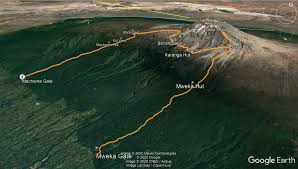
The Machame Route, often referred to as the “Whiskey Route,” is one of the most popular paths to Kilimanjaro’s summit due to its scenic variety and higher success rates. Starting from the southern Machame Gate, this trail winds through lush rainforest, moorland, alpine deserts, and rocky terrain before reaching the summit. Climbers enjoy breathtaking views of Mount Meru, Shira Plateau, and Lava Tower along the way. The route typically takes 6–7 days, providing ample time for acclimatization, which is critical for reducing the risk of altitude sickness. Machame’s combination of moderate to challenging inclines, dramatic landscapes, and strong acclimatization potential makes it one of the best routes to climb Mount Kilimanjaro for both novice and experienced trekkers (https://www.mountkilimanjaroguide.com).
One of the advantages of the Machame Route is its diverse ecological zones. Trekkers begin in dense rainforest, home to colorful bird species and exotic vegetation, then transition to the heath and moorland zones, where giant lobelias and groundsels dominate. As the altitude increases, the trail enters the alpine desert, a stark, high-altitude environment offering wide panoramic views of Kibo and Mawenzi peaks. The final ascent to Uhuru Peak passes through the famous scree section on Stella Point, challenging climbers physically and mentally but rewarding them with sunrise views over the summit crater. These dramatic transitions between ecosystems illustrate why the Machame Route is consistently regarded among the best routes to climb Mount Kilimanjaro (https://www.lonelyplanet.com/tanzania/mount-kilimanjaro).
Marangu Route
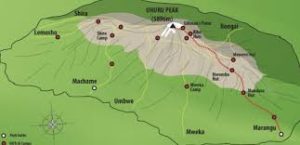
The Marangu Route, known as the “Coca-Cola Route,” is famous for its hut accommodations, gradual ascent profile, and relatively straightforward navigation. Starting from the Marangu Gate, the path meanders through rainforest and moorland, reaching Horombo and Kibo huts along the way. This route is ideal for climbers who prefer structured accommodations rather than camping, making it a popular choice for first-time trekkers or those seeking a less rustic experience. The Marangu Route generally takes 5–6 days, though longer itineraries improve acclimatization and summit success rates. These factors make Marangu one of the best routes to climb Mount Kilimanjaro for trekkers prioritizing comfort and accessibility (https://www.britannica.com/place/Mount-Kilimanjaro).
Despite being considered easier than Machame, Marangu offers impressive scenery, particularly in the upper alpine desert and at the crater rim near Uhuru Peak. The trail’s less demanding slopes reduce fatigue, allowing climbers to conserve energy for the final ascent. However, its popularity means the route can be crowded during peak seasons. For travelers seeking a balance between scenic variety, accessibility, and accommodation convenience, Marangu provides an optimal combination of factors supporting a safe and rewarding climb (https://www.mountkilimanjaroguide.com).
Lemosho Route
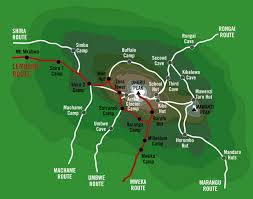
Lemosho is renowned for its remote beauty, high summit success rate, and extended itinerary. Starting on the western side of Kilimanjaro, Lemosho’s route traverses dense forest, rolling moorlands, and dramatic lava formations, offering some of the most photogenic landscapes on the mountain. Its longer duration, typically 7–8 days, allows for gradual acclimatization, a critical factor in reducing altitude sickness and improving summit success. This extended schedule, combined with fewer crowds, makes Lemosho one of the best routes to climb Mount Kilimanjaro for serious trekkers seeking an immersive natural experience (https://www.lonelyplanet.com/articles/kilimanjaro-trekking-routes).
The Lemosho Route offers diverse ecological experiences, starting with rainforests filled with birds and monkeys, progressing to the Shira Plateau’s wide open landscapes dotted with giant lobelias, and then navigating the challenging Barranco Wall. The trail culminates in the final ascent via the Western Breach, providing unparalleled summit vistas. Its combination of remote scenery, diverse terrain, and longer acclimatization period enhances both the physical and aesthetic experience, appealing to international tourists seeking adventure with minimal crowd interference (https://www.mountkilimanjaroguide.com).
Rongai Route
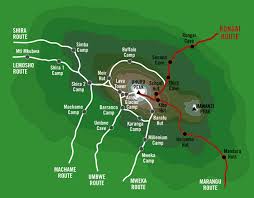
Rongai is Kilimanjaro’s northern approach, starting near the Kenyan border. This route is less trafficked than southern routes and features a more gradual ascent, making it appealing for trekkers who prefer solitude and a steadier climb. The Rongai trail passes through dry forest, moorland, and alpine desert, offering unique perspectives of Mawenzi and Kibo peaks from the north. Its typical duration is 6–7 days, providing sufficient acclimatization and a high chance of summit success. The relative quiet, scenic diversity, and lower traffic establish Rongai as one of the best routes to climb Mount Kilimanjaro, especially for trekkers seeking a less crowded experience (https://www.mountkilimanjaroguide.com).
Rongai’s ecological zones differ from southern routes, with drier landscapes and open views allowing trekkers to experience Kilimanjaro’s topography in a unique way. The final ascent often merges with the Marangu Route near Kibo, leading to Uhuru Peak via Gilman’s Point. Rongai’s combination of solitude, gradual ascent, and scenic exposure attracts both intermediate and experienced climbers, offering an alternative to the more popular Machame and Marangu trails (https://www.lonelyplanet.com/tanzania/mount-kilimanjaro).
Shira Route
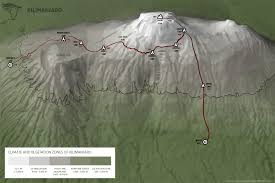
Shira Route begins on the western flank of Kilimanjaro and is less commonly used than Machame or Lemosho. It offers similar scenic experiences, including the Shira Plateau, dramatic volcanic landscapes, and diverse vegetation zones. The Shira Route can be integrated with Lemosho for longer treks, maximizing acclimatization and summit success. Its slightly shorter alternative itineraries appeal to experienced trekkers seeking less crowded trails with challenging terrain. Shira is an excellent choice for those aiming to experience Kilimanjaro’s remote areas, highlighting why it is considered one of the best routes to climb Mount Kilimanjaro (https://www.mountkilimanjaroguide.com).
Umbwe Route
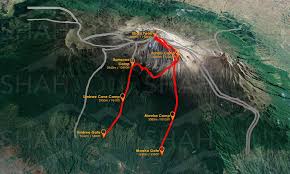
The Umbwe Route is the most direct and challenging southern path to Kilimanjaro’s summit. Starting from the Umbwe Gate, it ascends steeply through rainforest and rocky slopes, often demanding advanced trekking skills and physical fitness. While it offers dramatic scenery and a sense of adventure, the route is shorter and requires rapid altitude gain, making acclimatization difficult. It is ideal for experienced climbers seeking a physically demanding challenge. Due to its intensity and technical demands, Umbwe is recommended only for seasoned trekkers but still remains a recognized option among the best routes to climb Mount Kilimanjaro (https://www.lonelyplanet.com/articles/kilimanjaro-trekking-routes).
In conclusion, Kilimanjaro offers multiple route options, each with unique advantages and challenges. Machame provides scenic variety and moderate difficulty; Marangu emphasizes comfort; Lemosho prioritizes remote beauty and acclimatization; Rongai offers solitude and gradual ascent; Shira is for adventure seekers in remote areas; and Umbwe challenges the most experienced climbers. Understanding these characteristics allows trekkers to select the best routes to climb Mount Kilimanjaro tailored to their goals, fitness, and adventure preferences. Choosing wisely ensures both safety and an unforgettable summit experience, making Kilimanjaro one of the most rewarding trekking destinations in the world (https://www.mountkilimanjaroguide.com).
Best Routes for Different Experience Levels on Mount Kilimanjaro
Climbing Mount Kilimanjaro is an adventure that caters to a wide spectrum of trekkers, from first-time hikers to highly experienced mountaineers. Understanding which trails suit different experience levels is essential when planning an expedition. Selecting the best routes to climb Mount Kilimanjaro for your skill set, physical fitness, and trekking goals can significantly improve your chances of a successful summit while enhancing your overall experience. In this section, we will break down Kilimanjaro’s main trails according to difficulty and experience level, helping international travelers make informed decisions for a safe and memorable climb (https://www.lonelyplanet.com/articles/kilimanjaro-trekking-routes).
Routes for Beginners
For beginners, the focus is on routes that provide a gradual ascent, moderate difficulty, ample support, and a high likelihood of reaching Uhuru Peak without excessive physical strain. Two prominent trails that suit beginners are the Marangu Route and Rongai Route.
The Marangu Route, often called the “Coca-Cola Route,” is widely regarded as the most beginner-friendly. Its gentle gradients, clearly marked paths, and hut accommodations make it accessible to those with limited trekking experience. Trekkers on Marangu have the opportunity to rest in huts each night, reducing the strain of camping logistics and minimizing fatigue. Additionally, the trail passes through rainforest and moorland zones, allowing newcomers to experience diverse ecological regions without being overwhelmed by strenuous climbs. By choosing Marangu, first-time climbers can safely embark on a Kilimanjaro adventure while maximizing their chances of summiting. It is widely regarded as one of the best routes to climb Mount Kilimanjaro for novice trekkers due to its combination of comfort, accessibility, and scenic appeal (https://www.mountkilimanjaroguide.com).
Similarly, the Rongai Route, approaching Kilimanjaro from the northern side, offers a more gradual ascent and less crowded trail conditions. While slightly longer than Marangu, Rongai’s steady incline reduces the risk of altitude sickness, which is crucial for beginners. The route provides an immersive experience of Kilimanjaro’s northern landscapes, including dry forests, alpine desert, and expansive views of Mawenzi Peak. For beginners who prioritize solitude, scenic variety, and moderate difficulty, Rongai is another excellent choice among the best routes to climb Mount Kilimanjaro. Both routes allow newcomers to develop confidence, acclimatize properly, and enjoy the climb safely (https://www.britannica.com/place/Mount-Kilimanjaro).
Routes for Intermediate Trekkers
Intermediate trekkers, who possess some hiking experience and moderate physical fitness, often prefer routes that combine scenic diversity, longer trekking days, and moderate technical challenges. Machame and Lemosho Routes are ideally suited for intermediate climbers seeking adventure, photographic opportunities, and higher summit success rates.
The Machame Route is often called the “Whiskey Route” due to its slightly more challenging terrain compared to Marangu. It passes through rainforest, heath, moorland, alpine desert, and finally, the rocky summit zone. Intermediate trekkers benefit from the route’s varied landscapes, moderate inclines, and opportunities for acclimatization over 6–7 days. The Machame Route rewards climbers with breathtaking vistas of Shira Plateau, Lava Tower, and Kibo Crater. Its combination of challenge, scenery, and duration makes it one of the best routes to climb Mount Kilimanjaro for those who are moderately experienced but not yet experts in high-altitude trekking (https://www.mountkilimanjaroguide.com).
Lemosho Route, approaching from the west, is slightly longer and more remote than Machame, usually taking 7–8 days. The extended itinerary allows for gradual acclimatization, reducing the likelihood of altitude sickness while enhancing summit success. Lemosho’s trails wind through lush rainforest, the expansive Shira Plateau, and dramatic Barranco Wall, culminating in a summit attempt via the Western Breach or Barafu Camp. For intermediate trekkers, Lemosho offers a balance of challenge, isolation, and breathtaking natural beauty. Its combination of safety, aesthetics, and moderate difficulty ensures it remains one of the best routes to climb Mount Kilimanjaro, particularly for those seeking a more immersive experience (https://www.lonelyplanet.com/tanzania/mount-kilimanjaro).
Routes for Advanced Trekkers
Advanced trekkers—highly fit, experienced hikers accustomed to high-altitude trekking—often seek routes that are steep, challenging, and offer remote wilderness experiences. The Umbwe and Shira Routes are excellent choices for climbers with advanced skills and a desire for adventure beyond the mainstream paths.
The Umbwe Route is considered the most physically demanding on Kilimanjaro. Starting from the Umbwe Gate, it ascends steeply through rainforest and rocky terrain, offering a direct and rigorous climb. Due to its steep inclines and rapid altitude gain, Umbwe requires a high level of fitness, mental endurance, and careful acclimatization. Advanced trekkers are rewarded with dramatic landscapes, solitude, and a sense of accomplishment. Umbwe is recognized as one of the best routes to climb Mount Kilimanjaro for experienced climbers seeking the ultimate challenge (https://www.mountkilimanjaroguide.com).
Shira Route, though less frequently traveled, also caters to advanced trekkers who value remote scenery and minimal crowds. The trail crosses the Shira Plateau and can be combined with Lemosho for a longer, high-altitude itinerary. Its relative isolation, stunning landscapes, and technical terrain make it suitable for climbers seeking both adventure and photographic opportunities in Kilimanjaro’s western wilderness. For advanced trekkers, Shira is a prime example of a trail that combines challenge, natural beauty, and fewer trekkers, solidifying its place among the best routes to climb Mount Kilimanjaro (https://www.lonelyplanet.com/articles/kilimanjaro-trekking-routes).
Factors Influencing Route Selection by Experience Level
Beyond trail difficulty, climbers should consider other factors when choosing the best routes to climb Mount Kilimanjaro for their experience level. These include:
-
Duration of Trek – Longer itineraries allow better acclimatization and higher summit success. Beginners benefit from 6–7 day treks, while advanced trekkers may choose shorter, steeper paths like Umbwe.
-
Scenic Preferences – Rainforest, alpine desert, moorland, and volcanic landscapes vary by route. Photographers and nature enthusiasts often select Machame or Lemosho for rich scenery.
-
Accommodation Preferences – Hut-based routes like Marangu offer comfort, while camping routes like Machame and Lemosho provide an immersive wilderness experience.
-
Crowd Levels – Popular routes like Machame and Marangu can be busy during peak season. For solitude, Rongai, Shira, and Umbwe are preferred.
-
Acclimatization Needs – Altitude sickness risk varies by ascent rate. Routes with gradual elevation gain (Lemosho, Rongai) are ideal for intermediate and beginner trekkers.
Choosing the right route based on these factors ensures climbers have a safe, enjoyable, and memorable experience while maximizing summit success. Understanding which routes match one’s skill set and goals is essential for international travelers planning a Kilimanjaro expedition. By matching experience level with trail characteristics, climbers can confidently select the best routes to climb Mount Kilimanjaro, ensuring safety, satisfaction, and a transformative adventure (https://www.mountkilimanjaroguide.com).
Conclusion
In conclusion, Mount Kilimanjaro offers a trail for every type of climber. Beginners can safely attempt Marangu or Rongai; intermediate trekkers find Machame and Lemosho ideal for their combination of challenge and scenery; advanced climbers seeking rigorous, remote, and less crowded experiences can tackle Umbwe and Shira. Understanding the relationship between experience level, trail difficulty, and scenic preferences is critical for a successful summit. Selecting the best routes to climb Mount Kilimanjaro ensures that climbers enjoy the adventure fully while minimizing risks, creating memories that last a lifetime, and appreciating Africa’s most iconic mountain in all its grandeur (https://www.lonelyplanet.com/articles/kilimanjaro-trekking-routes).
Tips for Acclimatization, Safety, and Preparing for the Best Routes to Climb Mount Kilimanjaro
Successfully climbing Mount Kilimanjaro requires more than physical fitness and determination—it demands careful preparation, understanding of altitude effects, and adherence to safety protocols. Whether you are a beginner, intermediate, or advanced trekker, following proper acclimatization strategies and safety measures ensures a higher likelihood of reaching Uhuru Peak while minimizing health risks. Selecting the best routes to climb Mount Kilimanjaro is not just about scenery or difficulty; it is equally about how well you prepare for the mountain’s unique challenges. This section provides detailed guidance for acclimatization, safety precautions, gear preparation, and other essential considerations for climbers (https://www.mountkilimanjaroguide.com).
Understanding Altitude and Acclimatization
Altitude sickness is one of the primary risks for Kilimanjaro climbers. The mountain’s summit reaches 5,895 meters, where oxygen levels are significantly lower than at sea level. Symptoms of acute mountain sickness (AMS) include headache, nausea, dizziness, fatigue, and shortness of breath. To reduce the risk, climbers must acclimatize gradually. Routes with longer durations and gradual elevation gains, such as Lemosho and Machame, are considered among the best routes to climb Mount Kilimanjaro for successful acclimatization. Climbers should plan itineraries that allow at least 6–8 days on the mountain, spending extra nights at camps like Shira, Barranco, and Barafu to adapt to higher altitudes (https://www.lonelyplanet.com/articles/kilimanjaro-altitude-sickness).
Climbers should also follow the “climb high, sleep low” principle, which involves ascending to a higher altitude during the day and returning to a lower camp at night. This method promotes gradual acclimatization and reduces the risk of AMS. For example, on the Machame Route, trekkers may hike to Lava Tower during the day and descend to Barranco Camp for overnight rest. Similarly, Lemosho itineraries often include strategic high-altitude days followed by lower camp nights to allow the body to adapt. Following these techniques enhances safety, increases summit success rates, and underscores the importance of choosing the best routes to climb Mount Kilimanjaro that support proper acclimatization strategies (https://www.mountkilimanjaroguide.com).
Safety Tips and Health Considerations
Safety on Kilimanjaro is paramount, and climbers should prepare for both environmental and health-related challenges. Trekkers must monitor weather conditions, as temperatures can fluctuate drastically, from hot afternoons in rainforest zones to sub-zero conditions near the summit. Dressing in layers, wearing thermal gear, and using high-quality sleeping bags are essential for survival and comfort. Proper hydration, nutrition, and pacing are equally important to prevent fatigue and dehydration. Many trekking guides recommend consuming at least 3–4 liters of water per day while ascending (https://www.britannica.com/place/Mount-Kilimanjaro).
Additionally, climbers should be aware of altitude-related complications such as high-altitude pulmonary edema (HAPE) and high-altitude cerebral edema (HACE), which require immediate descent and medical attention. Hiring experienced guides and following their instructions is crucial for preventing and managing such emergencies. These guides are trained to recognize early symptoms of altitude sickness, provide oxygen when necessary, and make strategic route adjustments for safety. Choosing trails that allow gradual ascent, like Machame, Lemosho, and Rongai, is a critical component of safety planning and reinforces why these are among the best routes to climb Mount Kilimanjaro for both novice and experienced trekkers (https://www.lonelyplanet.com/articles/kilimanjaro-trekking-routes).
Physical and Mental Preparation
Physical fitness is another determinant of climbing success. Trekkers should engage in regular cardiovascular, strength, and endurance training months before their expedition. Hiking with weighted backpacks, stair climbing, running, and leg-strengthening exercises prepare the body for the strenuous demands of Kilimanjaro’s trails. Mental preparation is equally important; climbers should cultivate resilience, patience, and a positive mindset to manage fatigue, weather challenges, and the rigors of high-altitude trekking. Proper preparation allows climbers to select the best routes to climb Mount Kilimanjaro with confidence, knowing they are physically and mentally ready for the journey (https://www.mountkilimanjaroguide.com).
Essential Gear and Equipment
Proper gear can make a significant difference in comfort, safety, and summit success. Essential items include sturdy trekking boots, thermal layers, waterproof jackets, gloves, hats, trekking poles, and headlamps. Climbers should also carry personal medical kits, water purification tablets, and high-energy snacks. Choosing the correct equipment is particularly critical on routes with challenging terrain, such as Umbwe or Shira, where steep slopes, rocky surfaces, and rapidly changing weather conditions demand reliable gear. Gear preparation, combined with route knowledge, reinforces why certain trails are regarded as the best routes to climb Mount Kilimanjaro, ensuring safety and a rewarding trekking experience (https://www.lonelyplanet.com/articles/kilimanjaro-trekking-gear).
Nutrition and Hydration Strategies
Maintaining energy and hydration levels is essential for high-altitude trekking. Climbers should consume a balanced mix of carbohydrates, proteins, and fats to sustain energy throughout long hiking days. Frequent hydration prevents altitude-related complications and supports physical performance. Many trekking companies provide meals with adequate caloric content and electrolyte-rich drinks to ensure climbers remain nourished. Planning nutrition carefully is a key element of preparation, and routes with longer durations like Lemosho or Machame allow sufficient time for proper meal intake and hydration, making them some of the best routes to climb Mount Kilimanjaro for health-conscious adventurers (https://www.mountkilimanjaroguide.com).
Weather and Seasonal Considerations
The timing of your climb also influences safety and experience. Kilimanjaro has two main climbing seasons: the dry season from June to October and the short dry season from January to February. During these periods, trails are more accessible, visibility is better, and the likelihood of encountering harsh weather is lower. Conversely, the rainy seasons—March to May and November to December—pose increased risks of slippery trails and reduced visibility. Selecting the best routes to climb Mount Kilimanjaro during dry seasons maximizes safety, trail stability, and enjoyment, while enabling climbers to fully appreciate the mountain’s landscapes and ecosystems (https://www.lonelyplanet.com/articles/best-time-to-climb-kilimanjaro).
Environmental and Ethical Considerations
Responsible trekking practices are essential for preserving Kilimanjaro’s unique ecosystems. Climbers should respect park regulations, minimize waste, and support local guides and porters ethically. Using established trails, following Leave No Trace principles, and adhering to camping guidelines protect the environment and enhance the overall trekking experience. Ethical trekking ensures that Kilimanjaro remains a pristine destination for future generations and underscores the importance of selecting the best routes to climb Mount Kilimanjaro that balance adventure with environmental stewardship (https://www.unesco.org).
In summary, preparation for Kilimanjaro climbing involves a comprehensive approach: gradual acclimatization, safety awareness, physical and mental readiness, proper gear, nutrition, hydration, seasonal planning, and ethical practices. Routes like Machame, Lemosho, Marangu, Rongai, Shira, and Umbwe offer varied experiences, but all require careful planning to ensure summit success. By following these tips, international trekkers can maximize their chances of reaching the top safely while enjoying the unparalleled beauty of Africa’s most iconic mountain (https://www.mountkilimanjaroguide.com).
Conclusion, Tourism Value, and Final Recommendations on the Best Routes to Climb Mount Kilimanjaro
Mount Kilimanjaro stands as one of the world’s most iconic trekking destinations, not only because it is Africa’s highest mountain but also due to its accessibility, ecological diversity, and cultural significance. As a non-technical climb, Kilimanjaro offers a rare opportunity for international travelers of varying experience levels to reach a world-famous summit without requiring advanced mountaineering skills. However, the success, safety, and enjoyment of this journey are heavily influenced by route selection. Understanding the best routes to climb Mount Kilimanjaro is therefore essential for anyone seeking a rewarding and memorable adventure on this legendary peak (https://www.lonelyplanet.com/tanzania/mount-kilimanjaro).
From a tourism perspective, Kilimanjaro plays a central role in Tanzania’s travel industry, attracting tens of thousands of climbers annually and contributing significantly to local and national economies. Each route—Machame, Marangu, Lemosho, Rongai, Shira, and Umbwe—offers a distinct experience shaped by terrain, scenery, acclimatization profile, and crowd levels. This diversity allows tour operators to tailor trekking packages to suit different client needs, whether they are honeymooners seeking a once-in-a-lifetime achievement, solo adventurers pursuing personal challenges, or groups looking for shared accomplishment. Choosing the best routes to climb Mount Kilimanjaro ensures that travelers align their expectations with the realities of high-altitude trekking while maximizing their chances of summit success (https://www.mountkilimanjaroguide.com).
One of Kilimanjaro’s greatest strengths as a tourism destination is its ability to cater to a broad international market. Beginners benefit from routes like Marangu and Rongai, which offer gradual ascents, structured logistics, and manageable physical demands. Intermediate trekkers often gravitate toward Machame and Lemosho, drawn by their scenic richness, longer itineraries, and higher success rates. Advanced climbers seeking solitude and intensity find satisfaction in Umbwe and Shira, where steep ascents and fewer crowds provide a more demanding wilderness experience. This range of options reinforces Kilimanjaro’s global appeal and highlights why careful route selection is central to identifying the best routes to climb Mount Kilimanjaro for each individual traveler (https://www.britannica.com/place/Mount-Kilimanjaro).
Beyond the physical challenge, climbing Kilimanjaro offers profound cultural and environmental value. Trekkers interact closely with local guides, porters, and cooks—many of whom come from communities surrounding the mountain. These professionals are not only essential to climber safety and success but also serve as cultural ambassadors, sharing stories, traditions, and insights into life in northern Tanzania. Responsible tourism practices, such as fair porter treatment and environmentally conscious trekking, ensure that the benefits of climbing Kilimanjaro extend beyond visitors to local communities. Supporting ethical operators and choosing routes that promote sustainable trekking further elevates the importance of selecting the best routes to climb Mount Kilimanjaro in a way that respects both people and nature (https://www.wttc.org).
Environmental conservation is another critical aspect of Kilimanjaro tourism. The mountain’s ecosystems—from rainforest to alpine desert—are fragile and increasingly affected by climate change and human activity. Kilimanjaro National Park, a UNESCO World Heritage Site, enforces strict regulations to protect its biodiversity, including limits on camping areas, waste management policies, and mandatory use of licensed guides. Climbers who follow these regulations and practice Leave No Trace principles contribute to the preservation of the mountain for future generations. Routes with well-managed infrastructure and established acclimatization camps play a key role in minimizing environmental impact, reinforcing their status among the most responsible and best routes to climb Mount Kilimanjaro (https://www.unesco.org).
Seasonal timing also shapes the overall climbing experience and tourism outcomes. The primary dry seasons—June to October and January to February—offer stable weather, clearer views, and safer trail conditions. During these periods, demand for popular routes increases, emphasizing the need for early planning and expert guidance. Tour operators often recommend specific routes based on seasonal conditions, crowd management, and acclimatization efficiency. For example, Lemosho and Machame perform exceptionally well during peak seasons due to their length and adaptability, while Rongai offers an excellent alternative during wetter months. Understanding how seasonality intersects with route characteristics further refines the process of choosing the best routes to climb Mount Kilimanjaro (https://www.lonelyplanet.com/articles/best-time-to-climb-kilimanjaro).
From a practical standpoint, successful Kilimanjaro climbs are the result of informed decision-making, realistic expectations, and professional support. Travelers are encouraged to work with reputable tour operators who provide transparent itineraries, experienced guides, proper safety equipment, and fair treatment of staff. These elements, combined with appropriate route selection, dramatically increase summit success rates and overall satisfaction. A well-planned climb is not merely about reaching Uhuru Peak; it is about enjoying the journey through Kilimanjaro’s landscapes, cultures, and personal challenges. Selecting the best routes to climb Mount Kilimanjaro transforms the trek from a physical test into a deeply enriching life experience (https://www.mountkilimanjaroguide.com).
In conclusion, Mount Kilimanjaro remains one of the world’s most extraordinary trekking destinations because it offers accessibility without sacrificing grandeur, challenge, or meaning. The variety of routes available allows each climber to find a path that matches their abilities, interests, and goals. Whether seeking comfort, scenery, solitude, or intensity, there is a route that delivers. By carefully evaluating route characteristics, acclimatization needs, seasonal conditions, and ethical considerations, international travelers can confidently choose the best routes to climb Mount Kilimanjaro, ensuring a safe, successful, and unforgettable adventure. For tourism companies, this knowledge is the foundation of delivering exceptional climbing experiences that inspire travelers and uphold Tanzania’s reputation as a world-class adventure destination (https://www.lonelyplanet.com/tanzania/mount-kilimanjaro).
