
January 28, 2026

Discover the best time to visit Tanzania for wildlife and beaches, from iconic safaris in Serengeti to relaxing escapes in Zanzibar. Plan your perfect African holiday with expert insights.
https://nativesonexpeditions.com/tanzania-safari/
Tanzania is one of the few destinations in the world where travelers can experience world-class wildlife safaris and pristine tropical beaches within the same journey. For international tourists planning a safari combined with a beach holiday, understanding Tanzania’s climate is the foundation of a successful trip. The country’s location just south of the equator gives it a generally warm climate year-round, but seasonal variations play a major role in wildlife movement, landscape scenery, and beach conditions. Knowing how these seasons affect travel will help you identify the Best time to visit tanzania for wildlife and beaches and maximize both adventure and relaxation.
Tanzania’s weather is typically divided into dry seasons and wet seasons, each offering a different experience for visitors. The long dry season usually runs from June to October and is widely regarded as the peak safari period. During these months, rainfall is minimal, vegetation is thinner, and animals congregate around rivers and water sources, making wildlife easier to spot. This period coincides with cooler temperatures, especially in the northern safari circuit, which includes iconic destinations such as Serengeti National Park, Ngorongoro Conservation Area, and Tarangire National Park. According to Tanzania National Parks Authority, these months provide optimal game-viewing conditions and are preferred by most international travelers seeking classic African safaris (https://www.tanzaniaparks.go.tz).
On the coastal side, Tanzania’s beaches, particularly those in Zanzibar, Mafia Island, and along the mainland coast, also benefit from the dry season. The Indian Ocean remains warm throughout the year, but sea conditions are calmer and clearer during dry months, making this an excellent time for snorkeling, diving, and dhow cruises. Zanzibar’s white-sand beaches, coral reefs, and historic Stone Town become especially appealing during this period, reinforcing why many travelers consider this window the Best time to visit tanzania for wildlife and beaches as part of a combined itinerary.
The short dry season from January to February is another attractive period, particularly for travelers who want fewer crowds but still excellent conditions. Wildlife viewing remains strong, especially in the Serengeti, where this season often aligns with the calving period of wildebeest in the southern plains. This natural event attracts predators and offers dramatic wildlife encounters that photographers and nature enthusiasts highly value. At the same time, beach destinations experience hot, sunny days with minimal rainfall, ideal for sunbathing and ocean activities. Travel experts from Lonely Planet highlight this season as a hidden gem for those seeking a balance between safari excitement and beach leisure (https://www.lonelyplanet.com).
Wet seasons, which include the long rains from March to May and the short rains in November, are often misunderstood by travelers. While these months bring heavier rainfall, they also transform Tanzania’s landscapes into lush, green environments. Wildlife is still present, and birdlife becomes especially abundant, making it a rewarding period for birdwatchers and travelers interested in photography. Some safari lodges offer reduced rates during these months, providing excellent value for budget-conscious international tourists. Coastal areas experience brief tropical showers, but there are still plenty of sunny hours, and the ocean remains warm. For travelers who prioritize tranquility, green scenery, and lower costs, these months can still be considered when planning the Best time to visit tanzania for wildlife and beaches with a more flexible mindset.
From a tourism company perspective, educating clients about Tanzania’s seasonal diversity builds trust and positions your brand as an authority in African travel. International tourists often rely on expert guidance when choosing travel dates, especially when combining two distinct experiences like safaris and beach holidays. By clearly explaining how climate influences wildlife behavior, road conditions, and beach activities, you help travelers make informed decisions that align with their expectations. Trusted global travel platforms such as TripAdvisor consistently emphasize the importance of seasonal planning for Tanzania to ensure the best overall experience (https://www.tripadvisor.com).
In conclusion, understanding Tanzania’s climate is not just about choosing sunny days; it is about aligning nature, adventure, and relaxation into one seamless journey. Whether travelers are drawn by the Great Migration, predator sightings, coral reefs, or tranquil island escapes, timing plays a critical role in shaping their memories. By mastering seasonal insights and matching them with traveler preferences, tour operators can confidently guide international visitors toward unforgettable safari and beach holidays that truly reflect the magic of Tanzania.
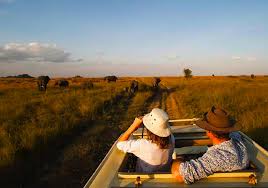
For international travelers seeking iconic African safaris combined with relaxing tropical beaches, the dry season in Tanzania offers unmatched advantages. Spanning from June to October, this period is widely recognized by safari experts as the prime travel window due to its predictable weather, exceptional wildlife visibility, and comfortable conditions across both inland parks and coastal destinations. During these months, Tanzania delivers the kind of classic safari imagery and beach perfection that travelers often dream about when planning a once-in-a-lifetime African holiday, making it a strong contender for the Best time to visit tanzania for wildlife and beaches.
One of the most compelling reasons the dry season is favored lies in wildlife behavior. With little to no rainfall, natural water sources become limited, prompting animals to gather around rivers, lakes, and permanent waterholes. This concentration dramatically increases the chances of seeing large herds of elephants, buffalo, giraffes, and antelope, as well as predators such as lions, leopards, and cheetahs. In Serengeti National Park, the dry season also aligns with some of the most dramatic phases of the Great Migration, particularly the river crossings in the northern Serengeti. These crossings, where millions of wildebeest and zebras brave crocodile-infested rivers, are among the most sought-after wildlife spectacles in the world. Conservation organizations such as the World Wildlife Fund highlight this period as crucial for observing natural predator-prey interactions in their most intense form (https://www.worldwildlife.org).
Road conditions during the dry season further enhance the safari experience. Many of Tanzania’s national parks feature unpaved roads that can become challenging or inaccessible during heavy rains. From June to October, these routes remain dry and navigable, allowing safari vehicles to reach prime wildlife areas efficiently. This translates to longer game drives, smoother travel days, and increased comfort for visitors, particularly those traveling long distances within the northern or southern safari circuits. For tourism companies, this reliability reduces logistical risks and ensures itineraries run as planned, which is essential for meeting the expectations of international clients.
Beyond wildlife, the dry season also offers excellent conditions for Tanzania’s beach destinations. Zanzibar, Mafia Island, and the mainland coast experience sunny days, low humidity, and minimal rainfall during this period. The Indian Ocean is calm, visibility is high, and water temperatures remain pleasantly warm, creating ideal conditions for snorkeling, scuba diving, sailing, and swimming. Zanzibar’s coral reefs come alive with vibrant marine species, while its beaches provide the perfect setting for post-safari relaxation. According to Lonely Planet, these months are considered the most reliable for beach holidays in East Africa due to stable weather patterns and calm seas (https://www.lonelyplanet.com).
From a climate perspective, temperatures during the dry season are comfortable for most travelers. Daytime temperatures in safari regions typically range between 20°C and 28°C, while evenings can be cool, especially in higher-altitude areas such as Ngorongoro Crater. This cooler climate is particularly appealing for game drives, as it allows for extended time outdoors without the fatigue associated with extreme heat. Coastal regions remain warmer, but ocean breezes help maintain a pleasant atmosphere, making it easy for travelers to transition from safari adventures to beach leisure without discomfort.
Another factor that makes the dry season attractive is the abundance of open safari camps and lodges operating at full capacity. Seasonal camps that close during the rains reopen during this time, offering travelers a wider selection of accommodation options ranging from luxury lodges to mobile tented camps positioned close to wildlife hotspots. Many of these camps are strategically located along migration routes or near permanent water sources, ensuring front-row access to wildlife action. Tanzania National Parks Authority consistently promotes this period as the peak safari season due to the high concentration of wildlife and optimal park accessibility (https://www.tanzaniaparks.go.tz).
However, it is important to note that the popularity of the dry season also brings higher demand. National parks, especially Serengeti and Ngorongoro, attract travelers from around the world during these months. As a result, accommodation prices tend to be higher, and advance bookings are essential. For international tourists planning luxury safaris and beach holidays, this should be seen not as a drawback but as an indicator of quality and demand. Well-organized tourism companies can add value by securing premium lodges, arranging private game drives, and offering seamless transfers that elevate the overall experience during what many consider the Best time to visit tanzania for wildlife and beaches.
In terms of photography, the dry season provides excellent lighting conditions. Clear skies, golden grasses, and unobstructed views of animals create ideal settings for both amateur and professional photographers. Dust kicked up by migrating herds and dramatic sunsets over the savannah add depth and atmosphere to images, while coastal sunsets over the Indian Ocean provide equally stunning visuals. These visual rewards play a significant role in why travel bloggers, wildlife filmmakers, and photographers consistently recommend this season for Tanzania travel.
From a marketing and SEO standpoint, focusing on the dry season allows tourism companies to align their messaging with the most searched travel period for Tanzania. International tourists often plan their holidays around school breaks, summer vacations, and favorable weather windows, all of which coincide with the June to October timeframe. By positioning safari and beach packages around this season, companies can attract high-intent travelers who are ready to book premium experiences and are actively searching for authoritative guidance.
In summary, the dry season from June to October offers a powerful combination of exceptional wildlife encounters, ideal beach conditions, comfortable weather, and reliable travel logistics. While it requires early planning and a higher budget, the rewards are unmatched for travelers seeking a seamless blend of adventure and relaxation. For safari operators and beach holiday specialists alike, this period remains the benchmark against which all other travel seasons are measured, reinforcing its reputation as the Best time to visit tanzania for wildlife and beaches for international tourists.
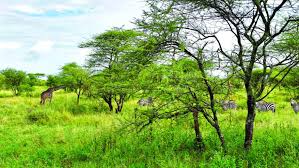
While the dry season often dominates conversations about African travel, the green season from January to March offers a unique and highly rewarding experience for international tourists who value authenticity, dramatic wildlife moments, and quieter destinations. This period, sometimes referred to as the calving season in northern Tanzania, transforms the landscape into lush plains and delivers exceptional safari opportunities paired with beautiful beach conditions along the Indian Ocean coast. For travelers who want to experience nature at its most dynamic, this window can represent the Best time to visit tanzania for wildlife and beaches with fewer crowds and deeper wildlife encounters.
One of the defining features of this season is the Great Migration calving period in the southern Serengeti and Ndutu region. During these months, hundreds of thousands of wildebeest give birth within a short time frame, creating one of the most intense wildlife spectacles on the planet. The abundance of newborn calves naturally attracts predators such as lions, cheetahs, hyenas, and leopards, resulting in frequent and dramatic hunting scenes. Unlike river crossings, which can be unpredictable, the calving season offers consistent action, making it highly appealing for wildlife enthusiasts and photographers seeking guaranteed encounters. Conservation-focused organizations such as Serengeti.org emphasize the ecological importance of this season, noting its role in sustaining predator populations and maintaining the balance of the ecosystem (https://www.serengeti.org).
Weather conditions during January to March are generally favorable for travel. Although this period falls within Tanzania’s broader wet season, rainfall is usually light and occurs in short bursts rather than prolonged downpours. Days are warm, skies are often clear, and the landscape is vibrant green, offering a striking contrast to the golden tones of the dry season. These conditions enhance the visual appeal of safari experiences and provide excellent lighting for photography. For many travelers, the combination of dramatic skies, green grasslands, and abundant wildlife creates a more visually rich safari than the dustier dry months.
From a logistical standpoint, national parks remain fully accessible during this time. Roads in key areas such as the Serengeti, Ngorongoro Conservation Area, and Tarangire are still navigable, and most lodges and camps operate normally. Importantly, this season allows travelers to stay closer to the migration herds, as mobile camps relocate to the southern plains where calving occurs. This proximity reduces long driving times and maximizes time spent observing wildlife, adding significant value to safari itineraries. Tanzania National Parks Authority continues to promote year-round tourism, highlighting the green season as an excellent option for informed travelers who seek quality experiences beyond peak months (https://www.tanzaniaparks.go.tz).
Beach destinations during January to March are equally appealing. Zanzibar, Mafia Island, and the mainland coast enjoy hot, sunny weather with calm seas, making this an ideal period for beach holidays. The Indian Ocean remains crystal clear, offering excellent visibility for snorkeling and scuba diving. Marine life, including dolphins, turtles, and colorful reef fish, is abundant, and water temperatures are comfortable for extended swimming and water-based activities. According to Lonely Planet, this season is particularly suitable for travelers who want to combine safaris with beach relaxation without the peak-season crowds found later in the year (https://www.lonelyplanet.com).
Another advantage of traveling during this period is the reduced number of tourists. Compared to the busy dry season, national parks and beach resorts feel more exclusive and tranquil. Game drives are less congested, allowing for more intimate wildlife encounters and better positioning for photography. Beach resorts also offer a quieter atmosphere, ideal for honeymooners, couples, and travelers seeking privacy. From a tourism company perspective, this allows for more personalized service, flexible itineraries, and enhanced guest satisfaction, all of which contribute to stronger reviews and repeat bookings.
Cost efficiency is another key factor that makes January to March attractive. Many safari lodges and beach resorts offer lower rates compared to peak season, without compromising on service quality. This creates an opportunity for international travelers to access luxury experiences at more competitive prices. For tour operators, this season provides an excellent chance to design value-driven packages that appeal to travelers looking for premium experiences with better pricing. Trusted travel platforms like TripAdvisor frequently note that traveling during shoulder and green seasons can significantly improve value for money while maintaining high-quality experiences (https://www.tripadvisor.com).
From an ecological and educational perspective, the green season offers a deeper understanding of Tanzania’s natural cycles. Witnessing birth, growth, and predator interactions provides insight into the resilience and complexity of African ecosystems. Birdlife is also at its peak during this period, with migratory species arriving from Europe and Asia. This makes the season particularly appealing to birdwatchers and nature lovers who want a more comprehensive wildlife experience beyond the traditional Big Five focus. These elements collectively reinforce why seasoned travelers and safari experts often consider this period the Best time to visit tanzania for wildlife and beaches for those seeking depth rather than crowds.
For international tourists planning longer stays, the green season also allows for a more relaxed travel pace. With fewer logistical pressures and less competition for accommodations, itineraries can be customized to include extended stays in specific regions, cultural experiences with local communities, and additional beach time. Stone Town in Zanzibar, a UNESCO World Heritage Site, is especially enjoyable during this period, as travelers can explore its historic streets, markets, and architecture without the congestion typical of peak season. Cultural tourism organizations emphasize that slower travel enhances cultural appreciation and supports sustainable tourism practices (https://www.unesco.org).
From an SEO and content strategy standpoint, highlighting the green season positions a tourism company as knowledgeable and trustworthy. Many online resources focus heavily on peak-season travel, leaving a gap for well-researched content that explains alternative seasons in detail. By educating travelers about the advantages of January to March, companies can capture search traffic from users seeking value, exclusivity, and unique experiences. This approach aligns with Google’s emphasis on helpful, experience-based content and strengthens authority within the competitive travel niche.
In summary, January to March offers a compelling blend of intense wildlife activity, lush landscapes, excellent beach conditions, and cost-effective luxury. It is a season that rewards travelers who are open-minded and eager to experience Tanzania beyond conventional travel windows. With calving safaris in the Serengeti and idyllic beach escapes along the Indian Ocean, this period stands out as a powerful alternative to peak season travel and remains a strong contender for the Best time to visit tanzania for wildlife and beaches for international tourists seeking richness, value, and unforgettable moments.
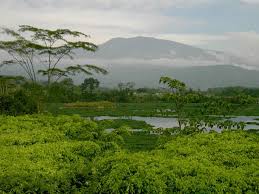
For international tourists who prioritize value, tranquility, and immersive nature experiences, Tanzania’s shoulder and rainy seasons offer compelling travel opportunities. These periods, which include the long rains from April to May and the short rains in November, are often overlooked in favor of peak dry months. However, with proper planning and realistic expectations, these seasons can deliver exceptional safari and beach experiences at significantly reduced costs. For informed travelers and experienced tour operators, this window can still represent the Best time to visit tanzania for wildlife and beaches when flexibility and authenticity are the primary goals.
During the long rainy season, Tanzania’s landscapes undergo a dramatic transformation. Heavy rains rejuvenate the soil, rivers swell, and savannahs turn a deep, vibrant green. While dense vegetation can make wildlife sightings slightly more challenging than in the dry season, animals remain present and active, particularly in well-known parks such as Serengeti, Ngorongoro, and Lake Manyara. This period is especially rewarding for birdwatchers, as migratory species arrive in large numbers, filling the parks with color and sound. According to global conservation sources like World Wildlife Fund, rainy seasons play a critical role in ecosystem regeneration and biodiversity, making them an important time for ecological observation (https://www.worldwildlife.org).
One of the most significant advantages of traveling during April and May is the reduction in visitor numbers. Safari vehicles are fewer, lodges are quieter, and national parks feel more remote and exclusive. This allows for more private wildlife encounters and a deeper connection with nature. Photographers often appreciate this season for its dramatic skies, lush backdrops, and reflective water surfaces, which create striking visual compositions. For travelers seeking solitude and a slower pace, the rainy season provides a sense of exclusivity rarely found during peak months.
From a logistical perspective, some remote areas may become inaccessible due to muddy roads and temporary closures of seasonal camps. However, many established lodges and national parks remain open and fully operational, offering reliable safari experiences with experienced guides who understand how to navigate changing conditions. Tourism companies that specialize in tailor-made itineraries can design routes that avoid problematic areas while still delivering high-quality wildlife encounters. Tanzania National Parks Authority continues to maintain core park infrastructure year-round, ensuring that key conservation areas remain accessible even during wetter months (https://www.tanzaniaparks.go.tz).
Beach destinations during the rainy seasons also present unique advantages. While brief tropical showers may occur, they are often followed by sunshine, and temperatures remain warm throughout the day. Zanzibar, Mafia Island, and the mainland coast experience fewer tourists, allowing travelers to enjoy beaches, resorts, and cultural sites in a more relaxed atmosphere. Sea conditions can vary, but there are still many calm days suitable for swimming, snorkeling, and dhow sailing. Travel authorities such as Lonely Planet note that shoulder seasons can be ideal for travelers who value peaceful beach environments and are not deterred by occasional rainfall (https://www.lonelyplanet.com).
November, in particular, stands out as a transitional month between the dry and wet seasons. Known as the short rains, this period features lighter and less predictable rainfall compared to April and May. Wildlife viewing remains good, vegetation is not yet overly dense, and travel conditions are generally manageable. For many experienced travelers, November strikes a balance between affordability and experience quality, making it a strong candidate for the Best time to visit tanzania for wildlife and beaches for those seeking shoulder-season benefits without full rainy-season challenges.
Cost savings during these months are among the most attractive benefits. Many safari lodges and beach resorts offer significant discounts, sometimes reducing prices by 30 to 50 percent compared to peak season. This opens the door for international tourists to access higher-end accommodations and private safari experiences that might otherwise be out of budget. From a business perspective, tourism companies can leverage these savings to create attractive packages that appeal to value-conscious travelers while maintaining profitability.
Sustainability is another important consideration when traveling during shoulder and rainy seasons. By distributing tourism more evenly throughout the year, travelers help reduce pressure on wildlife habitats and local infrastructure during peak months. This aligns with responsible tourism principles and supports conservation efforts across Tanzania. International organizations and eco-tourism advocates emphasize that off-peak travel contributes to more sustainable destination management and improved community benefits (https://www.unesco.org).
For travelers interested in cultural experiences, the rainy and shoulder seasons also offer opportunities to engage more deeply with local communities. With fewer tourists, cultural tours, village visits, and historical explorations become more personal and meaningful. In Zanzibar’s Stone Town, travelers can explore narrow streets, museums, and markets at a relaxed pace, gaining a richer understanding of the island’s history and Swahili culture. These experiences complement safari and beach activities, creating a well-rounded travel itinerary.
From an SEO and content strategy standpoint, addressing the rainy and shoulder seasons demonstrates expertise and transparency. Rather than promoting only idealized peak-season travel, providing balanced information builds trust with potential clients. Google’s Helpful Content guidelines favor content that answers real traveler concerns and sets realistic expectations. By clearly outlining both advantages and challenges, tourism companies position themselves as reliable advisors rather than sales-driven marketers.
In conclusion, April, May, and November offer a nuanced and rewarding approach to traveling in Tanzania. While these months require flexibility and careful planning, they deliver lush landscapes, reduced crowds, and excellent value for money. For travelers who appreciate authenticity, sustainability, and cost efficiency, these seasons can provide unforgettable safari and beach experiences and may still qualify as the Best time to visit tanzania for wildlife and beaches under the right circumstances.
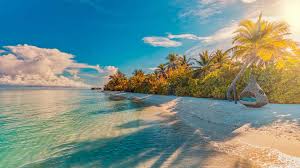
Choosing the right month to travel to Tanzania depends on personal interests, budget, and travel style. A month-by-month understanding helps international tourists align their expectations with real conditions on the ground, ensuring a seamless safari and experience. Rather than relying on general advice alone, breaking the year down into specific travel windows allows travelers to clearly identify the Best time to visit tanzania for wildlife and beaches based on wildlife behavior, weather patterns, and beach conditions.
January and February are characterized by warm temperatures, lush landscapes, and the iconic calving season in the southern Serengeti. Wildlife activity is intense, predator sightings are frequent, and photographic opportunities are outstanding. These months are also excellent for Zanzibar and Mafia Island, where calm seas and sunny days dominate. March marks a transition period, with increasing rainfall toward the end of the month, but still offers rewarding safaris and quiet beaches for travelers who prefer fewer crowds.
April and May bring the long rains, transforming Tanzania into a green paradise. While some remote roads may be challenging, major national parks remain open, and wildlife is still abundant. These months are ideal for experienced travelers seeking solitude, dramatic scenery, and significant cost savings on luxury lodges and beach resorts. June signals the beginning of the dry season, with improving road conditions and rising wildlife visibility. This month is often seen as a sweet spot, combining good value with increasingly excellent safari conditions.
From July to September, Tanzania reaches its peak safari season. Wildlife congregates around water sources, and the Great Migration river crossings in northern Serengeti become a major highlight. Beach destinations also shine during these months, with cool ocean breezes, clear waters, and ideal conditions for snorkeling and diving. October remains dry and warm, offering continued strong wildlife viewing with slightly fewer visitors as the peak season tapers off. For many travelers, this period represents the Best time to visit tanzania for wildlife and beaches when balancing premium experiences with manageable crowd levels.
November introduces the short rains, typically light and brief, refreshing the landscape without significantly disrupting travel. Wildlife remains active, beaches are peaceful, and prices begin to drop, making it an attractive shoulder-season option. December, especially late in the month, sees a return of drier conditions and increased demand due to holiday travel. Festive-season safaris and beach escapes are popular with international tourists seeking to end the year with a memorable African adventure.
When planning a combined safari and beach itinerary, it is essential to consider logistics and pacing. Many successful trips begin with wildlife exploration in the northern safari circuit—Serengeti, Ngorongoro, Tarangire—followed by a short flight to Zanzibar or Mafia Island for beach relaxation. This structure allows travelers to experience adventure first and unwind afterward, enhancing overall satisfaction. Tourism authorities such as Tanzania National Parks Authority emphasize the importance of proper itinerary design to maximize both wildlife encounters and comfort (https://www.tanzaniaparks.go.tz).
Beach selection is another important factor. Zanzibar is ideal for travelers seeking a mix of culture, history, and resort-style beaches, while Mafia Island appeals to those interested in marine conservation, diving, and a quieter atmosphere. Seasonal marine highlights, such as whale shark sightings near Mafia Island, can further influence timing decisions. Reputable travel resources like Lonely Planet provide consistent guidance on matching beach destinations with seasonal conditions to enhance traveler experiences (https://www.lonelyplanet.com).
From a tourism business perspective, guiding clients through a month-by-month breakdown builds credibility and trust. International travelers value transparency and expert advice, especially when investing in long-haul travel. Providing clear recommendations based on seasonal strengths positions your company as a reliable authority rather than a generic tour seller. Platforms such as TripAdvisor consistently show that well-informed travelers are more likely to leave positive reviews and recommend services that met or exceeded expectations (https://www.tripadvisor.com).
Ultimately, there is no single perfect month that suits every traveler. The ideal travel time depends on whether guests prioritize peak wildlife action, lower prices, fewer crowds, or lush scenery. By understanding Tanzania’s seasonal rhythms and aligning them with traveler goals, it becomes possible to design unforgettable safari and beach holidays throughout the year. With the right planning, expert guidance, and realistic expectations, travelers can confidently choose the Best time to visit tanzania for wildlife and beaches and enjoy one of Africa’s most diverse and rewarding destinations.