
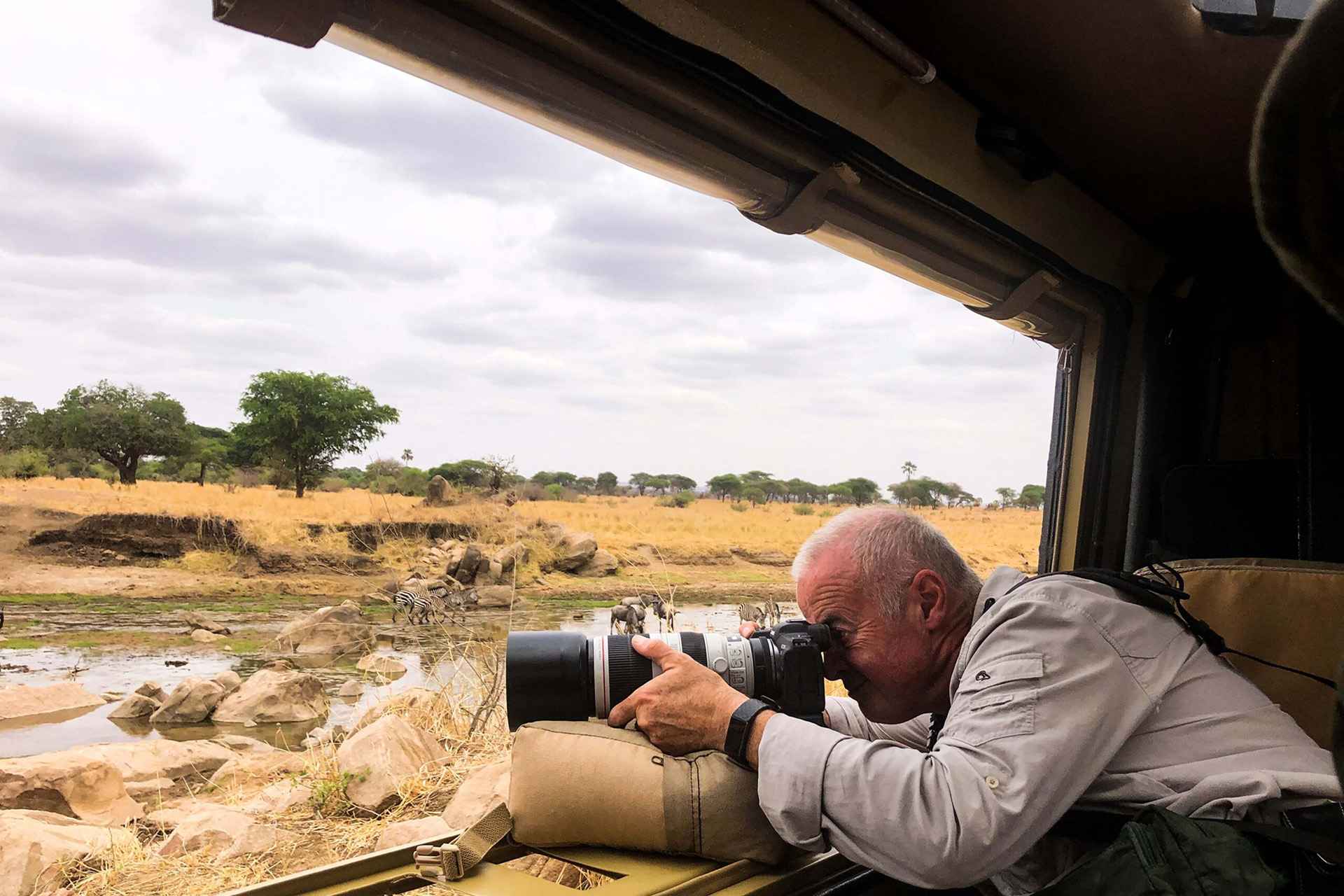
A Complete Guide for Passionate Travel Photographers planning to travel to Tanzania.
A Tanzania Photographic Safari Adventure with Native Son Expeditions offers photographers an extraordinary opportunity to capture Africa’s most iconic wildlife, dramatic landscapes, and authentic cultural moments in one journey. From the endless plains of the Serengeti to the wildlife-rich Ngorongoro Crater, Tanzania provides perfect light, open scenery, and diverse subjects for powerful storytelling images. With expert local guidance from Native Son Expeditions, photographers enjoy flexible game drives and prime positioning to capture truly unforgettable shots.
Tanzania Photographic Safari Adventure Guide
Tanzania is one of the world’s most rewarding destinations for photographers, offering an unmatched combination of iconic wildlife, dramatic landscapes, rich cultural encounters, and extraordinary natural light. A Tanzania Photographic Safari Adventure is more than just a trip—it is a visual journey through Africa’s most celebrated ecosystems, where every sunrise, dust-filled chase, and golden sunset tells a powerful story. At Native Son Expeditions, we design photography-focused safaris that give photographers the time, access, and flexibility needed to capture truly exceptional images.
This guide explores the best photographic destinations in Tanzania, the ideal time to visit, how long to stay, and what photographers should pack for a successful photographic safari experience.
Why Tanzania Is the Ultimate Photographic Safari Destination
Tanzania stands apart from other safari destinations due to its vast open landscapes, minimal visual obstructions, and abundant wildlife populations. The country’s national parks offer clean horizons, wide skies, and natural backdrops that allow photographers to compose powerful, uncluttered images. Unlike heavily wooded safari regions, Tanzania’s savannahs provide clear sightlines that are ideal for action photography, animal portraits, and wide-angle environmental shots.

A Tanzania photographic safari adventure also benefits from consistent wildlife activity throughout the year, making it possible to photograph predators, large herds, birdlife, and cultural scenes within a single itinerary.
Best Places for a Tanzania Photographic Safari Adventure
The Serengeti National Park is the heart of wildlife photography in Tanzania. Its endless plains create perfect conditions for capturing the Great Wildebeest Migration, predator-prey interactions, and dramatic silhouettes against glowing skies. The openness of the landscape allows photographers to work with long lenses while still maintaining strong compositions and background separation.
The Ngorongoro Crater offers a different photographic advantage. With one of the highest wildlife densities in Africa, photographers can capture a wide range of species in a compact area. Morning mist, crater walls, and reflective lakes create depth and atmosphere, making it ideal for storytelling images and layered compositions.

Tarangire National Park is especially valued by photographers for its elephant photography and iconic baobab trees. During the dry season, animals gather around the Tarangire River, allowing close-range photography with dramatic dust, textures, and warm evening light. The park is particularly effective for artistic and minimalist wildlife compositions.
Mount Kilimanjaro & Mount Meru – Landscape & Adventure Photography: For photographers who love dramatic landscapes, climbing Mount Kilimanjaro or Mount Meru offers extraordinary opportunities. From rainforest trails and alpine deserts to glacier views and summit sunrises, these climbs provide powerful storytelling images.
Mount Meru, in particular, offers wildlife encounters and crater views with fewer crowds, making it ideal for photography-focused hikes.
For cultural and lifestyle photography, Zanzibar adds an essential dimension to a photographic safari. Stone Town’s narrow streets, Swahili architecture, bustling markets, and dhow boats provide opportunities for street photography, portraits, and documentary-style storytelling that perfectly complement wildlife images from the mainland.
When Is the Best Time for Tanzania Photographic Safaris?
The best time for a Tanzania photographic safari adventure depends on the type of images you want to capture. The dry season, from June to October, offers the clearest conditions for wildlife photography. Animals concentrate around water sources, skies are clear, and lighting is consistent—ideal for sharp, high-contrast images and fast action shots.

The January to March period is excellent for photographing the Great Migration calving season in the southern Serengeti. This time delivers dramatic predator action, intimate wildlife moments, and softer light conditions that many photographers prefer.
The green season, from April to May, is often overlooked but offers unique photographic advantages. Lush landscapes, fewer vehicles, dramatic cloud formations, and vibrant colors create a more artistic and atmospheric photographic environment. This season is ideal for photographers seeking creative, less conventional images.
How Many Days Are Ideal for a Full Photographic Experience in Tanzania?
To fully benefit from a Tanzania photographic safari adventure, time is essential. Photography requires patience, repeat sightings, and the freedom to wait for the right light and behavior. A stay of 7 to 9 days allows photographers to focus on one or two key parks while still capturing a strong portfolio of wildlife images.
For a more complete experience that includes multiple ecosystems and photographic styles, 10 to 14 days is ideal. This duration allows time for the Serengeti, Ngorongoro, Tarangire, and cultural extensions such as Zanzibar without rushing between locations.

Serious photographers and visual storytellers often choose 15 days or more, which provides the opportunity to revisit locations, refine compositions, and capture rare moments that shorter trips may miss.
Photographers Packing List for a Tanzania Safari
A well-prepared photographers packing list is critical for success on a Tanzania photographic safari. Camera bodies should be reliable and capable of performing well in dusty conditions. A combination of telephoto and wide-angle lenses is essential, as Tanzania offers both close wildlife encounters and expansive landscapes.
Extra batteries and memory cards are vital, as charging opportunities may be limited in remote areas. Dust protection, lens cleaning tools, and weather-resistant camera bags help protect equipment throughout the journey. Many photographers also benefit from using bean bags or window mounts for stability during game drives.
Native Son Expeditions ensures that safari vehicles are photography-friendly, allowing flexible positioning and extended stops when photographic opportunities arise.

Tanzania Safari Packing List
Why Choose Native Son Expeditions for Photographic Safaris
At Native Son Expeditions, we understand that photography is about timing, light, and patience. Our Tanzania photographic safari adventures are designed with flexibility at their core, allowing photographers to spend more time in productive areas and adapt daily plans based on conditions.
Our experienced local guides understand animal behavior and positioning, helping photographers anticipate action rather than react to it. We prioritize ethical wildlife encounters, responsible tourism, and respectful cultural engagement—ensuring that every image captured reflects authenticity and conservation values.
Final Thoughts: Tanzania Through the Photographer’s Lens
A Tanzania photographic safari adventure offers endless creative possibilities, from dramatic wildlife scenes to intimate cultural moments and breathtaking landscapes. With the right planning, timing, and support, Tanzania becomes not just a destination—but a living canvas for powerful visual storytelling.
With Native Son Expeditions, photographers gain more than access to incredible locations—they gain the freedom, expertise, and time needed to create meaningful, unforgettable images.
